

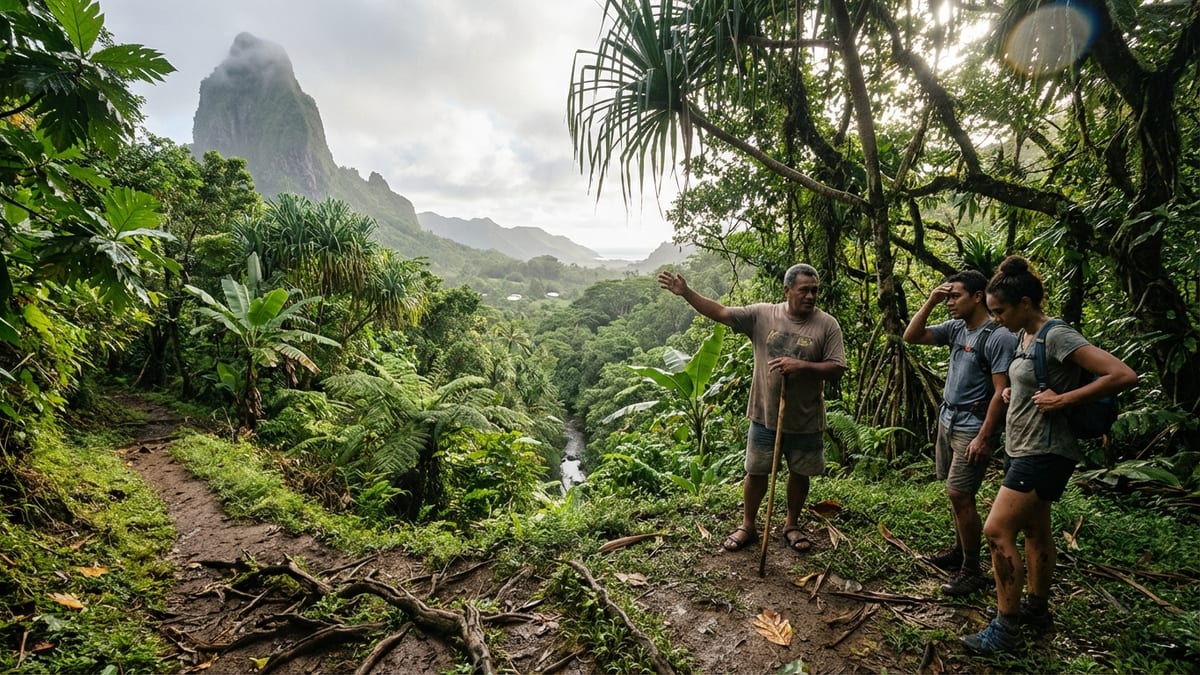
Rarotonga is often described in terms of its turquoise lagoon and palm-fringed shore, but the largest of the Cook Islands offers a far richer story once you look beyond the sand. From volcanic peaks and inland valleys to cultural nights, local markets and quiet village backroads, the island rewards travelers who are willing to trade a day at the beach for deeper immersion. The following guide explores the best things to do in Rarotonga away from the shoreline, blending outdoor adventure, culture, food and everyday island life.
Explore Rarotonga’s Wild Interior
The mountainous heart of Rarotonga rises sharply from the coastal ring road, creating a rugged interior that feels a world away from the lagoon. Ancient volcanic ridges, dense rainforest, trickling streams and the songs of native birds combine to offer some of the South Pacific’s most memorable day walks. Whether you are an experienced hiker or an active casual walker, the island’s trails reveal a side of Rarotonga few visitors see.
Hike the Cross Island Track to Te Rua Manga
The Cross Island Track is Rarotonga’s signature hike, traversing the island from north to south through steep, jungle-clad terrain. The route climbs from Avatiu Valley to the dramatic rock pinnacle of Te Rua Manga, known as the Needle, which rises more than 400 meters above sea level before descending toward the south coast and Papua (Wigmore’s) Waterfall.
This is a demanding route with slippery roots, narrow ridges and stream crossings, so it is best suited to confident hikers with proper footwear and good fitness. Conditions can change quickly after rain, and parts of the track can become muddy and treacherous. Guided trips, such as those offered by local mountain guides and long-running outfits like Pa’s Cross Island Hike, add safety and cultural context, explaining traditional plant uses, local myths and the ecology of the rainforest as you walk.
For those who prefer a shorter outing, you can hike up to the base of the Needle and then return the same way rather than continuing across the entire island. This out-and-back option still delivers sweeping interior views and the sense of being embraced by Rarotonga’s volcanic core without committing to the full traverse.
Walk to Inland Waterfalls and Valley Lookouts
Rarotonga’s interior valleys shelter a handful of smaller trails that lead to waterfalls, stream pools and natural lookouts. Papua Waterfall, at the southern end of the Cross Island Track, is one of the best-known and can be reached by road followed by a short walk. After rain, the cascade plunges into a cool freshwater pool where hikers rinse off after crossing the island.
Other interior routes, some unmarked, rise up the ridgelines or trace old paths used by farmers and foragers. These walks are best undertaken with a local guide both for safety and to avoid trespassing on private land. Along the way, guides often point out medicinal plants, wild taro patches and relics of pre-missionary settlements tucked into the bush.
Join Conservation and Nature-Focused Activities
Several hiking and eco-tour operators place conservation at the heart of their trips, highlighting efforts to protect native birds and reforest degraded slopes. In season, you might spot the vibrant Cook Islands fruit dove or hear the calls of endemic starling species while learning about invasive predators and forest regeneration projects.
Some tours include opportunities to sample seasonal fruit, learn about traditional land stewardship and hear how climate change is affecting rainfall patterns and the health of the island’s watersheds. Choosing these experiences channels tourism dollars into local environmental initiatives and deepens your understanding of the island’s fragile ecosystems.
Experience Cook Islands Culture and History
Beyond the beach bars and resort buffets, Rarotonga has a living cultural scene built on dance, drumming, oral storytelling and communal feasting. From immersive cultural villages to small museums and historic sites, you can spend several days peeling back layers of history that stretch from ancient Polynesian voyagers to contemporary island life.
Attend an Island Night Cultural Show
Island Nights are a staple of the Rarotonga experience and one of the most engaging ways to connect with Cook Islands culture in a single evening. Hosted at cultural centers and resorts across the island, these nights combine high-energy drum dances, melodic harmonies and storytelling with a lavish buffet featuring local dishes such as ika mata, taro, breadfruit and slow-cooked meats.
Venues including Te Vara Nui Village in Muri and Highland Paradise on the western highlands are among the best known. Highland Paradise, set on ancestral land above Arorangi, weaves historic narratives and a marae (sacred site) ceremony into its sunset programs, giving the evening a strong sense of place. Te Vara Nui, meanwhile, is noted for its polished over-water stage and choreography that dramatizes legends of gods, warriors and ocean voyagers.
Island Nights are family friendly, and audience participation is almost guaranteed. Expect to be invited on stage to attempt traditional hip-swaying and learn basic drumbeats. Booking ahead is a good idea during peak seasons, as these performances are popular with visitors and local families alike.
Visit Te Ara Museum of Cultural Enterprise
Located in Muri, Te Ara Museum of Cultural Enterprise offers a compact but thoughtfully curated introduction to the history and identity of the Cook Islands. Opened in 2017, the museum presents exhibits on voyaging, traditional navigation, missionaries, colonial contact and the islands’ path to self-governance, as well as displays on contemporary creative industries.
Interactive elements and detailed panels give context to everything from tapa cloth and weaponry to modern design businesses that draw on traditional motifs. It is an ideal first stop early in your stay, helping to frame the cultural experiences you will encounter at markets, island nights and village churches.
Explore Local Art at Bergman Gallery and Craft Courtyards
Rarotonga has an increasingly active art scene, and one of its anchors is Bergman Gallery, based in a courtyard setting in Avarua. The gallery represents artists from the Cook Islands and wider Pacific region, with exhibitions ranging from contemporary painting and sculpture to photography and mixed media pieces that reflect on identity, land and ocean.
Nearby courtyards and boutiques around the town’s waterfront area feature local crafts, black pearl jewelry, tivaevae quilts and hand-printed textiles. Even a short gallery wander reveals how modern Cook Islands artists reinterpret traditional patterns, navigation symbols and legends for a global audience while still grounding their work in local narratives.
Seek Out Historic Churches and Village Marae
Christianity has been woven into island life since the nineteenth century, and historic churches in villages such as Avarua, Arorangi and Ngatangiia are striking landmarks. Attending a Sunday service, with its powerful a capella singing, is one of the most moving cultural experiences available to visitors.
Layers of older spiritual practice remain visible, notably at marae sites that predate missionary contact. Some cultural tours include visits to restored or interpreted marae platforms, explaining how they once functioned as centers of ceremony, leadership and community decision-making. Respectful behavior is essential at such sites: follow your guide’s instructions and avoid climbing or sitting on sacred structures.
Taste Rarotonga: Food, Markets and Local Produce
Moving away from the resort buffet line opens up a universe of flavors, from taro leaves simmered in coconut cream to roadside fruit stands and lively night markets. Rarotonga’s food scene is casual and community focused, with family-run stalls and small cafes showcasing island ingredients and fusion influences.
Browse Punanga Nui Market in Avarua
Punanga Nui Market on the waterfront in Avarua is Rarotonga’s social and commercial hub, especially on Saturdays when the market is in full swing. Locals converge to shop for fresh produce, home baking, clothing, crafts and prepared meals, while musicians perform live on a central stage.
Stalls dish up everything from grilled fish and island-style pancakes to smoothies made with just-picked tropical fruit. Handicraft vendors sell shell jewelry, hand-painted pareu (sarongs), wood carvings and woven baskets. Even if you are not shopping heavily, wandering the aisles provides a vivid snapshot of daily life, politics and community priorities.
Arrive early to catch the coolest part of the morning and the best selection of produce. Bring cash in local currency and a reusable bag, and ask permission before taking close-up photos of vendors or their wares.
Sample Street Food at Muri Night Markets
The Muri Night Markets on the southeast side of the island are an evening counterpart to Punanga Nui. Several nights a week, food stalls and small trucks gather near the lagoon, creating a relaxed outdoor dining scene favored by visitors and residents alike.
Typical offerings include curries, noodle dishes, poke (a Cook Islands dessert made with arrowroot and fruit), kebabs, seafood platters and vegetarian plates built around taro, rukau (taro leaves) and eggplant. Portions are generally generous and prices moderate, making the markets ideal for trying multiple dishes and sharing among friends or family.
There is usually live music and a festive but low-key atmosphere. Seating is mostly informal at picnic tables, and it is sensible to arrive on the early side to avoid queues at popular stalls.
Visit Small Cafes and Plantations Inland
Inland from the main coastal road, you will find a sprinkling of garden cafes and small plantations open to visitors. Some combine landscaped tropical gardens with light meals and coffee, while others focus on specific products such as vanilla, noni or tropical fruit.
These venues offer a slower pace than the coastal strip and a chance to see how food is grown and processed. You might walk through shaded breadfruit groves, learn how vanilla vines are hand-pollinated or sample chutneys and jams made on-site. Supporting such businesses keeps revenue in rural communities and helps maintain diverse, small-scale agriculture on the island.
Discover Rarotonga by Bike and Backroad
Rarotonga is almost perfectly circular and just 32 kilometers around, making it well suited to exploring on two wheels. Cyclists and scooter riders can cruise the coastal ring road or, for a more atmospheric experience, venture onto the inland backroad that traces the foot of the mountains. These quieter routes pass homes, plantations, small churches and schoolyards, offering a candid glimpse of everyday island life.
Rent an E-Bike for a Leisurely Island Circuit
E-bike hire has grown in popularity in recent years, with specialized operators offering electric bicycles equipped with multiple gears and pedal assist. These bikes are suitable for most fitness levels and often have enough battery capacity to complete a full lap of the island on a single charge.
Riding an e-bike means you can tackle small hills and headwinds without strain, stop frequently for photos or snacks and still cover a substantial distance in a few hours. Many riders combine the coastal ring road with detours inland to reach attractions such as museums, gardens and historic sites, or to ride through agricultural zones that are rarely seen from tour buses.
Helmets are typically provided and should always be worn. Traffic is generally gentle but can be busy near Avarua at peak times, so riding earlier in the day or later in the afternoon provides a more relaxed experience.
Explore the Inland Road (Te Ara Metua)
Te Ara Metua, often referred to as the backroad or inland road, is a largely sealed route that circles Rarotonga closer to the base of the mountains. Much of it follows the line of an ancient pathway and passes through quiet residential neighborhoods and farmland.
Riding or driving this route reveals how closely connected the island’s people are to their land. You will see taro patches fed by small streams, banana groves, pig pens, school playing fields and family grave sites decorated with flowers in front yards. It is a world away from resort architecture, yet only a short distance inland.
Travel slowly, greet people you pass and be mindful that you are moving through lived-in space rather than a curated tourist attraction. Small roadside stalls sometimes sell fruit, baked goods or chilled coconuts on an honor-system basis with honesty boxes.
Join a Guided Cycling or Scooter Tour
For travelers uncomfortable with independent riding, guided cycling and scooter tours offer a structured way to discover backroads and village lanes. Guides set a safe pace, manage traffic crossings and share stories about local landmarks that would otherwise pass unnoticed.
Some tours incorporate cultural stops, such as tasting sessions at family homes, visits to marae sites or demonstrations of traditional weaving and cooking. Others focus on photography, hitting the most scenic inland viewpoints at the best times of day. These options are particularly good for solo travelers or anyone keen to gain orientation early in their stay.
Gardens, Wildlife and Peaceful Retreats
Rarotonga’s lush climate nurtures an abundance of plants and birdlife. Beyond the rugged backcountry, you will find carefully tended gardens, nurseries and small sanctuaries that provide a quieter way to connect with the island’s natural world. These spots are ideal for a gentle half-day away from the sun and salt of the beach.
Stroll Through Tropical Gardens and Nurseries
Tropical gardens across the island showcase exotic and native species, from towering palms and heliconias to delicate orchids. Some are attached to cafes, encouraging visitors to linger over coffee or lunch before wandering along shaded paths lined with flowering shrubs and lily ponds.
Gardens usually feature labeled plants, making them surprisingly educational for amateur botanists and photographers. You may learn how locals use certain species in medicine, weaving or cooking, or see how hedges of ti plants and hibiscus are cultivated around family compounds.
Visiting during the morning keeps temperatures more comfortable and maximizes bird activity, as small species flit through the canopy in search of nectar and insects.
Birdwatching and Nature Walks
Although some of the Cook Islands’ endemic birds are confined to outer islands, Rarotonga still offers rewarding casual birdwatching. Forested valleys and gardens host fruit doves, kingfishers, herons and a range of introduced songbirds, while seabirds patrol the coast and reef passages.
Guided nature walks sometimes include birdwatching components, but even self-guided visitors can enjoy scanning treetops for flashes of color and listening for calls at dawn and dusk. Binoculars and a simple regional bird guide can turn an ordinary walk into a gentle wildlife adventure.
Retreat to Wellness Spas and Yoga Studios
If your idea of going beyond the beach includes inner exploration rather than physical exertion, Rarotonga’s wellness scene provides an alternative. Several small spas and yoga studios are tucked into gardens or hillside settings, often using island ingredients in their treatments.
Traditional massage, coconut oil body therapies and aromatherapy sessions offer a chance to unwind after more strenuous days inland. Yoga classes, sometimes held outdoors, make the most of the warm climate and natural surroundings, blending physical practice with the soothing sound of wind in the palms and distant surf.
Active Adventures on Land and in the Interior
Rarotonga’s terrain invites more than just hiking and cycling. Travelers with a taste for adventure will find quad bike safaris, cross-country running events and team sports perched at surprising locations around the island. These activities draw you into the landscape and community in energetic, sometimes muddy ways.
Join a 4x4 or Quad Bike Safari
Off-road tours in purpose-built vehicles or on quad bikes venture up into the interior valleys along farm tracks and old paths. These trips typically include river crossings, muddy stretches and stops at viewpoints overlooking the reef and lagoon.
Guides discuss agriculture, land ownership and local legends tied to particular peaks or rock formations. Participants are often supplied with helmets, eye protection and rain ponchos, and there is a high chance you will finish the day spattered in volcanic mud. It is an exhilarating way to access rugged terrain that would be challenging for most rental cars.
Try Inland Running and Fitness Trails
For runners and fitness enthusiasts, the inland road network and short valley tracks offer shaded routes that are more varied than a simple jog along the beach. Early mornings are the best time to set out, as temperatures are cooler and villages are waking up with roosters crowing and bread ovens firing.
Some visiting athletes use Rarotonga as a training base, taking advantage of hills and humidity to build endurance. If you plan to run off the main road, carry water, wear high-visibility clothing and be respectful around dogs and driveways.
Join Local Sports and Community Events
Community sports are central to social life in Rarotonga, with regular games of rugby, netball and soccer in village fields and school grounds. Visitors are often welcome to watch from the sidelines, and in low-key settings you may even be invited to join informal touch games or training sessions.
These encounters, though unadvertised in tourist brochures, can be some of the most memorable experiences of a trip. You will see a different side of the island’s energy and competitiveness, followed by laughter, shared drinks and the easy camaraderie that comes with team sport.
The Takeaway
Rarotonga’s beaches and lagoon are undeniably beautiful, but the island’s true character emerges inland and in its villages. Hiking to Te Rua Manga, joining an Island Night feast, weaving through backroads on an e-bike or browsing local art and produce all reveal layers of history, creativity and everyday resilience that the shoreline alone cannot convey.
By balancing your time between the coast and the interior, guided tours and independent wandering, you support a broader cross-section of local businesses and communities. More importantly, you carry home a richer understanding of the Cook Islands as a living culture rooted in land, language and family, rather than just a postcard-perfect stretch of sand.
FAQ
Q1. Is it safe to hike the Cross Island Track without a guide?
It is possible for experienced hikers to complete the Cross Island Track unguided in good conditions, but the route is steep, slippery after rain and has sections where navigation and judgment are important. Local authorities strongly recommend that visitors unfamiliar with tropical terrain either hire a reputable guide or, at minimum, check safety information, inform accommodation hosts of their plans and carry proper footwear, water and a phone.
Q2. What fitness level do I need for inland hikes on Rarotonga?
Short walks to viewpoints and waterfalls can suit moderately active travelers, but the full Cross Island Track and other ridge routes require good cardiovascular fitness, sure-footedness and comfort with steep, uneven ground. If you regularly hike several hours on hilly trails at home, you will likely cope well. Otherwise, consider starting with shorter guided walks before attempting major ascents.
Q3. Are Island Night cultural shows suitable for children?
Yes, Island Nights are generally very family friendly. Children tend to enjoy the energetic drumming, colorful costumes and opportunity to join simple dances on stage. Buffets usually include familiar items alongside local specialties, and most venues can accommodate early seating so younger children do not need to stay up very late.
Q4. Do I need a car to explore beyond the beaches?
You can see a great deal of inland Rarotonga without renting a car by using guided tours, public buses along the coastal road and bicycle or e-bike rentals for backroads. A car or scooter does provide extra flexibility, especially for early-morning hikes or evening events away from your accommodation, but it is not strictly essential for most visitors.
Q5. What should I wear for visits to churches and cultural sites?
For church services and marae visits, dress modestly in clean, neat clothing. Shoulders and midriffs should be covered, and shorts or skirts should reach at least to the knee. Many visitors wear light cotton clothing and a pareu or sarong, which is both respectful and comfortable in the tropical climate. Remove hats when entering churches or formal gathering spaces unless instructed otherwise.
Q6. When is the best time of day for exploring the interior?
The coolest and most comfortable time is early morning, typically before 10 a.m., when temperatures and humidity are lower and trails are less crowded. Late afternoon can also be pleasant, but hikers should ensure they have ample daylight to finish before dusk. Midday heat can be intense, especially on exposed ridges, so plan demanding hikes for earlier starts.
Q7. Can vegetarians and vegans eat well at markets and Island Nights?
Yes, with a bit of attention. Markets usually offer plates built around taro, rice, salads and vegetable curries, and Island Night buffets often include multiple plant-based dishes such as rukau in coconut cream, stir-fried vegetables and salads. Vegans should ask stallholders or staff about ingredients like fish sauce and butter, but with some communication it is quite possible to eat varied and satisfying meals.
Q8. How respectful is it to photograph people and villages on the backroad?
Photography is welcome in most public spaces, but it is courteous to ask permission before taking close-up photos of individuals, children or private homes. A simple gesture toward your camera and a smile often suffices. Avoid photographing people in vulnerable situations, such as at gravesides or during solemn ceremonies, unless you are explicitly invited to do so.
Q9. Are e-bikes and scooters safe to use on Rarotonga’s roads?
Rarotonga’s main road is relatively slow-paced, but it is still important to ride cautiously. Wear a helmet, obey speed limits, keep lights on when visibility is low and stay well to the left side of the road. New riders should practice in quiet areas before joining busier sections. E-bikes provide more stability than small scooters for some travelers and are an excellent choice for those less confident with motorbikes.
Q10. How many days should I plan to see Rarotonga beyond the beaches?
Allowing at least four to five full days on the island gives time for one major inland hike, an Island Night, market visits, a day of cycling or e-biking and some quieter garden or spa time, alongside lagoon snorkeling. With a week or more, you can slow down, repeat favorite activities and weave more naturally into village rhythms rather than rushing from one attraction to the next.