

More news on this day
Flight disruptions in Anchorage and a fresh downgrade of Alaska Air Group’s credit profile are converging to unsettle travelers and investors, highlighting how operational snags and financial pressures continue to challenge one of the West Coast’s most important airlines.
Get the latest news straight to your inbox!
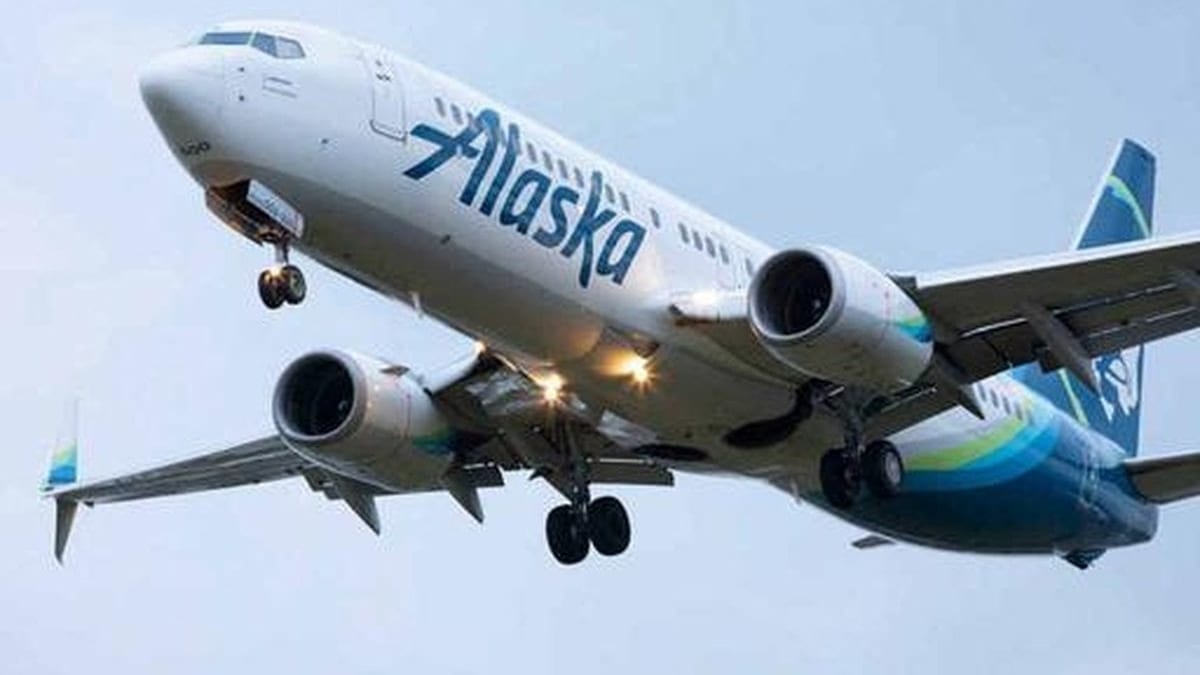
Weather Turbulence Brings Anchorage Operations Under Strain
Passengers traveling through Ted Stevens Anchorage International Airport in recent weeks have faced a mix of rolling delays and missed connections as winter weather and network congestion ripple across Alaska Airlines’ schedules. Industry data shows that Anchorage, a critical node for both in-state and transpacific traffic, has seen elevated delay rates during the second half of the winter season, with a combination of snow, low visibility and de-icing needs stretching airport and airline resources.
Publicly available performance statistics indicate that multiple Anchorage departures on Alaska Airlines and its regional partners have been subject to late departures and extended taxi times, particularly during peak morning and late-night bank periods. These delays have cascaded into missed connections for travelers heading to smaller Alaskan communities and to major hubs in the Pacific Northwest and Lower 48.
Alaska Air Group’s own corporate disclosures outline how persistent winter weather, ground handling constraints and air traffic control programs can combine to disrupt tightly timed schedules. The current pattern in Anchorage reflects those risks, amplifying frustration for residents who rely on air travel as a basic form of transportation rather than an occasional luxury.
For many travelers, the challenge is not only the delay itself but the lack of certainty about when operations will stabilize. As storm systems and cold snaps continue to move across the region, Anchorage remains vulnerable to further interruptions, putting continued pressure on airline operations and passenger confidence.
Downgrade Deepens Financial Questions Around Alaska Air Group
While travelers in Anchorage wrestle with disrupted itineraries, investors are digesting a more structural concern: Alaska Air Group’s weakened credit standing and mixed analyst sentiment. The company’s credit rating was knocked down to below investment grade in late 2024 after it moved to issue secured debt to refinance obligations tied to its acquisition of Hawaiian Airlines, according to coverage in national business media. The use of loyalty-program assets as collateral raised red flags for some analysts about balance-sheet flexibility.
More recently, research commentary has pointed to ongoing earnings pressure, with Alaska Air Group revising guidance lower following IT outages, higher fuel costs and softer revenue trends. Publicly available analyst updates compiled in early April 2026 show a patchwork of views, with at least one independent rating service shifting its stance between “sell” and “hold” in recent months, and major banks trimming price targets while retaining generally constructive recommendations.
These shifts underscore a broader concern that operational mishaps, such as technology failures and schedule disruptions, are feeding directly into the company’s financial outlook. In several instances over the past year, trading data shows Alaska Air Group shares selling off sharply after announcements of outages, profit cuts or increased borrowing, signaling waning tolerance among investors for negative surprises.
The downgrade and subsequent cautious commentary do not suggest an imminent crisis, but they do signal a higher cost of capital for the carrier just as it takes on integration work with Hawaiian and continues to modernize its fleet. For a network heavily dependent on weather-sensitive geographies and complex logistics, that combination raises the stakes for getting operations right.
Travelers Feel the Impact in Seats, Schedules and Service
The convergence of operational strain in Anchorage and financial scrutiny on Alaska Air Group is increasingly visible to front-line customers. Social media posts and traveler forums in recent months have documented experiences of lengthy delays, last-minute schedule changes and equipment swaps affecting both mainline and regional flights touching Anchorage and other key hubs.
Some of the sharpest complaints involve seating changes and involuntary downgrades on busy flights, episodes that can be particularly painful on long-haul routes connecting Alaska with the continental United States or Hawaii. While such events are not new to the airline industry, their frequency and the emotional tenor of traveler accounts have contributed to a perception that Alaska is struggling to deliver the reliable, customer-focused product that long differentiated it from larger rivals.
Irregular operations in Anchorage magnify these frustrations. When a late-arriving aircraft or weather hold triggers a cascade of rebookings, travelers often find that preferred seats or cabins disappear, and that compensation comes in the form of vouchers or mileage credits that may not fully reflect the disruption to complex, multi-leg journeys. Publicly posted experiences suggest that response quality varies considerably, with some customers reporting thoughtful follow-up and others describing minimal engagement.
The alignment between what travelers experience on the ground and what investors see in financial disclosures is becoming clearer. Each disrupted travel day, particularly in a hub as strategically important as Anchorage, can translate into higher costs, lost revenue and reputational damage that shows up later in earnings and analyst models.
Investor Confidence Tested by Operational and Strategic Risks
Investor reaction to these developments has been shaped by a broader backdrop of volatility in the airline sector. Over the last several quarters, market commentary has highlighted Alaska Air Group as a carrier with historically strong execution that is now facing an unusual cluster of challenges, from merger integration tasks to IT reliability and exposure to fuel-price spikes.
Several financial publications have noted that Alaska’s shares have swung sharply following guidance revisions and outage-related disruptions, at times underperforming broader airline indices. The credit downgrade and subsequent debt issuance have added another layer of complexity, raising questions about how much financial flexibility the company will retain if conditions worsen or if merger synergies arrive more slowly than anticipated.
Analyst models updated in late March and early April 2026 reflect cautious optimism, with consensus price targets still above recent trading levels but with tighter ranges and more detailed scenario analysis around fuel, labor and integration risks. Reports emphasize that sustained improvement in on-time performance and a reduction in high-profile disruptions will be critical to rebuilding both customer loyalty and market confidence.
For investors with longer time horizons, Alaska’s strong brand presence in the Pacific Northwest and its expanded network with Hawaiian Airlines remain potential advantages. However, the near-term narrative is dominated by the tension between those strategic strengths and a series of operational and financial setbacks that have yet to fully resolve.
What Anchorage Disruptions Signal for the Wider Network
The current period of flight delays in Anchorage offers a window into broader vulnerabilities across Alaska Air Group’s network. Anchorage is not only a gateway to remote communities but also a key link between Asia, Alaska and the Lower 48, meaning that disruptions there can reverberate through schedules in Seattle, Portland, California and Hawaii.
Recent North American winter storms have already demonstrated how quickly conditions in one region can cascade into nationwide travel disruption, with some weather systems in early 2026 triggering thousands of cancellations and a spike in delays across the United States. Within that context, Alaska’s concentration in weather-sensitive markets and reliance on tightly timed connections can amplify the impact of even modest operational setbacks.
Travel industry analyses note that airlines that manage to restore reliability and communicate clearly with passengers during such periods are often better positioned to defend pricing power and loyalty program engagement. For Alaska Air Group, the combination of Anchorage delays and heightened investor scrutiny may accelerate efforts to upgrade technology, refine contingency planning and revisit capacity decisions on key routes.
How effectively the company responds in the coming months will shape both the day-to-day experience of travelers passing through Anchorage and the willingness of investors to look past recent downgrades and disruptions. In an environment where patience is wearing thin on both sides, the margin for error is narrowing.