

More news on this day
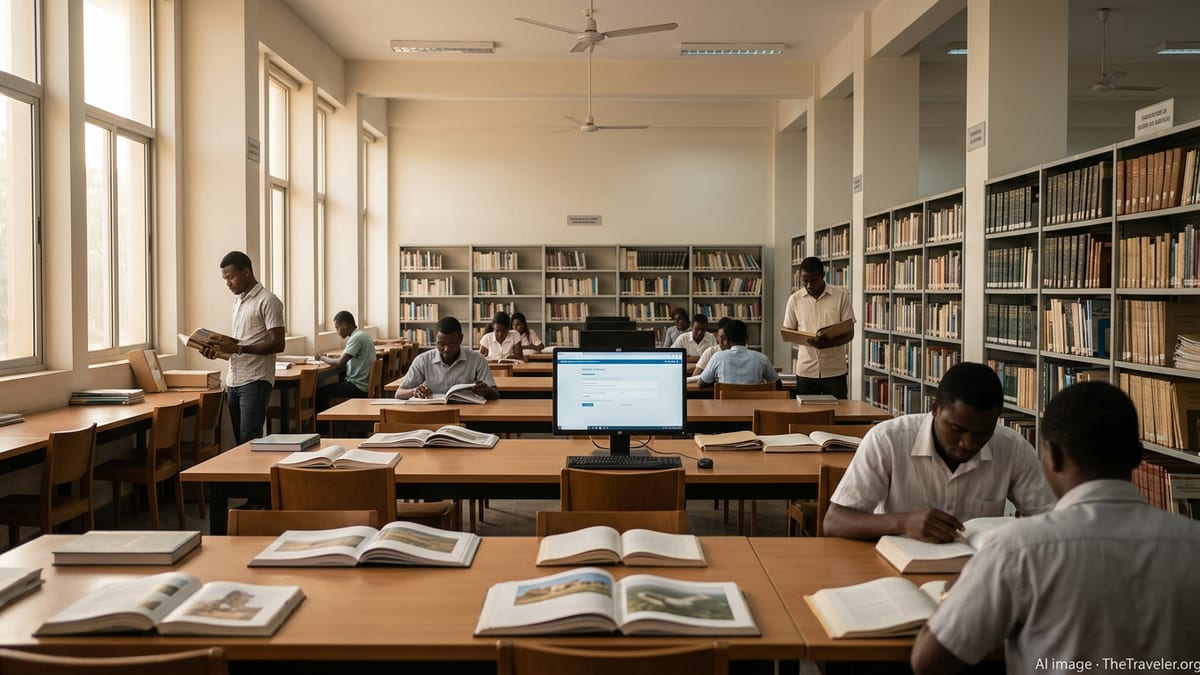
Angola has launched a new national bibliographic repository focused on its tourism history, creating a centralized digital hub for books, reports, maps and archival materials that document how the country has been promoted and experienced as a destination over time.
Get the latest news straight to your inbox!
A New Digital Home for Angola’s Tourism Memory
According to publicly available information from Angola’s culture and tourism sector, the new repository brings together previously scattered collections related to travel, hospitality and heritage promotion, ranging from colonial-era guidebooks to contemporary tourism strategies. It is described as a tool to safeguard fragile records and make them easier to access for researchers, students and tourism professionals.
The project aligns with Angola’s broader shift toward digital preservation of culture and tourism assets, which has included initiatives to document historic coastal towns, create virtual museum experiences and strengthen online tourism platforms. By systematizing tourism-related bibliographic records, the repository aims to ensure that knowledge generated over decades of nation-building and destination branding is not lost to time or poor physical storage conditions.
Publicly available coverage indicates that the repository is being developed in close connection with existing heritage institutions such as libraries, archives and museums, rather than as a stand-alone database. That integration is expected to allow catalogues, inventories and bibliographies from multiple institutions to be cross-referenced, giving users a more complete view of Angola’s tourism narrative.
What the Repository Contains and Who It Serves
Early descriptions of the initiative indicate that the bibliographic repository will prioritize materials that trace how Angola has been represented to domestic and international visitors. This includes tourism promotion campaigns, destination brochures, academic theses, conference papers and statistical yearbooks, as well as publications on cultural sites, national parks and community-based tourism projects.
The platform is expected to serve several audiences at once. Tourism students and researchers gain structured access to primary and secondary sources that were previously difficult to locate, while tour operators, marketers and destination managers can draw on historical material to design more informed products and campaigns. For public institutions, the repository creates a reference base to support policy design, from heritage conservation to regional tourism planning.
Reports indicate that the repository also has an educational dimension. By organizing documents thematically and chronologically, it can help Angolan schools and universities integrate tourism history into curricula that have traditionally focused more heavily on political or military milestones. The initiative is positioned as part of a broader effort to frame tourism not only as an economic activity, but also as an expression of cultural identity and historical memory.
Why Tourism History Matters for Angola’s Future
Angola has been promoting tourism as a strategic pillar of economic diversification and nation branding, with recent years seeing new domestic travel campaigns, regional tourism portals and efforts to spotlight heritage linked to the Atlantic slave trade and diaspora memory. In this context, a dedicated bibliographic repository serves as both an archive and a planning tool, helping policymakers understand what has worked in the past and where gaps remain.
Historical materials reveal how different regions and communities have appeared in tourism narratives, which attractions were prioritized, and how visitors’ expectations have evolved. By studying these trajectories, planners can avoid repeating earlier blind spots, such as underrepresentation of inland provinces, limited coverage of community-led initiatives or narrow emphasis on a small set of coastal landmarks.
The repository is also relevant for Angola’s efforts to connect tourism with cultural restitution, memory tourism and diaspora engagement. Documentation on museums, memorials, old trading posts and heritage landscapes feeds directly into new itineraries that aim to attract visitors interested in history, identity and reconciliation. In practical terms, preserving and indexing this knowledge strengthens the evidence base that underpins funding proposals, international partnerships and heritage nominations.
How Travelers and the Industry Can Use It
Although the new bibliographic repository is primarily aimed at researchers and institutions, it has indirect benefits for travelers and tourism businesses. Tour operators and travel writers can mine the indexed material for stories, archival photographs and historical context that enrich itineraries and interpretive content. This can help turn standard sightseeing circuits into deeper cultural experiences grounded in local narratives rather than generic descriptions.
Destination management organizations and regional tourism boards can use the repository to benchmark how their areas have been portrayed over time. By comparing earlier brochures, guides and studies with current realities on the ground, they can identify underused attractions, shifting visitor profiles and themes that resonate with specific markets, from ecotourism and adventure travel to literary and memorial tourism.
For independent travelers who value context, the repository’s existence signals a growing ecosystem of accessible knowledge about Angola. While most visitors will not consult catalogues directly, they benefit when local guides, museum teams and tourism entrepreneurs have richer source material at their disposal and can tell more nuanced stories about landscapes, monuments and communities.
Next Steps and Ongoing Challenges
Publicly available information suggests that the bibliographic repository will be expanded gradually as additional collections are inventoried and digitized. Priorities include cataloguing older printed materials that are at risk due to age or limited print runs, and integrating outputs from more recent tourism projects that may exist only as internal reports or digital files scattered across institutions.
Key challenges include ensuring stable funding for digitization, metadata standards and platform maintenance, as well as training staff to manage and update the database. Connectivity gaps in some provinces also raise questions about how regional archives and smaller tourist information centers will contribute to and benefit from the system.
Observers of Angola’s tourism sector note that the repository’s ultimate impact will depend on how actively it is used and referenced. If it becomes a routine resource for curriculum design, tourism product development, marketing and heritage policies, it could significantly influence how Angola presents itself to the world. As the country positions tourism as both an economic opportunity and a vector for cultural affirmation, the new bibliographic repository is emerging as a quiet but important piece of that strategy.