

More news on this day
Spring 2026 is turning into a live stress test for global travel, as a succession of blizzards, storms and heat records disrupt flights and rail services just as demand surges, exposing how poorly many travelers still factor weather into their plans.
Get the latest news straight to your inbox!
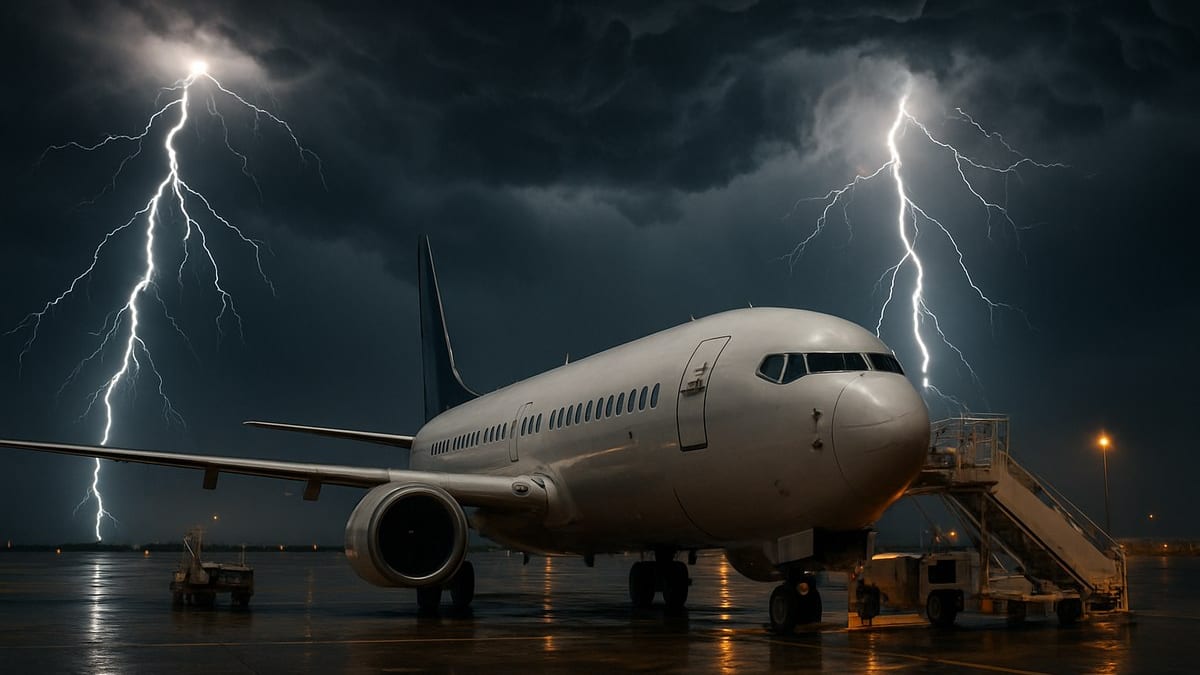
Stormy Start to 2026 Catches Passengers Off Guard
From North America to Europe and the Asia Pacific, early 2026 has delivered a string of high-impact weather events that collided directly with peak travel periods. In the United States, a sprawling January winter storm and a historic late February blizzard produced widespread cancellations, route closures and temporary travel bans across several states, according to publicly available summaries from meteorological agencies and news outlets. Aviation data compiled in those reports indicate that U.S. flight cancellations during the January event climbed to some of the highest levels seen since the pandemic era, with ripple effects lasting for days.
The pattern did not ease as the calendar turned to March. A powerful mid-March storm system brought blizzard conditions to parts of the Upper Midwest and High Plains, ice and high winds to the Great Lakes and power outages along sections of the East Coast. Flight-tracking figures cited in recent coverage show dozens of cancellations at Boston’s Logan International Airport alone, with additional delays registered at major hubs such as Dallas-Fort Worth as thunderstorms and crosswinds forced schedule adjustments.
Across the Atlantic, Europe’s transport networks faced their own early-year weather shocks. A series of winter storms in January led to grounded flights, disrupted rail services and hazardous road conditions in parts of France, Germany and Scandinavia, according to travel advisories and regional media reports. More recently, a cluster of severe weather systems at the turn of March and April has continued to disrupt operations at key European hubs, with one passenger rights platform reporting hundreds of affected flights at Frankfurt, Munich, Madrid, London Heathrow and Oslo in the first days of April.
In the Asia-Pacific region, April opened with heavy rains, flooding and at least one tropical cyclone affecting air travel and surface transport. Regional outlets have documented storm-related disruption in Fiji, Thailand and the Philippines, while aviation-focused coverage points to growing concerns about how overlapping hazards may challenge airlines and airports through the rest of the year.
April 2026: Live Lessons in Weather Risk
For travelers on the move this April, the disruption is no longer theoretical. In the United States, spring storms sweeping across the Midwest and East Coast in late March and early April have led to thousands of delays and cancellations at major hubs, according to publicly available flight-tracking data highlighted in recent travel industry coverage. Reports on April’s first full week describe mounting congestion from Atlanta and Chicago to New York, Dallas and Los Angeles as thunderstorms, strong winds and lingering snow showers forced repeated adjustments to already tight schedules.
Washington Dulles International Airport has offered a focused snapshot of this volatility. A succession of storm systems tracking through the Mid-Atlantic has triggered waves of weather-related delays and cancellations at the airport, affecting both domestic and long-haul routes. Public advisories show that airlines responded by extending travel waivers and flexible rebooking options for passengers connecting through Dulles and other East Coast airports over several storm windows stretching from late March into early April.
In Europe, early April has brought continued turbulence to a network that was already strained. Figures compiled by aviation and advisory platforms indicate that on 9 April alone, more than 1,600 flights were delayed and nearly 40 were cancelled across major European hubs, including London Heathrow and Gatwick. Travel-news analysis notes that some airports are still relying on infrastructure and staffing patterns designed for less volatile conditions, even as they are increasingly exposed to intense rain, strong winds and sudden temperature swings.
Asia-Pacific routes are also feeling the strain as April progresses. Coverage on regional aviation trends describes thousands of delays and a growing backlog of passengers as extreme weather interacts with geopolitical disruptions and airspace constraints. Flooding at certain island and coastal hubs has led to ground-handling slowdowns and temporary runway closures, while tropical storm activity has forced rerouting and last-minute timetable changes, underscoring how quickly localized conditions can cascade across wider networks.
Why Travelers Still Underestimate Weather Disruption
Despite the mounting evidence, surveys and behavioral research suggest that many travelers continue to underestimate how significantly weather can reshape their journeys. Consumer travel reports published over the past year indicate that a large share of passengers still treat severe weather as an occasional inconvenience rather than a central planning factor, often focusing more on ticket price and departure time than on seasonal risk profiles or route resilience.
Part of the gap stems from how complex the aviation system has become. Publicly available data from transportation regulators show that airlines attribute delays to multiple categories, including extreme weather, broader airspace and airport constraints, and factors within their own control. For passengers scanning a departure board, the distinction between a storm-linked flow restriction and a crew scheduling issue is rarely clear, and that ambiguity can make weather seem like just one of many interchangeable causes of disruption.
Climate signals, however, are pushing weather further into the foreground. Recent global analyses highlight record heat in multiple regions and a growing likelihood of stronger El Niño conditions later in 2026, which researchers link to more frequent and intense extreme weather episodes. Climate and aviation specialists writing in international forums have warned that without accelerated investment in resilient infrastructure and better forecasting tools, airports and airlines may face mounting costs and more frequent operational shocks.
Yet at the individual level, many trip-planning habits still reflect an era of more predictable seasons. Package tour marketing and route maps emphasize sunshine and scenery, while fine-print references to “weather-related disruption” remain easy to skim past. That mismatch helps explain why each new storm cycle seems to catch a fresh cohort of travelers by surprise, filling social feeds with images of crowded terminals and long customer-service lines.
From Flight Chaos to Practical Planning
The contrast between structural vulnerability and everyday expectations is particularly stark in 2026, when demand for international travel continues to climb. Industry projections cited in recent spring travel coverage show passenger volumes rising above 2025 levels on many routes, even as airlines grapple with staff shortages and fleets still being rebalanced after the pandemic. In such a tightly stretched system, even moderate weather can trigger outsized effects, amplifying the impact of more severe storms.
Forecasts for the upcoming Atlantic hurricane season illustrate what may lie ahead. Recent outlooks from meteorological and travel-industry sources predict between 11 and 16 named storms in the 2026 season, with several expected to reach hurricane strength and an elevated likelihood of impacts on parts of the United States and Caribbean. Analysts warn that such a scenario could bring not only direct airport closures and flight cancellations but also disruptions to cruise itineraries, ferry services and overland connections during key holiday periods.
Travel advisories and consumer guides are starting to respond with more explicit messaging. Winter storm briefings in Europe now routinely outline steps for passengers to take when flights are cancelled and trains are suspended, while some North American travel platforms share seasonal checklists that highlight the need to watch multi-day weather patterns along an entire route, not just at the departure city. These resources underline that flexibility, insurance coverage details and knowledge of passenger rights can make a significant difference when a storm hits.
For individual travelers, April 2026 offers a kind of global quiz on weather literacy. The scenes playing out at airports in North America, Europe and the Asia-Pacific region reveal that disruption is no longer confined to isolated “hundred-year” events but is becoming a recurring feature of the travel landscape. As climate volatility intensifies and networks strain to keep up, the travelers who treat weather as a central planning variable rather than background noise may be better positioned to navigate the rest of 2026 and beyond.