

More news on this day
A wave of brand exits and fresh hotel signings is reshaping the Arabian Gulf’s hospitality map, with at least three established names pulling back even as four newcomers prepare to enter or expand in the region ahead of the 2026–27 travel seasons.
Get the latest news straight to your inbox!
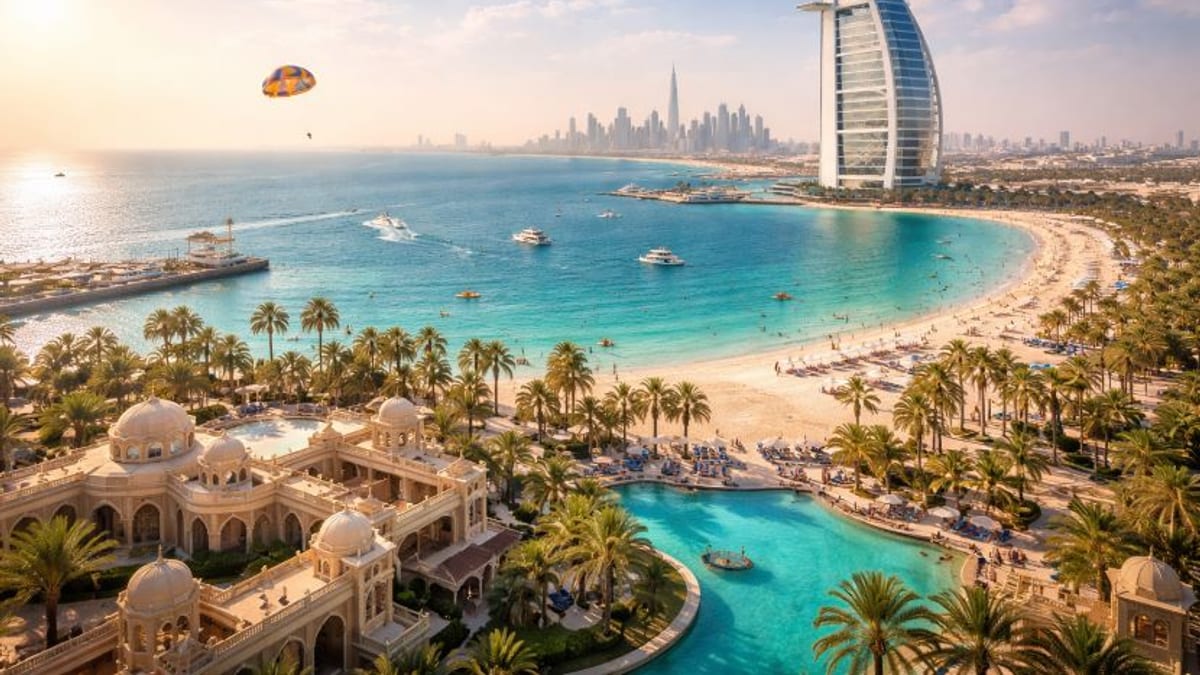
Image by Travel And Tour World
Brand Consolidation Signals the End of Some Gulf Experiments
Industry trackers and recent financial disclosures point to a phase of consolidation across Gulf Cooperation Council markets, particularly in secondary cities where performance has lagged headline destinations such as Dubai, Riyadh and Doha. Several midscale and upscale properties that entered under global flags in the late 2010s are quietly exiting their original brands as owners pivot toward management contracts promising stronger returns or shift to independent positioning.
Analysts following the region describe a pattern in which underperforming hotels, especially legacy business-focused towers, are the first to be reflagged or fully debranded. Reports from regional consultancy and brokerage firms highlight cases in Kuwait City, Manama and Sharjah where international badges have been removed ahead of refurbishment and relaunch under local or soft-brand concepts targeting leisure and extended-stay demand rather than pure corporate traffic.
Publicly available information from asset managers indicates that at least three international brands with modest portfolios in the Gulf have scaled back management exposure since 2024, exiting single-hotel arrangements or small clusters where renovation costs and evolving owner expectations outpaced fee income. While specific deals are often undisclosed, indications from transaction summaries suggest that older properties in congested downtown districts are most vulnerable to brand withdrawal.
This retrenchment is not being driven by a drop in visitor flows. Instead, it reflects rising pressure on global operators to prioritize large-scale, mixed-use projects and resort-led developments in destinations such as the Red Sea, NEOM and high-profile waterfront districts in Dubai and Doha. In that environment, isolated legacy hotels may no longer justify the development focus that brands want to deploy in the Gulf.
New Luxury and Lifestyle Flags Target Saudi Arabia’s Tourism Pivot
Against that backdrop, the pipeline of new brands planning openings in 2026 and 2027 continues to swell, with Saudi Arabia at the center of the shift. Government-linked master developments on the Red Sea coast and around Riyadh are drawing an array of global luxury and wellness players racing to open next-generation resorts and urban flagships.
Roundups of the 2026 Saudi luxury pipeline point to an expanding roster of names either debuting in the kingdom or scaling up existing footholds. Industry coverage frequently highlights wellness specialist Miraval at The Red Sea, new Oberoi and Four Seasons addresses near Riyadh and Jeddah, and additional entries from ultra-luxury brands such as Aman, Raffles and Rosewood in giga-projects including NEOM and Amaala. These properties are largely scheduled across the 2026–27 window, aiming to be trading ahead of major events and visitor targets tied to Vision 2030.
Hotel development bulletins also show multi-brand expansion by large groups in Saudi Arabia, with Hilton, Marriott and IHG all reporting pipelines that cross the 100-hotel mark when open and signed projects are combined. New concepts span everything from lifestyle select-service hotels in secondary cities to resort-led luxury on islands and desert escapes, underlining how operators are segmenting their growth strategy rather than relying on a single flagship in each market.
The arrival or expansion of at least four brand families, including wellness resorts, boutique luxury collections, eco-focused concepts and contemporary lifestyle flags, is expected to add thousands of keys across Saudi Arabia’s main tourism corridors by the end of 2027. For international travelers, this will translate into a wider range of price points and product types than the region has historically offered, particularly outside Riyadh and Jeddah.
UAE and Wider Gulf Markets Rebalance After a Building Boom
While Saudi Arabia draws much of the attention, the United Arab Emirates and neighboring Gulf states are also adjusting their hospitality mix heading into 2026 and 2027. Market reports from Dubai indicate that a surge of openings in 2024 and 2025, particularly in Business Bay and emerging waterfront districts, will taper in the following two years, with fewer but more targeted projects under development.
Developers in Dubai and Abu Dhabi are increasingly steering new inventory into integrated lifestyle areas such as island destinations and branded residence complexes. Branded residential studies show Abu Dhabi, for instance, recording strong growth in branded units aligned with luxury hotel operators on Saadiyat Island and Yas Island, reflecting investor appetite for mixed-use assets that combine hospitality with long-stay and ownership components.
Elsewhere in the Gulf, hospitality announcements signal an emphasis on differentiated product rather than pure key count. In Oman and Bahrain, new projects include eco-lodge style resorts and boutique hotels affiliated with soft brands, aiming to capture travelers seeking nature-driven or heritage-led itineraries. Qatar continues to refine its post-World Cup supply, with some properties repositioning under new identities while others lean more heavily into meetings and events business.
These shifts create space for new entrants with tightly defined propositions. Regional and European groups focused on resort, wellness and leisure-led offerings are capitalizing on locations that did not fully benefit from early waves of urban hotel construction, positioning themselves to meet demand from intra-GCC travelers and longer-stay international visitors.
What the 2026–27 Shakeup Means for Travelers
For travelers planning Arabian Gulf itineraries in 2026 and 2027, the headline impact of this brand rotation will be greater choice but also more variation in product quality under familiar names. As older hotels come off certain flags and reappear under new ones, guests may encounter significant differences between two properties carrying the same global badge, depending on whether they are legacy city hotels or freshly built resorts in giga-project zones.
The exit of three established brands from selected assets is also likely to create a small window of value opportunities. Repositioned or recently renovated hotels that drop a global name in favor of a regional or independent identity sometimes launch with competitive rates to build market share, particularly in secondary cities and emerging leisure enclaves.
At the same time, the entrance of four or more brand families focused on ultra-luxury, wellness and design-led experiences is expected to push nightly prices higher at the top end of the market, especially in high-profile destinations on the Red Sea and within master-planned coastal districts in the UAE. Travelers seeking those experiences may need to budget accordingly or look for shoulder-season stays.
Observers of the region note that by 2027 the Arabian Gulf will present a more layered hospitality scene, with global giants, niche international brands and homegrown concepts all competing within the same destinations. For visitors, the shakeup under way now means that hotel research, including a close look at opening dates and soft-launch periods, will be essential to matching expectations with the rapidly evolving on-the-ground reality.