

More news on this day
Dominican Republic discount carrier Arajet is joining the Amadeus travel technology ecosystem, positioning itself alongside heavyweights such as American Airlines, United, Frontier, Alaska and Air Canada in a move that signals a new phase in the battle for control of how flights are sold across the American aviation market.
Get the latest news straight to your inbox!
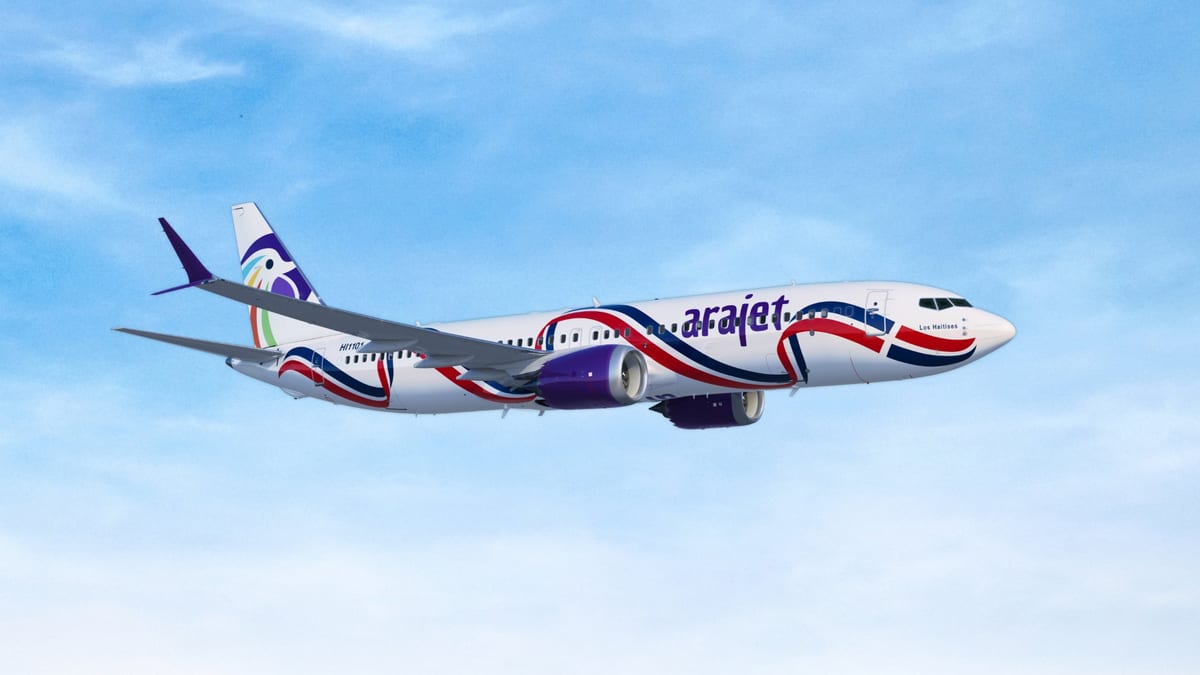
Image by Travel And Tour World
Arajet Targets US Growth Through Global Tech Muscle
Arajet, launched in 2022 as the Dominican Republic’s flag carrier and an ultra-low cost airline, has been steadily adding routes across North, Central and South America. Publicly available information shows that the carrier now serves more than 20 destinations from its Santo Domingo base, focusing heavily on price-sensitive leisure and visiting-friends-and-relatives traffic between the Caribbean and North America.
By aligning with Amadeus, one of the world’s largest travel technology and distribution providers, Arajet gains access to a powerful network of travel agencies and corporate travel buyers that still depend on global distribution systems for flight shopping and booking. Industry observers note that for a young airline, this kind of reach can compress the timeline for brand recognition and market penetration, particularly in the United States where competition for customer attention is intense.
The deal also reinforces Arajet’s ambition to become a pan-regional player rather than a purely point-to-point leisure carrier. As US competitors adjust capacity and networks in response to slowing domestic demand and shifting international trends, Arajet is positioning its low fares and new-generation Boeing 737 Max fleet as an alternative for travelers seeking cheaper connections between US cities and secondary markets in the Caribbean and Latin America.
Reports indicate that Arajet’s growing presence at US airports such as Miami and Orlando is already reshaping route dynamics on some leisure corridors. Plugging those flights into Amadeus-powered search and booking tools is expected to amplify that effect by placing the carrier side by side with more familiar North American brands on the screens of travel advisors and online sellers.
Amadeus Deepens Its North American Airline Bench
Amadeus, headquartered in Spain, has long been a central player in airline distribution, but the latest wave of agreements is sharpening its role in the North American market. Publicly available documentation shows that major US and Canadian carriers including American Airlines, United Airlines, Alaska Airlines, Frontier Airlines and Air Canada already distribute significant portions of their content and ancillary products through Amadeus channels.
These airlines have been working with Amadeus on so called New Distribution Capability, or NDC, a technology standard promoted by the International Air Transport Association to deliver richer, more dynamic offers to travel sellers. Industry trade coverage indicates that American and United, in particular, have signed multi year deals aimed at expanding NDC enabled fares and bundles through Amadeus, allowing them to push tailored offers that may differ from what appears in legacy booking systems.
Frontier and Alaska, both with strong leisure and domestic footprints, are also building out their NDC strategies, relying on Amadeus not only for traditional global distribution access but also for next generation merchandising tools. Air Canada has promoted its own NDC program with the Amadeus Travel Platform as a key access channel, especially for agencies and corporate programs that want full visibility into branded fares, paid seats and other ancillaries.
With Arajet now joining this roster, Amadeus is effectively deepening a coalition of North and Latin American airlines that see distribution technology as a competitive differentiator. For travel sellers and travelers, the immediate result is a growing volume of airline specific content flowing through a single, integrated platform.
Distribution Power Play Reshapes How Americans Buy Flights
The entry of Arajet into the Amadeus ecosystem coincides with a broader power shift in airline distribution across the Americas. Over the past few years, US majors have increasingly blended direct sales strategies with revamped global distribution agreements, creating a complex mix of channels in which price, product visibility and access to ancillaries can vary depending on how and where a ticket is purchased.
American Airlines, for example, reworked its approach to NDC after initial friction with parts of the agency community, and has gradually restored more content to traditional displays while still emphasizing modern, offer based retailing. United likewise has been pushing dynamic offers through NDC pathways that sit on top of or alongside legacy reservation systems, including those operated by Amadeus.
This environment has encouraged smaller and newer airlines to think more tactically about where they place their content. Instead of seeing global distribution systems purely as cost centers, carriers such as Arajet are treating them as strategic amplifiers that can place low fares and new routes in front of a global audience of intermediaries. The potential upside is especially significant in secondary US markets where travelers may not yet recognize the brand but will notice a price difference.
For consumers, the effect is a more fragmented but potentially more competitive shopping experience. Flight options presented in a corporate booking tool or a traditional agency desktop may increasingly reflect airlines’ individual merchandising strategies within platforms like Amadeus, rather than a simple side by side fare comparison based solely on schedule and price.
Implications for US Travel Agencies and Tourism Flows
Travel agencies and corporate travel managers sit at the center of this reshaped landscape. As more airlines push NDC content through Amadeus, agencies must invest in updated booking tools and workflows to fully access the richest offers, including exclusive bundles, seat selections and flexible fare families that might not appear in older displays.
Industry briefings suggest that many agencies prefer to consume NDC content through established global distribution systems rather than separate airline direct connections, because it allows them to preserve back office, reporting and duty of care processes. Arajet’s availability through Amadeus aligns with that preference and could make it easier for agencies to propose the carrier for corporate and group travel when cost savings justify a switch from more established competitors.
Tourism boards and destination marketers across the Caribbean and Latin America are also watching the trend closely. Low cost connectivity between US gateways and regional hubs has proven to be a key driver of visitor growth, particularly for destinations aiming to capture budget conscious travelers and diaspora traffic. If Arajet’s distribution expansion results in higher load factors and sustained route performance, it could encourage additional frequencies or new city pairs linking US cities with secondary airports in the Dominican Republic and beyond.
At the same time, the intensifying competition may put pressure on airlines that are slower to adapt their distribution strategies. Carriers that do not fully embrace NDC or that limit their participation in multi airline platforms risk losing visibility on comparative shopping screens, especially in markets where price sensitivity is high and brand loyalty is weak.
A New Phase in the Americas Aviation Chessboard
The convergence of Arajet’s growth ambitions, Amadeus’ long term partnerships with major North American carriers and the acceleration of NDC adoption is ushering in a new phase for aviation across the Americas. Distribution strategy is becoming as central to competition as fleet choices or loyalty programs, with technology contracts now shaping who appears where in the digital storefronts that influence most ticket purchases.
For US travelers, the near term changes may manifest most clearly in the appearance of new, lower priced options on certain routes to and from the Caribbean and Latin America, as Arajet’s flights join familiar names in Amadeus powered search results. For the industry, the move underscores how even relatively small airlines can leverage global technology alliances to punch above their weight in crowded markets.
Looking ahead, further tie ups between airlines and distribution providers are expected as both sides seek more sophisticated ways to manage content, pricing and personalization. The latest Arajet Amadeus alignment suggests that the competitive map of the Americas is far from settled, and that the most impactful shifts may happen not just in the skies but deep inside the systems that decide which flights travelers see first.