

More news on this day
An unforgiving blast of Arctic air is surging across the United States in early February, gripping cities from Boston and New York to Chicago, Detroit, Pittsburgh and Albany in a deep freeze that forecasters describe as the harshest of the winter.
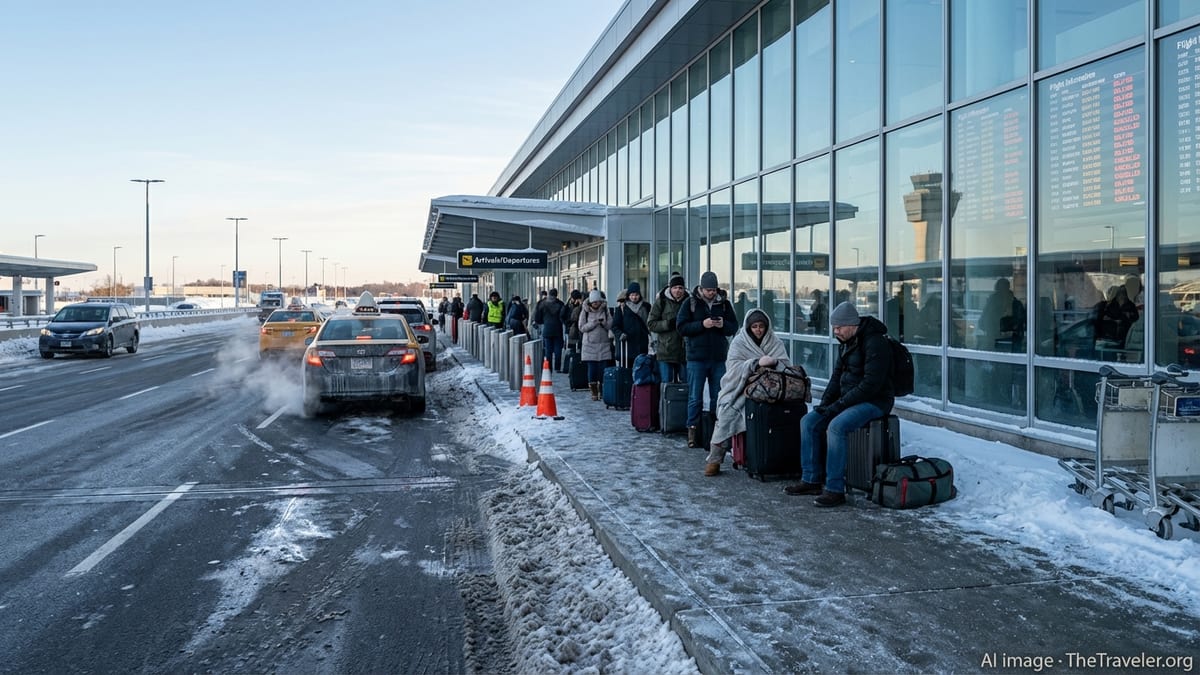
The polar outbreak arrives on the heels of back-to-back winter storms and a powerful bomb cyclone, compounding disruption for airlines, hotels, tour operators and attractions just as the travel sector hoped for a steady post‑holiday rebound.
With temperatures plunging well below seasonal norms, dangerous wind chills, white‑knuckle road conditions and widespread transport chaos, the American tourism industry is discovering how quickly a cold snap can melt demand.
More News
- Caribbean Travel to U.S. Upended by New Visa Freezes and Expanded Bans
- Mexico Restores E-Visas for Brazilians, Paving the Way for Borderless Tourism
- Philippine Airlines Joins Regional Carriers Powering Southeast Asia’s Tourism Boom
Arctic blast locks major U.S. cities in a deep freeze
The latest Arctic outbreak is hitting an already winter-weary nation. Boston, New York City, Chicago, Detroit, Pittsburgh and Albany are among the urban centers bracing for days of subfreezing temperatures and brutal wind chills as polar air spills south from Canada. Meteorologists warn that the combination of single‑digit lows and brisk winds could push perceived temperatures into the negative teens and 20s Fahrenheit in parts of New England and the Midwest this coming weekend.
In Boston, forecasters expect the coldest spell of the season, with wind chills rivaling some of the fiercest outbreaks of the last decade. Similar alerts are in effect along the Interstate 95 corridor, including New York City and Philadelphia, where life‑threatening cold is set to follow a fast‑moving clipper system bringing light snow and blowing squalls. Across the interior Northeast, including Albany and the upper Hudson Valley, deep‑freeze conditions may linger into early next week, extending what has already been an unusually long run of below‑freezing days.
The latest cold surge arrives just after a series of major winter systems. A sprawling January winter storm delivered more than 20 inches of snow to parts of Massachusetts and blanketed much of the eastern half of the country, while a North American bomb cyclone at the start of February hammered the Carolinas and sent Arctic air racing toward New England. The cumulative effect is a winter pattern dominated by one disruptive event after another, leaving little time for infrastructure or businesses to recover before the next shock hits.
Air travel unravels as airlines battle ice, wind and crew chaos
Few sectors feel the impact of an Arctic blast as quickly and as visibly as commercial aviation. As the cold settled in over the second half of January, more than 14,000 flights were canceled nationwide in just several days, according to industry and weather tallies. One day in late January ranked among the worst weather‑driven air travel days in U.S. history, with more than 10,000 cancellations as winter storms snarled operations from Texas to the Northeast.
The latest polar plunge is prolonging the strain. At key hubs that funnel tourist traffic across the country, including Chicago O’Hare and New York’s major airports, airlines are again trimming schedules and issuing flexible rebooking policies. Extreme cold complicates aircraft de‑icing, slows ground crews, and forces carriers to build in wider buffers between flights. When storms or Arctic air disrupt operations for several days in a row, aircraft and crews can end up in the wrong cities, magnifying delays even after skies clear.
For leisure travelers, the timing is particularly painful. Many Americans use late January and early February for ski trips, city breaks and long weekend getaways that bridge the gap between the December holidays and spring. Instead of a midwinter escape, thousands have found themselves sleeping on terminal floors, racing to rebook itineraries, or canceling trips altogether. Travel advisers report a surge in last‑minute changes, with some clients abandoning plans to visit the cold‑stricken Northeast in favor of destinations with more stable weather, even in the South where the recent bomb cyclone sent temperatures plunging.
Roads, rails and city streets turn hostile to visitors
The Arctic blast is not confined to airport tarmacs. Road travel across large stretches of the Midwest and Northeast has been hazardous for days, with state authorities repeatedly urging residents and visitors to avoid nonessential trips. In and around Boston, New York, Chicago and Detroit, rolling waves of snow, ice and intense cold have produced treacherous conditions on highways and city streets, slowing or halting movement for tourists and locals alike.
Public transit systems, which many visitors rely on to reach museums, theaters and waterfront districts, are also under strain. Extreme cold can cause mechanical failures in rail systems, delay subway and commuter lines, and complicate bus operations. In some cities, shortened service hours and route suspensions have effectively shrunk accessible visitor zones, especially at night when temperatures drop and frostbite risks rise.
Even where roads are technically open, the experience can be punishing. Visitors hoping to stroll Central Park, wander Boston’s Freedom Trail or take in waterfront views along Chicago’s lakefront are facing face‑numbing wind gusts and icy walkways. Many are cutting excursions short or staying indoors entirely. Tour guides in several Northeast cities report groups canceling walking tours outright, while hop‑on, hop‑off sightseeing buses circulate with far fewer passengers than usual for this time of year.
Hotels, attractions and ski resorts see demand freeze
Across the tourism landscape, the economic toll of the cold snap is becoming clearer. City hotels that normally benefit when snow creates postcard‑perfect winter scenes are now contending with broader weather anxiety. Repeated headlines about dangerous wind chills and travel chaos are prompting would‑be guests to postpone or scrap reservations in Boston, New York, Chicago and other urban centers in the polar blast’s path.
Resorts and attractions in traditional winter playgrounds are feeling a different kind of squeeze. While ski mountains in New England and the Rockies depend on cold conditions to preserve snowpack, they also need safe roads and reliable air links to draw visitors. With state and local agencies warning against nonessential travel on icy highways, many avid skiers and snowboarders are choosing to sit out this stretch of weather. Some resorts report reduced lift ticket sales and lower midweek occupancy, even as trail conditions themselves remain strong.
Urban cultural institutions are likewise affected. Museums, theaters, concert venues and indoor attractions typically see a boost when temperatures tumble, offering a warm refuge for tourists. This year, however, the severity and duration of the cold spell mean fewer people are venturing out at all, especially families with young children and older travelers. Operators say that while locals might still brave a short trip across town, out‑of‑state visitors are far more likely to cancel when their arrival and departure are uncertain.
Why this cold snap is so disruptive to U.S. travel
While extreme winter events are not new, the particular dynamics of this season help explain why tourism is being hit so hard. In late January, a vast winter storm system stretched from the Mexican border to central Canada, coating more than half of the contiguous United States in snow and ice and placing roughly 300 million people under some form of winter weather alert. Power outages climbed into the hundreds of thousands, with the South and lower Mississippi Valley especially affected, even as snow piled up across the Northeast.
Hot on its heels, a powerful bomb cyclone rapidly intensified off the East Coast at the start of February, hammering the Carolinas and spreading dangerous cold across much of the eastern seaboard. At the same time, global climate monitoring agencies reported that a distorted polar vortex and a wavier jet stream were allowing frigid Arctic air to plunge into mid‑latitude regions, priming the atmosphere for repeated cold waves and winter storms over North America.
For the travel sector, this means not just one bad weekend but a rolling sequence of shocks. Airports, highways, and hotels have had little breathing room to return to normal operations between systems. Each burst of Arctic air and snow resets the clock on recovery. The persistence of the pattern is also undermining traveler confidence, leading some to postpone discretionary trips for weeks rather than trying to thread the needle between storms.
How the tourism industry is adapting to a colder reality
Even as the current Arctic blast steals headlines, tourism leaders are scrambling to adapt to a winter climate that is becoming both more volatile and harder to predict. Airlines are investing in more flexible scheduling tools and dynamic rebooking systems, aiming to move passengers more quickly when storms force cancellations. Some carriers are shifting capacity away from cold‑exposed hubs when prolonged Arctic outbreaks are forecast, in hopes of preventing the kind of nationwide cascading failures seen in late January.
At the destination level, city tourism boards and state travel offices are working to reframe winter visitation. In Boston and New York, for example, campaigns emphasize indoor experiences, from world‑class museums and galleries to food halls and theater districts, trying to salvage visitor spending even when outdoor attractions are off limits. Hotels are rolling out short‑notice cancellation policies and weather guarantees, betting that flexibility will encourage bookings in a season of uncertainty.
Some ski and mountain destinations, meanwhile, are rethinking how they communicate with guests. Instead of focusing solely on snow depth and fresh powder, resorts are providing more detailed information about road conditions, shuttle services and alternative travel options, including rail connections that may be more reliable during icy periods. The goal is to reassure potential visitors that, as soon as conditions are safe, the welcome mat will still be out.
What travelers should know before they head into the freeze
For travelers determined to press ahead with winter trips in the coming days, preparation and flexibility are critical. Forecasters expect Arctic air to maintain its grip on the Midwest and Northeast into at least early next week, meaning additional flight disruptions and weather advisories are likely. Anyone planning to fly into or through hubs such as Boston, New York, Chicago or Detroit should monitor their airline’s alerts closely and be ready to adjust departure times or routings if a new storm or renewed blast of cold emerges.
On the ground, visitors should build contingency time into itineraries, especially if driving between cities or up to ski areas. Road crews across the affected states have become adept at clearing major highways quickly, but periods of whiteout conditions, black ice and sudden temperature drops can still catch even experienced drivers off guard. Travelers are wise to avoid tight same‑day connections between long drives and flights or ticketed events.
Accommodation strategies also matter. With conditions changing quickly, booking stays with flexible change or cancellation terms can help travelers pivot without incurring heavy penalties. Those visiting extremely cold cities may find it worthwhile to stay closer to transit hubs or downtown cores, even at a modest price premium, in order to minimize outdoor exposure during the coldest mornings and evenings.
FAQ
Q1. How severe is the current Arctic blast affecting U.S. cities like Boston and New York?
The ongoing Arctic outbreak is delivering the coldest conditions of the season for many locations in the Midwest and Northeast, with actual temperatures in the single digits or teens Fahrenheit and wind chills well below zero. In some areas, perceived temperatures may reach the negative teens or 20s, which can pose a risk of frostbite on exposed skin in a short period of time.
Q2. Which parts of the American tourism sector are being hit the hardest by this cold snap?
The most immediate impacts are on airlines, airports and ground transportation, where cancellations and delays have upended travel plans nationwide. Urban hotels, ski resorts, tour operators, cultural institutions and restaurants in affected regions are also seeing reduced visitor numbers, shorter stays and more last‑minute cancellations.
Q3. Why do Arctic blasts cause so many flight cancellations?
Extreme cold and winter storms disrupt aviation by complicating aircraft de‑icing, slowing baggage and ground operations, and reducing visibility on runways. When storms last several days or hit multiple hubs, aircraft and crews can be left in the wrong locations. To prevent passengers and planes from becoming stranded, airlines often cancel flights proactively, which can ripple through their networks for days.
Q4. Are ski resorts benefiting from the cold weather, or are they losing visitors too?
While low temperatures help preserve snow and can improve skiing and snowboarding conditions, the severity of this cold snap and the hazardous roads leading to many resorts are deterring visitors. Some ski areas are reporting softer midweek demand and increased no‑shows as travelers decide that the risk and discomfort of getting there outweigh the appeal of fresh snow.
Q5. Is climate change making these kinds of cold snaps more or less likely?
On average, winters are warming and extreme cold events have become less frequent globally since the mid‑20th century. However, scientists note that disruptions to the polar vortex and a wavier jet stream can still produce intense regional cold spells, as seen this year. In other words, a warming climate does not eliminate the risk of severe winter outbreaks, and may in some cases be linked to more volatile weather patterns.
Q6. How long is this particular deep freeze expected to last?
Forecasts suggest that the current Arctic air mass will keep much of the Midwest and Northeast colder than normal into at least early next week. Some outlooks point to a modest pattern shift by mid‑February, when temperatures may trend closer to or slightly above seasonal averages, though periods of snow and additional storms remain possible.
Q7. What can travelers do to protect their plans during an Arctic blast?
Travelers should monitor weather updates frequently, enroll in airline and rail alerts, and favor tickets and hotel bookings that allow date changes without heavy penalties. Building extra time into connections, avoiding the last flight of the day on vulnerable routes, and having backup plans for key activities can all reduce the stress of a fast‑changing winter situation.
Q8. Are tourism boards and cities doing anything to support visitors during the freeze?
Many city and state tourism agencies are emphasizing indoor cultural and culinary experiences, highlighting museums, galleries, theaters and dining districts that remain accessible in bitter cold. Some are also coordinating with local transit agencies and visitor centers to provide updated information on service changes, safe walking routes and warm‑up locations in downtown areas.
Q9. How are hotels responding to the surge in weather‑related cancellations?
Hotels in cold‑affected cities and resort areas are increasingly offering flexible cancellation or modification policies during severe weather alerts, hoping to retain guests who might otherwise cancel outright. Some properties are creating bundled winter offers that include late check‑outs, dining credits or tickets to indoor attractions to encourage visitors to rebook rather than abandon their trips.
Q10. Should travelers consider avoiding the Midwest and Northeast entirely until conditions improve?
Whether to delay or reroute a trip is a personal decision that depends on risk tolerance, schedule flexibility and the purpose of travel. For those with nonessential leisure plans, postponing a visit by a week or two may provide a more comfortable and reliable experience. Travelers who must go now can still visit safely by preparing for extreme cold, allowing extra time for transport, and focusing on indoor activities less vulnerable to disruption.