

More news on this day
Travelers flying in and out of New York City on Sunday, March 29, are encountering generally long but fluctuating security lines at LaGuardia, John F. Kennedy and Newark Liberty, according to live passenger reports and publicly available airport information.
Get the latest news straight to your inbox!
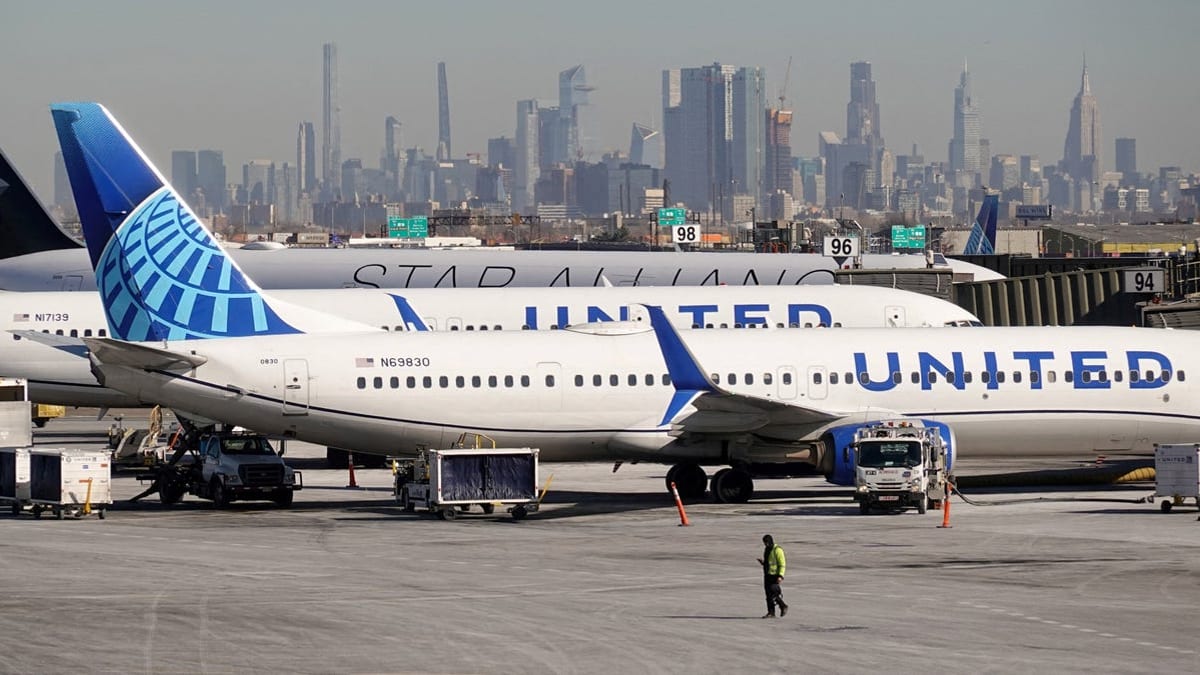
Image by Bergen Record
LaGuardia: Crowded Terminals and Mismatched Posted Waits
At LaGuardia Airport, recent passenger reports point to some of the longest security lines in the region this morning, particularly at Terminal B. Multiple travelers describe standard TSA lines stretching far back into the terminal, with waits of about an hour or slightly longer during the early morning rush.
Several accounts indicate a gap between what on-site or online wait-time boards show and the experience on the ground. Monitors reportedly list waits in the 10 to 15 minute range once passengers reach the formal security zone, but those estimates do not include an additional queue that forms before that checkpoint area. As a result, the true door-to-checkpoint journey can be three or four times longer than the advertised figure.
PreCheck appears to be easing the worst of the congestion. Travelers with PreCheck at LaGuardia this morning report clearing security in roughly 20 to 30 minutes, compared with more than an hour for the standard line at similar times. Even so, some describe conditions as crowded and fast-moving rather than truly short, suggesting that anyone without expedited screening should arrive earlier than usual.
The travel backdrop at LaGuardia remains tense after a fatal ground collision last weekend that temporarily reduced runway capacity. While the affected runway has since reopened and overall operations are stabilizing, recent national staffing strains for the Transportation Security Administration mean the airport’s security checkpoints remain under pressure during peak periods.
JFK: Terminal-by-Terminal Differences Shape Today’s Experience
At John F. Kennedy International Airport, security wait times on March 29 are varying sharply by terminal and time of day. Early-morning travelers at Terminals 4, 5 and 8 report a mix of moderate and lengthy lines, with some accounts citing roughly 30 to 60 minutes from joining the queue to clearing the checkpoint during the pre-dawn and morning bank of departures.
As at LaGuardia, some travelers note that JFK’s own posted estimates occasionally understate the actual time it takes to clear security. Passengers using Terminal 5 during the 5 a.m. to 7 a.m. window mention airport dashboards listing single-digit minute waits, while their real experience approaches half an hour or more. The discrepancy often stems from the same issue seen at LaGuardia: the airport’s sensors measure the final stretch of the line, not the overflow that builds outside that zone during surges.
JFK’s PreCheck and CLEAR lanes appear to be performing somewhat better, though they are not immune to the morning rush. Several recent travelers describe clearing PreCheck in around 5 to 15 minutes in some terminals, while others report closer to 30 minutes during the busiest periods. Standard screening queues, by contrast, stretch significantly longer when multiple wide-body international departures are scheduled close together.
For midday and afternoon travelers, early indicators suggest a modest easing in lines compared with the early-morning peak, but crowds can still build quickly around large bank departures. Industry and passenger commentary continue to highlight the value of arriving at least two to three hours before domestic flights and three to four hours before long-haul international departures at JFK, particularly when checking bags or traveling with families.
Newark Liberty: Moderate Lines but Sensitive to Spikes
Across the Hudson River at Newark Liberty International Airport, early reports for Sunday point to more moderate TSA waits compared with the heaviest conditions in Queens, though the picture can change quickly by terminal. Recent traveler updates from Terminals A, B and C suggest that during some late-morning and midday periods, standard lines may clear in 20 to 40 minutes, with shorter waits in PreCheck lanes.
Newark has experienced its own operational strains in recent days. Earlier in the week, a brief evacuation of the air traffic control tower due to a reported burning smell led to a short pause in arrivals and departures before normal operations resumed. While that event was unrelated to security screening, it contributed to general congestion and highlighted the sensitivity of the airport to any staffing or infrastructure disruption.
In recent days, some passengers have reported relatively smooth security experiences at Newark, arriving about two hours before departure and clearing TSA with time to spare. Others, especially those traveling during early-morning waves at Terminal C, have noted waits pushing toward 40 minutes as lines build ahead of clustered bank departures on major carriers.
Newark’s security performance also intersects with the broader national context of TSA staffing challenges linked to the ongoing federal budget standoff. Public reporting on the shutdown’s impact has emphasized that while some airports have seen extreme lines, others, including Newark on many days, have managed to keep waits in a manageable range by adjusting staffing and lane configurations.
National TSA Strains Shape New York’s Airport Experience
The security lines at New York’s three major airports are unfolding against the backdrop of a federal government funding impasse that has pressured TSA staffing levels nationwide. Public data and recent coverage note that hundreds of security officers have left their posts since the shutdown began, contributing to intermittent checkpoint closures and extended waits at busy hubs.
According to recent analyses of the shutdown’s effects, some airports outside New York have recorded waits approaching several hours during peak periods when multiple checkpoints were closed. Those extreme examples are not being widely reported at LaGuardia, JFK or Newark today, but they illustrate the fragility of security operations when staffing is stretched and passenger volume remains high.
In response, federal agencies have turned to temporary measures such as reassigning personnel and, in some cases, drawing on staff from other branches of government to help manage non-screening tasks. Publicly available statements emphasize that formal screening procedures for passengers remain unchanged, but the number of open security lanes at any moment can vary significantly depending on staffing and time of day.
For New York area travelers, the national picture means that the experience at the checkpoint can change rapidly, even within a single morning. An airport that posts short waits at 5 a.m. may be struggling with much longer queues by 7 a.m. if additional lanes are not fully staffed or if an unexpected incident diverts resources.
What Today’s Travelers Should Expect and How to Prepare
For those flying today, the emerging pattern across LaGuardia, JFK and Newark is one of busy but mostly functional checkpoints, with notable pain points at LaGuardia’s Terminal B and some JFK terminals during early-morning peaks. Standard TSA lines of 40 to 70 minutes are being reported during the busiest windows, while PreCheck and other expedited lanes tend to run shorter but are not entirely free of delays.
Because official wait-time displays and third-party dashboards may not capture the full length of the line during surges, travelers are increasingly relying on crowd-sourced updates to gauge conditions. Posts this morning from passengers at all three airports emphasize the importance of building in extra time beyond what any app or airport screen suggests, particularly when traveling with children, checking bags or connecting to international flights.
For departures later today, the relative calm in the local weather forecast removes one common factor that can exacerbate checkpoint congestion. With no major storms affecting the New York region on March 29, the primary drivers of security waits are volume, staffing and the lingering effects of recent operational disruptions rather than weather-related delays rippling through the system.
As the day progresses, travelers can expect lines to ebb and flow with each wave of departures. Early evidence suggests that arriving well ahead of schedule remains the best buffer against surprise queues. For now, flyers passing through New York’s major airports should prepare for long but generally moving TSA lines, especially at LaGuardia and JFK in the morning hours, while keeping an eye out for updated information as the travel day unfolds.