

More news on this day
After weeks of headline-making backups linked to the ongoing Department of Homeland Security funding stalemate, security wait times at Newark Liberty, John F. Kennedy and LaGuardia airports on April 7 appear shorter and more manageable than the multi-hour lines seen in mid-March, though conditions remain highly variable by terminal and time of day.
Get the latest news straight to your inbox!
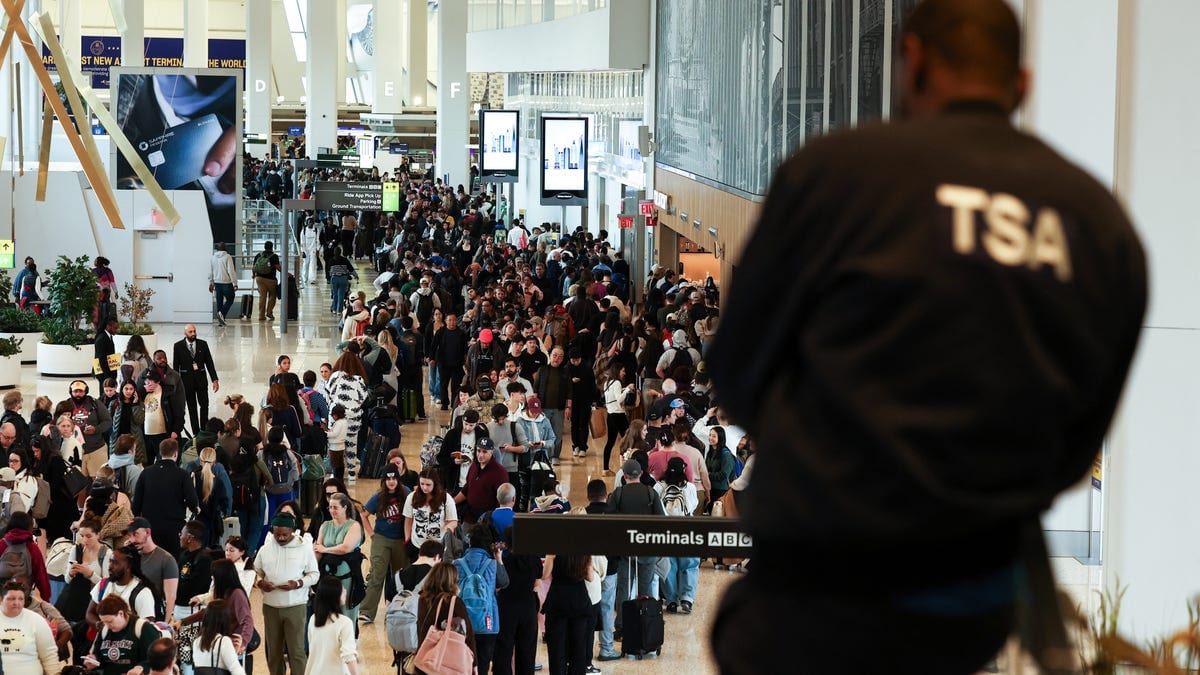
Newark Liberty: Shorter Lines but a Moving Target
Recent reporting indicates that security lines at Newark Liberty International Airport have improved significantly from the worst of March’s disruptions, when some travelers reported waiting two to four hours at the height of the staffing crunch. As of April 7, publicly available wait-time snapshots point to general screening ranging from virtually no line in some Terminal A checkpoints to roughly 20 minutes at busier gates in Terminals B and C, with many passengers clearing security in under half an hour.
Coverage focused on Newark notes that the airport temporarily pulled detailed wait-time displays from its own website in late March because conditions were changing too quickly to present a stable forecast. Since then, partial data feeds have resumed, supplemented by airline apps and third-party trackers that draw on TSA and airport sources. These show a pattern of relatively smooth throughput during much of the day, but with occasional spikes that can still catch travelers off guard.
In the past week, travel-industry outlets have highlighted Newark as something of a bright spot compared with earlier spring break chaos. One recent analysis described passengers “breezing through” in a fraction of the 45 minutes or more often associated with peak-hour screening at large hubs, citing typical waits of 5 to 25 minutes at most checkpoints. That matches a stream of first-hand accounts from Terminal C, where travelers using programs such as TSA PreCheck or Clear have reported clearing both bag drop and security in under 20 minutes during morning bank departures.
Despite the improvement, the underlying pressures from the DHS shutdown and evolving staffing patterns mean the situation can still flip quickly on busy mornings and evenings. Local flyers are being urged by airlines and airport advisories to continue arriving earlier than they might have in past springs, particularly if they are traveling with checked baggage or do not have access to expedited screening lanes.
JFK: Moderate Waits Replace March’s Long Queues
At John F. Kennedy International Airport, the picture today is one of moderate, more familiar wait times rather than the extreme congestion that defined much of March. A combination of airport-provided dashboards, airline trackers and independent aggregators now generally shows waits in the range of 20 to 30 minutes at many terminals during daytime hours, with some variation between morning and evening peaks.
Recent coverage in national and travel media points to a noticeable step-down in delays at JFK over the past several days. One widely cited roundup of national security wait times reported that lines at JFK had eased from hour-plus queues to windows closer to half an hour or less at most checkpoints. Separate consumer reporting on U.S. airport security trends echoes that assessment, emphasizing that while the system is not entirely back to pre-shutdown norms, the worst bottlenecks have largely receded for now.
Passenger reports from terminals such as 4 and 8 support this mixed but generally improving picture. Travelers without PreCheck in those terminals have recently described total waits of around an hour to reach the final screening belt during busier morning departure banks, compared with the two to three hours that some faced in mid-March. Meanwhile, fliers with PreCheck are more commonly citing experiences in the 20- to 50-minute range, with actual times sometimes exceeding the more optimistic estimates shown on airport monitors.
Given JFK’s status as a major international hub, analysts note that the airport remains especially sensitive to time-of-day surges, airline consolidation by terminal and the knock-on effects of late-arriving crews. Even with improved averages, this leaves room for brief but sharp flare-ups in security congestion, particularly in early morning departure waves and late-evening long-haul banks when multiple widebody flights are funneled through the same checkpoints.
LaGuardia: Volatile but Trending Shorter
LaGuardia Airport continues to be the most unpredictable of the three major New York–area gateways, although anecdotal and aggregated data suggest that wait times today are generally lower than during the most troubling stretches of the past month. Recent traveler accounts from Terminal B show a wide range of experiences, from virtually walking through security in about five minutes during late-morning lulls to facing lines approaching two hours at busier afternoon and evening periods.
In late March, some passengers at LaGuardia described waits of three to five hours in security, especially on weekends and around midday. Those extreme conditions have not been widely reported in the first week of April. More current snapshots from app-based trackers and crowdsourced platforms indicate that the majority of travelers are now passing through screening in under 45 minutes, with many clearing security in 15 to 25 minutes outside of peak surges.
However, LaGuardia’s lack of consistent, official real-time reporting on checkpoint conditions makes it harder for travelers to gauge what they will face on arrival. Several recent accounts caution that advertised estimates, where available, can be significantly lower than what passengers actually encounter, particularly early in the morning when lines can back up quickly before staffing levels are fully ramped up.
Airline guidance and local travel commentators continue to recommend building in a healthy time buffer at LaGuardia, especially for those traveling from outside the immediate New York City area or connecting to time-sensitive flights. For many travelers, that now means reverting to traditional advice of arriving at least two hours early for domestic departures, even when some trackers display shorter projected waits.
Regional Trends: From Crisis Conditions to Cautious Normal
The relative easing of TSA lines in New York comes against the backdrop of a broader national shift. Coverage in national business and travel outlets in recent days has emphasized that, across the United States, airport security waits are gradually returning to more typical levels following the most intense phase of the DHS-related staffing crisis. Real-time tools that aggregate government and airport feeds have been showing national average waits hovering in the low double digits in minutes, with only a handful of major hubs experiencing prolonged delays at any given time.
Several of those trackers report that New York’s three primary airports are now largely in line with, or only slightly above, these national norms. LaGuardia appears most prone to spikes, while Newark has in some cases been singled out for relatively smooth throughput compared with its reputation. JFK remains in the middle of the pack, with moderate but mostly manageable waits that still require some patience.
At the same time, analysts caution that averages can obscure substantial variation. Hour-by-hour patterns often show wide swings, with pre-dawn and late-night periods sometimes posting minimal waits and mid-morning or early afternoon windows seeing abrupt surges lasting 30 to 90 minutes. For travelers, this means that the experience at a given airport “right now” may diverge sharply from what a friend or article reported only a day or two earlier.
In the New York region specifically, the interplay of weather, air traffic control initiatives and lingering staffing questions at TSA and contractors adds further uncertainty. Small operational hiccups can quickly ripple into longer queues when checkpoints are already operating close to capacity, reinforcing the importance of monitoring multiple information sources in the hours before departure.
What Today’s Flyers Should Do
Given the fluid situation, travel experts and public advisories consistently recommend that passengers treat current wait-time improvements as welcome but not guaranteed. Apps from airlines, airport websites where available, the federal government’s own tools and third-party trackers can all provide useful clues, but none can fully eliminate the risk of an unexpected surge at a particular checkpoint.
For today’s flights out of Newark, JFK and LaGuardia, the best available information suggests that most travelers will not encounter the extreme, multi-hour lines that characterized the worst of March. Instead, many can expect waits closer to pre-crisis norms, especially during off-peak times, with a realistic planning range of roughly 20 to 60 minutes depending on airport, terminal and screening program status.
Nonetheless, advisers continue to urge travelers to arrive early, allow extra time for ground transport and be prepared for conditions that may change even between leaving home and reaching the terminal. Those flying without PreCheck or Clear, traveling with families or checking bags may benefit most from conservative timing, especially at LaGuardia and certain JFK terminals where recent reports still describe occasional long queues.
For now, the consensus from publicly available data is that TSA lines in the New York region on April 7 are no longer at crisis levels. Yet with the broader policy environment unresolved and airport staffing still stabilizing, passengers heading to Newark, JFK or LaGuardia today are being advised to keep watching the latest updates and to build in enough cushion so that a sudden spike in security waits does not derail their travel plans.