

More news on this day
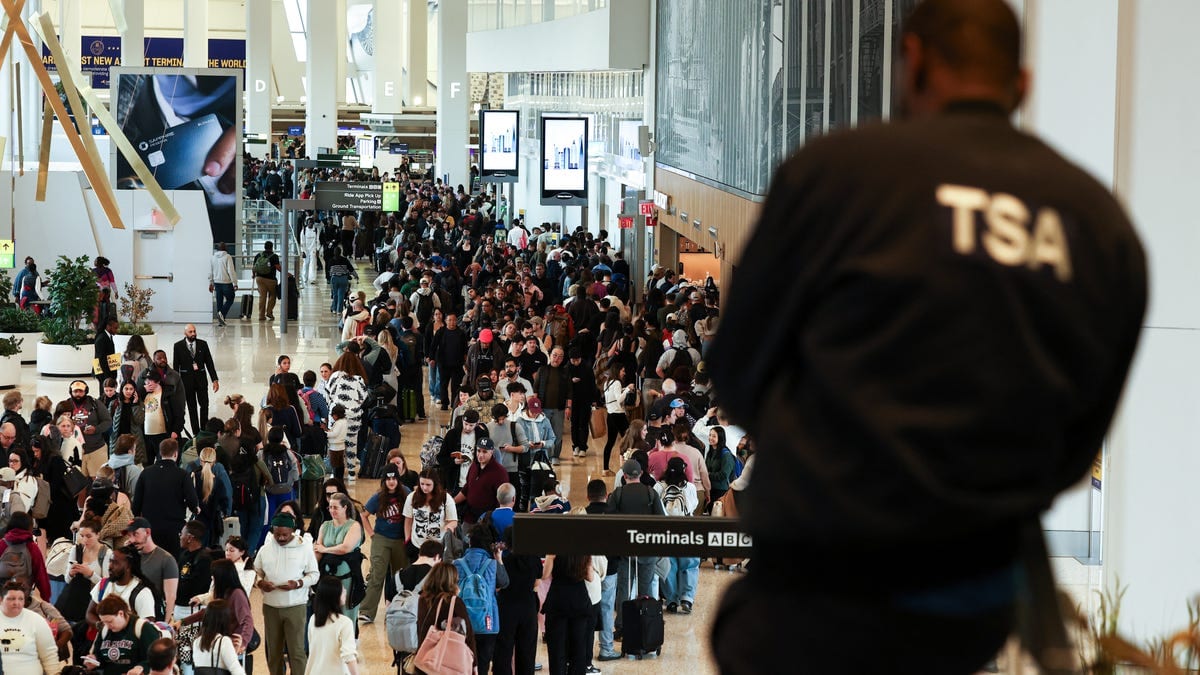
As travelers move through one of the busiest spring travel periods in recent years, TSA checkpoint lines at Newark Liberty, John F. Kennedy, and LaGuardia airports appear to be fluctuating but generally manageable today, with crowding still highly dependent on time of day, terminal, and whether passengers use expedited screening options.
Get the latest news straight to your inbox!
What “right now” really means for TSA wait times
Travelers checking security lines on the day of departure increasingly rely on airport dashboards, airline apps, and crowd-sourced updates to decide when to leave for Newark, JFK, or LaGuardia. These tools offer snapshots in time rather than guarantees, and conditions can change quickly with schedule banks, weather shifts, or staffing variations.
Publicly available information today indicates that none of the three major New York area airports is reporting systemwide extreme disruptions at TSA checkpoints. Instead, patterns resemble a typical busy weekday in early April, with shorter waits in some mid-morning and midday windows and heavier queues around early morning and late afternoon departure peaks.
Because each airport posts or feeds data differently, the picture for “right now” is best understood as a moving average. Live trackers and recent traveler reports align in showing that waits can swing from under 10 minutes to well over 45 minutes within the same terminal across a few hours, especially at high-demand facilities like JFK Terminal 8 or LaGuardia’s rebuilt terminals.
For passengers traveling today, that means TSA lines are not uniformly extreme across the region, but there remains a real possibility of encountering long queues if arriving close to departure during peak waves.
Newark Liberty: Busy but not consistently severe
At Newark Liberty International Airport, publicly available data and recent traveler accounts from the past week suggest a pattern of strong but not uniformly overwhelming demand at TSA checkpoints. Several reports from late March describe mid-morning and early afternoon waits in the 15 to 30 minute range at Terminal C, with some travelers moving from curb to gate in under half an hour when using programs such as TSA PreCheck or Clear.
Other recent posts focused on Newark’s Terminal A and B indicate that regular screening lines can build significantly during concentrated departure periods, especially late afternoon and early evening, but then drop off quickly. In some cases, flyers reported almost no line at midday on certain days, while others described more noticeable queues just a few hours earlier or later.
For today, that pattern points toward moderate congestion rather than chronic gridlock. With no signs of major irregular operations, weather disruption, or mass cancellations, security throughput at Newark appears to be tracking close to seasonal norms. Travelers arriving a full two hours ahead for domestic departures and at least three hours for international flights continue to build in enough margin to absorb a surprise 30 to 40 minute wait if one develops at their checkpoint.
Those using expedited screening lanes at Newark are generally seeing shorter and more predictable waits, although they can still encounter brief backups at the height of morning and evening rushes.
JFK: Terminal-specific swings in line length
John F. Kennedy International Airport typically sees some of the sharpest fluctuations in TSA wait times across the New York region, and recent public discussions highlight how quickly lines can lengthen and then clear at specific terminals. Over the past week, multiple traveler reports have described early morning security at JFK’s Terminal 8 climbing to an hour or more, even in PreCheck lanes, around the 5:00 to 7:00 a.m. departure wave.
By late morning, however, the same terminal has been reported with waits closer to 20 to 30 minutes, and in some cases significantly less. Similar variability appears at other JFK terminals, where the mix of long-haul international flights and domestic departures creates several daily peaks. Forecast-based tools that estimate wait times by hour have generally indicated that mid-afternoon and late evening can be somewhat calmer than the first heavy bank of departures after security opens in the early morning.
Today’s conditions at JFK appear to follow this recent pattern. There are indications of heavier load factors and strong outbound demand, but no broad reports of terminalwide meltdown or hours-long lines at every checkpoint. Instead, the risk is concentrated around specific surges, particularly in terminals with many transatlantic and long-haul flights departing in tight clusters.
For passengers heading to JFK right now, line length will largely depend on the combination of terminal, departure time, and screening lane type. Those with PreCheck or Clear may still encounter notable waits during the busiest waves, but they are generally clearing security more quickly than those in standard lanes.
LaGuardia: Rebuilt terminals, uneven queues
LaGuardia’s significant terminal upgrades have improved circulation and checkpoint layouts, but traveler experiences shared in recent weeks show that the airport still experiences pronounced spikes at TSA security. Reports from late March out of Terminal B and Terminal C describe non-PreCheck waits ranging from as little as five minutes in the early morning or evening to more than an hour during concentrated mid-morning and mid-afternoon periods.
Some travelers have noted that LaGuardia’s posted or app-based estimates occasionally lag behind reality when a sudden wave of passengers arrives, making lines appear to balloon faster than trackers update. Others have reported surprisingly quick passage through security at off-peak times, particularly on weekdays outside holiday periods.
Indicators today suggest LaGuardia is busy but not consistently over capacity at TSA checkpoints. With no widespread disruption reported, most flyers arriving in the recommended two-hour window for domestic flights are expected to clear security in time, though they should still be prepared for pockets of heavier congestion, especially around late afternoon and early evening departures.
Passengers relying on standard screening at LaGuardia today remain most vulnerable to long lines if they arrive near the start of a major departure bank, while those using PreCheck or other expedited lanes are generally reporting more stable wait times.
How travelers can interpret today’s data
Across Newark, JFK, and LaGuardia, publicly available information today portrays TSA security operations under pressure but functioning within typical high-season ranges. There are no signs of regionwide disruptions on par with major weather events, large-scale system outages, or holiday crush days, but there is ongoing potential for long lines at specific times and terminals.
For travelers trying to decide if TSA lines are “still long” right now, the most accurate answer is that they remain highly variable. In the same hour, a passenger at Newark’s Terminal C might encounter a 15 minute wait while another at JFK’s Terminal 8 hits a much longer queue, or a flyer at LaGuardia’s Terminal B finds almost no line at all between banks of departures.
Using live wait-time trackers from airports or airlines in conjunction with recent crowd-sourced reports can help refine departure plans on the day of travel. However, the rapid shifts seen in recent days underscore that these tools are best treated as guidance rather than guarantees.
Given current patterns, conservative lead times remain advisable. Arriving earlier than strictly necessary may feel inconvenient, but with New York’s three major airports still experiencing strong demand through early April, that buffer continues to be the most reliable hedge against encountering unexpectedly long TSA lines at the worst possible moment.