

Arkansas welcomes visitors with small-town warmth, big landscapes and a generally affordable cost of travel. To make the most of your trip, it helps to understand how money really works on the ground: which cards are widely accepted, where cash is still expected, how tipping norms compare with the rest of the United States, and what banking options you have if something goes wrong with your card. This guide walks you through practical, up-to-date advice on paying, tipping and managing your money across the Natural State.
Currency, Prices and General Cost Expectations
Arkansas uses the United States dollar as its sole currency. Visitors will find prices broadly in line with other parts of the American South, and often a bit lower than major coastal cities. Lodging, dining and transportation in Arkansas can feel especially good value if you are arriving from areas like New York, California or many international capitals. While luxury experiences exist in cities such as Little Rock and Bentonville, day-to-day costs for food and local services tend to be moderate by national standards.
Sales tax is added at the register rather than built into the sticker price, which can surprise some international travelers. Arkansas has a statewide sales tax, and local counties and cities add their own percentages. This means the final price will be several percent higher than the tagged price on most goods and services. Hotel rooms usually carry additional local lodging taxes, so expect your accommodation bill to come out higher than the base room rate advertised.
Accommodation and restaurant prices vary from one region to another. Tourist centers like Hot Springs, the Ozark Mountains and the northwest corner around Fayetteville and Bentonville can be pricier during peak seasons, especially spring and fall when outdoor travel is popular. Rural areas and smaller towns usually offer cheaper motels, diners and local services, which can help stretch your budget if you are road tripping across the state.
Because Arkansas has a mix of urban and rural environments, it is worth planning your daily budget with some flexibility. In cities, you might rely more on rideshares, craft coffee and museum admission fees. In smaller towns, your main costs may be gas, classic Southern meals and state park entrance or parking. Overall, a thoughtful traveler can keep costs manageable while still enjoying a comfortable experience.
Cash, Cards and Digital Payments
Bank cards are widely accepted throughout Arkansas, especially in cities and along major highways. Visa and Mastercard are generally the most reliable for both American and international visitors. Many larger hotels, chain restaurants, gas stations and supermarkets also accept American Express and Discover, but acceptance is not universal, particularly in smaller independent businesses. If you rely on one card network, it is wise to carry a backup from a different provider in case of technical issues or local limitations.
Contactless payments have become common in recent years. In the larger metro areas, many restaurants, shops and ride services accept digital wallets like Apple Pay and Google Pay as well as tap-to-pay cards. However, outside the cities you will still encounter card terminals that only support chip or magnetic swipe. Never assume contactless will be available in small towns or at older gas stations. Carrying a physical card and some cash will prevent awkward moments when it comes time to settle the bill.
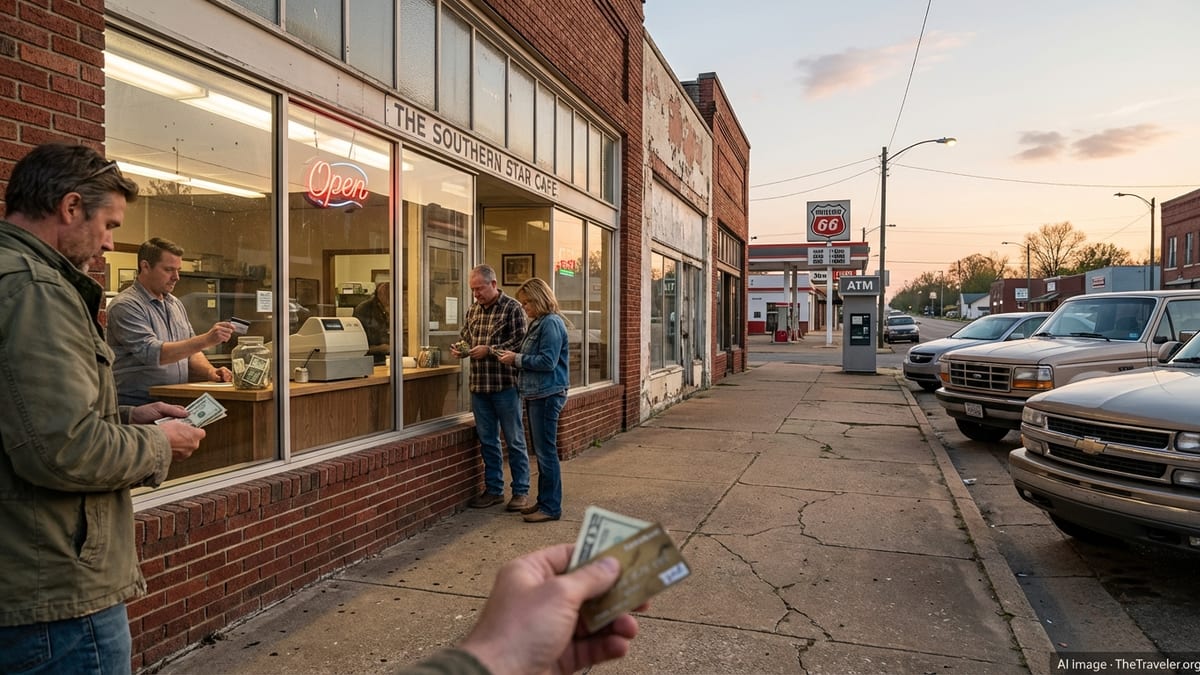
Cash still plays an important role, particularly in rural communities and at small, family-run businesses. Farmers markets, roadside produce stands, local diners, older motels and some independent tour operators may accept cash only or offer a discount for paying cash. When visiting state parks and small attractions, you may encounter honor-system boxes or self-pay envelopes for parking or camping where only cash is practical. Keeping a modest amount of small bills on hand is one of the best ways to ensure smooth transactions.
ATMs are readily available in cities, suburbs and larger highway exits, often attached to banks, convenience stores and gas stations. In small towns, machines are sometimes found inside local banks, grocery stores or independent ATM kiosks that can charge higher fees. Plan to withdraw money in larger centers whenever possible to minimize fees and ensure the machine works with your card. If your bank has a partnership with a major national network, using those branded ATMs can help you avoid extra surcharges.
Banking Access, ATMs and Safety
Arkansas is served by a mix of national and regional banks, so standard cash machines and branch services are easy to find in populated areas. Major chains and regional institutions operate in cities like Little Rock, Fayetteville, Fort Smith, Jonesboro and Hot Springs, providing typical services such as cash withdrawals, deposits and currency exchange for certain customers. While full-service branches may not be useful to most short-term visitors, knowing that staffed locations exist can be reassuring if you need help after a card issue or fraudulent charge.
When using ATMs, it is smart to prefer machines attached to recognized banks, major supermarkets or well-lit service stations. Independent ATMs in bars, small shops or remote corners often come with higher withdrawal fees and lower daily limits. They may also pose a greater risk of card skimming devices. Check the fee information screen before confirming a withdrawal, and cancel the transaction if charges appear unusually high. As a general rule, withdrawing a bit more money less often reduces the impact of per-transaction surcharges.
Card safety follows the same common-sense guidelines that apply in most of the United States. Keep an eye on your cards when paying at restaurants or gas stations, and use chip or contactless methods rather than swiping the magnetic stripe when possible. At fuel pumps, choose ones closer to the main building and pay inside if anything about the pump card reader looks loose or modified. Many Arkansas stations also offer the option to prepay inside with cash, which entirely avoids card exposure at the pump.
Online and mobile banking are widely used in Arkansas. If you are visiting from abroad, setting up text or app alerts with your home bank before traveling can make it easier to monitor your account for suspicious activity and manage exchange-rate fluctuations. In the event your card is lost or compromised, contact your bank immediately and ask for guidance on emergency cash options. Some card issuers can provide temporary replacement cards or wire funds to a partner bank, particularly in larger cities.
Understanding Tipping Culture in Arkansas
Tipping customs in Arkansas generally match broader United States norms, especially across the South. Tipped workers in restaurants and bars often rely on gratuities to reach a reasonable income, so leaving an appropriate tip is considered a normal and important part of paying for service. For sit-down restaurants, many locals tip in a range that roughly corresponds to the quality of service, using the pre-tax total as a starting point for calculating. For very slow or problematic service, some people reduce the percentage but still leave something unless the experience is truly unacceptable.
In casual counter-service cafes, coffee shops and fast-food outlets, tipping is more flexible. Some places have digital terminals that prompt you to add a small gratuity when paying by card, but there is typically no obligation to tip at quick-service venues where staff do not bring food to your table. Many Arkansas residents leave a modest amount for friendly baristas or staff who go out of their way, while others decline the prompt without concern. Follow your comfort level, bearing in mind that any tip is usually appreciated but not strictly expected in these settings.
For bar service, leaving cash or adding a tip on your card receipt is common. People often leave a small amount per drink or a percentage of the total tab, especially if they have been seated and served over a period of time. In hotels, housekeeping tips are customary but less universal, with many guests leaving a modest amount per night in the room, ideally with a short note to indicate it is for the cleaner. Valet staff, bell attendants and other service workers in more upscale properties typically receive a small cash tip per service rendered.
Other tipping situations around Arkansas include hair salons, ride-hailing drivers, taxi services and tour guides. In salons and barbershops, a percentage of the service price is standard practice if you are happy with the result. Rideshare and taxi drivers often receive a gratuity added within the app or in cash at the end of the trip. For guided tours, especially in smaller communities or outdoor experiences like fishing trips or hiking tours, a group tip for the guide is appreciated and can make a meaningful difference to their income, particularly in seasonal destinations.
Paying for Transport, Lodging and Attractions
Transportation across Arkansas is largely car focused, and that has specific implications for how you handle payments. If you are renting a vehicle, major credit cards are typically required, and debit cards may be accepted with additional conditions or holds. Gas stations along main highways almost always accept cards at the pump, but you may occasionally come across older stations where you pay inside before fueling. In smaller towns, it can be worth keeping some cash available in case of equipment outages or minimum purchase rules on cards.
Local transit options vary by city. Little Rock, for example, has a bus network and a heritage streetcar in its downtown area, while several college towns operate campus-focused buses. Transit fares today often use a mix of cash, paper passes and mobile ticketing apps depending on the system. If you plan to rely on buses rather than a rental car, check in advance which payment methods are supported in the cities you will visit, and carry small bills for situations where cash is still required on board.
Lodging payments in Arkansas follow typical U.S. patterns. Large hotels and well-known chains usually require a credit or debit card at check-in for room charges and a security hold, even if you prepaid online. Boutique inns and bed-and-breakfasts may accept various cards, but some smaller properties prefer cash or check for the remaining balance. Vacation rentals typically process payments electronically ahead of arrival through major booking platforms, though you may still want cash for cleaning staff tips or local city taxes if requested on site.
Attractions such as museums, state parks, concert venues and family entertainment centers offer a mix of payment options. Urban museums and major attractions almost always accept cards at ticket counters and gift shops. Certain state park facilities, smaller historical sites or seasonal events may only accept cash at entrance gates or concession stands. For outdoor activities like canoe rentals, fishing access or local festivals, payment practices can range from card terminals to simple cash boxes, so advance checking and carrying a small cash reserve both work in your favor.
International Visitors: Currency Exchange and Fees
International visitors to Arkansas will find that most currency exchange happens indirectly through card transactions and ATM withdrawals rather than over-the-counter exchanges. Traditional walk-up currency exchange counters are less common in smaller U.S. cities than in major global hubs, and many Arkansas banks limit foreign currency services to their own clients or require special orders. For most travelers, the simplest approach is to bring an internationally enabled bank card and rely on withdrawals from ATMs for local cash needs.
Foreign transaction fees and dynamic currency conversion can noticeably affect your total trip cost if you are visiting from abroad. Some banks and card issuers charge a small percentage on purchases made outside your home country or in a different currency. In Arkansas, merchants and card terminals sometimes offer you the choice to be charged in your home currency rather than in U.S. dollars. While it may look convenient, this option often comes with an unfavorable conversion rate. Choosing to pay in U.S. dollars and letting your home bank handle the conversion is typically more cost-effective.
To minimize surprises, contact your bank before your trip to Arkansas and inform them of your travel dates. This step can reduce the risk of legitimate transactions being flagged as fraud while you are on the road. Ask about international ATM partnerships, daily withdrawal limits and any special procedures for card replacement if it is lost during your stay. Some banks issue travel-friendly cards with lower fees for foreign use, which can be particularly helpful if Arkansas is part of a longer multi-country itinerary.
Language and cultural factors are generally straightforward for international travelers. Arkansas is overwhelmingly English-speaking, and most staff in hospitality, retail and dining are accustomed to serving visitors from other states and countries. If you need help understanding a bill or payment option, ask politely and staff will usually explain how taxes, tips and charges have been calculated. Keeping printed or digital copies of your reservation confirmations and receipts can also help resolve any misunderstandings quickly.
Practical Money-Saving Tips for Arkansas
Travelers looking to stretch their budget in Arkansas have many practical options. Booking accommodation outside of peak weekends and major events can reduce nightly rates significantly, particularly in college towns during sports seasons and graduation periods. Weeknight stays in business-oriented hotels sometimes offer lower prices than weekends, especially in city centers. If your itinerary is flexible, comparing a few date combinations before committing can yield noticeable savings.
Eating like a local is one of the most enjoyable ways to save money in Arkansas. Small-town diners, barbecue joints, Mexican restaurants and family-owned cafes often serve hearty portions at friendly prices. Lunch specials and weekday deals are common, while sit-down dinners in tourist hot spots can cost more. Farmers markets provide affordable, fresh produce and local specialties when in season, though many vendors take cash rather than cards. Packing snacks and drinks for road trips or hiking days also keeps incidental spending under control.
Many of Arkansas’s best experiences are low-cost or free. State parks typically charge modest entrance or parking fees, and scenic drives through the Ozarks or along mountain byways cost little beyond fuel. In cities, free public art, riverfront promenades and seasonal events can fill a day without much spending. Museum admissions vary, with some institutions offering suggested donations or discounted days. Checking local calendars and tourism office information before you arrive helps you find these value-friendly activities.
Finally, watch for small fees that can add up over the course of a trip. Hotel parking, resort fees, out-of-network ATM charges, tolls on certain routes and optional ticket surcharges for special exhibits are easy to overlook when planning. Reading the fine print on reservations and receipts, and asking about any extra costs at check-in or ticket counters, allows you to budget accurately and avoid unpleasant surprises at checkout.
The Takeaway
Managing money in Arkansas is largely straightforward if you understand a few local realities. The state shares the same currency and tipping culture as the rest of the United States, yet its blend of urban centers and rural communities means you should be ready for both digital convenience and old-fashioned cash transactions. Credit and debit cards cover most day-to-day spending, while a pocket of small bills keeps you flexible in small towns, markets and state parks.
By planning ahead for taxes, tips, potential banking fees and the occasional cash-only situation, you can focus less on logistics and more on the lakes, trails, historic sites and easygoing hospitality that define travel in the Natural State. A balanced approach using modern payment tools, backed up by sensible precautions and a bit of local currency, will keep your Arkansas trip smooth, secure and on budget.
FAQ
Q1. Do I need cash in Arkansas, or can I rely entirely on cards?
Cards are widely accepted across Arkansas, especially in cities and on major roads, but you should still carry some cash for small towns, markets and occasional cash-only services.
Q2. Are contactless and mobile payments common in Arkansas?
Contactless and mobile payments are increasingly common in larger cities and chain businesses, but smaller shops and rural areas may still use older terminals, so always carry a physical card and some cash.
Q3. How much should I tip at restaurants in Arkansas?
Tipping customs follow typical U.S. practice, with many diners leaving a percentage of the pre-tax bill for table service, adjusted up or down according to service quality.
Q4. Are ATMs easy to find in rural Arkansas?
ATMs are plentiful in cities and larger towns, but sparser in remote areas. Plan to withdraw cash at major stops and do not wait until you reach very small communities.
Q5. Can I exchange foreign currency easily in Arkansas?
Dedicated currency exchange counters are uncommon, so most visitors rely on ATMs and card payments. Some banks may handle foreign exchange for their own customers on request.
Q6. Are there extra card fees I should watch for as an international visitor?
Many banks charge foreign transaction fees and some terminals offer dynamic currency conversion at poor rates. Choose to pay in U.S. dollars and confirm your bank’s fee policy before travel.
Q7. Is it safe to use my card at gas stations in Arkansas?
It is generally safe, but use pumps near the main building, inspect card readers for signs of tampering and consider paying inside if anything seems unusual.
Q8. Do ride-hailing apps and taxis in Arkansas expect tips?
Yes, ride-hailing drivers and taxi drivers typically receive tips, either added through the app or paid in cash, following similar customs to the rest of the United States.
Q9. Will small businesses in Arkansas accept American Express or foreign cards?
Larger businesses often accept a wide range of cards, but smaller shops may only take major networks or even be cash-only. Carry a widely accepted card and some cash as backup.
Q10. What is the best way to avoid unexpected fees on my Arkansas trip?
Use bank-network ATMs when possible, read hotel and rental terms carefully for extra charges, decline dynamic currency conversion and confirm your bank’s international fee structure before you arrive.