

Arkansas rewards visitors with riverfront cities, forested mountains and small towns that still feel unhurried. Like any destination, though, it comes with its own mix of urban crime patterns, fast-changing weather and rural road quirks that are easier to enjoy when you know what to expect. Whether you are heading to Little Rock for a weekend, road tripping through the Ozarks or exploring the Mississippi Delta, a bit of preparation goes a long way toward staying safe and relaxed on the road.
Understanding Overall Safety in Arkansas
For most visitors, Arkansas is a welcoming and generally manageable place to travel, especially if you combine basic situational awareness with a realistic understanding of local risks. Crime in the state is concentrated in a handful of urban and economically stressed areas, while many small towns and outdoor recreation hubs experience relatively low levels of serious violent crime. Recent figures from Little Rock show overall and violent crime trending downward compared with the previous several years, reflecting the impact of focused policing and community initiatives, even though the city still records more incidents than rural parts of the state. Travelers who stick to well-used areas, stay aware of their surroundings and avoid obvious red flags are unlikely to encounter serious problems.
Safety in Arkansas is also shaped by geography and climate. The state straddles the boundary between the Ozark and Ouachita Mountains, broad river valleys and lowlands that can be vulnerable to severe weather. Tornadoes, powerful thunderstorms, flooding and winter ice all occur in different seasons, and they can disrupt driving conditions quickly. Authorities such as the Arkansas Department of Transportation and the National Weather Service emphasize that weather awareness and flexible plans are essential parts of risk management for anyone on the move.
As a traveler, it helps to think of safety in layers. Start with common sense choices about when and where you walk, drive and stay. Add a second layer of weather and road awareness, especially if you plan to cover long distances or visit in spring storm or winter weather seasons. Finally, know how to reach help quickly, from dialing 911 in an emergency to contacting state police on major highways for vehicle issues or hazards. With those basics in place, most visits proceed smoothly.
City Safety: Little Rock, Fayetteville and Beyond
Arkansas’s largest cities are where most visitors encounter the state’s nightlife, cultural venues and big-event energy, and they are also where crime is more likely. Little Rock, the capital and biggest city, has seen notable declines in both violent and property crime in the last couple of years compared with the mid-2020s, according to city reports, yet some neighborhoods remain more affected by crime than others. Downtown, the River Market district and areas around major hotels and museums are generally busy and well patrolled, but they still call for normal urban precautions after dark.
In Little Rock, North Little Rock and other cities such as Fayetteville, Fort Smith and Hot Springs, stay in accommodations with strong recent reviews that mention safety and location. Ask hotel staff for current local advice about which streets are best for walking at night and which to avoid. At night, favor well-lit routes with active foot traffic and consider using reputable taxis or rideshare services for longer distances, particularly if bars and events let out late. Avoid walking alone through poorly lit side streets, alleys, empty parking lots or isolated riverfront areas.
Petty property crime, such as vehicle break-ins and occasional theft from hotel parking lots, is more common than confrontational crime. Keep your car visibly empty by placing bags and valuables in the trunk before you arrive at your destination rather than once you park. Lock doors and roll up windows every time you leave the vehicle, even for a quick stop. When dining or shopping, keep handbags zipped and close to your body, and do not leave phones or wallets unattended on tables or bar tops.
College towns such as Fayetteville, home to the University of Arkansas, typically see crowds around game days and nights out near campus. Alcohol-related incidents, arguments that escalate, and opportunistic theft can spike during busy weekends. Trust your instincts about a situation or venue. If a bar or party feels out of control, crowded beyond comfort or tense, leave early. Staying in pairs or small groups and arranging a designated driver or rideshare ahead of time dramatically reduces your exposure to late-night problems.
Road Safety, Traffic Laws and Rural Driving
Driving is the primary way to experience Arkansas, but it also introduces some of the state’s most significant safety considerations. Interstates such as I-40 and I-30 see heavy truck and through traffic, while two-lane rural highways wind through forested hills, wildlife habitat and small communities with varying speed limits. Arkansas State Police and the Arkansas Department of Transportation regularly urge drivers to slow down, avoid distractions and stay off the roads in severe conditions when possible, especially during winter storms and major rain events.
In recent years, Arkansas has tightened traffic rules in work zones. A new law doubled fines for violations such as speeding and careless driving in mobile work zones, where crews patch potholes, clear debris or perform rolling maintenance. Signs alert drivers when they are in these zones and warn that fines are higher. Treat any orange cones, lane closures or flashing work vehicles as cues to slow significantly, give road workers extra space and avoid lane changes or sudden braking around them. This protects both crews and drivers, particularly on high-speed rural stretches where visibility may be limited.
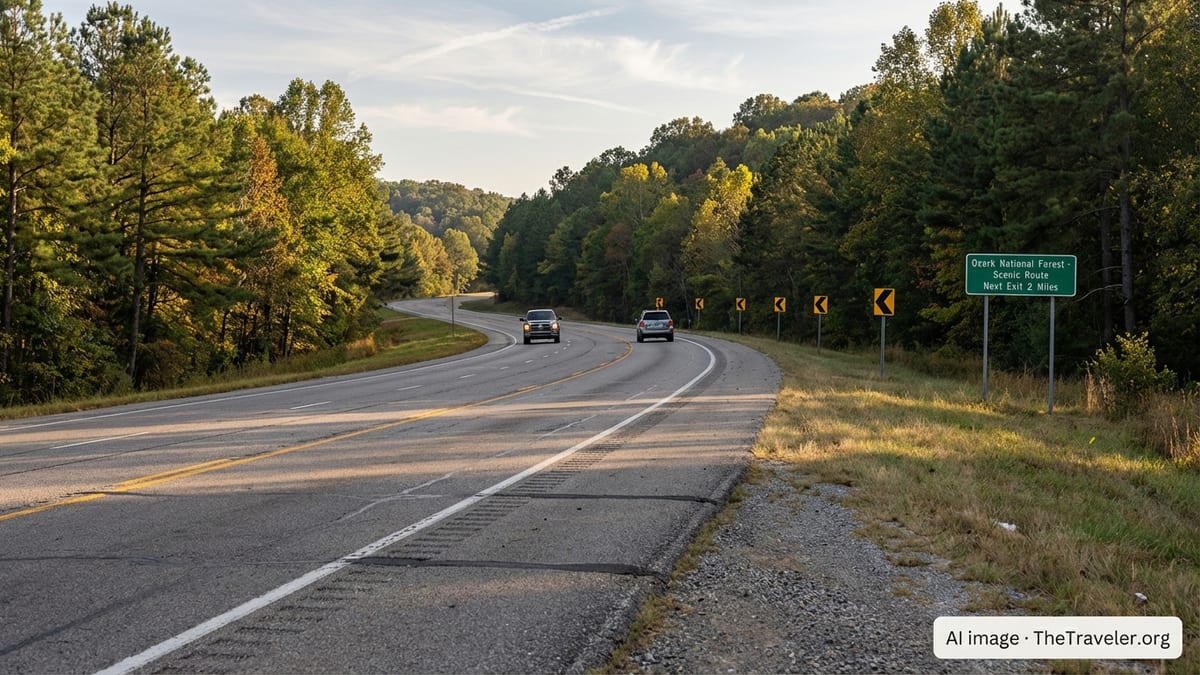
Rural driving in Arkansas calls for extra patience and attention. Many highways pass through open range, wooded curves and low-lying areas where deer and other wildlife may cross unexpectedly, particularly at dawn and dusk. Gravel side roads, narrow bridges and unlit intersections appear more often away from cities. Reduce speed at night, turn on headlights at the first hint of low light, and avoid passing on two-lane roads unless you can clearly see far ahead. In farm and logging areas, be ready to encounter slow-moving equipment and large trucks; pass only when it is legal and safe, and never assume they see you.
On long drives across the state, build in breaks every few hours to reduce fatigue, especially in hot weather or during monotonous interstate stretches. Keep your fuel tank at least half full in rural areas, where gas stations may be more widely spaced. Carry basic roadside items such as water, snacks, jumper cables, a flashlight and a phone charger. If you encounter a non-emergency hazard such as minor debris on a state highway, you can contact authorities through designated non-emergency numbers or state patrol hotlines; for crashes or serious hazards, call 911.
Weather Risks: Tornadoes, Storms and Winter Conditions
Arkansas sits in a region where powerful spring and fall storms, tornadoes and sudden winter weather all play a role in travel safety. Tornadoes have struck around Little Rock and elsewhere in recent years, and state emergency agencies emphasize that what you do before and during severe weather can make a major difference. Tornadoes can occur in any month, but they are more common in spring and sometimes autumn, often forming as part of fast-moving storm systems that also produce lightning, hail and damaging straight-line winds.
When visiting during storm-prone seasons, enable emergency weather alerts on your phone and pay attention to local television or radio stations that provide continuous coverage during severe weather events. The National Weather Service issues watches when conditions could produce tornadoes and warnings when a tornado is occurring or imminent. If a warning is issued for your area, move quickly to the lowest level of a sturdy building, away from windows. In hotels, follow posted severe weather procedures, which often direct guests to interior corridors or designated shelter areas.
Winter weather in Arkansas is variable, but when it arrives it can be especially hazardous because of freezing rain and ice. Officials from the Arkansas Department of Transportation and police encourage motorists to avoid unnecessary travel during significant winter storms, reminding drivers that staying off the road allows crews to work and reduces crashes. When travel cannot be postponed, drive slowly, avoid sudden steering or braking, and leave significantly more space between vehicles than usual. Bridges and overpasses often freeze first and can hide slick patches or thin, nearly invisible black ice.
If you plan cold-season travel by car, assemble a simple winter kit: warm clothing and blankets, water, non-perishable snacks, an ice scraper, a flashlight and a phone charger. Keep your gas tank at least half full to prevent fuel lines from freezing and to ensure you have enough fuel to stay warm if delayed. Before departure, check state road condition resources and local forecasts, and be prepared to adjust routes or delay travel. In mountainous or hilly areas of northwest Arkansas, consider that shaded curves and higher elevations may remain icy longer than lowlands even after temperatures rise slightly.
Outdoor Adventure, Water Safety and Wildlife
Much of Arkansas’s appeal lies outdoors, from hiking in the Ozark and Ouachita Mountains to paddling rivers and lakes or soaking in thermal waters at Hot Springs. These activities are generally safe for well-prepared visitors, but they come with risks tied to terrain, heat, water conditions and wildlife. Planning ahead and respecting natural conditions greatly reduces the chance of trouble.
On hiking trails, even popular ones near state parks and scenic drives, start with realistic assessments of your group’s fitness and experience. Summer heat and humidity can be intense, and steep or rocky trails in places like the Ozark National Forest become more demanding in those conditions. Carry more water than you think you will need, wear sturdy footwear rather than flip-flops or casual sandals, and let someone know your planned route and expected return time. Begin longer hikes early in the morning to avoid peak afternoon heat and storms, and turn back if the trail becomes muddy, washed out or more technical than you expected.
Arkansas’s rivers and lakes range from placid reservoirs to fast-moving mountain streams. Always wear a properly fitted life jacket when boating, kayaking or canoeing, even on calm water, and pay close attention to local warnings about high flows, dam releases or debris after heavy rain. Alcohol and water recreation do not mix well; impairment increases the risk of drowning and accidents around docks and boat ramps. At popular swimming areas, stay within designated zones, supervise children closely and avoid diving into unfamiliar water where submerged rocks or sudden depth changes may be present.
Wildlife encounters are usually one of the pleasures of time outdoors in Arkansas, but some species warrant caution. Venomous snakes live in the state, particularly in rocky or marshy environments, so watch where you place hands and feet, stay on established trails when possible and avoid reaching under rocks or into hollow logs. Black bears exist in parts of Arkansas, though sightings are relatively rare around heavily visited areas; in bear country, store food securely and never intentionally feed wildlife. Insect-related issues, including ticks and mosquitoes, are more common than dramatic animal encounters, so use repellent, perform tick checks after hikes and seek medical advice if you develop a rash or flu-like symptoms afterward.
Health, Heat and Personal Preparedness
Arkansas’s climate can be deceptively draining, particularly for visitors unaccustomed to humid Southern summers. High temperatures combined with humidity increase the risk of heat exhaustion and heatstroke during outdoor activities or long days of sightseeing. Build your schedule with rest breaks in shaded or air-conditioned spaces, drink water throughout the day and limit heavy exertion during the hottest afternoon hours. Signs of heat-related illness include dizziness, headache, nausea and confusion; if symptoms appear, move to a cool place immediately, sip water and seek medical care if they do not improve.
Travelers who take prescription medications should pack extra supplies and keep them in carry-on luggage or a day bag rather than in checked bags or unattended vehicles, where extreme heat can degrade some medicines. Visitors with chronic conditions such as heart disease, asthma or severe allergies should carry any rescue medications, such as inhalers or epinephrine auto-injectors, and know how to describe their condition to medical staff if needed. Urban centers such as Little Rock, Fayetteville and Jonesboro have hospitals and urgent care clinics, while rural areas may require longer drives for advanced treatment.
Food and water safety are generally strong across Arkansas, particularly in established restaurants and public water systems. As in any destination, choose food outlets with good hygiene practices and high recent reviews, and be cautious with food that has been sitting at room temperature for long periods at outdoor events or roadside stands. When camping or staying in remote cabins, treat water from streams or lakes before drinking by boiling or using appropriate filters or purification tablets to avoid gastrointestinal illness.
Maintaining digital and financial security is another element of personal preparedness. Use ATMs located inside banks or well-lit stores rather than isolated machines, shield your PIN, and keep copies of important documents such as your passport photo page, driver’s license and insurance information stored securely in the cloud or in separate bags. If your phone or wallet is lost or stolen, contact your financial institutions promptly and file a police report, which can help with replacement and insurance claims.
Respecting Local Laws, Culture and Emergency Resources
Arkansas blends Southern, Midwestern and Delta cultures, and visitors usually find locals friendly and willing to help when treated with respect. Knowing a few key points about state laws and norms enhances both safety and goodwill. Traffic enforcement can be strict, particularly regarding speeding, impaired driving and work zone violations, and officers may be especially watchful in small towns where speed limits drop quickly from highway to main street. Always wear seat belts, obey posted limits and avoid using a hand-held phone while driving; even when specific prohibitions vary, distracted driving can be used as evidence of negligence after a crash.
Alcohol laws vary by county, with some historically “dry” counties restricting sales and others allowing widespread availability. Regardless of local sales rules, driving under the influence remains a serious offense statewide, with penalties that can include heavy fines, license suspension and jail time. Plan ahead for nights out by designating a sober driver or using rideshare or taxi services rather than making an impaired judgment call later. Public intoxication or disorderly conduct can also lead to arrest, especially around entertainment districts and sports venues.
Firearm laws in Arkansas are more permissive than in some states, but rules about where weapons may be carried and how they must be stored or transported can be complex and subject to change. Visitors who choose to travel with firearms or other weapons should carefully review current regulations before entering the state and pay special attention to restrictions in places such as schools, government buildings and certain private businesses. When in doubt, err on the side of caution and comply immediately and calmly with any instructions from law enforcement.
In emergencies, dialing 911 connects you to police, fire and medical services throughout Arkansas. For highway-specific issues such as disabled vehicles or debris that do not pose an immediate life threat, travelers on major routes can use designated non-emergency lines provided by state police or transportation agencies when available. During large-scale events such as tornado outbreaks, flooding or ice storms, authorities may issue specific instructions, open shelters or request that the public limit nonessential travel. Paying close attention to local officials and media briefings helps you respond appropriately.
The Takeaway
Arkansas offers an easygoing mix of cities, mountains, rivers and small towns that most travelers can enjoy safely with a modest amount of planning. The main risks visitors face tend to fall into a few predictable categories: urban property crime, hazardous driving conditions in bad weather, outdoor mishaps tied to heat or terrain, and the occasional severe storm that demands quick, informed action.
By choosing accommodations in well-traveled areas, securing vehicles and valuables, driving patiently and defensively, and building weather and trail awareness into your plans, you can significantly reduce your exposure to these risks. Add a small buffer of time and flexibility to your itinerary so you can pause for storms, road closures or detours rather than pressing on when conditions deteriorate.
Ultimately, safety in Arkansas is less about fear and more about informed respect for the landscape, the climate and the communities you are visiting. Approach the state with curiosity and common sense, stay alert to changing conditions and lean on local knowledge when in doubt. In return, you will likely find friendly faces, memorable scenery and a trip that feels both adventurous and comfortably under control.
FAQ
Q1. Is Arkansas safe for solo travelers?
Arkansas can be safe for solo travelers who use routine precautions such as staying in well-reviewed lodging, avoiding poorly lit areas at night and sharing itineraries with someone at home. Urban areas require the same level of awareness you would use in any midsized American city, while rural and outdoor destinations are often more about weather and terrain safety than crime.
Q2. Which areas in Arkansas should visitors be most cautious about?
Travelers should be most cautious in certain neighborhoods of larger cities such as Little Rock and in isolated urban areas after dark. Rather than focusing on specific blocks, it is best to ask local hosts or hotel staff which streets are recommended for walking, stick to busy districts and use a car or rideshare for longer night-time trips.
Q3. How dangerous is driving in Arkansas during winter?
Winter driving can become hazardous when freezing rain, sleet or snow create slick roads and black ice, especially on bridges and overpasses. State agencies advise avoiding travel during major winter events when possible, and if you must drive, slowing down, increasing following distance and carrying basic emergency supplies in your vehicle.
Q4. What should I do if a tornado warning is issued while I am visiting?
If a tornado warning is issued for your area, move quickly to the lowest level of a sturdy building, away from windows, and into an interior room or hallway. In a hotel, follow posted instructions or staff guidance, and remain in the shelter area until authorities indicate the threat has passed.
Q5. Are the hiking trails in Arkansas safe for beginners?
Many Arkansas trails are suitable for beginners, especially in state parks where paths are well marked and maintained, but conditions vary. New hikers should choose short, clearly rated routes, carry sufficient water, wear proper footwear and turn back if weather worsens or the trail becomes more difficult than expected.
Q6. Is it safe to drink tap water in Arkansas?
In most towns and cities, public tap water is treated and considered safe to drink. In very rural areas, private wells or older systems may be used, so if you are unsure, ask your host or use bottled or filtered water, especially if you have a sensitive stomach.
Q7. How can I reduce my risk of theft while traveling in Arkansas?
Reduce theft risk by keeping valuables out of sight in parked vehicles, locking car doors, using hotel safes when available and keeping only what you need for the day on your person. In busy areas, carry bags with zippers close to your body and keep phones and wallets in front pockets or secured compartments.
Q8. Are there any specific driving laws visitors should know about?
Visitors should be aware that Arkansas can impose higher fines for speeding and other violations in marked work zones, including mobile ones. Seat belts are required, drunk driving laws are strictly enforced, and drivers are expected to slow down and move over for emergency and maintenance vehicles with flashing lights when it is safe to do so.
Q9. What is the biggest natural hazard for travelers in Arkansas?
The biggest natural hazards for travelers are severe storms, including tornadoes and heavy thunderstorms, and winter ice that creates dangerous driving conditions. Heat and humidity in summer can also pose health risks during strenuous outdoor activity if visitors do not hydrate and rest adequately.
Q10. How prepared is Arkansas for emergencies and disasters?
Arkansas maintains coordinated emergency management systems involving state, county and city agencies, with plans for severe weather, flooding, winter storms and other events. While individual responses can vary by location and event size, travelers who monitor official alerts and follow local instructions generally find that shelters, road updates and public information are made available during major incidents.