

Arkansas blends forested mountains, winding rivers, and historic small towns into one compact state that still feels largely undiscovered. Whether you are planning a road trip through the Ozarks, a long weekend built around Hot Springs, or a deeper dive into Delta culture, a little advance planning will help you get the most from the Natural State. This guide covers the essentials you need to know before you go, from when to visit and how to get around to regional highlights, safety considerations, and on‑the‑ground practical tips.
Understanding Arkansas at a Glance
Arkansas sits in the south central United States, bordered by Missouri, Tennessee, Mississippi, Louisiana, Texas, and Oklahoma. The state is often summed up by its official nickname, the Natural State, a reference to its thick forests, clear rivers, lakes, and complex karst landscapes in the north and west. Travelers come primarily for outdoor recreation, historic hot springs, and a growing food and arts scene in cities like Little Rock, Bentonville, and Fayetteville.
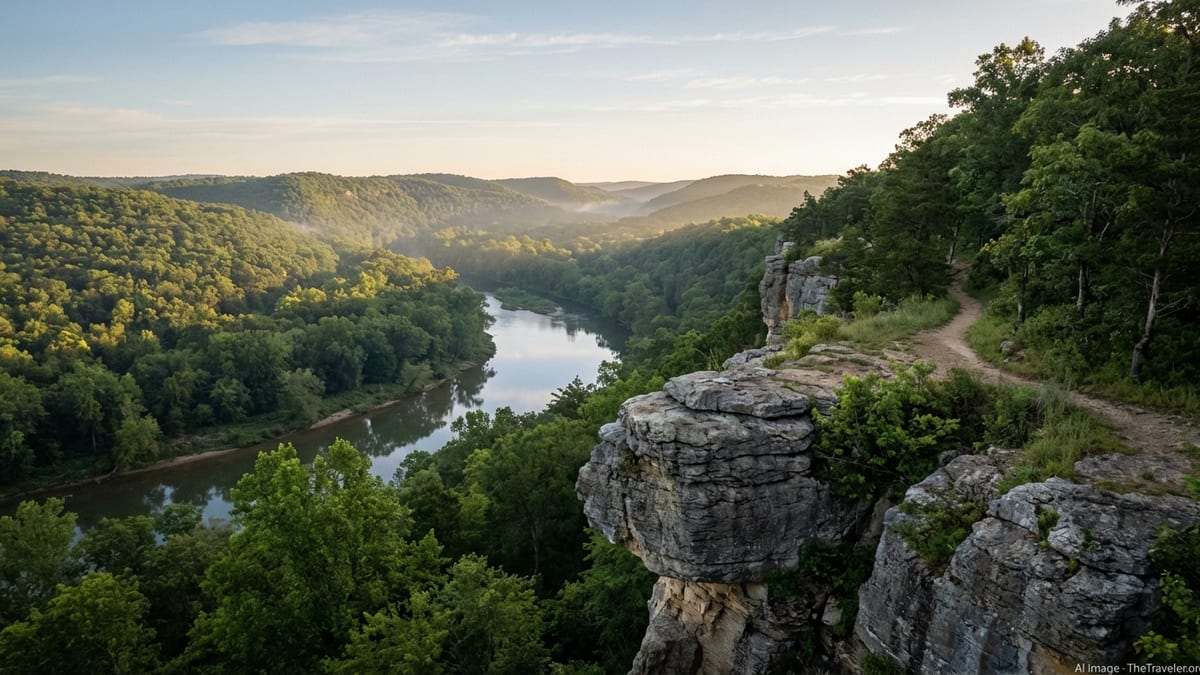
The state is roughly divided into several distinct regions that matter to visitors. The Ozark Mountains in the northwest are known for limestone bluffs, caves, rivers suited to paddling, and small mountain towns. The Ouachita Mountains in the west central part of the state feature clear lakes and the historic resort city of Hot Springs. Central Arkansas is anchored by the capital, Little Rock, while the flat, fertile Delta along the Mississippi River in the east has deep musical and agricultural roots. South Arkansas is more sparsely populated, with pine forests, bayous, and quiet lakes.
Tourism in Arkansas has been growing steadily, helped by new investment in state parks and outdoor recreation. State leaders have emphasized development of trails, lake access, and new park initiatives such as the move to designate Blanchard Springs Caverns as an additional state park, underscoring the focus on nature‑based tourism. Travelers today will find modern visitor centers in many parks, well‑signed scenic byways, and a mix of classic cabins and newer boutique properties.
For visitors from outside the region, Arkansas often feels more relaxed and less commercialized than some neighboring states. Distances are manageable, crowds tend to be lighter outside peak summer and holiday periods, and prices for lodging and dining are generally moderate compared with many coastal destinations. That combination makes Arkansas attractive for families, road trippers, and repeat visitors who prefer slower travel.
When to Visit: Weather, Seasons, and Crowds
Arkansas has a humid subtropical climate with four distinct seasons and relatively mild winters compared with the Upper Midwest or Northeast. Spring and fall are widely considered the best times to visit, especially if your plans involve hiking, cycling, or time on the water. From March through May, temperatures typically range from cool mornings to pleasantly warm afternoons, with wildflowers blooming in the Ozarks and Ouachitas. October and early November bring comfortable days and colorful foliage, especially in the northern mountains.
Summers, from June through early September, are hot and humid, particularly in the low‑lying Delta and southern regions. Afternoon highs often sit well into the 80s or 90s Fahrenheit, with warm nights. This is peak season for lake trips and river floating, and for family vacations built around cabin stays, water sports, and national or state parks. If you plan to visit in midsummer, book accommodations early near popular lakes and in Hot Springs, and schedule outdoor activities for mornings and evenings to avoid the worst of the heat.
Winters are relatively mild in most of the state, though the Ozarks and higher elevations such as Mount Magazine can see occasional snow and ice. Daytime temperatures are often cool but manageable, making this a quieter time for city breaks in Little Rock or Bentonville, museum visits, and soaking in Hot Springs thermal waters. Winter is also appealing if you prefer lower room rates and emptier trails, though some water‑based activities and seasonal concessions may be limited.
Weather can change quickly, particularly in spring and early summer when strong thunderstorms and the occasional tornado are possible. Travelers should monitor forecasts, especially if camping or spending long periods outdoors. Overall, though, Arkansas is a year‑round destination, with each season offering a slightly different feel, from leafy summer riverbanks to crisp mountain air in late autumn.
Getting There and Getting Around
Many visitors arrive in Arkansas by car, often combining the state with a broader road trip through the American South or Midwest. Major interstates cross the state east to west and north to south, including routes that pass through Little Rock and connect with Memphis, Dallas, Oklahoma City, and St. Louis. Driving remains the most flexible way to explore, especially if you plan to visit small towns, lakes, or trailheads away from population centers.
For air travelers, the primary gateway is Bill and Hillary Clinton National Airport in Little Rock, which offers flights from several major U.S. hubs. Northwest Arkansas National Airport near Bentonville and Fayetteville serves the growing northwest region and connects to cities such as Dallas, Chicago, and Atlanta. Smaller regional airports operate limited commercial service in other parts of the state. Car rental desks are available at the main airports, and renting a vehicle is typically the most practical option for visitors who want to explore beyond one city.
Rail service exists but is limited. Amtrak’s Texas Eagle line includes a stop in Little Rock, connecting the city to St. Louis and Chicago to the north and Texas points to the south and west. Bus services connect some Arkansas cities with neighboring states, though schedules can be sparse compared with larger metropolitan areas. Within Little Rock, local transit includes buses and a small electric streetcar line serving the downtown and riverfront area, useful for sightseeing if you plan to stay central.
Once you are outside the main cities, public transportation is minimal. Ride‑hail services such as Uber and Lyft operate in and around Little Rock and in parts of northwest Arkansas, but availability can be inconsistent late at night or in rural communities. In smaller towns and park gateways, taxis may need to be prearranged. For this reason, self‑drive trips are by far the most common way to experience Arkansas, allowing you to follow scenic routes, detour to trailheads, and visit lakes or rivers that are not reachable by bus.
Top Regions and Cities to Experience
The Ozarks in northern Arkansas are a highlight for many visitors. This high plateau of forested hills and limestone outcrops is home to winding rivers like the Buffalo National River, America’s first national river, with opportunities for paddling, fishing, and hiking below towering bluffs. Towns such as Eureka Springs, Mountain View, and Harrison serve as gateways to caves, music venues, and scenic drives. The pace here is unhurried, and many travelers build multiday itineraries around cabins or small lodges in the mountains.
Northwest Arkansas has evolved into one of the state’s most dynamic regions, anchored by the cities of Bentonville, Fayetteville, Rogers, and Springdale. Bentonville, long known as the headquarters city of a major retail corporation, now attracts visitors with contemporary art museums, cycling infrastructure, and a growing food scene. Fayetteville blends a college‑town atmosphere with easy access to hiking and mountain biking in the nearby Boston Mountains. This region works well for travelers who want to combine culture with outdoor time.
Central Arkansas centers on Little Rock and its neighboring communities along the Arkansas River. The state capital offers a walkable downtown with riverfront parks, historic sites, and government buildings, along with neighborhoods featuring independent restaurants and galleries. Just across the river, North Little Rock adds minor‑league baseball and additional riverfront developments. Farther west, small communities provide access to hiking in the Ouachita foothills and to lakes popular for weekend getaways.
Hot Springs, in the Ouachita Mountains southwest of Little Rock, is one of Arkansas’s best‑known destinations. The city grew around natural thermal springs, and parts of its historic bathhouse row are preserved within Hot Springs National Park. Visitors can still soak in the mineral waters at traditional bathhouses, explore the park’s trails, and wander a compact downtown filled with historic architecture. Nearby lakes, including Catherine and Ouachita, extend the appeal with boating, fishing, and lakefront camping. In contrast, the eastern Delta region offers flat farmland, river levees, and small towns with deep blues and gospel heritage, inviting travelers interested in culture and history more than mountain scenery.
Outdoor Highlights: Parks, Rivers, and Lakes
Arkansas has an extensive network of state parks and protected areas, supplemented by national park units and national forests. In the north, Buffalo National River offers one of the classic canoe and kayak experiences in the central United States, with stretches of water suitable for beginners in normal conditions and higher‑adventure sections during certain flows. The surrounding terrain offers hiking trails to bluff overlooks and backcountry campsites along side canyons and hollows.
State parks showcase a range of landscapes. Devils Den State Park in the Boston Mountains protects rugged sandstone formations, caves, and a lake built by New Deal‑era crews, with trails for hikers, mountain bikers, and equestrians. Mount Magazine State Park rises to the highest point in Arkansas and caters to hikers, birders, and even hang‑gliding enthusiasts, with sweeping views from the plateau edge. Around Hot Springs, parks such as Lake Catherine State Park and Lake Ouachita State Park provide marinas, hiking trails, and campgrounds on clear lakes ringed by wooded hills.
Farther north, lakes such as Bull Shoals and the White River area are known for trout fishing and houseboating, while other reservoirs across the state offer bass, crappie, and catfish. In the south and east, bayous and slower rivers give a different kind of water experience, with opportunities to paddle among cypress trees and watch for waterbirds. Outdoor recreation is central to Arkansas’s tourism strategy, and recent moves toward establishing Blanchard Springs as a new state park highlight the continuing investment in cave tours, swimming areas, and trail systems in the Ozarks.
Most major parks provide modern visitor centers, designated swimming areas, campgrounds with varying levels of hookups, and rental options for kayaks, canoes, or small boats. Reservations are strongly recommended in peak spring and summer periods at popular parks and lakes, particularly for weekends and holidays. Outside developed recreation areas, many parts of Arkansas remain lightly populated. Travelers planning backcountry hikes or paddling trips should prepare carefully, carry adequate supplies, and let someone know their plans before heading out.
Cities, Culture, and Food
While nature is Arkansas’s calling card, its cities and towns provide a window into the state’s history and evolving culture. Little Rock, the capital, has a compact downtown anchored by the Arkansas River and government buildings. Museums and cultural institutions highlight topics ranging from civil rights history to decorative arts. Neighborhoods beyond the central core feature locally owned restaurants, coffee shops, and music venues that reflect both Southern and broader American influences.
Northwest Arkansas has become a cultural and culinary hub in its own right. Bentonville in particular has invested heavily in museums, public art, and walkable districts, drawing visitors who might previously have overlooked the region. College life in Fayetteville brings live music, theater, and sports. Across smaller towns, festivals, craft fairs, and seasonal events showcase local traditions, including old‑time music in Mountain View, courthouse square gatherings, and county fairs.
Arkansas cuisine reflects its Southern and Ozark roots, with a focus on barbecue, fried catfish, chicken, and hearty sides like beans and cornbread. In river and lake regions, fresh fish often finds its way onto menus. In cities, chefs have been putting more emphasis on farm‑to‑table ingredients from small producers, while still serving familiar comfort foods. Travelers will also find the expected array of national chains along main highways, but venturing a few blocks off the main road usually reveals independent diners and cafes with more character.
For many visitors, the most memorable meals are simple ones enjoyed after a day outside, whether that means a plate of ribs on a shaded patio or a picnic at a lake overlook. It is worth asking locals for recommendations; in small communities especially, word of mouth often leads to family‑run spots that do not appear in national roundups but have been serving regulars for decades.
Safety, Health, and Responsible Travel
Arkansas is generally welcoming to visitors, but it is important to approach travel with awareness, particularly if you plan to explore rural areas or travel alone. Recent analyses drawing on crime and infrastructure data have placed Arkansas toward the higher‑risk end of the spectrum for solo travelers, primarily due to factors such as rural road accidents, limited cell coverage in remote regions, and crime rates in certain communities. This does not mean you should avoid the state, but it does argue for thoughtful planning and situational awareness.
In cities, use the same common‑sense precautions you would in any urban setting. Stay in well‑reviewed accommodations, be careful with valuables, and avoid poorly lit areas at night. When driving, keep your fuel tank above a quarter full in rural regions, where gas stations may be far apart or close early. Download offline maps before heading into the mountains or deep countryside, as mobile signal can be patchy. Let someone know your plans if you will be out hiking, paddling, or driving on back roads for long stretches.
Outdoor safety is as important as urban awareness. Summer heat and humidity can lead to dehydration or heat exhaustion more quickly than many visitors expect, especially on steep trails or open lake surfaces. Carry more water than you think you need, use sun protection, and schedule strenuous activity earlier or later in the day. Check river levels, lake conditions, and weather forecasts before boating or paddling, and follow local advice about safe put‑ins and take‑outs. In wooded areas, be mindful of ticks and other insects; long sleeves, repellent, and post‑hike checks are recommended.
Responsible travel in Arkansas also means respecting private land and local communities. Not all riverside or roadside clearings are public, and trespassing rules are enforced in many rural areas. Use designated access points, camp only in approved sites or with landowner permission, and pack out your trash. Small towns often rely heavily on visitors, so supporting local businesses, following local guidelines, and being patient during busy times all contribute to a more positive experience for both travelers and residents.
Practical Tips: Money, Lodging, and Connectivity
Arkansas uses the U.S. dollar, and prices for most travel essentials tend to be moderate compared with coastal or large metropolitan destinations. Credit and debit cards are widely accepted in cities, national chains, and most independent restaurants and shops. However, carrying some cash is still useful, particularly for small businesses in rural areas, farmers markets, or campground honor boxes. ATMs are easy to find in larger towns but may be scarce in remote areas, so plan withdrawals accordingly.
Lodging options range from branded hotels in cities and highway corridors to lakeside resorts, rustic state park cabins, and private rentals. State parks often operate cabins and lodges in scenic settings, along with RV and tent campgrounds that can be reserved in advance. In the most popular areas, such as Hot Springs, northwest Arkansas, and major lakes, it pays to book early for weekends in spring, summer, and fall foliage season. In quieter regions, you may find last‑minute availability, but choices can be limited, so flexibility with dates and locations helps.
Internet and mobile connectivity are generally good in cities and major towns, with 4G or 5G service in many populated areas. Coverage thins out in the mountains, forests, and Delta back roads, where you may encounter stretches with weak or no signal. Travelers who work remotely while on the road should check coverage maps from their carrier and consider staying near larger communities if reliable connectivity is essential. Many hotels, cafes, and public libraries offer Wi‑Fi, but speeds and reliability can vary.
Packing should be driven by the season and your activities. Sturdy footwear is advisable even if you only plan short walks, as many viewpoints and lakeshore paths involve uneven ground. Layers work well for spring and fall, when mornings and evenings can be cool. In summer, focus on breathable fabrics, sun protection, and swimwear if you plan to visit lakes or rivers. In winter, a warm jacket and rain protection are important, especially in the Ozarks and Ouachitas, where conditions can feel colder than the raw temperatures suggest.
The Takeaway
Arkansas rewards travelers who value natural beauty, slower rhythms, and a sense of discovery. From the bluffs of the Buffalo River and the lakes of the Ouachitas to the bathhouses of Hot Springs and the galleries of Bentonville, the state offers more variety than many first‑time visitors expect. Distances are manageable, and much of what makes Arkansas special lies between the interstates, along two‑lane highways that wind through forests and past small towns.
Planning ahead on timing, transportation, and accommodations will help you make the most of your visit, especially if you hope to spend time on the water or in busy parks during peak seasons. At the same time, leaving space in your schedule for unplanned stops can lead to some of the most memorable experiences, whether that is a roadside farmers market, a local festival, or a quiet overlook you happen to notice from the car.
By combining respect for the landscape with awareness of local conditions, you can enjoy Arkansas confidently and responsibly. The state’s mix of mountains, rivers, history, and emerging cultural scenes offers plenty of reasons to come once and, for many, to return. With the basics in hand, you are well prepared to shape your own version of the Natural State.
FAQ
Q1. Do I need a car to travel around Arkansas?
While it is possible to visit one city like Little Rock or Bentonville without a car, having your own vehicle makes it much easier to reach parks, lakes, small towns, and trailheads that are not served by public transportation.
Q2. What is the best time of year to visit Arkansas?
Most visitors prefer spring and fall, when temperatures are milder and humidity is lower. Summer is popular for lake and river trips but can be very hot, while winter is quieter and better for city stays and hot springs.
Q3. Is Arkansas safe for solo travelers?
Many solo travelers visit Arkansas without problems, but recent rankings highlight elevated risks in some areas, especially rural roads and spots with limited cell coverage. With good planning, situational awareness, and standard precautions, most visitors feel comfortable.
Q4. How many days should I plan for a first trip?
A long weekend of three to four days works for a focused visit to Hot Springs, Little Rock, or northwest Arkansas. To combine multiple regions and parks at a relaxed pace, consider a week or more.
Q5. Can I swim in Arkansas lakes and rivers?
Yes, swimming is allowed in many lakes and some river areas, especially within designated zones at state parks. Always observe local safety signs, be aware of currents, and avoid swimming alone in remote locations.
Q6. Are reservations required for Arkansas state parks?
Day use generally does not require reservations, but cabins, lodges, and many campgrounds do. Booking ahead is strongly recommended for weekends, holidays, and peak spring and summer periods, particularly at well‑known lakes and mountain parks.
Q7. What should I pack for outdoor activities?
Pack sturdy walking shoes, a refillable water bottle, sun protection, insect repellent, and weather‑appropriate layers. For water activities, add quick‑dry clothing, a secure way to carry keys and phone, and, if needed, your own properly fitted life jacket.
Q8. Is tap water safe to drink in Arkansas?
In cities and towns served by public utilities, tap water is generally considered safe to drink. In very rural areas or private accommodations with wells, ask your host for guidance and use bottled or filtered water if you are unsure.
Q9. Do I need permits for hiking, fishing, or camping?
Most hiking in state parks and national forests does not require permits, but fishing typically requires a state fishing license and some specialized activities may need additional permissions. Always check current rules with park staff or the relevant state agency before you go.
Q10. How strong is mobile phone coverage in Arkansas?
Cities and major highways usually have solid coverage, often including high‑speed data. In the Ozarks, Ouachitas, and remote Delta back roads, service can be weak or absent, so download maps in advance and do not rely solely on a mobile signal for navigation or safety.