

The American South is rich with destinations that blend outdoor adventure, cultural depth, and small-town charm, and few neighboring states illustrate this better than Arkansas and Tennessee. Both offer mountains and rivers, urban nightlife and rural quiet, but they deliver very different travel personalities. Choosing between them comes down to what kind of trip you want, how much you want to spend, and how you like to explore.
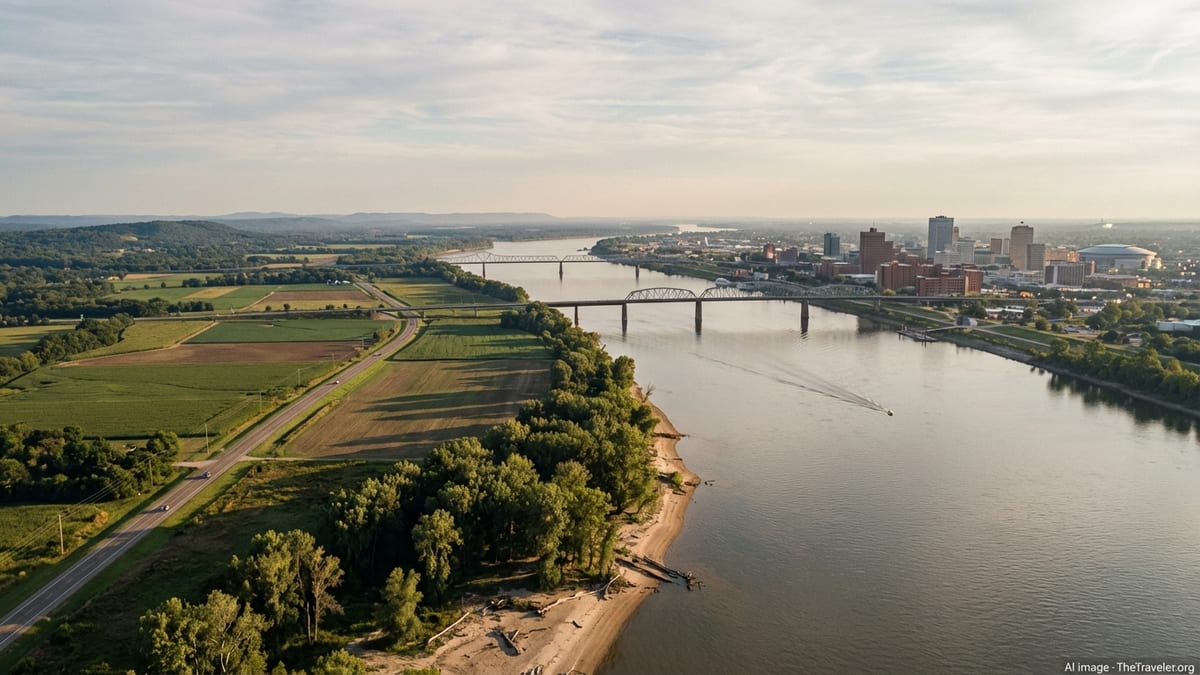
First Impressions: Two Very Different Southern Vibes
Arkansas and Tennessee share a border and a love of the outdoors, but they make very different first impressions. Arkansas leans into its “Natural State” nickname, with low-key mountain towns, quiet lakes, and uncrowded parks that feel built for road trippers and hikers who like space and slower rhythms. Tennessee, by contrast, is louder and more extroverted, anchored by big-name cities like Nashville and Memphis where music venues, festivals, and museums shape the pace of a visit.
For many travelers, Arkansas feels like a discovery. Even as tourism has grown steadily in recent years, it remains under the radar compared with Tennessee’s marquee destinations. That relative obscurity is part of the appeal: scenic drives in the Ozarks or Ouachitas, houseboat weekends on big lakes, and family-friendly river towns can feel remarkably uncommercial compared with better-known Southern hot spots.
Tennessee, on the other hand, rarely needs an introduction. The state’s brand is tied to country and roots music, barbecue, and the dramatic skyline of the Great Smoky Mountains. From the honky-tonks of Nashville to Gatlinburg’s tourist bustle, visitors encounter a highly developed tourism economy with polished attractions and major events. It is easier to plug into a ready-made itinerary here, but it also means more crowds and higher prices in top locations.
If you prefer quiet overlooks, scenic byways, and modestly scaled towns, Arkansas often comes out ahead. If your ideal trip includes live music every night, top-tier museums, and big festival energy, Tennessee usually has the upper hand.
Landscapes and Outdoor Adventure
Outdoor travelers could choose either state and never run out of things to do. Arkansas excels at uncrowded wilderness and fresh-water recreation. The state’s parks and protected areas attract millions of visitors annually, and national park sites such as Hot Springs National Park and Buffalo National River showcase a mix of rugged scenery and approachable adventures. Mountain biking, paddling, fishing, and camping are central to the experience, supported by a wide network of state parks from Lake Dardanelle to long-distance routes like Delta Heritage Trail State Park.
Recent initiatives in Arkansas have focused on elevating outdoor recreation as a core economic driver, with new trail mileage, improved river access, and steps toward designating additional state parks, including the caverns and campgrounds around Blanchard Springs. Travelers who value trail networks, dark skies, and laid-back campgrounds will find that even popular destinations retain a relatively relaxed feel compared with more famous national parks elsewhere in the country.
Tennessee’s terrain runs from the Mississippi River lowlands to the high peaks on the North Carolina border, offering a similar mix of rivers, lakes, and mountains. The centerpiece is Great Smoky Mountains National Park, one of the most visited national parks in the United States. Its waterfalls, panoramic drives, and dense trail system are spectacular, but they come with significant seasonal congestion. State parks such as Savage Gulf State Park add deep gorges, backcountry camping, and technical hiking to the mix, giving experienced hikers a wilder alternative to the Smokies’ busier corridors.
For adventure-focused travelers, the choice often revolves around crowd tolerance and trip style. Arkansas is the better fit for travelers who want to spend long days outside without jockeying for parking or sunrise photo spots. Tennessee works best for those willing to trade solitude for iconic mountain scenery and a more extensive set of guided tours, lodges, and built-out gateway towns.
City Life, Culture, and Nightlife
When it comes to urban experiences, Tennessee clearly has more global name recognition. Nashville has transformed into a major leisure destination, drawing visitors to its live music scene, celebrity chef restaurants, and packed entertainment districts. Memphis brings a different energy, grounded in blues, soul, civil rights history, and its own barbecue tradition. Both cities support year-round event calendars, from music festivals and sports to large-scale holiday celebrations in downtown spaces and urban state parks.
Chattanooga rounds out Tennessee’s urban trio with a strong outdoor-meets-city identity. Recent recognition as a National Park City highlights how its riverfront, trail systems, and public art weave together with urban neighborhoods. For travelers, this translates into easy access to hiking and cycling within minutes of hotels, plus family-friendly attractions, river cruises, and a rapidly evolving food scene.
Arkansas’s cities are smaller and subtler. Little Rock, the capital, offers a compact downtown with museums, historic sites, and a riverfront trail system, but it seldom feels overrun by visitors. Fayetteville and the broader Northwest Arkansas region lean younger and more collegiate, with live music, local breweries, and modern art institutions set amid rolling hills. Hot Springs, with its historic bathhouses and preserved architecture, straddles the line between small city and resort town, providing an old-fashioned spa atmosphere alongside trails and lakes just outside the historic core.
For nightlife, Tennessee is the obvious choice, particularly if live music and late evenings are priorities. Nashville’s honky-tonks, Memphis’s Beale Street, and festival-heavy spaces in cities like Knoxville create a dense network of evening options. Arkansas can be rewarding for travelers who prefer low-key evenings in walkable downtowns, local taprooms, or quiet lakefront cabins rather than neon-lit strips.
Road Trips, Ease of Getting Around, and Crowds
Both states are road trip friendly, but the rhythm of driving and sightseeing feels different. Arkansas’s road network favors discovery: scenic highways that wind through the Ozarks, lakeside byways, and quiet farm roads across the Delta. Traffic is generally light outside a few metropolitan areas, and many state parks and small towns can be reached without long delays or complicated parking. Travelers who enjoy meandering drives, stopping at small diners, and building flexible itineraries often find Arkansas particularly satisfying.
Tennessee’s major interstate corridors funnel travelers toward its most popular hubs. Driving between Nashville, Memphis, and Chattanooga is straightforward, but once you enter key tourism zones like the Smokies or busy downtowns, traffic and parking become central planning considerations. Gatlinburg and Pigeon Forge, as gateways to Great Smoky Mountains National Park, can see intense congestion in peak seasons, which affects everything from drive times to restaurant waits.
Crowd levels offer one of the clearest contrasts between the two states. Tennessee’s premier attractions, from the national park to music districts, draw heavy visitation, which creates a lively atmosphere but also means longer lines and less spontaneous exploration. Arkansas, despite seeing tens of millions of visits a year across the state, usually spreads those visitors across a broader mix of lakes, rivers, and smaller attractions. This produces a sense of space that many travelers find restorative, especially in high season when other destinations feel overrun.
For road trippers who value flexibility and dislike rigid reservations, Arkansas can be easier. Tennessee can still be an excellent road-trip state, but booking accommodations near major attractions well in advance and timing visits to avoid peak weekends are more important there than in most Arkansas itineraries.
Budget, Lodging, and Overall Value
Cost is often a deciding factor, and here Arkansas tends to offer a slight advantage for budget-conscious travelers. Lodging, dining, and activity prices in smaller Arkansas cities and gateway towns are often lower than equivalent offerings in Tennessee’s busiest destinations. State park cabins, campgrounds, and mom-and-pop motels can make a weeklong trip feel surprisingly affordable, especially for families and long-distance road trippers.
Arkansas’s tourism growth has encouraged investment in new campgrounds, trails, and visitor centers rather than dense strips of high-priced hotels. This focus keeps many of the best outdoor experiences either free or relatively inexpensive beyond basic fees for camping, park entry where applicable, and equipment rentals. Dining follows a similar pattern: local cafes, barbecue shacks, and small-town diners generally offer good value, particularly when you venture away from the few highest-demand pockets.
Tennessee covers a wider price spectrum. Travelers can find modest motels and budget chains throughout the state, but popular areas command premium rates. Downtown Nashville and key parts of Memphis can be expensive, especially during major events or weekends heavy with concerts and sports. Lodging near Great Smoky Mountains National Park often varies dramatically, from simple cabins and campgrounds to luxury chalets and resort-style hotels, with prices spiking in fall foliage season and summer.
That said, Tennessee also provides strong value if you prioritize free or low-cost attractions. Great Smoky Mountains National Park, scenic drives, riverside parks, and many music experiences outside headline venues can be enjoyed without hefty admission fees. Travelers willing to stay slightly outside the busiest districts, cook some of their own meals, or visit in shoulder seasons often find Tennessee costs manageable, even if nightly room rates are higher than in much of Arkansas.
Food, Drink, and Local Character
Food is an essential part of any trip, and both states deliver deeply rooted regional flavors. Arkansas’s culinary scene is grounded in Southern home cooking, catfish, barbecue, and farm-country produce. Travelers encounter plate lunches, pie counters, and small-town joints where menus change with the seasons and the owner might be working the grill. In growing urban centers like Bentonville or Fayetteville, newer restaurants layer in international influences while still leaning on regional ingredients.
Tennessee’s food culture is better known nationally, particularly for barbecue and hot chicken. Memphis is synonymous with slow-smoked pork, ribs, and soul food sides, while Nashville’s hot chicken has become a regional export in its own right. Cities across the state now support a wide range of modern Southern restaurants, breweries, and cocktail bars. For travelers who like to organize trips around restaurants and nightlife, this depth and variety are a major draw.
In terms of drink, both states sit within a broader Southern beer and spirits renaissance. Arkansas has an expanding craft beer and small-batch distillery scene, often centered in college towns and arts-focused cities. Tennessee, meanwhile, benefits from its association with whiskey heritage, from big-name distilleries to smaller operations that offer tours and tastings. Wine and cider are present in each state, particularly in mountain or highland regions where cooler nights favor certain varietals.
When weighing food and drink alone, Tennessee often feels more like a destination state for culinary tourism, while Arkansas excels at intimate, personal experiences where chatting with the pitmaster or baker is part of the charm. Travelers should expect plenty of comfort food either way, with Tennessee generally offering more high-profile restaurants and Arkansas delivering a quieter but often more affordable table.
Who Wins for Different Types of Travelers?
Because Arkansas and Tennessee excel in different areas, the better choice depends heavily on your travel style and priorities. For hikers, paddlers, and campers who place a premium on space and lower crowds, Arkansas is often the better base. Its network of state parks, lakes, and rivers lends itself to multi-day itineraries that feel relaxed rather than scheduled around timed entries or congested trailheads.
Road trippers who enjoy serendipity and small-town discoveries also tend to favor Arkansas. The lack of heavy traffic on many scenic routes, coupled with modest lodging prices, makes it easy to build flexible trips that respond to weather or whim. Families looking for cost-conscious outdoor vacations, where swimming holes and campfires replace theme parks, frequently find that Arkansas fits both their budgets and their expectations.
Tennessee is the stronger pick for culture seekers, music fans, and travelers who want big-city energy as part of the experience. If your wish list includes nights on a bustling music strip, touring major museums, and pairing hikes with chef-driven dinners, Tennessee’s cities provide far more options than Arkansas can match. The state is also ideal for travelers who like combining iconic park landscapes with entertainment-heavy towns, such as spending the day in Great Smoky Mountains National Park and the evening in Gatlinburg or Pigeon Forge.
For many travelers, the best solution may be not choosing at all. Because the states border each other, it is entirely feasible to design a regional itinerary that begins in Memphis or Nashville, then crosses into Arkansas for quieter lakes, rivers, and mountains. Those with more time can create loops that connect the Ozarks with Tennessee’s highlands, experiencing both vibes in a single extended road trip.
The Takeaway
In a head-to-head comparison, neither Arkansas nor Tennessee emerges as universally “better” for travelers. Instead, each offers a distinct flavor of Southern travel. Arkansas stands out for its laid-back landscapes, budget-friendly stays, and sense of discovery. It is a place where you can camp beside a quiet lake, explore a national river, or wander a small downtown without feeling swept up in a tourism machine.
Tennessee shines through its cultural and urban attractions, from the iconic ridgelines of the Smokies to the bright lights and live music of Nashville and Memphis. Travelers who thrive on energy, events, and nightlife are likely to find more of what they seek in Tennessee, even if it means accepting higher prices and heavier crowds in the most popular places.
Ultimately, the better state is the one that aligns with your expectations. If you picture your ideal trip as a string of trailheads, quiet overlooks, and modest cabins, Arkansas deserves the top spot on your list. If you imagine live bands, museum days, and bustling streetscape alongside mountain views, Tennessee will probably feel like the stronger choice. With a bit of planning, however, you can experience both in a single journey, discovering that the real winner is the diversity of travel possibilities along this shared stretch of the American South.
FAQ
Q1. Which state is better for outdoor enthusiasts, Arkansas or Tennessee?
Both states offer excellent outdoor options, but Arkansas generally provides quieter trails, lakes, and rivers with fewer crowds, while Tennessee combines iconic Smoky Mountain scenery with more heavily visited parks and gateway towns.
Q2. Is Arkansas or Tennessee more affordable for a weeklong trip?
Arkansas tends to be slightly more budget friendly, especially for lodging and dining in smaller towns, while Tennessee’s major cities and top tourist hubs can be noticeably more expensive during busy seasons.
Q3. Which state has better cities for nightlife and live music?
Tennessee clearly leads in nightlife and live music, thanks to Nashville, Memphis, and other cities that offer dense clusters of venues, festivals, and late-night entertainment.
Q4. Where will I find fewer crowds during peak travel seasons?
In general, Arkansas sees lighter crowds at many of its outdoor destinations, while Tennessee’s most popular areas, especially Great Smoky Mountains National Park and major city districts, can feel very busy in summer and fall.
Q5. Which state is better for family trips with young children?
Both work well, but the choice depends on interests: Arkansas is great for relaxed lake trips, easy hikes, and camping, while Tennessee offers more built-out attractions like themed towns, large aquariums, and interactive museums.
Q6. If I love food, should I prioritize Arkansas or Tennessee?
Tennessee offers a higher concentration of nationally known restaurants and signature dishes such as Memphis barbecue and Nashville hot chicken, while Arkansas excels at down-to-earth Southern cooking and small-town spots with strong local character.
Q7. Do I need to rent a car to explore either state properly?
Yes, a car is highly recommended in both states, as many of the best outdoor areas and smaller towns are not easily reached by public transportation, and road trips are a core part of the experience.
Q8. Can I visit both Arkansas and Tennessee in a single trip?
Absolutely. The states share a long border, and many travelers design loops that start in a Tennessee city such as Memphis or Nashville before crossing into Arkansas for quieter parks and mountain or lake time.
Q9. Which state is better for first-time visitors to the American South?
Tennessee often makes a strong first impression because its cities and national park are so well known, while Arkansas appeals more to repeat visitors or those seeking a less obvious, more off-the-radar Southern experience.
Q10. How should I decide between Arkansas and Tennessee if I only have a long weekend?
If you only have a few days and want maximum variety of nightlife, museums, and nearby nature, Tennessee is usually the better choice; if you prefer a quiet, nature-centered escape without tight schedules, Arkansas may be more rewarding.