

More news on this day
Arkia Airlines has suspended all flights between Israel and Jordan after Jordanian authorities abruptly barred Israeli carriers from using the kingdom’s airspace and airports, a move that has left thousands of booked passengers scrambling to replan trips at the height of the spring travel season.
Get the latest news straight to your inbox!
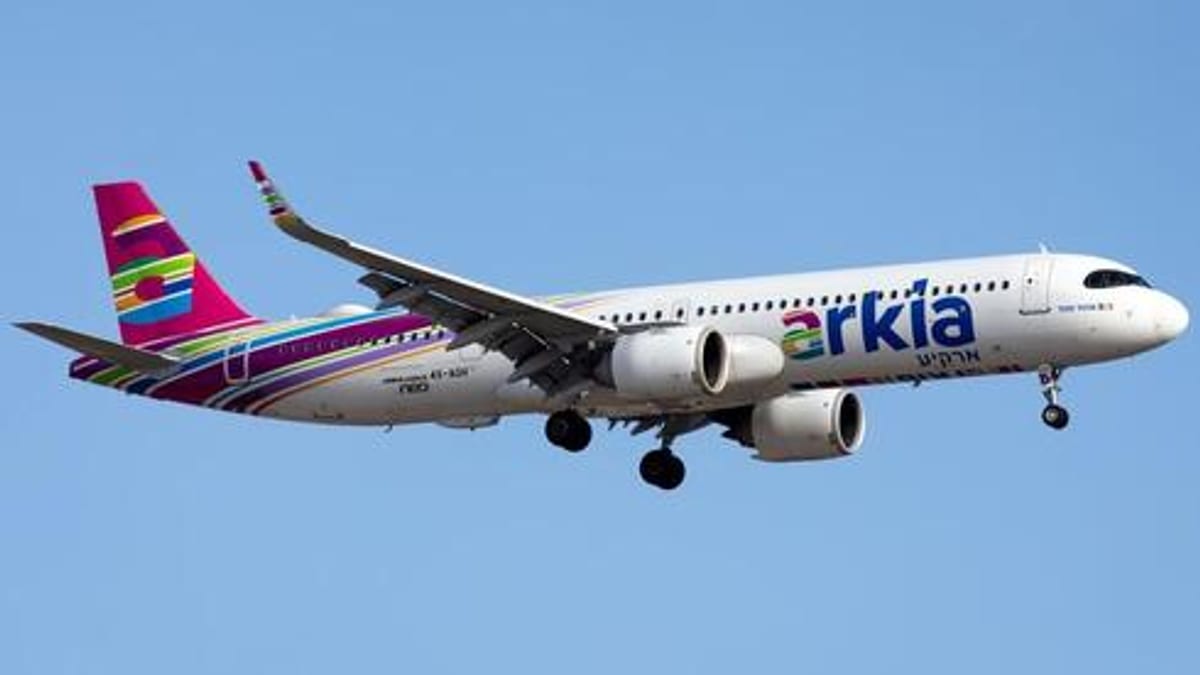
Image by ynetnews
Last-Minute Ban Disrupts a Busy Short-Haul Route
Publicly available flight information shows that Arkia, one of Israel’s main leisure and regional airlines, halted its Tel Aviv–Amman operations shortly after Jordan introduced new restrictions on Israeli carriers. The measure, which took effect with little advance warning, effectively shut Israel’s private airlines out of Jordan’s airports, immediately cutting a popular short-hop route used by tourists and business travelers.
According to published coverage, customers learned of the cancellations through airline notifications and airport departure boards rather than a long lead-up period. Many had planned weekend city breaks, religious tourism visits and connecting journeys across the region using Amman as a gateway, reflecting the growing role of Jordan as a hub for visitors to the wider Levant.
Industry data cited in regional media indicate that Arkia had expanded its Jordan schedule in recent years alongside broader efforts to add short-haul regional destinations. The abrupt halt has therefore had an outsized effect on the carrier’s planned spring schedule, forcing last-minute operational changes and stranding passengers who built complex itineraries around the Jordan link.
Observers note that the move comes during an already volatile period for Middle East aviation, with several countries periodically adjusting airspace access in response to shifting security conditions. The Israel–Jordan corridor, normally one of the region’s shortest international hops, has now become another casualty of that uncertainty.
Thousands of Passengers Scramble for Alternatives
Reports in Israeli and Jordanian media state that thousands of travelers with existing bookings on Arkia’s Jordan flights have been affected, many with tickets purchased weeks in advance. Some passengers had already begun their journeys from Europe or North America when they were informed that the final leg to Jordan via Arkia would no longer operate.
Travel agents and tour operators quoted in regional coverage describe a surge in requests to reroute through third countries or to replace Arkia segments with other airlines that still have access to Jordanian airports. In many cases, this has meant longer itineraries, higher prices or overnight layovers as travelers attempt to salvage their trips.
Published accounts highlight that affected passengers include both inbound tourists headed for Jordan’s major attractions and Israeli travelers using Amman for onward connections. Petra, Wadi Rum and the Dead Sea region are among the destinations most frequently cited in disrupted itineraries, underscoring the broader tourism impact beyond the immediate Israel–Jordan point-to-point market.
Consumer advocates in the region are drawing attention to the challenges of reclaiming refunds or securing no-cost rebooking in a fast-moving situation. With airlines, tour companies and online travel agencies each holding different parts of a journey, travelers have in some cases been left navigating multiple customer-service channels to resolve a single cancelled flight.
Arkia Adjusts Network as Regional Tensions Hit Aviation
The suspension of Jordan flights adds to a series of recent disruptions to air travel across the Middle East as tensions periodically spike and airspace rules change. Aviation analytics cited in international coverage show that the region has experienced waves of cancellations and reroutings, with carriers forced to adapt routes to avoid temporarily restricted skies.
Arkia, which focuses heavily on leisure traffic, has in the past relied on short regional sectors to balance its portfolio of Mediterranean and Red Sea destinations. With Jordan removed from its schedule for the time being, industry observers expect the airline to redirect capacity to other nearby markets where demand remains robust and operational conditions are more predictable.
Analysts following the sector note that sudden regulatory decisions and airspace closures can have a disproportionate impact on smaller carriers, which typically operate tighter schedules and have fewer alternative aircraft and crew resources available. For Arkia, the loss of Jordan services not only affects ticket revenue but also reduces flexibility in deploying aircraft on high-demand days.
The situation also underscores the broader vulnerability of the region’s aviation network. When a neighboring state closes its skies or limits access, the impact can ripple across multiple airlines and hubs, altering flight times, increasing fuel costs and complicating connections that many travelers had previously taken for granted.
Tourism and Cross-Border Travel Feel the Strain
Tourism boards and industry groups in both countries have spent recent years promoting short, multi-country itineraries that combine Israeli and Jordanian sites on a single trip. Publicly available tourism data indicate that this model has been particularly attractive to European and North American visitors, who often plan one- to two-week journeys covering major cultural and natural landmarks on both sides of the border.
The sudden halt in Arkia’s Jordan flights has disrupted that model by removing a convenient air link that many tour packages relied upon. While land crossings remain available subject to local regulations, travel planners point out in published commentary that these options often require more time and coordination, particularly for groups with tight schedules.
Hotel operators and inbound tour companies are now reassessing demand forecasts for the coming weeks. Some are offering more flexible booking terms to encourage travelers to keep their reservations while they sort out new transportation arrangements, while others are adjusting marketing efforts to focus on domestic or single-country visitors less affected by cross-border flight changes.
According to open tourism statistics and regional coverage, Jordan’s visitor numbers have been recovering from earlier downturns, helped by renewed interest in historic and outdoor sites. Any sustained reduction in easily bookable air links from neighboring markets could slow that momentum, particularly in higher-spending segments that favor organized itineraries and direct flights.
What Travelers Can Do Now
Travel experts cited in news reports recommend that passengers booked on Arkia’s cancelled Jordan flights first confirm the status of their reservation directly through the airline or their issuing travel agent. In many cases, affected customers may be entitled to refunds, vouchers or rebooking on alternative dates or routes, depending on fare rules and the manner of purchase.
Specialists also suggest that travelers consider land-border options, where available, while paying close attention to visa requirements, opening hours and any additional security checks. For some itineraries, rebooking to fly into Tel Aviv or another regional hub and continuing overland to Jordan may be more practical than attempting to recreate the original flight plan.
Passengers with complex, multi-ticket journeys are encouraged in publicly available guidance to keep records of all communications and receipts, as these may be useful in seeking compensation for additional expenses such as hotel stays or replacement tickets. Travel insurance policies that cover disruption due to political or operational changes can also play a role, although coverage varies widely.
For future trips, analysts advise building more flexibility into schedules when traveling through politically sensitive regions and considering routing options that offer multiple alternative carriers or hubs. The Arkia–Jordan disruption has become another reminder that even very short international hops can be subject to sudden change, with significant consequences for travelers and the wider tourism economy.