

More news on this day
Passengers across Asia are facing fresh disruption as at least 33 flights have been canceled and more than 800 delayed, with the worst impacts seen in India, Indonesia and Japan as major carriers including IndiGo, Batik Air and Japan Airlines grapple with operational strains and lingering capacity constraints.
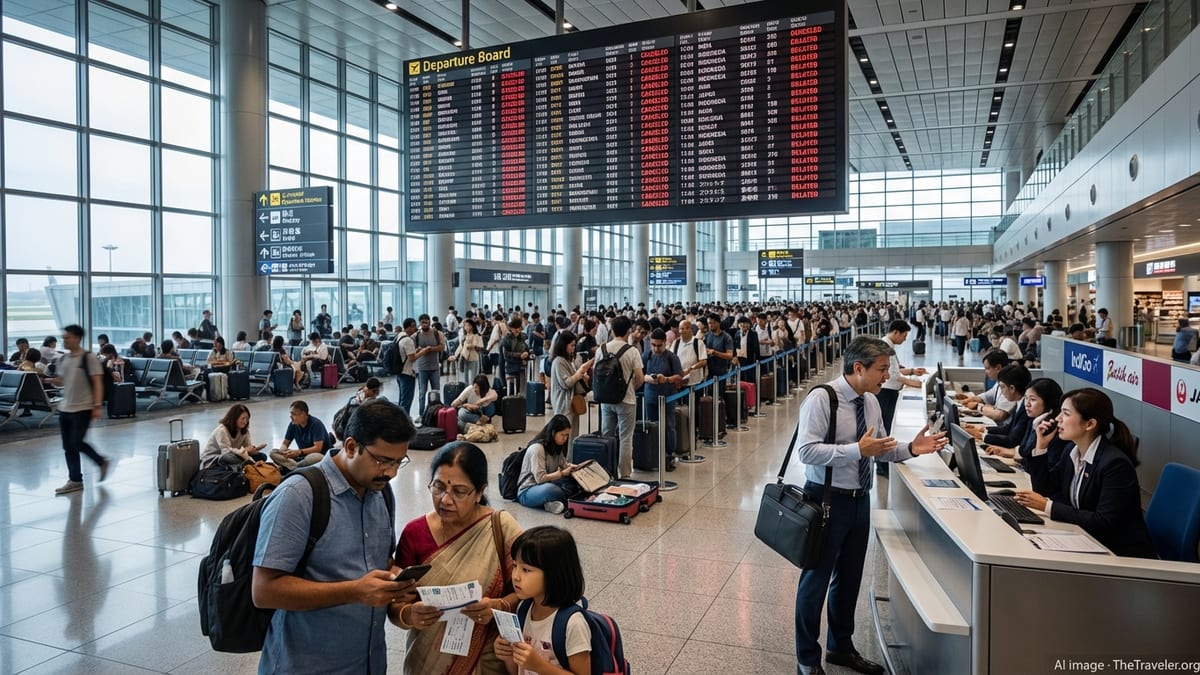
New Wave of Disruptions Across Asian Skies
The latest wave of cancellations and delays is unfolding against an already fragile backdrop for Asian aviation, where tight aircraft availability, crew rostering challenges and congested hubs have left little margin for error. Even a limited number of cancellations can trigger a cascade of missed connections and rolling delays through already busy schedules.
Airports in India, Indonesia and Japan have been among the hardest hit in recent days, according to operational data shared by airlines and aviation regulators. While the total of 33 flight cancellations is modest compared with past mass disruptions, the knock on effect on 812 delayed services has stranded and rerouted thousands of travelers, particularly those relying on domestic-to-international connections.
Industry analysts say weather, crew rules and aircraft maintenance are combining into a complex operational puzzle. Airlines are continuing to adjust winter and early spring timetables, and any late changes can leave passengers facing overnight delays, last minute rerouting and limited rebooking options on already full flights.
India: IndiGo Still Rebuilding Confidence After December Meltdown
In India, IndiGo’s current delays and tactical cancellations come just weeks after the carrier endured one of the most severe operational crises in its history. In early December 2025, IndiGo failed to adequately adapt to new crew duty and rest rules, forcing it to ground hundreds of flights and ultimately cancel thousands over a ten day period, leaving more than a million passengers stranded nationwide.
The Directorate General of Civil Aviation has since detailed the extent of that meltdown, noting that IndiGo cancellations and long delays affected around 1.62 million domestic flyers in December alone. The regulator deployed inspectors to the airline’s operations control centre and major airports, demanded daily disruption reports and forced the carrier to process pending refunds and alternate travel for impacted passengers.
Although IndiGo has told regulators it now has adequate numbers of pilots in place and has assured there will be no repeat of mass cancellations beyond February 10, 2026, its network remains finely balanced. Adjustments to long haul services, including the suspension of flights to Copenhagen and reduced frequencies to London and Manchester, show how the airline is trimming its schedule to restore reliability after a turbulent winter.
For passengers caught in the latest round of delays or cancellations on IndiGo, the most immediate issues are rebooking options and compensation. Because many of the disruptions are linked to internal scheduling decisions rather than unavoidable weather events, consumer advocates in India argue that travelers should push for full refunds or free changes and document additional expenses, such as hotels and meals, for potential reimbursement.
Indonesia: Batik Air Under Pressure in a Crowded Market
In Indonesia, Batik Air is among the carriers facing pressure as the domestic and regional market continues to expand faster than supporting infrastructure. Jakarta and Denpasar are handling heavy traffic as airlines add frequencies, but runway and airspace bottlenecks mean minor delays can quickly multiply, particularly at peak hours.
Batik Air, part of the Lion Air Group, serves a large network of domestic and short haul regional routes that are heavily used by business travelers and migrant workers. Any cancellation or long delay can therefore leave passengers without easy alternatives, especially from secondary cities where there may be only one or two daily departures on a given route.
Indonesian aviation authorities have been urging airlines to improve schedule planning and ensure reserve aircraft and crews are in place for the busy first quarter, which includes domestic travel peaks around school holidays and religious events. But with margins still thin after the pandemic years, carriers like Batik Air often operate with limited spare capacity, increasing the risk of knock on delays when a technical fault or late inbound arrival occurs.
Passengers flying with Batik Air or other Indonesian carriers during this period should be prepared for possible last minute gate changes and rolling departure times. Checking flight status on official airline channels before leaving for the airport, arriving early to clear security and holding flexible onward plans can help mitigate the risk of missed connections.
Japan: Aircraft Shortages and Safety Incidents Disrupt Schedules
In Japan, flight disruptions in recent weeks have been heavily influenced by aircraft availability and safety related incidents. Japan Airlines has already announced waves of cancellations and delays stretching into early 2026 after one of its flagship Airbus A350 1000 aircraft was damaged on the ground at New York’s John F. Kennedy Airport in December, forcing the airline to reshuffle wide body capacity across its long haul network.
That incident followed an earlier run of severe congestion and weather challenges at major Japanese airports, where tight slot controls leave airlines with little room to reschedule. When a long haul aircraft goes out of service for repairs, it can prompt cancellations on multiple routes, pushing passengers onto already full alternative flights or requiring overnight stays at transit hubs.
Japan’s airlines are also managing a careful balance between safety and schedule integrity after a series of high profile mishaps globally sharpened public scrutiny. Regulators and carriers alike emphasize that safety inspections and maintenance checks will always take priority over on time performance, even if that means last minute cancellations affecting travelers heading to or from Japanese hubs.
Passengers flying with Japan Airlines and other major carriers to or from Tokyo, Osaka and regional Japanese airports should expect that operational decisions may be conservative in marginal weather or when technical issues are detected. While that approach enhances safety, it can lead to abrupt schedule changes, particularly during busy morning and evening banks of flights.
Why Relatively Few Cancellations Can Cause Massive Delays
A striking feature of the current disruption is the contrast between the relatively small number of outright cancellations and the very large number of delayed services. Aviation analysts note that a cancellation at the wrong time of day, or involving an aircraft that is scheduled to operate multiple legs, can cascade across an airline’s entire network.
In hubs like Delhi, Jakarta and Tokyo, aircraft may be rostered to operate four to six sectors over the course of a day. If the first flight of the morning is delayed by an hour due to crew issues or air traffic congestion, every subsequent leg risks departing late, especially if there is limited buffer built into the schedule. Once rotations slip beyond a certain point, airlines may opt to cancel one flight to reset the pattern, but that can still leave a trail of delays behind it.
Moreover, winter and early spring are periods when weather frequently compounds these problems. Fog at Indian airports, heavy rain in parts of Indonesia and strong winds or low visibility in Japan can trigger temporary closures of runways or reduced landing rates, stretching air traffic control and creating arrival and departure queues that can take hours to clear.
For travelers, this means that even if their own flight is not on the cancellation list, it may still be affected by earlier disruptions. A seemingly modest network shock involving 33 flights can therefore contribute to hundreds of delays, especially when airlines are already running at high load factors with few spare aircraft or crew to recover the schedule.
What Affected Passengers Are Entitled To
Passenger rights in Asia vary widely by country and are often less clear cut than in regions with unified frameworks such as the European Union. However, travelers whose flights are canceled or heavily delayed still have important protections, particularly when disruptions are deemed within the airline’s control rather than caused solely by extreme weather or air traffic control restrictions.
In India, the Directorate General of Civil Aviation requires airlines to offer either full refunds or alternative flights at no extra cost when services are canceled, and to provide meals and accommodation in certain cases of long delays. Recent enforcement actions following IndiGo’s December 2025 crisis suggest regulators may be more assertive in ensuring carriers honor these obligations, especially where scheduling or crew planning failures are involved.
Indonesia and Japan take slightly different approaches, relying more heavily on airline specific conditions of carriage and consumer protection laws. In practice, major carriers such as Batik Air and Japan Airlines generally offer rebooking on the next available flight and, in some circumstances, hotel vouchers or meal coupons when the disruption is linked to technical or operational issues.
Passengers should carefully review the terms on their tickets and keep all documentation, including boarding passes, booking confirmations and receipts for any extra expenses. Where travel insurance has been purchased, policy wording may offer additional coverage for missed connections, overnight stays and non refundable bookings such as tours and hotels at the destination.
Practical Steps for Travelers With Canceled or Delayed Flights
For passengers whose flights are among the 33 canceled or the hundreds delayed, swift and informed action can make a significant difference to how disruptive the experience becomes. The first step is to confirm the status of the flight directly with the airline, either through its mobile app, website or customer service channels, since third party listings may lag behind real time updates.
If a flight is canceled, travelers should immediately request rebooking on the next available service or, if plans have become unworkable, a full refund. In busy markets such as India and Indonesia, same day alternatives can sell out quickly, so moving early is essential. Where an onward connection is at risk, passengers should contact both the airline operating the disrupted flight and any partner or separate carriers involved in the itinerary to discuss options.
In the case of long delays, passengers should ask airline staff about meal vouchers, hotel accommodation and ground transport support, and request written confirmation of the length and reason for the delay. Keeping a record of all interactions and any promised assistance can be useful later if there is a need to escalate a complaint or seek compensation through regulators or consumer bodies.
Those traveling on business or for time sensitive reasons may also want to explore alternative routes, even if they involve different carriers or nearby airports. For example, passengers in India might look at flights from alternate metros, while travelers in Indonesia could consider routing through secondary hubs if Jakarta or Denpasar services are heavily affected.
How to Reduce Risk on Upcoming Trips in the Region
With Asia’s aviation network still operating close to capacity and several major airlines in recovery mode from recent crises, passengers planning trips in the coming weeks can take practical steps to reduce their exposure to disruption. Booking the first flight of the day where possible, allowing longer connection times and avoiding extremely tight layovers can all improve the odds of reaching the final destination on schedule.
Where budgets allow, choosing tickets on a single through itinerary with one airline or alliance, rather than separate point to point bookings, gives travelers stronger protection if things go wrong. In the event of a cancellation or missed connection, carriers are generally more willing and able to re accommodate passengers within their own systems or on partners when all segments are on the same ticket.
Travelers should also pay close attention to ongoing schedule changes. IndiGo’s decision to trim some long haul services, and Japan Airlines’ continuing adjustments while key aircraft are out of rotation, illustrate how timetables in Asia remain fluid. Setting up flight alerts, checking reservations regularly and reconfirming details 24 to 48 hours before departure can help travelers spot changes early.
Finally, comprehensive travel insurance that covers delays, cancellations and missed connections can provide a financial safety net. Policies that reimburse for additional accommodation, meals and rebooking costs can soften the blow when airlines are unable or unwilling to cover all out of pocket expenses, particularly on complex multi stop itineraries.