

More news on this day
Travellers across Asia are facing a new wave of schedule turmoil as more than 20 flights touching major hubs such as Jakarta, Bali, Kuala Lumpur and Taipei are cancelled or heavily delayed, with regional carriers including AirAsia, Malaysia Airlines and IndiGo, alongside long-haul players like United Airlines, adjusting networks in response to shifting demand, higher fuel costs and wider geopolitical instability.
Get the latest news straight to your inbox!
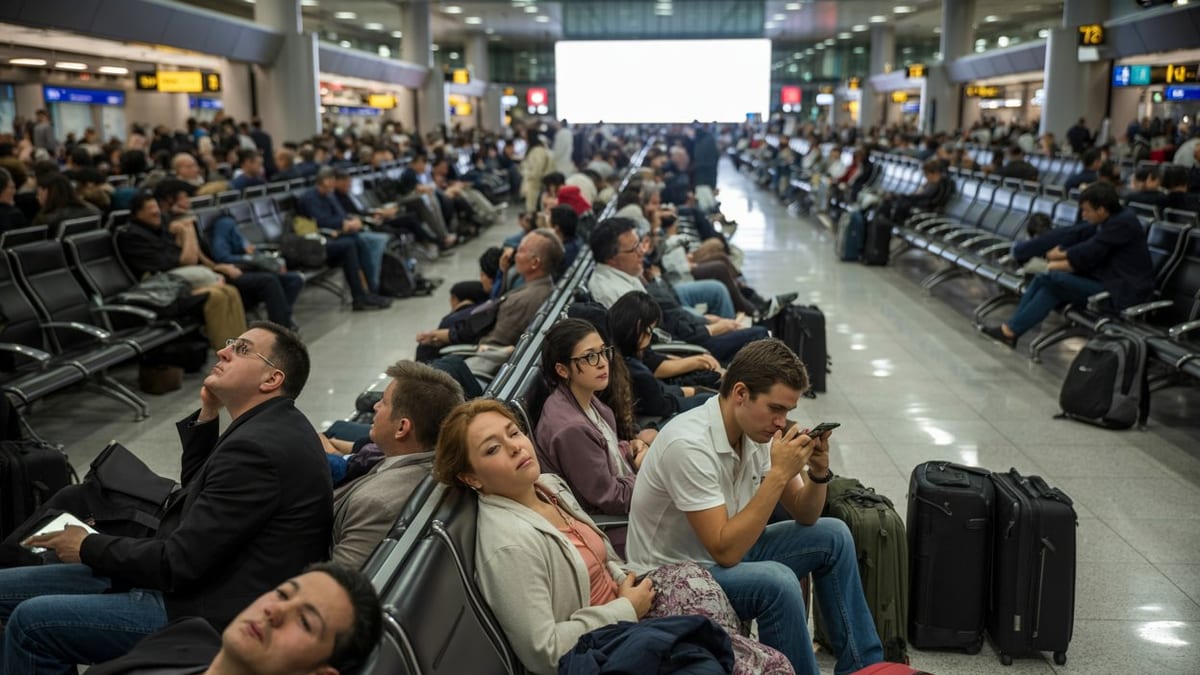
Image by Travel And Tour World
Fresh Cancellations Hit Key Southeast Asia Gateways
Published coverage from regional aviation trackers and consumer reports indicates that a cluster of cancellations has built up in recent days on short haul routes linking Indonesian and Malaysian cities, including services between Jakarta, Denpasar in Bali, Kuala Lumpur and secondary points in the region. While each airline is responding to its own operational pressures, the net effect for passengers is a patchwork of gaps in normally busy schedules.
AirAsia, which has aggressively rebuilt its network since the pandemic, appears among the most visible due to its dense timetable of low cost flights. Publicly available schedules show a handful of short notice cancellations around peak travel periods, including services feeding Kuala Lumpur from Indonesian cities that act as onward gateways to Bali and North Asia. Travellers posting on social platforms describe last minute text alerts, app notifications and airport display changes that removed flights only hours before departure.
Malaysia Airlines, the country’s full service flag carrier, has largely maintained core trunk routes but has also trimmed or combined some frequencies where demand has softened or where knock on delays made rotations hard to sustain. On certain days this has resulted in Kuala Lumpur departures to regional capitals leaving later than planned or being consolidated into a single flight, leaving earlier departures cancelled and passengers rebooked.
In Indonesia, domestic and cross border connections are particularly exposed because many itineraries rely on tight transfers between low cost and full service carriers. When a single AirAsia or Malaysia Airlines leg is dropped, reports show that trips onward to Bali or Jakarta can unravel, forcing travellers to accept overnight stays, circuitous rerouting via alternative hubs or refunds that may not cover the cost of last minute replacement tickets.
IndiGo’s Recent Turbulence Adds To Regional Strain
India’s largest carrier, IndiGo, has been dealing with its own operational challenges since a scheduling crisis in late 2025 led to thousands of cancellations and a regulatory intervention to ease crew duty limits and cap fares. Background information on that episode shows how fragile high frequency networks can become when staffing and rostering margins are too thin, and observers note that knock on effects are still being felt across parts of the airline’s international network into early 2026.
While current cancellations on IndiGo routes touching Southeast Asia are far smaller than during the height of the crisis, disruptions have not disappeared. Aviation data providers show intermittent cancellations and equipment swaps on routes linking Indian metros with Bangkok, Singapore and occasionally Kuala Lumpur, forcing some passengers to be moved to later services or routed through alternative Indian hubs. Travellers connecting onward to Indonesia or Taiwan can be particularly vulnerable when an IndiGo leg is removed from the sequence.
Consumer accounts suggest that rebooking experiences vary widely. Some passengers report relatively smooth reaccommodation on the next available IndiGo or partner flights, while others describe spending hours in call centre queues or struggling with limited self service tools when trips originated with online travel agencies. For those headed to holiday destinations like Bali or onward to Taipei, even a rebooking within 24 hours can mean lost hotel nights and missed tours at the start of a trip.
The experience underscores how interconnected Asia’s aviation system has become. A cancellation on a Mumbai or Delhi departure can ripple through to beach resorts in Indonesia or city breaks planned around weekend departures from Kuala Lumpur, even if local airports appear to be operating normally.
United And Other Long Haul Carriers Adjust Asia Flying
Long haul airlines, including United Airlines, are also reassessing parts of their Asia schedules as global conditions change. Market analyses published in recent weeks link these adjustments to a combination of elevated jet fuel prices, indirect routing around conflict zones and softer corporate demand on some transpacific and transcontinental city pairs.
For United, publicly available timetables and investor commentary indicate that select frequencies to Southeast Asia and connecting points have been trimmed or seasonally adjusted rather than fully withdrawn. In practice, this can mean that a daily service becomes five or six flights per week, with one or two days showing cancellations and remaining departures carrying heavier loads. Passengers bound for Jakarta, Bali or Kuala Lumpur via United’s alliance partners may find that previously straightforward one stop itineraries now involve longer layovers or additional connections.
Other global airlines are navigating similar trade offs. Reports on the wider industry response to geopolitical tensions highlight how carriers from Europe, the Gulf and East Asia have cancelled or rerouted services around sensitive airspace, concentrating traffic through a smaller number of viable corridors. This has occasionally left Asia bound travellers with fewer timing options and increased exposure to disruption if a single flight on a key route is removed.
Travel industry analysts note that while these schedule changes are often described as routine network optimization, the combined effect for passengers using Asia as a destination or a bridge between continents can resemble rolling disruption. A modest cut by one airline can compound the impact of operational problems at another, especially on high demand leisure flows to Bali and other Indonesian islands.
Jakarta, Bali, Kuala Lumpur And Taipei Feel The Pinch
Jakarta, Denpasar in Bali, Kuala Lumpur and Taipei rank among Asia’s busiest and most strategically important airports, serving as both origin points and connection hubs. Data published by airport authorities and regional aviation bodies in recent years show consistent growth in passenger numbers through these gateways, including strong recovery after pandemic restrictions eased.
That scale means even a relatively small number of cancellations on a given day can strand thousands of travellers or create long queues at rebooking desks. Recent passenger reports from Jakarta and Bali describe crowded customer service counters as multiple flights were cancelled or retimed, with some airlines handing out meal vouchers while others directed customers to handle changes through mobile apps. At Kuala Lumpur and Taipei, social media posts highlight long waits at immigration after disrupted arrivals bunched multiple large aircraft into similar time windows.
Destination markets are also feeling the impact. Hoteliers in Bali and parts of coastal Malaysia have reported bursts of late check ins and early departures as guests rearrange stays to match altered flight schedules, while tour operators catering to Taiwan bound visitors from Southeast Asia have observed more last minute amendments. Although many travellers still reach their destinations within a day of their original plans, the uncertainty has added a new layer of stress to trips that once felt straightforward.
Local businesses depending on weekend city breaks and short haul leisure traffic are watching developments closely. Travel agencies in major Asian capitals are advising customers to build in wider buffers between flights, particularly when departing on late evening services that could be vulnerable if earlier rotations run late or are cancelled outright.
What Travellers Can Expect In The Coming Weeks
Industry commentary suggests that short term volatility is likely to persist. Airlines across Asia and beyond are juggling higher operating costs, evolving safety considerations along certain corridors and ongoing staffing constraints. With carriers such as AirAsia, Malaysia Airlines, IndiGo and United adjusting capacity in response, travellers using routes that touch Jakarta, Bali, Kuala Lumpur, Taipei and other popular hubs should be prepared for continued timetable changes.
Publicly available guidance from airlines and airports consistently encourages passengers to monitor flight status closely in the 24 hours before departure and again on the day of travel. Many carriers now update apps and websites in near real time, and rebooking tools are increasingly integrated into digital channels, although their reliability can vary during peak disruption.
Travel planners recommend practical steps to limit exposure to cascading cancellations. These include allowing extra connection time when combining separate tickets, avoiding tight late night transfers through busy hubs when possible, and considering travel insurance products that explicitly cover missed connections and schedule changes. For complex itineraries linking multiple Asian cities, some advisors are steering customers toward single airline or single alliance tickets, which can make reaccommodation easier if one leg is removed.
For now, the picture across Asian skies is one of cautious adjustment rather than full scale shutdown. Yet with more than 20 flights already cancelled or reshaped across a web of routes connecting Jakarta, Bali, Kuala Lumpur, Taipei and other cities, the region’s travellers are once again reminded that flexibility has become an essential part of flying.