

More news on this day
Asia Pacific airlines started 2026 with solid passenger gains, as fresh traffic figures for January highlight resilient tourism demand across the region despite calendar quirks and industry capacity constraints.
Stronger Start to the Year for Regional Carriers
Preliminary data from the Association of Asia Pacific Airlines shows that the region’s carriers transported 35.5 million international passengers in January 2026, a 3.6 percent increase compared with the same month a year earlier. Measured in revenue passenger kilometres, demand rose by 3.3 percent, while capacity expanded by 4.6 percent. The resulting average international load factor eased slightly to 82.8 percent, but remained comfortably in line with pre-pandemic norms, underlining healthy utilisation of seats.
The performance is particularly notable given that January 2025 numbers were boosted by the Lunar New Year travel peak, which this year shifted into February. That calendar effect usually depresses comparative figures, yet Asia Pacific airlines still posted growth, reinforcing the depth of pent-up and structural demand for travel in and around the region.
Industry analysts note that January’s outcome fits within a broader global pattern. The International Air Transport Association reported that worldwide passenger demand in January 2026 increased by 3.8 percent year on year, as capacity growth and record-high load factors signalled that airlines are still catching up with travelers’ appetite for flying. Asia Pacific’s contribution to that global expansion remains significant, driven by large domestic markets and increasingly dense international networks.
Behind the headline numbers, the mix of travel is also shifting. Corporate and premium traffic, which lagged the rapid rebound of leisure travel in earlier years, is now firming, particularly on regional business routes and long haul connections to North America and Europe operated by leading Asian hubs.
Tourism Demand Anchored by Key Hubs
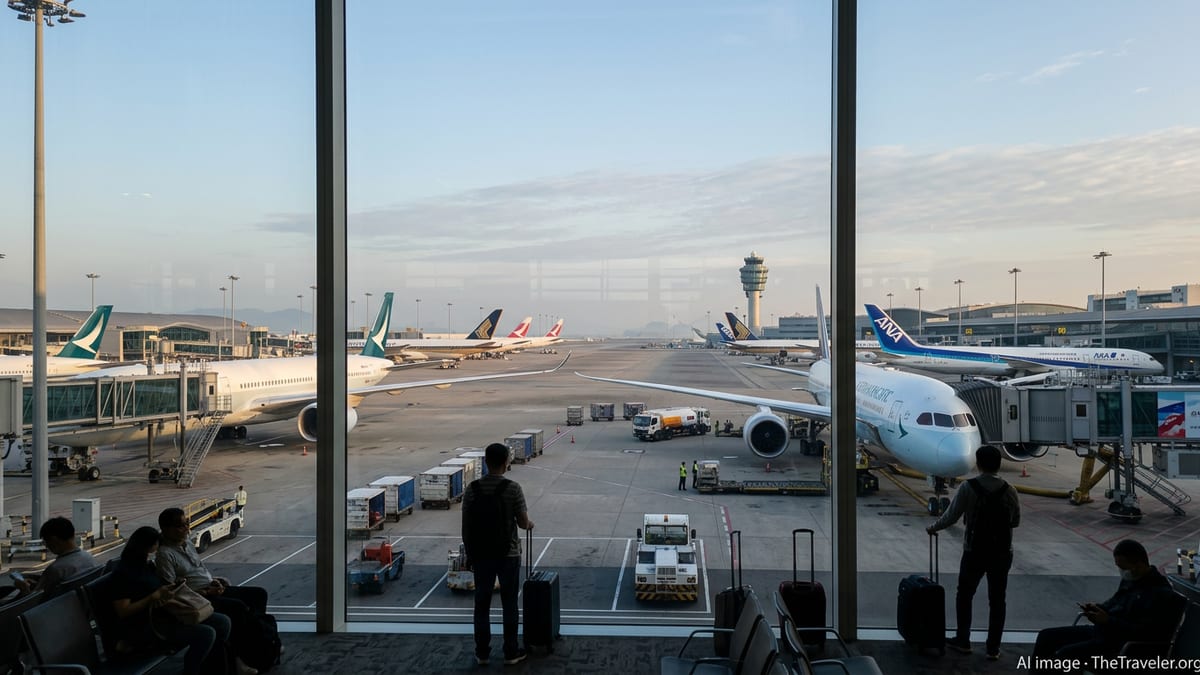
The robust start to 2026 is being felt most strongly at the region’s major gateway airports, which report continued rises in both origin and connecting passengers. Hong Kong International Airport, for example, handled 5.51 million passengers in January 2026, an increase of 4.5 percent year on year. Transit and transfer volumes recorded double digit growth, with traffic to and from the Chinese mainland, Southeast Asia and North America showing the most pronounced gains.
In Hong Kong, that momentum is mirrored at airline level. The Cathay Group reported that its carriers Cathay Pacific and HK Express transported more than 3.3 million passengers in January, up 11 percent from a year earlier. Available seat kilometres increased by 14 percent, indicating a continued rebuilding of capacity, while strong load factors in premium cabins pointed to a rebound in higher-yield corporate travel alongside resilient leisure flows.
Elsewhere in the region, hubs such as Singapore, Bangkok and Tokyo have seen traffic return to or exceed pre-pandemic levels. Operators at these airports attribute ongoing demand to a combination of restored flight frequencies, relaxed border measures, and the enduring appeal of Asia Pacific’s tourism hotspots, from Indonesian beach destinations to Japanese ski resorts.
Tourism boards across the region are leaning into the recovery with targeted campaigns, new events calendars and incentive programmes aimed at both airlines and travelers. Combined with steadily improving connectivity, these initiatives are helping sustain year-round flows rather than the heavily seasonal peaks that characterised earlier stages of the post-pandemic rebound.
Leisure, VFR and Business Travel All Contribute
January’s passenger figures reflect a broad mix of travel motivations. Leisure travel remains the primary driver, with strong outbound demand from major markets including China, India, Japan and Australia to popular destinations in Southeast Asia and the Pacific. Warm-weather getaways, cultural city breaks and winter sports itineraries were all prominent in early 2026 booking patterns reported by carriers and online travel agencies.
Visiting friends and relatives traffic is also playing a sustained role, particularly on intra-Asian routes linking secondary cities that have seen capacity restored only gradually. Airlines note that diaspora communities are continuing to consolidate travel plans that were deferred during the pandemic years, resulting in longer stays and more complex itineraries that often combine leisure and family visits.
On the corporate side, Asia Pacific’s economic resilience and the return of in-person meetings and conventions are lifting business travel. Cathay Pacific, for example, cited a noticeable rebound in business traffic in January, with premium cabin performance outpacing the same month in 2025. Similar trends are reported by carriers in Japan and South Korea, where technology, automotive and financial services sectors rely heavily on regional and long haul connectivity.
This blend of segments is providing airlines with a more balanced revenue base. While price-sensitive leisure travelers continue to benefit from competitive fares on dense routes, the recovery in premium demand is helping carriers manage higher operating costs and support investments in fleet renewal and product upgrades.
Capacity Constraints and Structural Headwinds
Despite the upbeat demand picture, Asia Pacific airlines continue to face capacity and cost headwinds that temper the pace of growth. Global aircraft delivery delays and maintenance bottlenecks are limiting the speed at which carriers can add seats, contributing to historically high load factors and, in some markets, tighter seat availability during peak periods.
Industry guidance from IATA highlights a persistent backlog of aircraft orders that is not expected to unwind before the early 2030s. That constraint is particularly acute for Asia Pacific operators with ambitious expansion plans, including low cost carriers seeking to tap rising demand from emerging middle class travelers in South and Southeast Asia.
Operational challenges also remain. Some markets are grappling with pilot and technical staff shortages, while airports in popular destinations face pressure on terminal capacity, runway slots and air traffic management systems. These factors can limit airlines’ ability to respond quickly to surges in demand, for example around regional festivals or major sporting events, and may contribute to higher fares during peak seasons.
At the same time, the sector is contending with rising sustainability expectations. Governments and travelers are increasingly focused on emissions, prompting airlines to invest in more efficient aircraft and explore sustainable aviation fuels. However, limited availability and higher costs of such fuels in Asia Pacific, compared with traditional jet fuel, add another layer of complexity to capacity and pricing decisions.
Outlook: Positive Momentum Into the Peak Travel Periods
Looking ahead, Asia Pacific airlines are broadly optimistic that January’s performance marks the start of another year of incremental growth, rather than a one-off spike. With the Lunar New Year holiday period falling in February 2026, carriers across the region have reported strong forward bookings, particularly on short haul leisure routes within Northeast and Southeast Asia.
Airlines are also preparing for the Northern Hemisphere summer peak, when long haul demand from North America and Europe typically strengthens. Many carriers are adding frequencies on trunk routes and reinstating secondary destinations that were suspended during the pandemic, aiming to capture both inbound tourism flows and outbound demand from Asia’s expanding middle class.
However, executives remain cautious about external risks, including geopolitical tensions, volatile fuel prices and climate related disruptions that can affect schedules and demand patterns. There is also recognition that the double digit percentage growth rates seen during the initial post-pandemic rebound are unlikely to return, with the market instead settling into a more sustainable, historically normal growth trajectory.
For now, January 2026 traffic data sends a clear signal: tourism demand in Asia Pacific remains robust, and airlines in the region are continuing to rebuild networks and capacity to meet travelers’ expectations, even as they navigate a constrained and more complex operating environment.