

More news on this day
South Belfast’s Asia Supermarket café is set to close after seven years of trading, marking the end of a small but influential food stop that had become a quiet staple for locals, students and visiting food lovers exploring the city’s riverside district.
Get the latest news straight to your inbox!
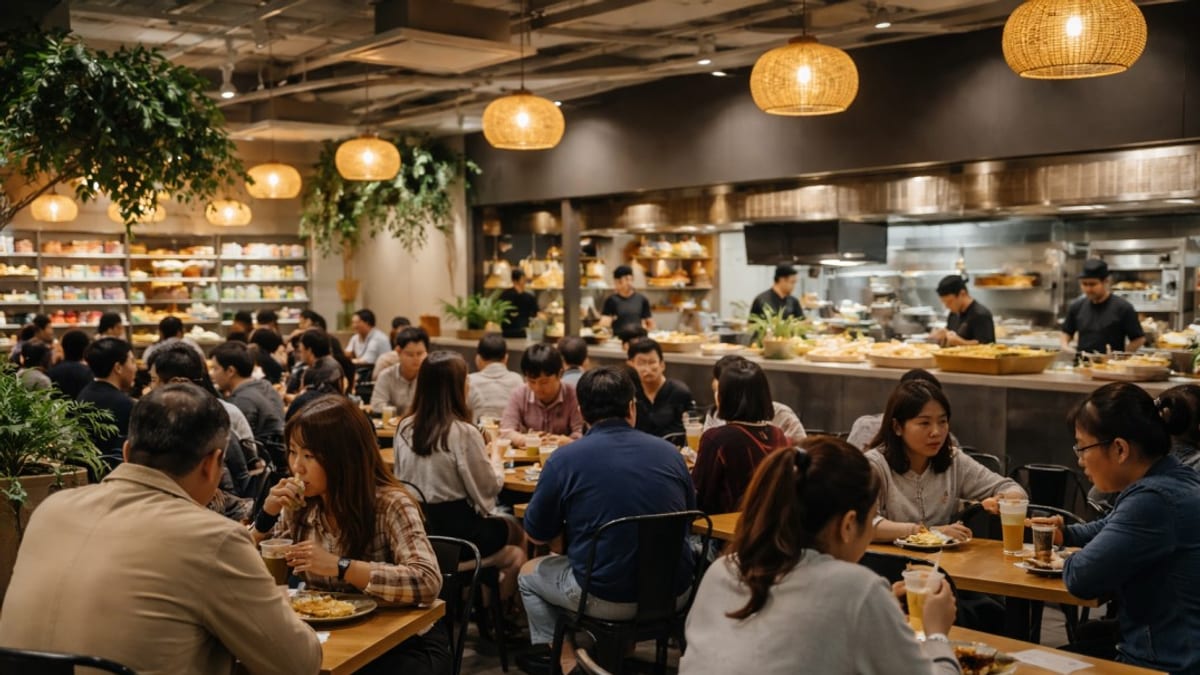
Image by Travel and Tour World – Tourism, Airline, Destination, MICE, Gobal Travel Market, Hotel news that you will find only over here.
A seven-year fixture beside the River Lagan
Tucked behind the main retail floor of Asia Supermarket on the Ormeau Embankment, the in-house café developed a reputation as an informal canteen for the surrounding neighbourhood. Publicly available listings and local coverage indicate that the café opened in the late 2010s, growing from a simple hot-food counter into a sit-in destination for quick lunches and weekend treats.
Over time, it became part of the routine for nearby residents, workers from light industrial units along the Lagan, and students walking down from the Queen’s University and Ormeau Road corridors. Its position inside one of Belfast’s largest Asian grocery stores gave it a built-in audience of shoppers looking to turn a grocery run into a meal out, while its menu of East and Southeast Asian dishes helped introduce visitors to ingredients they could then buy from the aisles next door.
Reports from local guides and social media posts describe the café as one of those spaces that did not rely on a flashy frontage or heavy marketing. Instead, it built a following on word of mouth, with customers pairing bowls of noodles or rice dishes with bags of fresh produce and spices for home cooking.
A modest café with an outsized role in food tourism
While Asia Supermarket’s café was never a headline tourist attraction, it occupied a useful niche in Belfast’s evolving food map. Travel blogs and regional coverage of the city’s restaurant scene frequently point visitors toward independent, casual venues that feel embedded in daily life, and the café fitted that brief precisely.
For tourists making their way along the Lagan towpath or cutting across from the city centre toward Ormeau, the supermarket and its café offered both a practical lunch stop and a glimpse into the city’s increasingly international character. Visitors could sit among local shoppers, hear a mix of languages and accents, and sample dishes that reflected the store’s Chinese, Korean, South Asian and Southeast Asian stock.
The café’s role as a bridge between grocery retail and ready-to-eat food also made it a reference point for food-focused visitors who seek out markets and specialist shops rather than only booking sit-down restaurants. In a city still building its reputation for Asian cuisine, its presence helped diversify itineraries that might otherwise centre on pubs and traditional fare.
Community space in a changing South Belfast
For nearby residents, the café functioned as more than a place to eat. It was one of a small cluster of informal meeting spots along this stretch of South Belfast, alongside independent coffee shops and bakeries on nearby streets. Public comments and online discussions about the area often mention the supermarket and its café together, underlining how closely they were associated with everyday life.
The surrounding neighbourhood has seen a steady turnover of small food businesses in recent years, with new venues opening around the Ormeau and Ravenhill corridors while others have quietly shut their doors. In that context, a long-running café inside a stable, family-run supermarket offered a sense of continuity for regulars who had watched other favourites disappear.
The closure also arrives at a time when Belfast’s communities are debating how to retain character in the face of rising commercial costs and shifting consumer habits. Locally owned cafés in particular are under pressure from higher energy bills, staff costs and competition from national chains. Observers note that when a place embedded in a daily routine closes, it can feel like the loss of a shared living room as much as the disappearance of a business.
Economic pressures behind small hospitality closures
Asia Supermarket’s main retail operation remains open, but the decision to wind down the café highlights the squeeze on small hospitality ventures attached to independent retailers. Across Northern Ireland, financial reporting and business coverage point to thinning margins for modest food outlets that lack the scale of large restaurant groups.
Rising wholesale prices for imported ingredients, particularly from Asia, have narrowed profitability for businesses that pride themselves on specialist products. At the same time, wage expectations and operating costs have increased, and many smaller venues are still recalibrating after the disruptions of the pandemic years and subsequent cost-of-living pressures.
Analysts of the local high street have also drawn attention to a shift in lunchtime patterns, with hybrid working reducing office footfall on certain weekdays. For a supermarket café that relied on a mix of local residents, workers and passing trade from drivers using the ring road, even small changes in daily rhythms can make consistent staffing and stock management more difficult.
While Asia Supermarket continues to attract shoppers from across Belfast and beyond, closing the café allows the business to concentrate resources on its core retail offer, even as customers express disappointment at the loss of a convenient place to sit and eat.
Loss of a stepping stone for culinary discovery
The closure also removes a useful stepping stone for people tentatively exploring Asian cuisines. Many diners are more confident experimenting when they can see familiar ingredients on nearby shelves and ask staff about brands, sauces or spice levels before buying for home use.
By linking the hot food counter with the supermarket, the café helped demystify products that might otherwise feel unfamiliar. Diners could taste a dish incorporating particular noodles, dumplings or sauces and then pick them up in the aisles, reinforcing Belfast’s reputation as a city where global flavours are increasingly accessible.
Tourism agencies and city guides have placed growing emphasis on these kinds of experiences, encouraging visitors to mix traditional sightseeing with everyday food rituals. In that context, the loss of a low-key café inside a well-known specialist store narrows the options for travellers who prefer exploring local culture through casual meals and grocery browsing rather than formal dining.
For South Belfast, the end of Asia Supermarket’s café will likely spark fresh conversations about how to nurture small, distinctive food spaces that serve both residents and visitors. As the supermarket reconfigures its floor space, regulars will be watching to see whether another form of sit-in or street-food-style offer might eventually take its place, keeping the link between shopping and shared meals alive on the banks of the Lagan.