

More news on this day
Alaska-based Aspen Hotels is accelerating its growth in 2026 with new and upgraded properties, a broadened footprint across key regional hubs, and a refreshed guest rewards program designed to capture a larger share of the state’s resurgent travel market.
Get the latest news straight to your inbox!
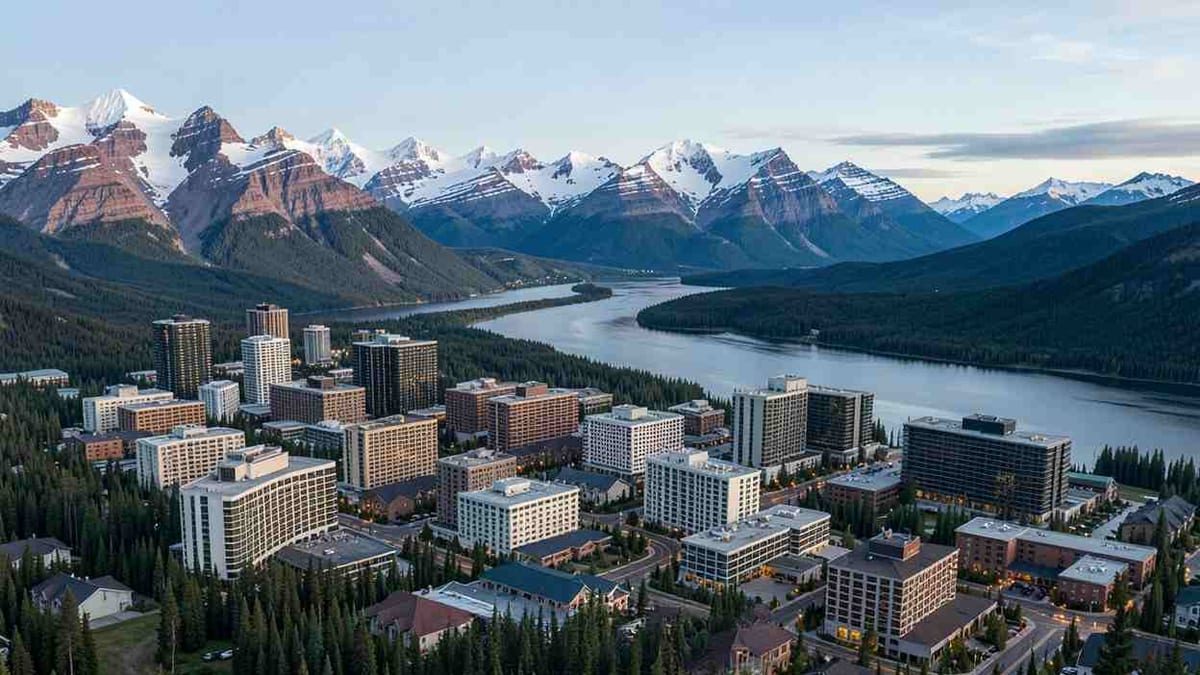
Image by International Hotels News, Hotel Industry & Hospitality News
Regional Brand Steps Into the Spotlight
Publicly available information shows that Aspen Hotels, which operates midscale, extended-stay style properties across several Alaskan communities, is emerging as one of the most active regional players in the state’s hospitality sector in 2026. Industry reports indicate that the group has been quietly expanding its network in recent years, positioning itself to benefit from renewed tourism, stronger government travel, and continued activity in fishing, energy, and logistics.
The company’s portfolio is centered in key gateway and coastal cities that serve as jump-off points for both business and leisure travel. Locations in Anchorage, Juneau, Sitka, Homer, and other communities place the brand at the intersection of cruise itineraries, in-state air routes, and road-based tourism, creating a web of practical, kitchen-equipped hotels that appeal to longer-stay guests.
Data from state travel and economic agencies has pointed to a steady rebound in visitor volumes and project-related travel across Alaska, renewing interest from hotel developers and operators. Against that backdrop, Aspen Hotels’ 2026 strategy appears geared toward consolidating its presence in markets where demand is expected to remain durable beyond the peak summer season.
Analysts following the regional lodging market note that the brand’s focus on functional amenities and locally anchored locations differentiates it from national flags entering Alaska with more standardized products. That positioning may provide an advantage as smaller communities seek dependable year-round accommodation options for both residents and visitors.
New Properties and Upgrades Across Key Gateways
Recent program brochures and destination product sheets for 2026 list Aspen Suites Hotel properties in multiple Alaskan cities, underscoring the scope of the brand’s current push. New and upgraded hotels in Homer and downtown Anchorage are among the most visible examples, with details highlighting modern suites, kitchenettes, and meeting space tailored to business, government, and group users.
In Anchorage, an Aspen Suites property in the downtown core is being promoted within regional event booking materials for 2026, signaling the hotel’s role as a partner for conferences and statewide gatherings. Its inclusion alongside larger full-service hotels suggests Aspen Hotels is competing directly for institutional and corporate business, not solely transient leisure guests.
Meanwhile, tour operator catalogs focused on Alaska and the Canadian Rockies for the 2026 season identify Aspen Suites Homer as a featured accommodation option. The property is presented as a base for self-drive itineraries and coastal adventures, drawing attention to the brand’s strategy of anchoring key nodes along popular visitor routes, particularly on the Kenai Peninsula.
In Southeast Alaska, publicly accessible tourism listings continue to highlight Aspen-branded hotels in communities such as Sitka and Haines. These properties, which emphasize walkable access to historic districts, harbors, and local attractions, are part of a broader network that allows guests to remain within the same brand as they move between coastal towns.
Guest Rewards Program Targets Repeat Travelers
As competition intensifies, Aspen Hotels is using a revamped guest rewards program to deepen relationships with frequent visitors. Company-facing documents and promotional language describe an updated framework that offers stay-based benefits intended to resonate with repeat business travelers, government contractors, medical staff, and seasonal workers who cycle through the same communities each year.
The program focuses on practical value rather than aspirational perks. Points and stay credits are structured around longer visits, with emphasis on amenities such as in-room kitchenettes, laundry access, and on-site parking that reduce overall trip costs. Observers say this aligns with the spending priorities of guests who may stay for weeks at a time while working on infrastructure, resource, or public-sector projects.
Because the brand operates in multiple Alaskan markets, the rewards platform effectively connects a circuit of properties used by travelers who rotate between Anchorage, the capital region, and coastal hubs. Publicly available descriptions indicate that the program is designed to be straightforward, reflecting feedback from guests who prefer clear, easily redeemable benefits over complex elite tiers.
Industry watchers note that this type of regionally focused loyalty initiative can be especially powerful in states where travel patterns are concentrated among a relatively small but highly active group of repeat visitors. By capturing their stays within a single network, Aspen Hotels aims to enhance occupancy and stabilize demand outside of the peak tourism months.
Alaska’s Lodging Market Enters a New Phase
The broader backdrop to Aspen Hotels’ expansion is a statewide hospitality sector entering a new investment phase. Travel research and market outlooks for 2025 through 2027 point to an increase in both ultra-luxury and midscale development in Alaska and other mountain and coastal destinations, as operators respond to shifting traveler expectations and growing interest in nature-oriented experiences.
Within Alaska, this has translated into a mix of new-build projects, targeted renovations, and partnerships with tour operators that are packaging longer itineraries combining city stays with remote adventure lodges. Aspen Hotels, with its concentration in service-oriented, apartment-style properties, is carving out a niche in the infrastructure that supports these more complex, multi-stop trips.
At the same time, economic diversification efforts and ongoing public investment are generating steady demand for reliable rooms in regional centers. Observers suggest that brands able to provide consistent standards, predictable pricing, and practical amenities are likely to benefit from this trend, especially in communities where lodging capacity has historically been tight during project surges.
For Alaska’s travelers, the result is a hospitality landscape that looks markedly different heading into the 2026 summer and winter seasons. With Aspen Hotels at the forefront of regional expansion, visitors navigating between Anchorage, the capital region, and coastal towns are encountering a more interconnected, loyalty-aware network of places to stay, reflecting how even remote markets are being reshaped by evolving travel patterns.