

More news on this day
Severe spring storms over Atlanta have disrupted more than 300 flights at Hartsfield-Jackson Atlanta International Airport, creating long lines, missed connections and rolling delays across one of the nation’s busiest airline hubs.
Get the latest news straight to your inbox!
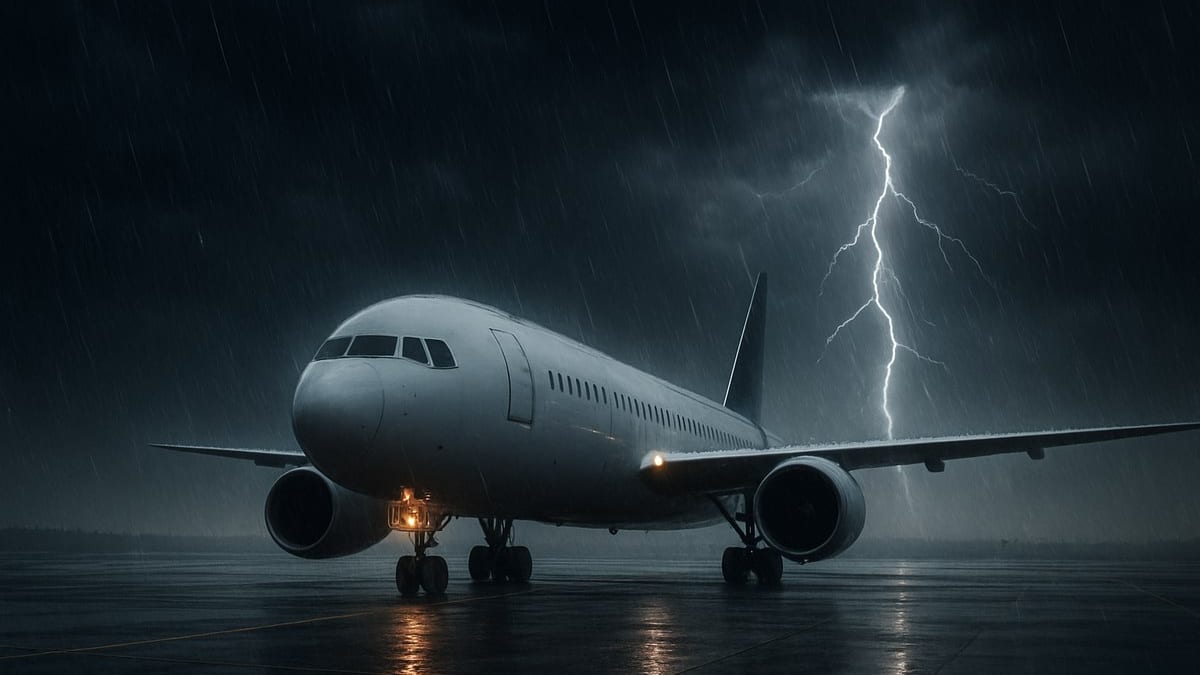
Storm Cells Slow the World’s Busiest Hub
Flight-tracking data and published aviation analytics for early April indicate that successive storm systems over the Southeast have repeatedly forced airlines and air traffic controllers to slow operations at Hartsfield-Jackson. Thunderstorms, low clouds and periods of heavy rain have triggered spacing restrictions in the air, lengthier arrival queues and extended turnaround times on the ground.
Reports from recent days point to a disruption pattern dominated by delays rather than outright cancellations. On several peak travel days, Atlanta logged hundreds of late departures and arrivals, with additional dozens of flights scrubbed entirely as airlines worked to reset aircraft and crew rotations. One data snapshot for the Easter travel period showed more than 280 delays and roughly 70 cancellations touching Atlanta, easily pushing the total number of affected flights past the 300 mark.
Those figures are being echoed again as new storm cells pass through the region. A fresh round of delays and cancellations recorded on April 7 and April 8 has kept Atlanta near the top of nationwide disruption tables, even as other hubs in the Northeast and Florida contend with the same weather system. Aviation outlets describe a “delay dominant” pattern in which schedules continue moving, but at a significantly reduced pace.
The timing has been especially painful for travelers because the latest storms arrived just as the Easter holiday rush and spring break demand kept aircraft and airport facilities close to capacity. When weather forces even minor slowdowns under those conditions, backlogs can build rapidly and leave passengers stranded far from the main areas affected by the storm.
National Network Feels the Ripple Effect
Although the most acute impacts are centered on Atlanta, publicly available data shows that the disruption has spread widely through airline networks. Hartsfield-Jackson functions as a primary domestic and international hub, meaning that delays to one wave of flights can cascade through subsequent departures to cities across the United States and overseas.
Travel industry coverage notes that recent delays and cancellations in Atlanta are linked to knock-on impacts in major markets including New York, Chicago, Miami and Orlando. Flights that originate in those cities but rely on aircraft or crews cycling through Atlanta have been particularly vulnerable, sometimes departing hours behind schedule as earlier segments run late or are rerouted around active storm cells.
Several national roundups of U.S. air travel disruption over the past week consistently list Hartsfield-Jackson among the airports with the highest numbers of delayed flights. In some instances, Atlanta has led the country for delays while posting relatively moderate cancellation rates, a sign that airlines have largely chosen to keep flights operating, even at the cost of extended waits at gates and on taxiways.
The broader weather pattern has also affected other southeastern hubs, with travel reports highlighting congestion at airports in Florida and along the East Coast. However, the scale of operations in Atlanta means that any prolonged slowdown there sends a visible shock through the national system, compounding delays at smaller airports that rely on timely connections to and from the city.
Passengers Confront Long Lines and Missed Connections
As operations at Hartsfield-Jackson have slowed, passengers have faced the familiar hallmarks of severe-weather disruption: crowded concourses, long customer-service queues and a scramble to rebook missed connections. Images and accounts shared through public channels over the past several days describe departure boards dominated by yellow and red status markers, with posted delays often stretching beyond an hour.
Some travelers returning from Easter and spring break trips have reported spending extra nights away from home after tight connections through Atlanta became unworkable. Late-arriving inbound flights have frequently left passengers with too little time to clear long security or terminal transfers before their next departure, especially when subsequent flights were also rescheduled to fit revised traffic flows around storm activity.
Consumer advocacy groups monitoring the disruptions point out that many of the delays trace back directly to severe weather and related airspace management measures, which typically limits eligibility for financial compensation in the United States. Even so, they note that airlines are expected to provide assistance such as meal vouchers, rebooking support and, in some circumstances, overnight accommodation when disruptions significantly alter travel plans.
Travelers navigating Atlanta and other affected hubs continue to be advised, in public guidance, to monitor their flight status frequently, opt into airline text and app alerts, and build additional time into connections. For those with flexibility, rebooking away from peak afternoon and evening banks, when thunderstorms are most likely to interfere with operations, may provide a better chance of avoiding the worst of the delays.
Storm Season Highlights Structural Vulnerabilities
The current wave of Atlanta disruptions comes after a winter and early spring marked by several high-impact weather events that exposed structural vulnerabilities in the U.S. air travel system. Earlier in 2026, large winter storms and severe thunderstorm outbreaks produced days with thousands of cancellations and delays across multiple regions, including significant ground stops and ice-related shutdowns at major hubs.
Travel analysis notes that airlines are operating with relatively tight schedules and high aircraft utilization as demand recovers and grows. That leaves less slack in the system when storms force even brief pauses in arrivals or departures. At a hub as busy as Atlanta, a short weather hold can translate into hours of residual disruption as the airport works through a queue of backed-up flights.
Observers also point to staffing and infrastructure pressures that can amplify the impact of storms. Ground crews, air traffic controllers and customer-service teams are still adapting to post-pandemic traffic levels, and terminals face capacity challenges during peak travel periods. When thunderstorms slow the flow of flights, crowded gate areas and stretched support staff can make it harder to recover quickly once conditions improve.
Looking ahead to the heart of spring and summer storm season, aviation commentators suggest that Atlanta and other large hubs may face similar periods of intense but localized disruption. The pattern seen in recent days, with storm lines parking over critical corridors and producing clusters of delays and limited cancellations, may recur as warmer, more humid air fuels frequent afternoon thunderstorms across the Southeast.
What Travelers Can Expect in the Coming Days
Forecasts for the Atlanta region indicate that unsettled weather may linger, with additional showers and thunderstorms possible as frontal systems slide across the Southeast. While not every storm will trigger the kind of widespread disruption seen over the Easter travel window, the combination of active weather and heavy passenger volumes means that schedules are likely to remain vulnerable.
Flight-tracking trends from recent events suggest that mornings often provide slightly smoother operations before storm activity builds in the afternoon and evening. Travelers who have the option to select earlier departures through Atlanta during active weather periods may face fewer delays, though there are no guarantees when fast-moving storm cells are in play.
Publicly available guidance from airlines and travel experts continues to emphasize preparation. Passengers are encouraged to keep contact details updated with their airline, use mobile boarding passes where possible, and keep essential items and medications in carry-on luggage in case checked bags are delayed by aircraft swaps or misrouted connections.
For now, Hartsfield-Jackson remains operational and continues to move large volumes of traffic despite the storms, but the series of more than 300 affected flights across recent days highlights how quickly conditions can change. Travelers planning to connect through Atlanta in the short term are being urged, through various travel advisories, to stay alert to shifting weather patterns and to allow extra time and flexibility as the spring storm season intensifies.