

More news on this day
Operations at Auckland Airport are returning to normal after dense morning fog caused significant disruption, with reports indicating that 48 flights were cancelled before low-visibility restrictions were lifted.
Get the latest news straight to your inbox!
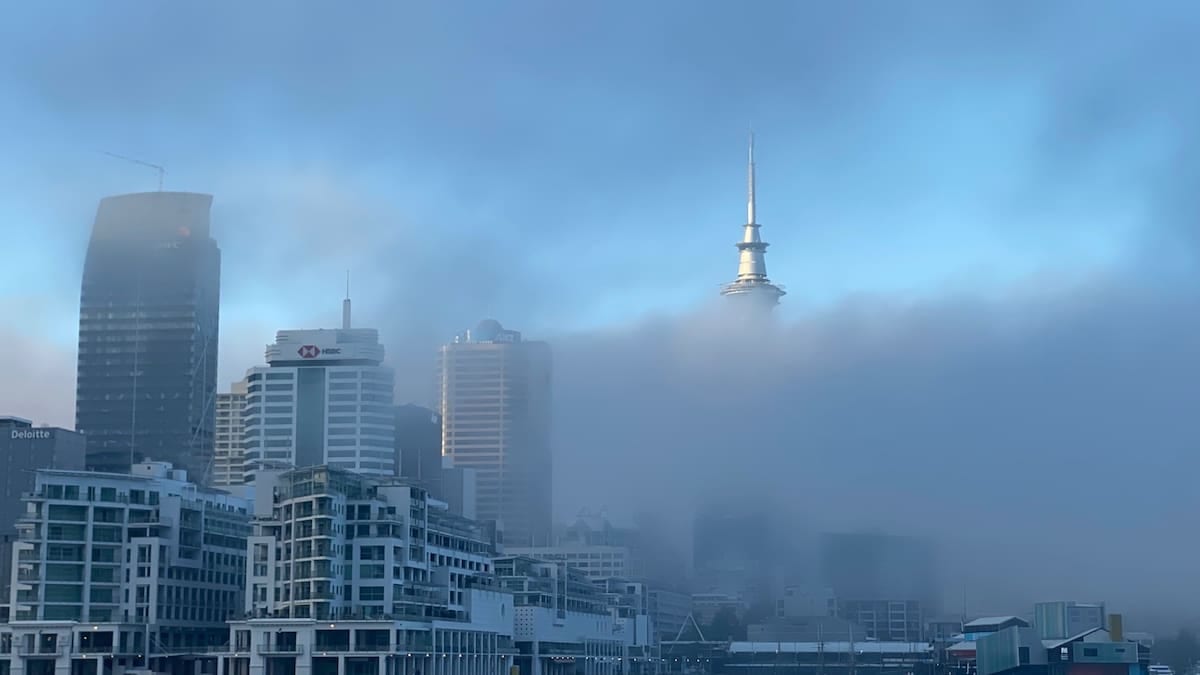
Image by nzherald.co.nz
Visibility improves after hours of low-cloud disruption
Travelers faced a difficult start to the day as a thick blanket of fog settled over Auckland on Sunday morning, sharply reducing visibility across the airfield and triggering low-visibility operating procedures. Publicly available flight information showed a wave of cancellations and delays through the early hours, with at least 48 domestic and short-haul services grounded while the conditions persisted.
According to published coverage from New Zealand media, the worst of the disruption came during the peak morning travel window, when aircraft movements are typically concentrated on commuter and inter-island routes. With runway visibility dropping below thresholds set for safe takeoffs and landings, airlines were forced to cancel or hold flights while air traffic managers limited movements on the ground.
By late morning, conditions had gradually improved, allowing airfield operations to step back from the tightest fog protocols. Flight boards began to show a shift from cancellations to delays and rescheduled services as airlines repositioned aircraft and crews. However, residual disruption continued across the network for several hours as carriers worked through the backlog of affected passengers.
Airport data and historical climate summaries indicate that fog is a recurring challenge for Auckland, particularly during cooler months when temperature inversions can trap low cloud over the Manukau Harbour area. While infrastructure improvements have been made over the years to enhance low-visibility operations, the latest event underlined how quickly dense fog can still constrain movements.
Dozens of flights cancelled and schedules reshuffled
Tracking data from airline and airport schedules showed that cancellations were concentrated on short domestic sectors, including services to Wellington, Christchurch and regional centers, where multiple rotations were planned across the morning. Once the first wave of departures was lost to the weather, it became difficult for carriers to recover their schedules without significant knock-on effects.
Reports indicate that some services were consolidated, with larger aircraft deployed on certain routes once conditions cleared, while others were retimed to later in the day. Travelers on point-to-point domestic itineraries were generally offered same-day alternatives, but those with onward international connections faced more complex rebooking arrangements.
Past disclosure documents from Auckland Airport highlight that even a relatively short low-visibility interruption can create outsized disruption for the national network, because many regional flights rely on tight turnaround times and shared aircraft. When early sectors are cancelled, aircraft and crew often end up out of position for subsequent flights, compounding the delays.
Operational briefings released in recent years also note that weather events typically trigger a cascade of follow-on impacts, including congested gates, pressure on baggage systems and constraints on airside vehicle movements. The latest fog event displayed many of these characteristics, with travelers reporting crowded departure areas and extended waits as airlines reprocessed affected passengers.
Passengers face delays, rebookings and travel-plan changes
For travelers, the immediate impact of the fog was felt in long queues at check-in desks and service counters as people sought new options. Social media posts from passengers described early-morning notification messages advising that flights had been cancelled, in some cases just before departure times, prompting urgent changes to business trips, holidays and family visits.
According to publicly available consumer guidance from airlines and regulators in New Zealand, weather-related disruptions such as fog are generally treated as events outside carrier control. In these situations, standard practice is to provide rebooking or credit options rather than compensation for accommodation or incidental expenses, although individual policies vary by airline and fare type.
Recent public discussion around earlier weather-related cancellations at Auckland has highlighted confusion among some passengers about their entitlements when flights are scrapped for safety reasons. Advisory material from travel insurers and consumer organizations typically stresses the importance of travel insurance for covering additional costs arising from weather events, including hotel stays and missed connections.
For many affected passengers, the fog disruption served as a reminder of the value of flexible bookings and allowing extra time for critical connections, particularly during seasons when fog and low cloud are more common at major hubs such as Auckland.
Fog a recurring operational challenge for Auckland
Climate and aviation studies focused on the Auckland region indicate that the airport can experience multiple days of significant fog each year, with several events historically leading to dozens of delayed or cancelled flights in a single morning. The coastal location, surrounding low-lying terrain and proximity to water bodies combine to create favorable conditions for radiation fog under light winds and clear overnight skies.
Technical documentation released by Auckland Airport describes investments in low-visibility operations, including additional hold bars and taxiway improvements designed to maintain safe aircraft flows when visibility deteriorates. These upgrades aim to keep more of the airfield usable and reduce bottlenecks, but still rely on minimum visibility levels and pilot certification requirements.
Sector-wide research circulated within the New Zealand transport community notes that for every flight directly disrupted by fog, several additional services can be indirectly affected as delays ripple through the network. Airlines must balance the need to restore schedules quickly with crew duty limits and maintenance windows, often resulting in selective cancellations to protect key routes later in the day.
Observers point out that while technological advances such as improved approach systems and better forecasting tools have reduced some fog-related disruption over time, safety thresholds remain non-negotiable. Events like the latest Auckland fog bank underline the reality that certain weather patterns will continue to interrupt operations, even at well-equipped international gateways.
What travelers can expect in the aftermath
With the immediate fog restrictions now lifted, flight operations at Auckland Airport are expected to normalize progressively over the next several rotations. Timetables published later in the day show most services operating close to schedule, though some aircraft swaps and minor retimings remain in place as airlines complete their recovery plans.
Travel advisories compiled from airline communications recommend that passengers whose flights were cancelled or missed because of the fog check their booking status through official digital channels before heading to the airport. Self-service rebooking tools are increasingly being used to allocate passengers onto alternative services, reducing the need to queue at counters.
Consumer information available from New Zealand transport agencies encourages travelers to keep boarding passes, booking confirmations and receipts for any additional costs incurred during major disruptions, particularly for those intending to lodge travel insurance claims. Documentation of cancellation notices and revised itineraries can be important when seeking reimbursement for accommodation, meals or alternative transport.
While the latest fog event has now passed, aviation planners and weather experts continue to monitor seasonal patterns around Auckland, looking for ways to refine forecasts and operational responses. For travelers, the episode serves as a current reminder that even routine domestic journeys can still be heavily shaped by local weather conditions.