

More news on this day
Operations at Auckland Airport are gradually returning to normal after dense morning fog prompted low visibility restrictions, leading to the cancellation of 48 flights and leaving hundreds of travellers facing delays and disrupted plans.
Get the latest news straight to your inbox!
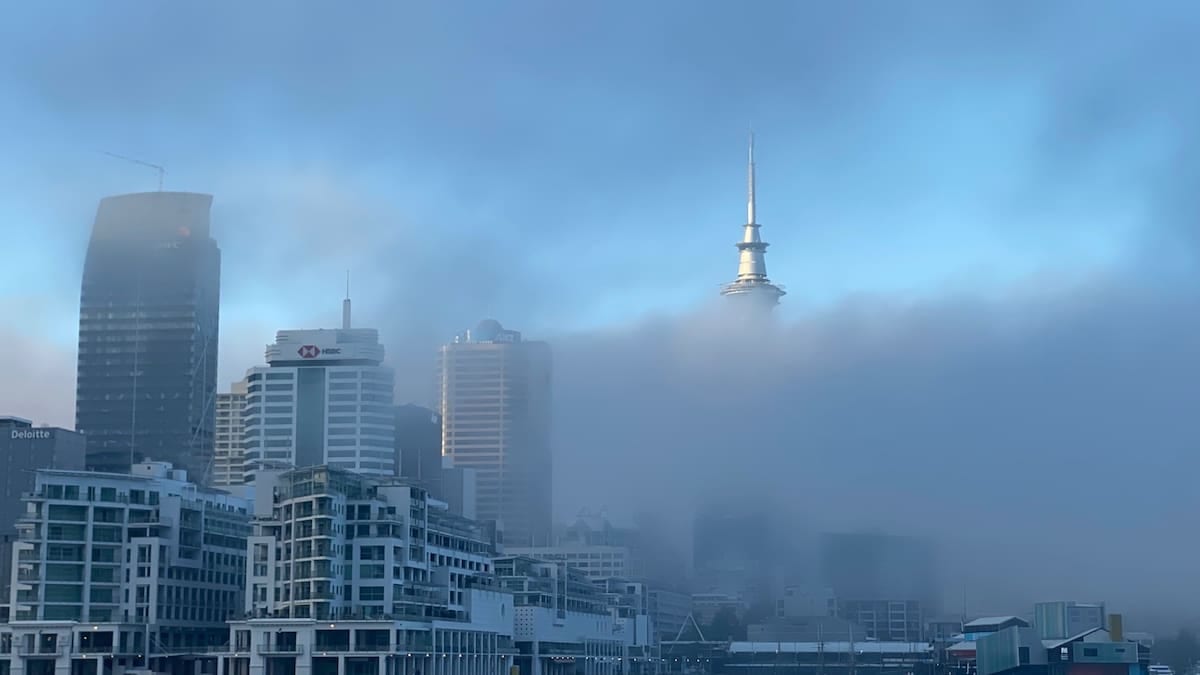
Image by NZ Herald
Fog lifts and runway operations resume
According to published coverage from New Zealand media, the blanket of fog that settled over Auckland on Sunday morning led to strict limits on aircraft movements as visibility on and around the runway fell below safe operating thresholds. Low visibility procedures were put in place, reducing the number of take offs and landings that could be handled and forcing airlines to trim schedules.
Reports indicate that as conditions slowly improved late in the morning, airfield visibility began to meet operational requirements, allowing restrictions to be eased. By early afternoon, publicly available flight data showed a gradual uptick in arrivals and departures, signalling that fog protocols had been lifted and more regular runway use restored.
While the resumption of standard operations reduced further cancellations, airlines continued to work through a backlog of disrupted services. Even after the fog cleared, turnarounds, aircraft positioning and crew availability meant delays persisted into the afternoon for some domestic and regional routes.
Dozens of flights cancelled and thousands affected
New Zealand news outlets report that 48 flights were cancelled during the disruption, the majority of them domestic services linking Auckland with centres such as Wellington, Christchurch and regional airports. A smaller number of international services experienced delays, schedule changes or diversions while low visibility procedures were in effect.
The cancellations came at a busy period for weekend travel, with families, business travellers and international visitors among those caught up in the disruption. Published airline updates showed some passengers being rebooked on later services the same day, while others were moved to flights on subsequent days as capacity allowed.
Travel industry commentators note that weather related disruption at a hub like Auckland has a knock on effect across the national network. When a single morning wave of flights is cancelled, aircraft and crews end up out of position, which can impact services far from the original weather event for several hours or longer.
Weather patterns highlight ongoing vulnerability to fog
Climatological summaries and airport disclosure documents indicate that Auckland Airport typically experiences several days of disruptive fog each year, particularly in the cooler months when calm conditions and moisture levels favour low cloud and mist around the airfield. Even modest declines in visibility can substantially reduce the capacity of a single runway operation.
Technical material on New Zealand aviation safety explains that low visibility operating rules are designed to keep a wide margin of safety around aircraft landing and taking off, particularly where runway and taxiway layouts intersect or cross. When fog thickens, controllers must increase spacing between aircraft and, in some circumstances, suspend certain movements altogether until conditions improve.
Recent regulatory and planning documents from the airport highlight investment in airfield lighting, low visibility guidance systems and additional taxiway hold points intended to keep more of the airfield usable in marginal conditions. However, experts quoted in local analysis emphasize that even with upgraded infrastructure, periods of dense fog will continue to cause significant disruption due to the inherent limits of instrument procedures and the need to maintain conservative safety buffers.
Airlines manage backlogs and passenger care
Publicly available airline advisories show that carriers operating through Auckland encouraged affected passengers to check digital channels for rebooking options and updated departure times rather than heading straight to the terminals. Self service tools were promoted as the quickest way to secure alternative travel on days when call centres and airport counters face heavy demand.
Travel industry guidance notes that weather disruption such as fog is generally considered outside airline control, which limits formal obligations for compensation. Even so, some carriers offered meal vouchers, flexible change policies or the option to hold unused tickets as credit for future travel, depending on the fare type and route.
Consumer advocates quoted in New Zealand coverage recommend that passengers keep all receipts for additional costs, such as overnight accommodation and ground transport, in case these can be claimed through travel insurance. They also suggest monitoring airline and airport channels closely when fog is forecast, as even partial restrictions can quickly lead to capacity constraints and rolling delays.
Advice for travellers as winter approaches
With cooler months on the horizon in New Zealand, aviation analysts point out that the latest fog episode is a reminder of how quickly conditions around Auckland Airport can change. Forecasts may indicate only patchy low cloud early in the day, yet a minor shift in wind, humidity or temperature can deepen fog and trigger low visibility restrictions with little warning.
For travellers, practical steps can help mitigate the risk of disruption. Booking earlier flights in the day can create more rebooking options if services are cancelled, while allowing extra connection time through Auckland reduces the likelihood of missed onward flights when delays occur. Keeping contact details updated with airlines ensures that text and email alerts about schedule changes reach passengers promptly.
Travel planners also stress the value of flexible itineraries, particularly for those connecting to cruises, tours or long haul departures from Auckland. As the latest round of cancellations shows, even a few hours of dense fog can lead to dozens of disrupted flights, illustrating the continuing sensitivity of one of the country’s busiest transport hubs to fast changing winter weather.