

More news on this day
A landmark Auckland City Deal between New Zealand’s central government and Auckland Council is being framed as a turning point for tourism, events and long-term infrastructure, with the country’s largest city expected to anchor a new era of sustainable, high-value visitor growth.
Get the latest news straight to your inbox!
A New Model for City–Crown Partnership
Publicly available information describes the Auckland City Deal as New Zealand’s first formal city-level agreement between the Crown and a local authority, setting out shared priorities for investment, planning and economic development. The accord is intended to give Auckland a clearer pipeline for multi-year funding and policy coordination, particularly around transport, housing and climate resilience.
Reports indicate that the deal responds to years of debate over how to fund the infrastructure required in a fast-growing city that also carries much of the country’s international visitor load. By locking in a partnership framework rather than relying on ad hoc negotiations, the arrangement is being presented as a way to speed up decisions on projects that support both residents and tourists.
According to recent coverage, the deal establishes joint work programmes on urban regeneration, including better integration of rapid transit, city-centre upgrades and coastal resilience. These strands are expected to shape how easily visitors can move around the city, reach key attractions and experience the waterfront, while also reducing risks from future severe weather events.
Analysts note that similar city deals in Australia and the United Kingdom have often been used to reposition cities as event and investment hubs. Observers of the Auckland agreement suggest it is designed to have a comparable effect, anchoring medium-term growth in tourism, international education and knowledge-intensive industries.
Tourism Infrastructure and Visitor Funding in Focus
The city deal lands at a time when Auckland is reassessing how it funds tourism infrastructure and events. Council documents and local reporting show the region grappling with constrained budgets after pandemic-era shocks, storm recovery costs and long-running debates about who should pay for the facilities and services used by visitors.
One of the most closely watched policy tools is a proposed bed-night visitor levy on commercial accommodation, which has been signalled as a way to help close an events and destination-marketing funding gap without further burdening residential ratepayers. Consultation material projects that even a modest percentage charge on hotel and short-stay bookings could raise tens of millions of dollars annually for event attraction, promotion and supporting infrastructure.
Alongside local measures, central government has been reshaping its national tourism funding architecture, with the Major Events Fund and other targeted schemes supporting international events from sailing to motorsport. Public information shows Auckland regularly featuring among the host locations backed by these programmes, reflecting the city’s deep pool of venues, hotel capacity and air connectivity.
Observers of the city deal suggest that aligning national events funding with a dedicated local visitor levy, within a single strategic framework, could give Auckland more certainty to bid for multi-year event cycles. That stability would, in turn, support private investment in hotels, hospitality and precinct upgrades that rely on a predictable flow of high-spending visitors.
Positioning Auckland as a Global Events Capital
Auckland already stages some of New Zealand’s most recognisable events, from large cultural festivals to international sports fixtures and business conferences. Data released by the city’s economic and cultural agency shows ongoing public co-investment in anchor events such as the Lantern Festival, Pasifika and major concerts, with a clear focus on drawing visitors from across the country and overseas.
The Auckland City Deal is being interpreted by tourism and events commentators as an opportunity to sharpen that portfolio and chase more globally prominent gatherings. Combined with national-level initiatives to attract large-scale business events and conferences, the agreement could help the city secure a steadier pipeline of international delegates who typically stay longer and spend more than leisure travellers.
Published information on the New Zealand Major Events strategy highlights a preference for events that can showcase the country’s landscapes, culture and innovation sectors to global audiences. For Auckland, this has translated into interest in waterfront sports events, creative festivals and international touring acts that can leverage the city’s harbourside setting and upgraded public spaces.
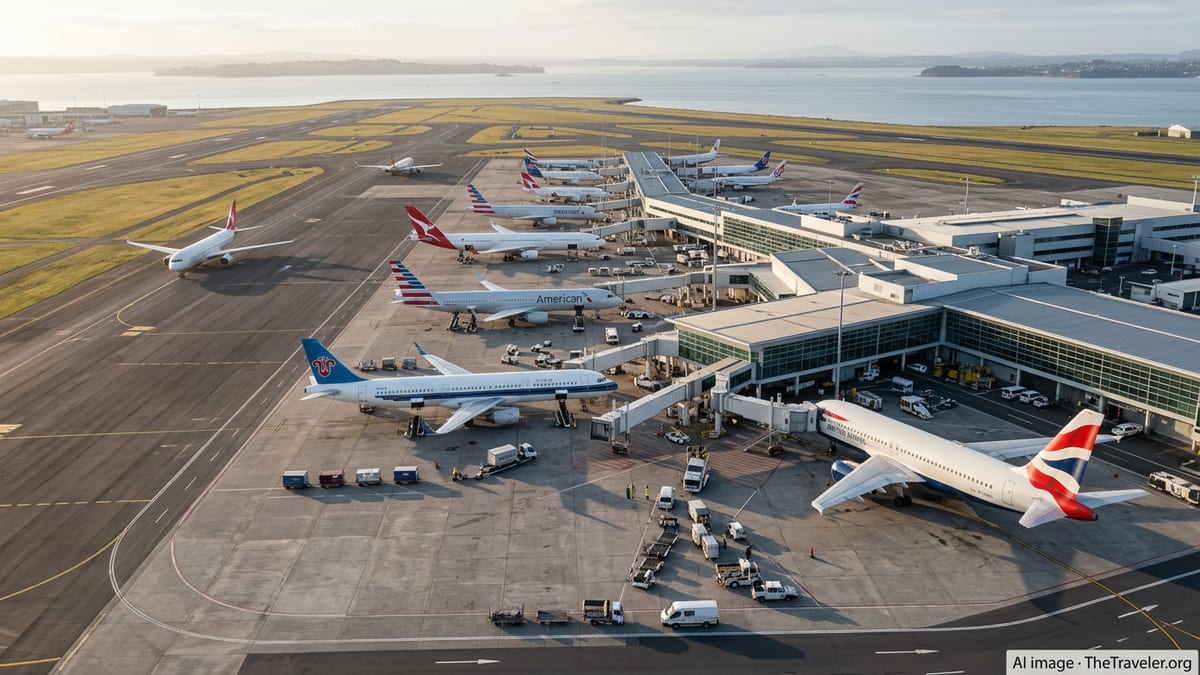
With the city deal in place, planners are expected to look more closely at how transport connections, public squares and venue precincts can support “event districts” that are easy for visitors to navigate. This includes attention to last-mile links from the airport and intercity terminals, improved walking and cycling routes, and better integration between stadiums, convention centres and hospitality areas.
Embedding Sustainability and Climate Resilience
Recent storms and flooding across the North Island have underlined the vulnerability of core infrastructure, from roads to coastal paths, in and around Auckland. National infrastructure and council reports both point to significant capital being directed toward resilience projects, including flood protection, transport hardening and relocations in the highest-risk areas.
Within this context, the Auckland City Deal is being cast as a mechanism to align climate adaptation with tourism development, so that each new investment strengthens both. Publicly available summaries of the agreement stress the importance of low-emissions transport and compact, transit-oriented growth, which can reduce congestion and improve air quality for residents and visitors alike.
Industry analysis suggests that international travellers are increasingly attuned to environmental credentials when choosing destinations, particularly in markets where New Zealand competes with other long-haul options. By embedding emissions reduction and resilience into its core infrastructure priorities, Auckland aims to preserve its reputation as a clean, green gateway city while accommodating more visitors over time.
There is also an expectation, reflected in policy commentary, that major events supported under the deal’s framework will be required to meet higher sustainability standards, from waste reduction to public transport access. This would align Auckland with emerging global benchmarks for climate-conscious events, bolstering its appeal to organisers seeking to reduce their environmental footprint.
Innovation Districts and Long-Term Economic Impact
Beyond tourism and events, the Auckland City Deal places notable emphasis on innovation-led growth. Coverage of the agreement highlights a proposed innovation district strategy centred on areas such as the Fisher and Paykel Healthcare campus and the University of Auckland’s Newmarket innovation hub, where research, tech firms and advanced manufacturing are clustered.
Tourism economists point out that such districts can have a powerful spillover effect on visitor demand, particularly through conferences, trade fairs and industry summits. By co-locating research institutions, start-ups and global investors in well-connected urban areas, Auckland can generate business travel that supports airlines, hotels and restaurants year-round.
Public material on the city’s long-term planning also indicates a push to connect these innovation zones more closely with the city centre and waterfront, using rapid transit links and public realm improvements. This would allow business visitors attending meetings in an innovation precinct to quickly access cultural attractions, dining and entertainment, deepening the overall destination experience.
As the deal moves from signing to implementation, attention is likely to focus on how funding decisions, regulatory changes and project sequencing translate into on-the-ground gains. For tourism and events stakeholders, the measure of success will be whether Auckland can lift visitor value, reduce pressure on ratepayers and build a more resilient, inclusive city that strengthens New Zealand’s position on the global events stage.