

More news on this day
Auric Air has strengthened its position as Tanzania’s leading safari and regional carrier with the introduction of a new Cessna Grand Caravan, registered 5H-ABA, configured with executive-style seating to deliver upgraded comfort while preserving the rugged performance needed for remote bush and island airstrips.
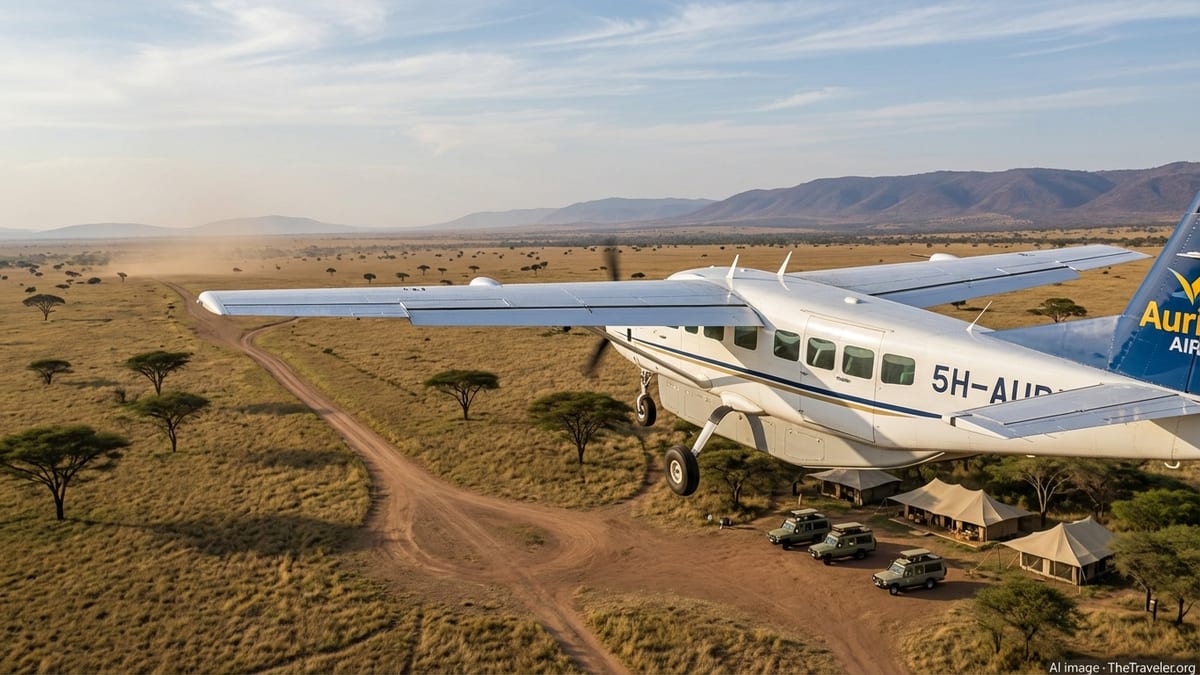
A Strategic Fleet Upgrade for a Safari Powerhouse
The arrival of 5H-ABA marks the latest chapter in Auric Air’s steady, fleet-focused expansion across Tanzania and East Africa. The privately owned carrier, headquartered in Mwanza with major bases in Dar es Salaam and Arusha, has built its reputation on operating versatile turboprop aircraft tailored to the demands of African bush flying and coastal routes.
The Cessna Grand Caravan has long been the backbone of Auric Air’s operations, and the airline now fields one of the youngest and largest Caravan fleets in the region. According to the company’s current fleet overview, it operates 19 Cessna Grand Caravan C208B and EX aircraft alongside Dash 8 and Pilatus PC-12 types, allowing it to mix capacity and comfort on routes serving both tourism hot spots and emerging economic corridors.
By introducing 5H-ABA with a premium interior configuration, Auric Air is signaling that the next phase of its growth is not only about adding seats and routes, but also about elevating the on-board experience. The upgrade aligns with its standing as a multi-year winner of regional aviation awards and its role as a preferred connector to dozens of safari lodges, coastal retreats and island resorts.
Industry observers see the move as part of a broader regional trend in which East African carriers seek to differentiate themselves by pairing bush-capable aircraft with finishes and services that meet the expectations of high-end leisure travelers and private charter clients.
Executive-Style Comfort in a Proven Workhorse
What sets 5H-ABA apart within Auric Air’s Caravan fleet is its executive-style interior. Rather than the traditional high-density commuter layout, the cabin has been configured with fewer seats, more generous legroom, and upgraded materials designed to appeal to safari-goers, small groups and corporate travelers who are increasingly seeking a more refined experience between international gateways and remote airstrips.
While specific seat counts and finishes have not been detailed publicly, Auric Air has emphasized that the aircraft offers noticeably improved seating comfort and a more private, lounge-like atmosphere. This approach mirrors the configuration of the airline’s Pilatus PC-12s, which are marketed as its flagship option for VIP and bespoke charters, but brings a similar sense of exclusivity to the rugged single‑engine Caravan platform.
For tour operators and high-end safari brands, the enhanced interior of 5H-ABA could translate into more consistent premium experiences across the entire travel chain. Guests arriving on long-haul flights to Dar es Salaam, Kilimanjaro or Zanzibar are increasingly stepping directly onto regional connections, and the comfort level of those final legs can significantly shape impressions of the overall journey.
Crucially, Auric Air has kept the core strengths of the Grand Caravan intact. The 5H-ABA retains the type’s cargo and baggage flexibility, short takeoff and landing performance, and ability to handle challenging airstrips, meaning that the push toward luxury has not compromised the airline’s operational needs in remote environments.
Unlocking Remote Parks, Islands and Conservation Landscapes
Auric Air’s network has been built around providing direct access to some of Tanzania’s most iconic and remote destinations, including Serengeti, Ruaha, Nyerere (formerly Selous), Mahale, Katavi and the islands of Zanzibar, Mafia and Pemba. The addition of a premium-equipped Grand Caravan tightens the link between these wilderness areas and the country’s main urban and international gateways.
The Caravan’s performance profile is particularly suited to short, often unpaved airstrips that bring travelers within a short drive or even a few minutes’ walk of their lodges or camps. By deploying 5H-ABA on such routes, Auric Air can offer guests smoother transitions from the bustle of city airports to the silence of the bush, with comfort and service levels that mirror what awaits at high-end tented camps and boutique lodges.
This access is not just about convenience for tourists. Reliable, year-round air service to parks and remote communities supports employment, conservation finance and the steady flow of supplies to areas that can be difficult to reach overland during the rainy season. Auric Air’s mix of scheduled and charter operations has long played a role in stitching together Tanzania’s far-flung landscapes, and the latest aircraft allows that role to be carried out with greater appeal to the top end of the market.
As Tanzania continues to promote less-visited parks and emerging circuits beyond the classic Serengeti and Ngorongoro combination, aircraft like 5H-ABA will be central tools in opening up underexplored areas without the need for major new ground infrastructure.
Boosting Tanzania’s Competitive Edge in Safari Tourism
Tanzania’s tourism industry is in a phase of vigorous recovery and recalibration, with the government targeting increased arrivals and higher per‑visitor spending in the coming years. Carriers such as Auric Air are critical to that strategy, providing the connective tissue that links international airlines, domestic hubs and remote lodges into seamless, bookable itineraries.
The introduction of 5H-ABA with an executive configuration fits neatly into this national ambition. Safari travelers, particularly those booking through international tour operators, are looking for reliability, safety and a consistent level of comfort from the moment they land in the country until they depart. By investing in a premium cabin product on a proven bush aircraft, Auric Air bolsters Tanzania’s ability to compete with neighboring destinations such as Kenya, Botswana and South Africa for discerning travelers.
The move also supports the country’s positioning as a destination where luxury and wilderness can coexist responsibly. High-spending visitors are often closely associated with lower-impact, conservation-focused tourism models, and they tend to seek out operators and carriers that demonstrate a commitment to both guest experience and environmental stewardship.
With its wide network and recognized safety standards, Auric Air is well placed to be one of the key aviation partners for lodge groups, conservation organizations and destination management companies seeking to scale up operations in Tanzania’s protected areas.
Safety, Reliability and Operational Depth
Behind the headline of a new premium aircraft lies Auric Air’s broader emphasis on safety and operational resilience. The airline operates under a Tanzania Civil Aviation Authority air operator’s certificate and undergoes regular audits and ramp checks, underscoring regulatory oversight in a region where bush flying presents inherent challenges.
Its Caravan fleet is maintained by specialized third‑party engineering providers with approvals from multiple East African civil aviation authorities, and the company highlights the use of licensed, type‑rated engineers and modern maintenance practices. For travelers, this focus translates into higher confidence when boarding small aircraft for flights into rugged terrain and unpredictable weather patterns.
The Grand Caravan type itself carries a long track record in African operations, regarded by many operators as a reliable workhorse thanks to its single turboprop engine, sturdy landing gear and forgiving handling characteristics. Auric Air’s decision to continue doubling down on the aircraft, including in premium configurations like 5H-ABA, reflects faith in its ability to perform safely and efficiently on demanding routes.
As regional aviation across East Africa grows, competition has intensified, but carriers with strong safety cultures, diversified fleets and established maintenance partnerships are often best positioned to win long-term contracts with tour operators and corporate clients. 5H-ABA thus slots into an ecosystem that is about much more than cabin finishes.
Charter Flexibility for High-End and Specialist Travel
While Auric Air is widely known for its scheduled safari and regional services, the airline also maintains a substantial charter business, flying tailor-made routes for private groups, corporate delegations, photographic safaris and time‑sensitive missions across Tanzania and neighboring countries.
The arrival of 5H-ABA strengthens this segment by offering a new option for clients who need the reach of the Grand Caravan but want an experience closer to that of a private jet or the airline’s Pilatus PC‑12. Executive seating, enhanced soundproofing and upgraded cabin finishes are likely to appeal to family groups, small incentive trips and VIP travelers seeking privacy without sacrificing the ability to land on short dirt or grass strips.
For destination management companies and lodge groups, the aircraft adds an extra degree of flexibility in designing complex itineraries that weave together multiple parks and coastal stops. Rather than relying solely on scheduled services, they can pair or replace segments with charter flights on aircraft like 5H-ABA to meet tight timeframes or special client needs.
This charter versatility also benefits specialist sectors such as aerial photography, conservation research missions and fast-response logistics, where a comfortable yet robust platform can make long days in the air more manageable for teams and guests alike.
Innovation, Sustainability and the Future of Regional Flying
The introduction of 5H-ABA comes against the backdrop of rapid innovation in the Cessna Caravan ecosystem. Auric Air has previously signaled its interest in new propulsion technologies, including agreements with developers working on hybrid and fully electric powertrains for the type, aiming over time to reduce both operating costs and emissions on regional flights.
Although 5H-ABA is powered by a conventional turboprop engine, its role in the fleet dovetails with these longer-term ambitions. By continuing to invest in the Caravan platform and building passenger demand for comfortable, point‑to‑point regional services, Auric Air is positioning itself to adopt lower-emission technologies once they are certified and commercially viable in East African operating conditions.
For Tanzania’s tourism sector, such developments could eventually translate into quieter, cleaner flights over sensitive ecosystems and communities, reinforcing the narrative of conservation‑minded, sustainable safaris. In the meantime, improved fuel efficiency, careful route planning and fleet modernization with newer, more efficient airframes like 5H-ABA already contribute incremental gains.
Industry analysts note that East African operators willing to experiment with new technologies, while maintaining safety and reliability, are likely to become test beds for the next generation of regional aviation. Auric Air’s blend of tried‑and‑tested aircraft types with forward‑looking partnerships suggests it intends to remain at the forefront of that shift.
A Timely Vote of Confidence in Tanzania’s Tourism Growth
The deployment of the Cessna Grand Caravan 5H-ABA across Auric Air’s network can be read as a vote of confidence in the continued growth of Tanzania’s tourism, trade and intercity travel. As new routes to secondary cities and lake zone destinations come online and existing safari circuits gain momentum, the airline is equipping itself with aircraft that can handle both demand and rising expectations for quality.
For travelers planning safaris or coastal escapes in 2026 and beyond, the presence of 5H-ABA in the schedule and charter roster adds another layer of comfort to the prospect of flying deep into Tanzania’s wilderness. For lodge owners, tour operators and local communities, it signals that one of the country’s key regional carriers is committed to investing in hardware and experiences that can sustain tourism growth over the long term.
From the tarmac at Dar es Salaam to remote strips in the Serengeti and the white-sand fringes of Zanzibar and Mafia, the latest addition to Auric Air’s Caravan fleet embodies a blend of luxury, practicality and reach that underscores how important regional aviation has become to the story of modern African travel.
As 5H-ABA begins regular operations, its impact will be measured not only in additional seats and flight hours, but also in the thousands of journeys it helps shape, connecting visitors to some of East Africa’s most extraordinary landscapes with a new level of ease and comfort.