

More news on this day
Aurigny, the flag carrier of Guernsey, is scaling back parts of its spring flight schedule after a marked softening in demand that industry reports link to the wider travel and energy shock triggered by the war involving Iran, the United States and Israel.
Get the latest news straight to your inbox!
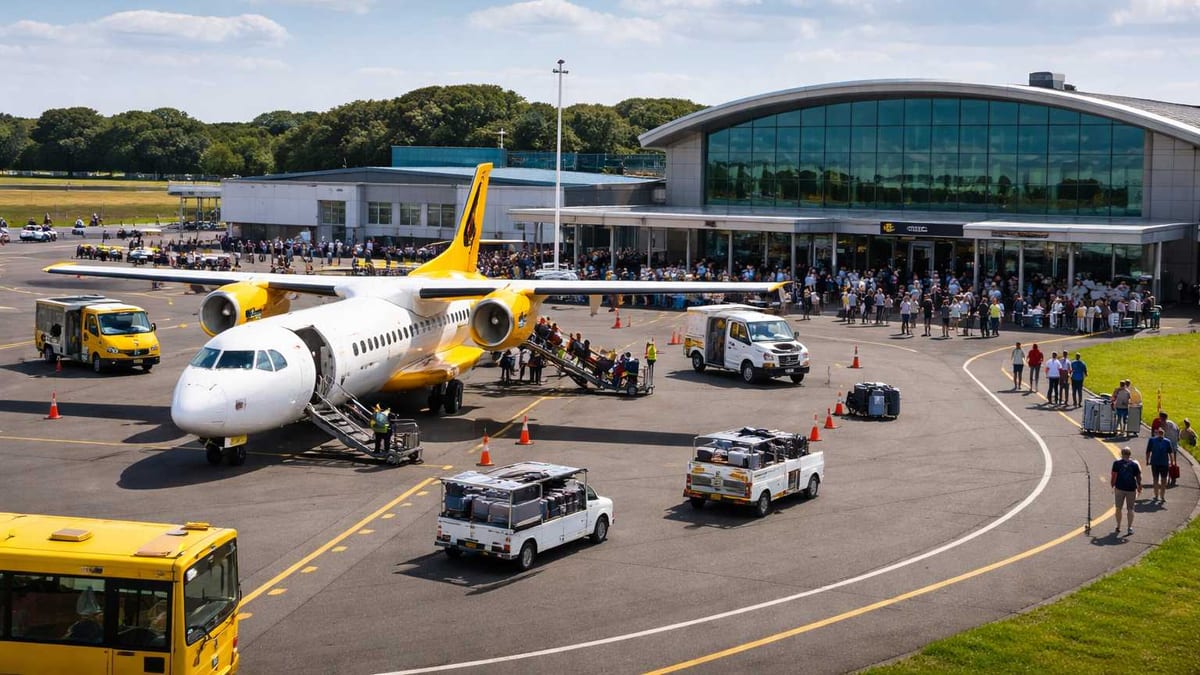
Image by Global Travel Alerts, Advisories, International Travel Alerts
Targeted Reductions to Spring Capacity
Publicly available scheduling information indicates that Aurigny has moved to trim selected frequencies across its regional network for the coming weeks, rather than impose blanket cancellations. Adjustments appear to focus on services with higher exposure to discretionary leisure travel, where bookings have cooled since the latest escalation of conflict around Iran unsettled global travel patterns.
Capacity reductions are concentrated in late March and April, traditionally the build up to the key summer season for Guernsey and the wider Channel Islands. Industry timetables show thinner schedules on some off peak rotations to UK regional airports, with core lifeline routes preserved but offering slightly fewer options across certain days.
The changes follow a period in which Aurigny had been rebuilding and expanding its network, including additional seasonal links to UK hubs and regional cities. The shift toward a more conservative spring schedule suggests the airline is seeking to avoid operating lightly filled flights while preserving essential connectivity for residents and visitors.
Analysts note that regional carriers with relatively small fleets, such as Aurigny, are often quicker to calibrate schedules in response to booking trends. With aircraft and crews already tightly utilised, even modest drops in demand can prompt a rebalancing of flying hours across the network to protect reliability and costs.
Iran War Ripples Through Aviation Demand
The decision comes against a backdrop of intense pressure on global aviation from the Iran war. The closure and restriction of key Middle Eastern airspace since late February has forced widespread rerouting and capacity adjustments by major carriers, according to flight tracking data and aviation industry coverage. Reports indicate that airlines on long haul corridors between Europe and Asia have absorbed higher fuel burn and longer flight times as they skirt conflict zones.
At the same time, international energy analysts say the conflict and related disruption in the Strait of Hormuz have pushed oil prices sharply higher, driving up jet fuel costs for airlines worldwide. Commentary in financial and travel media notes that some large network carriers are cutting marginally profitable services and reworking schedules in anticipation of fuel remaining elevated through much of 2026.
Consumer behavior has also shifted. Travel publications report a short term lull in new bookings and an uptick in cancellations for certain regions viewed as being closer to the conflict, as travelers reassess itineraries and watch developments. While Guernsey is geographically distant from the Middle East, the island’s tourism and visiting friends and relatives markets are exposed to broader swings in sentiment and disposable income when global crises hit.
For a small operator such as Aurigny, these macro forces translate into a more cautious approach to seasonal capacity. The airline appears to be prioritising routes with resilient local demand while trimming flights most reliant on discretionary travel that could be deferred or replaced with alternative modes of transport.
Operational Reset After a Challenging Period
The spring schedule changes arrive after a demanding stretch for Aurigny, which has faced scrutiny over punctuality, reliability and financial performance in recent years. A formal inquiry into Aurigny’s operations published in 2024 highlighted structural challenges including aircraft utilisation, ground handling pressures at Guernsey Airport and the complexity of maintaining a broad network with a small fleet.
According to that inquiry and subsequent public reporting, the airline has been working on operational reforms, including closer alignment of schedules to available resources and efforts to improve on time performance. Against that backdrop, reducing lightly booked spring flights may also be part of a broader strategy to stabilise day to day operations ahead of the busy summer peak.
Industry observers point out that running a thinner but more robust schedule can improve resilience to weather disruptions and technical issues, which can disproportionately affect small carriers. By easing pressure on aircraft rotations and maintenance windows, Aurigny may be aiming to cut knock on delays that have previously frustrated Channel Islands travelers.
The airline’s current moves echo earlier decisions taken during past periods of volatility, such as the Covid era, when Aurigny similarly pared back services before rebuilding as conditions improved. This pattern suggests a pragmatic approach that seeks to match capacity to demand while maintaining core connectivity for the Bailiwick.
Implications for Guernsey’s Connectivity and Tourism
For Guernsey, any reduction in air services is closely watched. The island’s economy depends heavily on reliable links to the UK and beyond for both business and leisure travel. Tourism bodies have been promoting new and returning routes for 2026, including additional links to UK airports designed to make short breaks and longer holidays more accessible.
The trimming of spring flights may narrow choice for some visitors and residents, particularly on shoulder season days when frequencies were already lower. However, capacity on key lifeline routes appears to remain in place, with adjustments largely affecting peripheral or off peak services rather than the island’s primary air corridors.
Local travel industry figures quoted in regional media in recent months have stressed the importance of stable schedules to safeguard visitor confidence. While temporary cutbacks can be unsettling, some argue that right sizing early in the season is preferable to last minute cancellations that disrupt travel plans and damage the island’s reputation as an easy to reach destination.
Guernsey’s tourism strategy has increasingly emphasised high value, lower volume visitors and shoulder season travel. In that context, ensuring that operated flights are reasonably well filled may help sustain fare levels and route viability at a time when operating costs are rising and global uncertainty is high.
Outlook: Flexible Scheduling in an Uncertain Year
Looking ahead, aviation analysts expect airlines of all sizes to retain significant flexibility in 2026 as the Iran war, energy prices and economic headwinds continue to shape travel demand. Industry forecasts suggest that carriers are likely to adjust capacity in shorter planning cycles, adding or trimming flights as booking trends become clearer rather than committing far in advance.
For Aurigny, this could mean that the spring reductions are a temporary measure, with the possibility of restoring or increasing services later in the year if conditions stabilise and demand rebounds. Public timetables and prior seasonal patterns indicate that the airline typically ramps up frequencies into the summer peak, when visitor numbers and resident travel both rise.
Travel advisers are generally encouraging passengers to book early on key routes where capacity has tightened and to remain alert to schedule updates in a volatile environment. With airlines and airports still navigating the combined effects of geopolitical tension, high fuel prices and changing traveler preferences, Guernsey’s flag carrier appears to be positioning itself cautiously for what could be another unpredictable year in aviation.