

More news on this day
Expedition cruise operator Aurora is expanding its visual storytelling program in the high north with a dedicated Arctic photography expedition slated for the 2027 season, giving travelers a new way to combine small-ship exploration with intensive image-making in some of the planet’s most dramatic polar landscapes.
Get the latest news straight to your inbox!
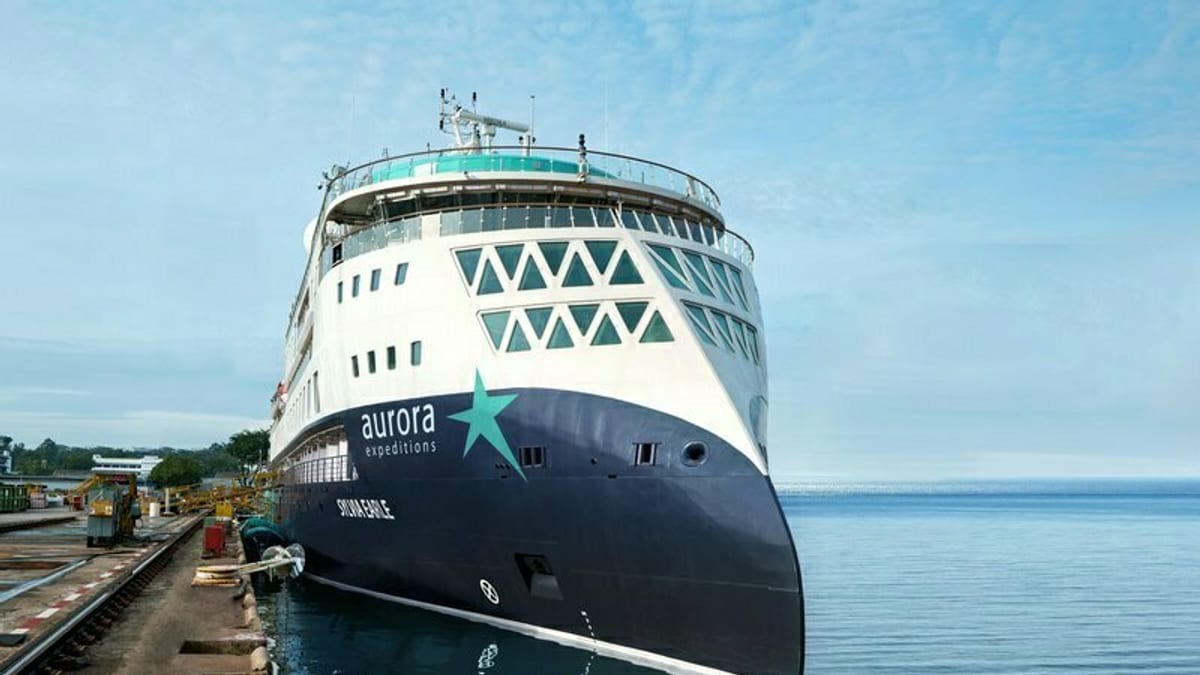
Image by Cruise Industry News | Cruise News
New Arctic Chapter in Aurora’s Lens-Focused Program
Publicly available information on Aurora’s upcoming seasons indicates that photography has become a core focus across the company’s polar portfolio, with new itineraries now extending that emphasis to the Arctic in 2027. The latest addition is a themed photography journey designed to showcase the region’s ice, wildlife and rugged coastlines through a structured program of instruction and field time.
The 2027 Arctic expedition follows the strong uptake of earlier photography-focused voyages in Antarctica, which have included special departures branded around creative learning at sea. Reports indicate that Aurora has been steadily broadening this concept, moving from occasional photo departures to a more defined series of “through the lens” experiences that align with the rising popularity of aurora and wildlife photography in polar destinations.
The new Arctic photography sailing is positioned within Aurora’s wider 2027 Arctic and North Atlantic program, which features small-ship itineraries through Svalbard, Greenland, Iceland and other high-latitude coastlines. Within that mix, the photography expedition is marketed as a departure where camera work is central to the voyage design rather than a secondary activity.
Industry coverage notes that the company’s broader 2027 offerings are built around its existing expedition fleet, drawing on vessels already operating in Antarctica and the Arctic. This gives the photography voyage access to ice-strengthened ships and polar-experienced crews, factors that are likely to appeal to travelers looking for reliable access to remote shorelines and pack ice zones.
Iceland and East Greenland Under the Lens
According to recent trade reports, the flagship Arctic photography itinerary for 2027 will focus on Iceland and East Greenland, an area known for towering basalt cliffs, drift ice and steep-sided fjords. The route is described as a loop from Reykjavik that crosses the Denmark Strait to the rarely visited eastern coast of Greenland before returning to Iceland’s capital.
Coverage of the program indicates that the voyage length is set at around 11 days, creating a compact window for travelers who want an intensive photography experience without committing to a much longer polar journey. The mid-summer departure timing is designed to take advantage of extended daylight and softer polar light, giving photographers long shooting days at sea and on shore.
Itinerary outlines show that the ship will aim to visit remote settlements and wilderness anchorages along East Greenland’s fjord system, with Zodiac excursions planned to access ice-choked bays, glacier fronts and wildlife viewing sites where conditions allow. The combination of lofty granite walls, sculpted sea ice and low-angled light is being promoted as a key visual signature of the trip.
While the northern lights are a headline draw for many Arctic travelers, this particular photography voyage is framed primarily around coastal landscapes, ice formations and wildlife during the brighter months. The emphasis reflects a broader trend in Arctic tourism where photographers are increasingly seeking daytime scenes of glaciers and tundra alongside nocturnal aurora displays on shoulder-season departures.
Onboard Workshops With International Photographers
Trade coverage of Aurora’s photography program indicates that the 2027 Arctic expedition will feature a line-up of internationally recognized photographers offering onboard workshops and hands-on support in the field. These specialists are expected to run small-group sessions covering topics such as composition in icy environments, exposure for bright snow and reflective water, and techniques for shooting from moving Zodiacs.
The instructional structure on similar voyages has typically included a mix of lectures, image review sessions and informal coaching on deck or ashore. For the 2027 Arctic departure, publicly available descriptions emphasize in-field guidance, with photographers accompanying Zodiac cruises and shore landings to help guests respond to fast-changing light and wildlife behavior.
This model reflects an evolution in expedition cruising where educational programming is increasingly treated as a core part of the product rather than a supplementary enrichment offering. Photography is seen as a way to deepen engagement with remote places, encouraging travelers to spend more time outside, pay closer attention to weather and ice conditions and connect more directly with the surrounding environment.
Reports from earlier photography-themed voyages suggest that the presence of expert photographers also shapes the shipboard culture, with evening slideshows, shared editing sessions and peer feedback becoming informal social hubs. That dynamic is expected to carry over into the Arctic expedition, positioning the trip as a community experience for image-makers as well as a traditional wildlife and scenery cruise.
Small-Ship Platform and Arctic Conditions
The 2027 Arctic photography journey will be operated on one of Aurora’s small expedition ships, which typically accommodate roughly 100 to 130 passengers. These vessels are built with ice-strengthened hulls and feature observation decks, Zodiac boarding platforms and mudrooms that are suited to repeated shore landings and kayak or small-boat operations.
Industry descriptions of Aurora’s fleet point to design elements that support photography, including forward viewing areas, sheltered deck space and panoramic lounges. For a lens-focused expedition in the Arctic, these features are particularly relevant as guests look for vantage points to capture scenes while transiting ice or sailing along cliff-lined coasts in variable weather.
Operating in the high Arctic also means working within a narrow seasonal window and planning around sea ice, wind and visibility. Itinerary notes for the 2027 program stress flexibility, with daily schedules adjusted according to local conditions. For photographers, this flexibility can translate into more time in visually compelling locations when favorable light or wildlife sightings occur.
Arctic specialists highlight that mid-summer departures in regions such as East Greenland offer extended twilight and relatively stable weather compared with early or late season, though fog and fast-moving systems remain common. Photography-centric voyages are generally structured to maximize opportunities during these conditions, encouraging participants to be ready for sudden changes in light or cloud cover that can transform a scene within minutes.
Growing Demand for Polar Photography Travel
The decision to introduce a 2027 Arctic photography expedition aligns with broader growth in high-latitude travel and visually driven itineraries. Travel industry analysis points to rising interest in specialist departures that combine adventure with learning opportunities, including astronomy, climate science and photography.
In the Arctic specifically, photography-focused experiences have expanded from land-based northern lights workshops to ship-based programs that combine multiple subjects, from seabirds on towering cliffs to calving glaciers and traditional coastal communities. Aurora’s move to formalize an Arctic photography sailing for 2027 places the company within this trend and broadens options for travelers who want an expedition framed explicitly around image-making.
Analysts note that these specialist voyages can also play a role in raising awareness of environmental change in polar regions. As guests document retreating ice, shifting wildlife patterns and coastal erosion, their images circulate through social media and personal networks, contributing to public understanding of the Arctic’s rapid transformation.
With bookings for complex polar itineraries now opening several years ahead, the launch of a 2027 Arctic photography expedition indicates that operators are planning programs around sustained demand for immersive, visually oriented travel. For Aurora, the new Arctic voyage adds another lens-focused chapter to its polar portfolio and gives photographers an additional window into one of the world’s most remote and photogenic coastlines.