

More news on this day
Australia has joined a growing bloc of countries tightening entry rules for Iranian nationals, unveiling a half-year suspension on most new tourist arrivals that aligns its approach more closely with recent restrictions in the United States, Canada, the United Kingdom, Japan, Germany and other major destinations.
Get the latest news straight to your inbox!
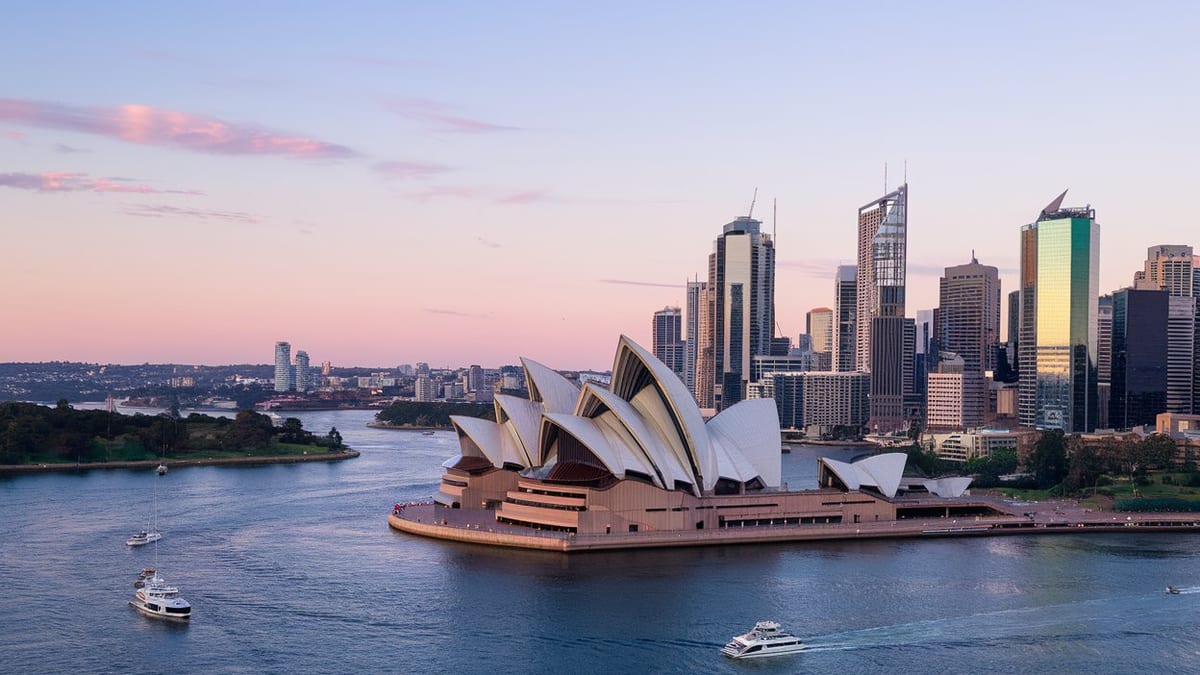
Image by Latest International / Global Travel News, Breaking World Travel News
Australia’s Six-Month Suspension Targets Visa and Return Risks
Publicly available information on Australia’s recent migration determinations indicates that a new six-month suspension framework is being used to limit the arrival of certain temporary visa holders from high-risk cohorts, including a significant number of Iranian nationals. The mechanism, described in legal and policy commentary as an “arrival control” measure, allows authorities to pause entry even for travelers who already hold a visa, provided they fall within the targeted categories.
Discussion among migration specialists and community forums points to March 26, 2026, as the start of the current six-month suspension window, which runs into the northern summer peak travel period. While the rules are written in nationality-neutral terms, analysts note that Iranian travelers are disproportionately affected because of existing backlogs, higher rates of unresolved protection claims and longstanding difficulties securing return agreements with Tehran.
Commentary from Australian migration experts suggests that a central concern is the risk that some temporary visitors will be unable or unwilling to depart at the end of their authorized stay, particularly if tensions in the Gulf region escalate further. The suspension tool is framed as a way to reduce new inflows from already over-represented nationalities in detention and protection pipelines, buying time for broader policy reforms.
Exemption carve-outs reportedly exist for close family members of Australian citizens and permanent residents, humanitarian visa holders and travelers whose circumstances are deemed compelling. Even so, traveler anecdotes and agent advisories indicate that Iranian tourists who had planned short stays for leisure, events or family visits are facing last-minute disruptions, with some being advised not to board flights despite holding valid visas.
US-Led Travel Bans Shape a Wider Western Template
The Australian shift comes against the backdrop of a significantly expanded United States travel ban architecture that once again includes Iran on a list of “fully restricted” countries. According to legal briefs and advocacy guidance summarizing a June 2025 presidential proclamation and a follow-up order in December 2025, most Iranian nationals without existing visas are now barred from entering the US for both tourism and business, with only narrow humanitarian and family-based exemptions.
Policy trackers describe the current US regime as a layered system that combines outright entry prohibitions for citizens of nineteen countries, including Iran, with additional suspension powers over immigrant visas for dozens more. Recent US State Department cables and non-governmental analyses indicate that, while visas issued before key effective dates remain technically valid, new applications from Iranian passport holders are in most cases refused or left pending.
Observers argue that this model, originally developed in earlier iterations of the so-called travel ban, has become an influential template for other Western governments seeking to manage perceived security and migration risks linked to Iran. The focus on pre-travel screening, broad discretionary exemptions and explicit references to terrorism sponsorship and non-cooperation on returns has been echoed in recent policy debates in Europe, Canada and Australia.
At the same time, human rights and Iranian diaspora organizations continue to highlight the impact on ordinary travelers who have no connection to security concerns. They point to families separated for weddings, funerals and routine visits, as well as students and researchers unable to attend conferences or exchange programs, arguing that blanket nationality-based restrictions are a blunt instrument with heavy human costs.
Canada, UK, Japan and Germany Tighten the Net
Canada has not introduced a formal half-year tourism ban on Iranian nationals, but recent federal travel-advice updates show a markedly tougher stance. Global travel advisories now urge Canadians to avoid all travel to Iran, and recent reporting on internal enforcement initiatives describes increased screening of visa applications connected to Iranian authorities and heightened scrutiny of onward travel through third countries.
According to immigration-focused coverage, Canadian officials have expanded the use of security screening, visa cancellation powers and admissibility reviews for Iranian-linked cases, particularly after the flare-up in tensions between Iran and Israel in mid-2025. Mobility consultants warn that these measures, combined with a shrinking number of commercial flight options, are making it harder for Iranian family members to visit relatives in Canada or to secure visitor visas for tourism.
Across the Atlantic, the United Kingdom and Germany are participating in a broader European trend toward stricter entry management for nationals of sanctioned or conflict-affected states. Regional immigration digests and cruise-sector documentation highlight tighter pre-travel authorization requirements and increased use of background checks for passengers holding Iranian passports, even when they apply through consulates in third countries.
In Asia, Japan’s push to roll out a new electronic screening system for visa-free travelers has been framed in domestic media as a modernization effort, but comparative analyses note that it mirrors US, Canadian and European practices of pre-clearance and data-sharing. While Japan has not singled out Iranian tourists with a dedicated ban, analysts say Iranian nationals are likely to face more detailed questioning and longer processing times under the new digital regime, especially amid ongoing regional instability.
Escalating Conflict and Fears of Non-Return Drive Policy
Much of the current tightening is occurring against a backdrop of rising military tension and proxy conflict involving Iran. International news coverage since mid-2025 has documented airstrikes, cyber incidents and maritime confrontations that have raised questions about regional stability. Governments that rely heavily on risk-based migration management have increasingly linked these developments to their assessment of overstay probabilities and protection claims from Iranian nationals.
In Australia’s case, commentary from migration lawyers and community advocates points to a growing population of Iranian nationals in immigration detention, many of whom cannot be removed because of limited cooperation from Tehran on travel documents. This dynamic feeds concerns that new arrivals on temporary visas could become effectively non-removable if their protection claims fail but return arrangements remain blocked.
Similar anxieties are evident in US policy briefs and congressional research products, which connect the broad travel ban and immigrant visa suspensions for Iran to fears that individuals could seek to remain permanently by shifting into asylum or other humanitarian pathways. Critics, however, argue that such concerns are overstated and that robust individual screening would be more proportionate than sweeping nationality-based bars.
Travel industry analysts warn that these overlapping measures may have the unintended effect of driving Iranian travelers to a small set of alternative destinations, increasing irregular journeys and undermining people-to-people ties. They note that tourism historically acted as a channel of soft diplomacy and cultural exchange, and that shutting off mainstream routes could deepen isolation at a time when civil society contacts are already under pressure.
Uncertainty for Iranian Tourists Planning 2026 Trips
For would-be Iranian tourists, the immediate consequence of these shifts is a planning environment marked by uncertainty. Prospective travelers must now navigate not only traditional visa hurdles but also rapidly changing suspension determinations, evolving electronic travel authorization rules and shifting airline schedules that respond to sanctions and security advisories.
Travel law specialists advise that even holders of valid visas cannot assume they will be able to board flights if their nationality falls within a newly suspended cohort or if additional checks are imposed at the last minute. In the Australian context, publicly available commentaries emphasize that the six-month suspension window overlapping with the Northern Hemisphere’s summer season may disrupt previously booked holidays, cruises and family reunions.
Meanwhile, operators in the tourism sector across Australia, North America, Europe and Asia are recalibrating their expectations for inbound travel from Iran. Some are shifting marketing efforts toward other emerging markets, while others are lobbying for clearer, more predictable exemptions for low-risk visitors, such as students, tour groups and participants in major cultural or sporting events.
With conflict dynamics still volatile and policy settings under active review in multiple capitals, analysts expect that Iranian nationals will continue to face some of the world’s most complex tourism barriers through at least the second half of 2026. Many recommend that travelers and industry stakeholders monitor official advisories and specialist briefings closely, as relatively small legal adjustments can significantly change who is able to board a plane and who must stay home.