

More news on this day
Australian travelers are being warned to brace for a “new normal” of elevated airfares, as a fresh jet fuel shock interacts with long-running capacity and competition problems to push ticket prices higher across key domestic and international routes.
Get the latest news straight to your inbox!
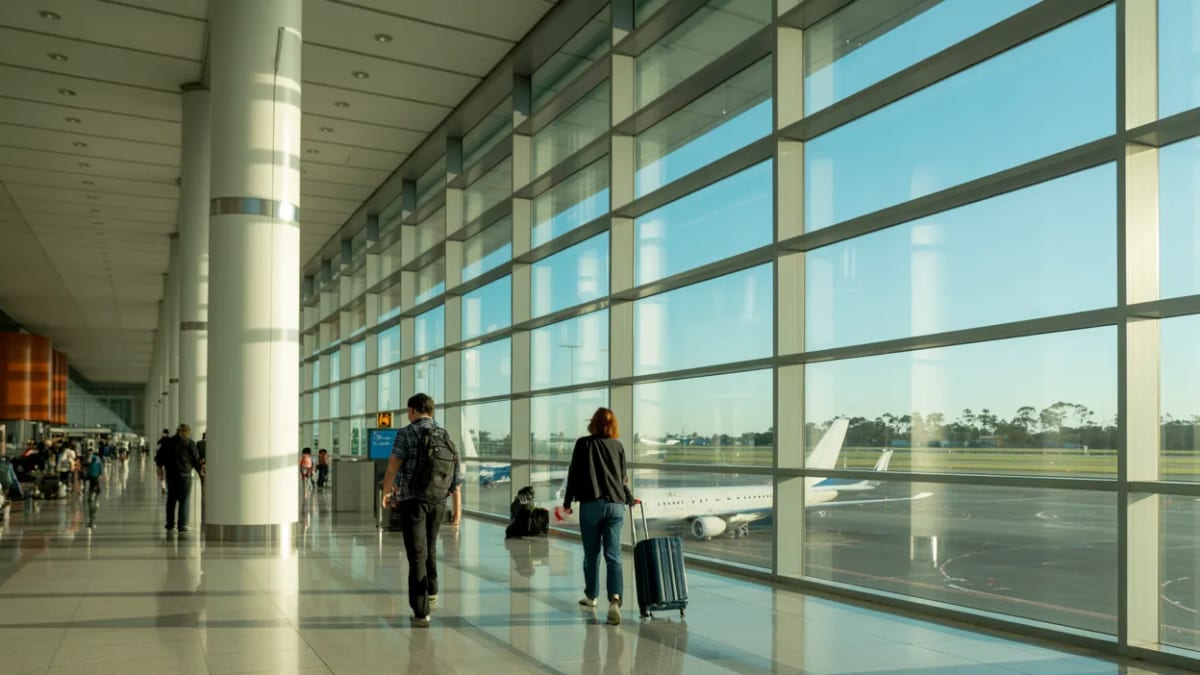
Image by Travel And Tour World
Fuel Shock Pushes Fares Higher Again
A sharp jump in global oil prices linked to escalating conflict in the Middle East is flowing directly into airline balance sheets and household travel budgets. Industry data indicates jet fuel costs have surged in recent weeks after a period of relative softness, reversing part of the declines seen through late 2024 and early 2025. Airlines typically treat fuel as one of their single largest operating expenses, and sudden spikes tend to translate into fare rises, new surcharges or cuts to discounted inventory.
In Australia, major carriers have already begun adjusting prices. Recent reporting on the national flag carrier indicates average international fares are being lifted by around 5 percent, with the impact varying by route and cabin. Regional observers note that these moves are arriving on top of already elevated ticket prices compared with pre pandemic norms, turning what had been a gradual easing in some markets back into an upward trend.
Travel industry representatives quoted in Australian media coverage are warning that the full effect of the fuel shock may not be felt for three to six months, as airline hedging contracts roll off and new fuel bills are priced into schedules. That lag means many tickets for winter and even spring travel could be issued at higher levels, even if underlying oil prices stabilise in the near term.
Some airlines elsewhere in the region have announced specific increases, such as flat rises on domestic and long haul fares. While structures differ by carrier, the signal for Australian travelers is clear: higher fuel costs are once again becoming a powerful force behind rising airfare quotes, especially on routes where competition is already thin.
Capacity Still Tight As Demand Surges Past Pre Pandemic Levels
Fuel is only one part of the story. Publicly available regulatory data shows that domestic passenger numbers across Australia have either matched or exceeded pre pandemic levels, even as overall seat capacity remains below where it stood in 2019. Industry monitoring suggests that in some periods total domestic capacity has been several percentage points lower than before the crisis, while demand has fully recovered, pushing load factors to record highs.
Reports from the Australian Competition and Consumer Commission and aviation analytics firms describe a domestic market where planes are fuller, frequencies on some routes remain trimmed back and a stable duopoly dominates the main intercity corridors. When fewer seats are chasing more passengers, airlines have greater scope to hold prices higher, particularly on business heavy routes linking Sydney, Melbourne, Brisbane and Perth.
Independent consumer focused coverage has highlighted the consequences for ordinary travelers. Analyses of average fare revenue per passenger on major city routes show real increases in the double digits over certain quarters compared with a year earlier. While there has been some seasonal softening at off peak times, the underlying picture remains one of structurally higher prices supported by constrained capacity and robust demand.
Internationally, capacity into and out of Australia has been rebuilding, with new and returning routes announced by foreign and local carriers. Yet overall long haul capacity remains patchy, especially on Europe and North America links, where aircraft and crew shortages intersect with strong leisure and visiting friends and relatives demand. This imbalance is helping keep long haul fares from Australia at historically high levels, even before the latest rise in fuel costs.
Competition Gaps Keep Pressure On Prices
Australia’s unique geography and relatively small population have long made its aviation market difficult to contest. In the wake of pandemic era consolidation and the restructuring of key players, regulatory reports describe a domestic landscape dominated by two main groups on trunk routes, with smaller rivals playing limited roles on select city pairs and regional sectors.
According to recent monitoring work by the competition regulator, the entry of a third operator on some intercity routes earlier in the decade drove noticeable downward pressure on average fares. Subsequent withdrawals from those same routes coincided with higher average prices and fewer choices for consumers. Airport and tourism industry bodies have seized on these findings to argue for policies that make it easier for new or expanding carriers to secure slots and infrastructure access.
On international sectors, bilateral agreements, airport capacity and alliance structures all shape how many airlines can realistically operate profitable services to Australia. Travel industry analyses note that where multiple foreign carriers compete head to head with Australian airlines, fares tend to be lower and more responsive to shifts in fuel costs or currency. By contrast, markets with only one or two operators often exhibit stickier pricing, with discount seats selling out quickly while fully flexible and last minute fares sit at eye watering levels.
Consumer advocates are calling attention to the interaction between limited competition and complex fare structures. With airlines increasingly segmenting cabins and charging separately for luggage, seat selection and flexibility, headline ticket prices may obscure the true cost of travel. For many households, the perception is that flying within Australia now costs as much as or more than some international leisure trips once did, reinforcing a sense of an airfare “new normal” that sits well above pre pandemic experience.
Are Prices Falling Anywhere At All?
Despite the latest fuel driven increases, not every part of the market is moving in the same direction. Consulting firms and corporate travel managers report that average domestic economy fares dipped through parts of 2024 and into early 2025 as additional seats were added and global jet fuel prices briefly eased. Some analyses point to declines of around 10 to 12 percent on selected domestic routes compared with the previous year, although those reductions came off very high post reopening peaks.
Internationally, there have also been signs of modest relief in certain cabins and regions. Travel industry bulletins show that early 2025 saw average economy fares on international departures from Australia fall by around 5 percent year on year, with business class fares down slightly less. Increased capacity from Asian, Middle Eastern and North American carriers, as well as new connections from secondary Australian cities, contributed to a greater supply of seats and more promotional activity.
However, analysts caution that these improvements may prove fragile in the face of the renewed fuel shock and persistent structural issues. The latest competition monitoring reports suggest that while headline averages may flatten or even dip during shoulder seasons, peak period fares remain substantially higher than before the pandemic. School holidays, long weekends and major event windows continue to attract premium pricing, with budget friendly seats selling out earlier in the booking curve.
For travelers, the mixed picture means that bargains are still possible, but they are increasingly dependent on flexibility and careful planning. Those able to travel midweek, avoid peak school holiday dates and book well in advance may still access sub peak pricing, particularly on routes where new entrants or foreign carriers are adding capacity. Others, especially families bound by school calendars, are much more exposed to the upper end of the new pricing range.
What Travelers Can Do In The New Airfare Reality
With fuel volatility and structural constraints combining to keep Australian airfares elevated, industry experts are advising travelers to rethink how they plan and budget for flights. Rather than assuming prices will fall closer to departure, many analysts now suggest that booking earlier for peak periods offers the best protection against future fare rises as new fuel surcharges or inventory changes flow through.
Publicly available guidance from travel management companies highlights the value of flexibility on dates, times and even departure airports. Shifting by a day or two, flying at less popular times or using a nearby secondary airport can sometimes deliver significant savings, particularly on domestic sectors. For long haul trips, mixing and matching carriers across alliances or considering one stop itineraries via Asia or the Middle East can open up lower fare buckets that are not visible on simple point to point searches.
Frequent flyer programs and credit card rewards are also becoming more important tools for offsetting higher cash fares, though travelers are being urged to monitor changes in points redemption rates and surcharges. Recent program updates at major Australian airlines have increased the points required for many reward seats, reflecting both strong demand and higher underlying ticket values. As a result, using points strategically for long haul premium cabins or high demand holiday periods may deliver better value than short domestic hops.
Ultimately, the emerging consensus across regulatory reports, industry analysis and travel consultancy briefings is that the era of ultra cheap Australian airfares has receded for now. While future increases in competition and capacity could ease the pressure, the immediate outlook points to a sustained period of higher baseline prices shaped by fuel costs, operational constraints and market structure. For travelers, understanding these forces and adjusting expectations accordingly is becoming an essential part of planning any trip that involves taking to the skies.