

More news on this day
Australia’s already strained aviation network is facing another turbulent weekend, as fresh clusters of flight cancellations and delays across major airports leave passengers stranded, connections missed and airline schedules in disarray.
Get the latest news straight to your inbox!
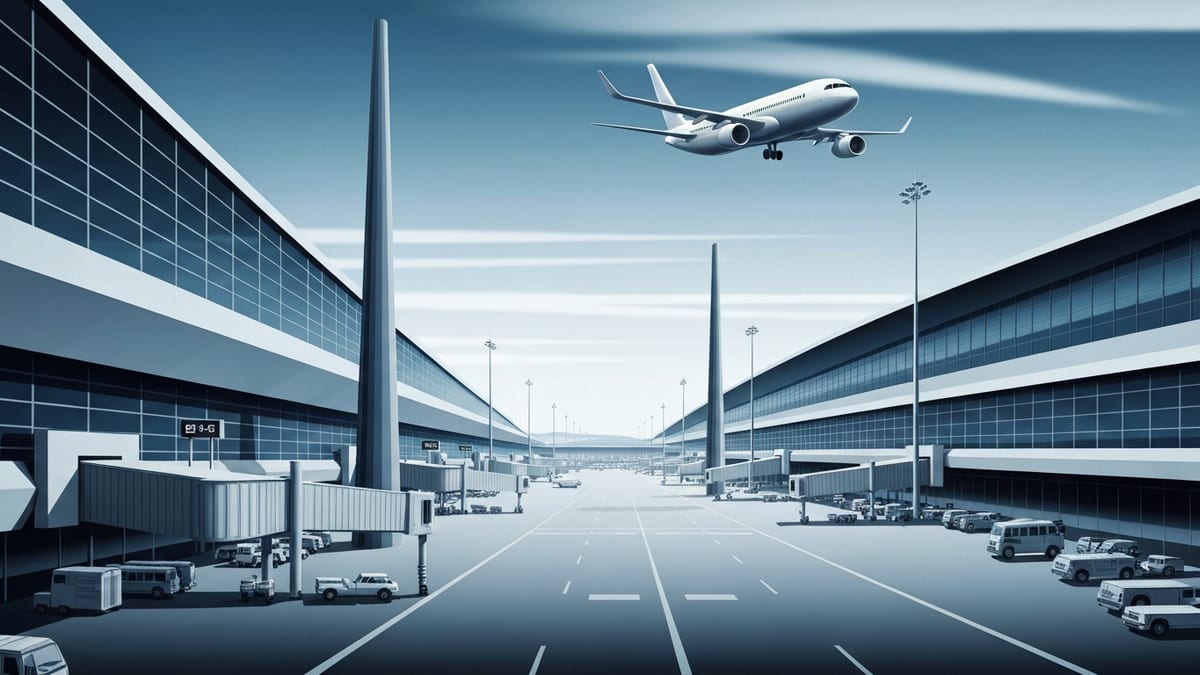
New Disruptions Hit Sydney and Melbourne Hubs
Published data for April 12, 2026 shows dozens of cancellations and well over one hundred delays across Australia’s biggest gateways, with Sydney and Melbourne again bearing the brunt of the disruption. Reports from airline and flight-tracking summaries indicate that at least 29 flights were cancelled and around 180 delayed across key airports, snarling both domestic and international journeys.
Sydney Airport, the country’s busiest hub, has emerged as a central pressure point. Coverage from travel industry outlets describes a pattern of rolling delays through the day, with departure banks pushed back and arriving aircraft waiting for gates. Melbourne Tullamarine has reported similar strains, with cancellations at several major airlines compounding congestion in peak morning and evening periods.
The latest figures follow a broader trend of elevated disruption across Australia and New Zealand. Travel-focused publications tracking day-of-operations performance noted earlier waves of 50 or more cancellations and several hundred delays in recent months, underscoring how even relatively modest schedule changes can cascade when aircraft and crews are tightly rostered.
Knock-on Effects Across the Domestic Network
The immediate impact for travellers is apparent in extended queues at check in and security, crowded departure halls and rolling gate changes. Publicly available information from aviation data providers suggests that today’s problems are not confined to a single carrier or city pair, but rather spread across multiple airlines and routes connecting the eastern capitals with secondary cities.
Industry analyses of recent disruption patterns indicate that the structure of Australia’s domestic network amplifies ripple effects. When a morning service from Sydney or Melbourne is cancelled or significantly delayed, the same aircraft and crew are often scheduled to operate two or three additional sectors later in the day. That means an issue on one leg can trigger a succession of late departures and missed connections across the country.
Smaller airports are also feeling the strain. Travel media reports have highlighted travellers stuck in cities such as Adelaide, Brisbane and Perth after inbound aircraft failed to arrive on time from Sydney or Melbourne. In many cases, limited frequency on certain routes leaves passengers facing long waits for the next available service, particularly on weekends when spare capacity can be tight.
Weather, Global Routing Shocks and Tight Capacity
Current reports suggest that the latest bout of flight chaos reflects a combination of local and international pressures. Unsettled autumn weather across parts of south-eastern Australia has prompted occasional flow restrictions at Sydney and Melbourne, while global routing challenges linked to airspace closures in parts of the Middle East have added further complexity to long-haul scheduling.
Travel advisories from comparison and booking platforms in recent days have noted that airlines are still working around constrained corridors between Australia, Europe and the Middle East. Rerouted services typically require longer flight times, tighter turnaround margins and in some cases additional crew, leaving operations more exposed to knock-on delays when conditions deteriorate or ground handling runs behind schedule.
At the same time, Australian airlines are operating with relatively lean spare capacity following the strong rebound in travel demand. Historical airport monitoring by competition regulators has highlighted how high utilisation of aircraft and gates can limit an airline’s ability to recover from unexpected shocks, whether they stem from weather, technical glitches or congestion in crowded terminal precincts.
Stranded Travellers and Growing Frustration
The human impact of the latest disruptions is visible across social media feeds and local news coverage, which show families camped out near departure boards, business travellers rebooking meetings and holidaymakers improvising overnight stays. Posts shared from Sydney and Melbourne terminals describe snaking customer-service queues, as passengers seek rebooking options, meal vouchers or hotel support.
Travel commentators point out that many of those caught up in today’s chaos are already wary after repeated episodes of disruption across the region in recent months. Earlier clusters of delays and cancellations affecting trans-Tasman routes between Australia and New Zealand left thousands of passengers stranded on both sides of the Tasman Sea, reinforcing perceptions that the aviation system is running close to its limits.
Consumer organisations have been reminding passengers to review each airline’s conditions of carriage and compensation policies, noting that entitlements can vary depending on whether a delay is caused by weather, operational decisions or issues beyond an airline’s control. Guidance from competition and consumer agencies also stresses that travellers may be eligible for refunds or alternative transport in cases of significant schedule changes or cancellations.
How Travellers Are Being Urged to Respond
In response to the continuing volatility, travel experts and passenger advocates are urging Australians to build more contingency into their plans. Recommendations in recent public guidance include allowing extra time at the airport, avoiding tight connections on separate tickets and favouring earlier flights in the day, which historically face a lower risk of accumulated delays.
Online travel platforms tracking today’s disruptions are advising customers to monitor airline apps and airport information boards closely in the 24 hours before departure, as same-day schedule changes have become more common. For longer trips involving connections through overseas hubs, comparison sites suggest keeping an eye on wider geopolitical and weather developments that could affect airspace availability and routing options.
Some airlines have introduced temporary fee waivers and more flexible change policies during recent spikes in cancellations, particularly on routes affected by international airspace restrictions. Travel industry reporting notes that passengers who proactively adjust their plans, rather than waiting until they reach the airport, often have a better chance of securing alternative flights before remaining seats are taken.
With Australia’s peak winter holiday season approaching, analysts expect pressure on the system to intensify unless additional slack is built into schedules or extra capacity is brought online. For now, today’s wave of flight chaos across Sydney, Melbourne and other major airports serves as another reminder that air travel in the region remains vulnerable to disruption, even on seemingly routine weekends.