

More news on this day
Australia’s long-running air travel crisis is entering a new phase, as governments and airlines promote a wave of new pricing schemes and partnerships promising cheaper flights and better links to some of the country’s most remote communities, even as data shows fares remain stubbornly high and access patchy.
Get the latest news straight to your inbox!
Soaring Fares Keep Pressure on Travellers and Policymakers
Domestic airfares in Australia have risen sharply over the past two years, intensifying scrutiny of how well the aviation market is serving a vast country that relies heavily on air links. Bureau of Infrastructure and Transport data cited in commercial reports shows the cost of the cheapest domestic tickets jumping by more than 12 per cent after several regional airlines withdrew from the market, leaving dominant carriers to fill the gap.
Analysts note that while headline prices eased slightly from their post-pandemic peaks, many Australians still face significantly higher costs than before 2020, especially on routes with limited competition. Consumer advocates argue that the effective disappearance of some regional operators has reduced choice on thin routes and pushed many travellers into paying markedly more for the few remaining services.
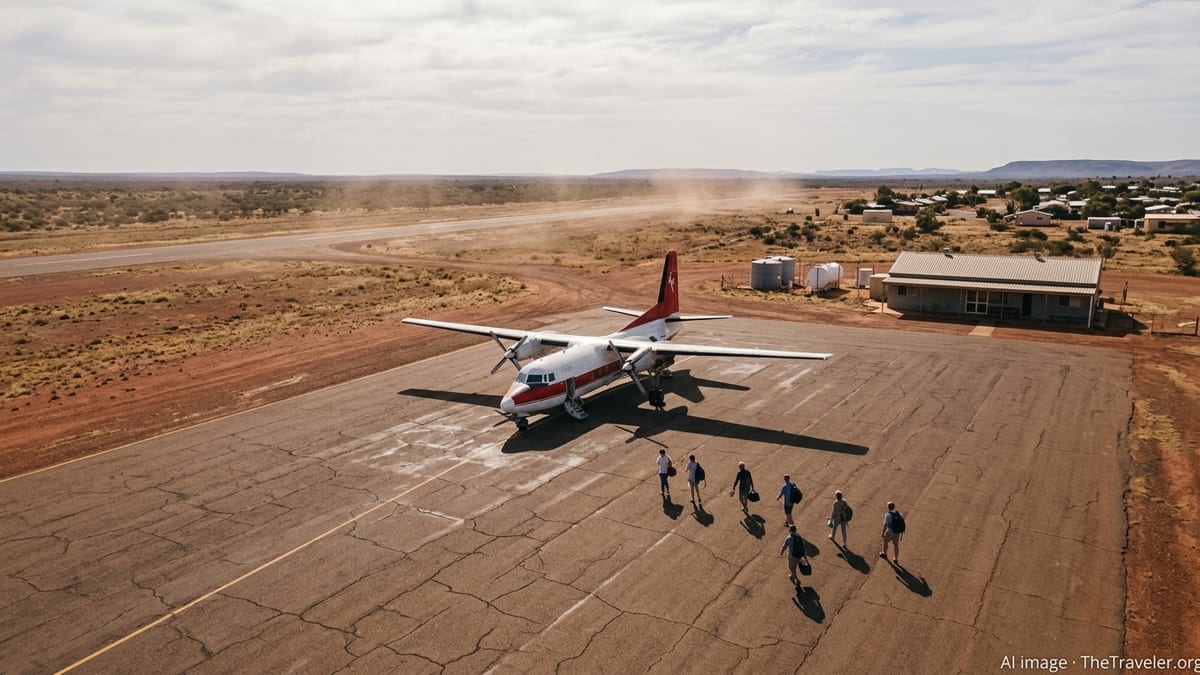
The squeeze is being felt most acutely outside the capital cities. Residents of remote towns in states such as Western Australia and Queensland report shelling out hundreds of dollars for short hops to regional centres or capital cities for medical appointments, family visits or essential business, reinforcing a perception that air travel has become a luxury rather than a basic service.
New Fare Caps Aim to Ease the Burden in Western Australia
In Western Australia, authorities are expanding and adjusting a regional airfare cap scheme that has become a key test case for how policy can influence prices on remote routes. Under the program, eligible residents can book capped fares on selected routes to and from Perth, with updated price ceilings for low and high demand flights scheduled to apply from July 2026. Participating airlines, including Airnorth, Nexus Airlines, Qantas, Rex, Skippers Aviation and Virgin Australia, are able to offer fares up to the capped maximum, and in some cases cheaper.
Recent changes have sparked debate. Reports from late 2025 describe residents’ frustration that caps for peak periods are being lifted, even as officials argue higher ceilings are needed to keep the scheme financially sustainable and prevent airlines from withdrawing capacity. Critics in remote Kimberley communities have warned that even with discounts, return fares remain substantial relative to local incomes, contributing to social and economic isolation.
Airlines are beginning to respond on specific routes. In February 2026, coverage of the Kimberley region highlighted Airnorth’s move to introduce a discounted resident return fare between Broome and Kununurra, promoted as a cheaper option after years of steep prices on the corridor. For some locals, the offer was welcomed but viewed as arriving “too little, too late,” underscoring the depth of frustration over historic fare levels and limited frequency.
Policy specialists see Western Australia’s zone caps as an early prototype for broader interventions. The scheme’s evolution, including the tension between keeping prices low and ensuring carrier viability, is being closely watched by other jurisdictions weighing similar tools to support thin regional routes.
National Policy Review Confronts Competition and Access Gaps
The federal government is also under pressure to address the structural causes of high fares and patchy connectivity. An aviation green paper released as part of a long-term strategy process highlights the decline in the number of regional routes and airports served by regular public transport services over recent decades, as well as the difficulty of sustaining operations in very remote communities with small passenger bases and high operating costs.
Publicly available information from Senate inquiries and regulatory reports indicates growing concern about market concentration, particularly on trunk routes where a small number of carriers dominate capacity. A parliamentary committee that examined the decision to block additional Qatar Airways flights into major Australian cities concluded that more transparency and stronger competition oversight were needed, and recommended renewed monitoring of the domestic airline sector by the national competition regulator.
The green paper process is framed around ensuring that aviation supports economic opportunity and social cohesion, not only in major cities but across remote and regional Australia. Policy options canvassed include targeted subsidies, more flexible slot management at constrained airports, and closer coordination between federal, state and local authorities to maintain minimum service levels to isolated towns.
Industry observers say any national plan that promises cheaper fares and better access will ultimately be judged on whether it stimulates genuine competition on key routes and delivers predictable, affordable options for residents who currently face limited choice.
New Airline Partnerships Promise More Choice, If Prices Follow
Alongside government initiatives, airline partnerships are reshaping the competitive landscape and raising expectations that increased capacity could nudge fares lower. Qatar Airways’ move to take a 25 per cent minority stake in Virgin Australia Holdings was approved by authorities in early 2025, following scrutiny by competition and foreign investment regulators. The tie-up cements a closer alliance that includes code sharing on flights from Australian gateways to Doha and beyond.
Publicly available corporate statements and regulatory filings indicate that Virgin Australia is positioning the partnership as a way to expand its international reach and deepen competition against Qantas on Europe and Middle East routes. Industry analysts suggest that stronger global connections may indirectly benefit domestic travellers, if additional long-haul demand supports more feeder flights from regional centres into major hubs.
However, the legacy of the 2023 decision to deny Qatar Airways additional flight rights into major Australian cities continues to shape public debate. Earlier coverage by outlets such as ABC News and The Guardian documented concerns that limiting capacity kept international fares higher than they might otherwise have been, reinforcing calls for a more transparent and competition-focused approach to future air service agreements.
For now, the most immediate changes for many travellers may come not from headline-grabbing equity stakes, but from incremental schedule adjustments and occasional discount initiatives on specific routes, especially where new or revitalised competitors enter previously one-carrier markets.
Remote Communities Still Waiting for Reliable, Affordable Links
Despite the prominence of new policies and commercial deals, people living in Australia’s most remote regions continue to report that access remains fragile. Case studies from the Kimberley, Pilbara and parts of inland Queensland describe situations where a single airline operates a lifeline service, leaving communities exposed to price spikes or schedule cuts when demand dips or operating costs rise.
The aviation green paper and supporting research point to structural factors that make remote flying expensive, including long distances, low passenger volumes, and the high costs of maintaining aircraft and skilled staff in small markets. Observers argue that without carefully targeted support, even well-intentioned fare cap schemes or partnership deals may struggle to deliver sustained, system-wide improvements.
Community leaders and local businesses have advocated a mix of measures, from more transparent fare monitoring to expanded subsidies for essential travel related to health, education and government services. Some also call for innovation in aircraft types and operating models, such as smaller, more efficient planes and flexible on-demand services that could reduce per-passenger costs on very thin routes.
As the national aviation strategy process moves from green paper to more concrete proposals, the central test for any new plan will be whether residents in remote towns see a tangible shift: more seats, more reliable schedules and consistently lower fares. Until those changes are widely felt, the sense of a deepening travel crisis is likely to persist, even as officials and airlines promote a future of cheaper flights and better access to the farthest corners of the continent.