

More news on this day
Escalating conflict across the Middle East has triggered airspace closures, mass cancellations and strong “do not travel” advisories, yet many Australians are still booking long-haul journeys that transit the region’s major hubs on their way to Europe and beyond.
Get the latest news straight to your inbox!
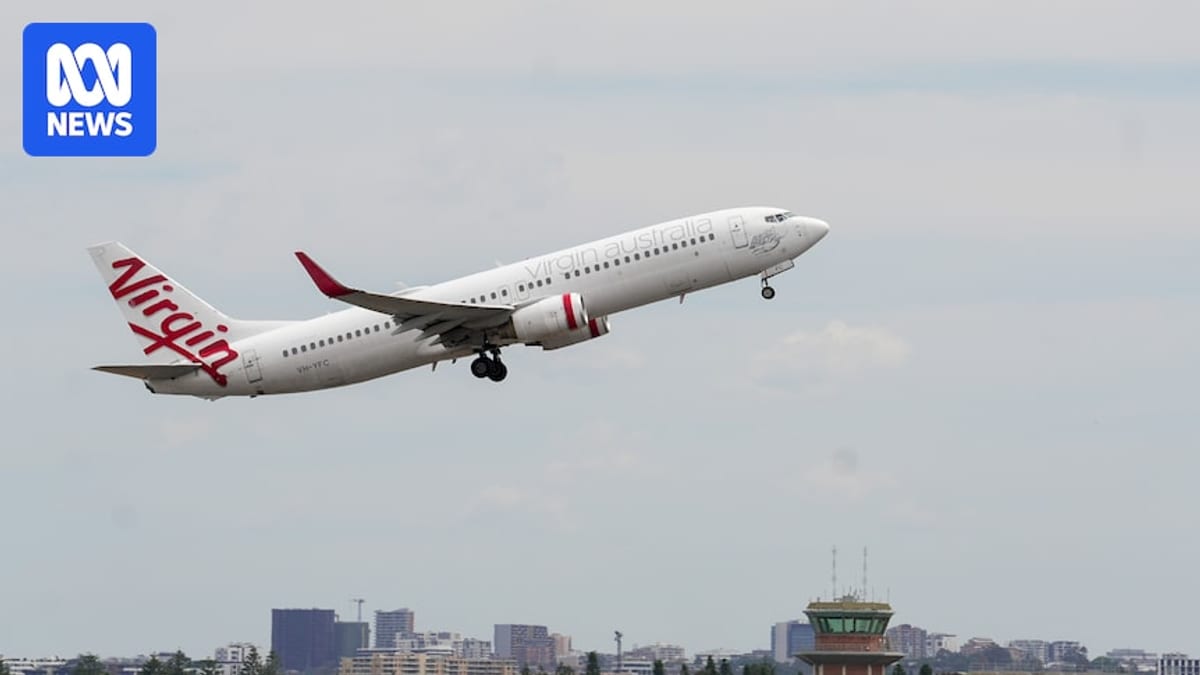
Image by Australian Broadcasting Corporation
Middle East Conflict Collides With Australia’s Travel Habits
For more than a decade, routes via Dubai, Doha and Abu Dhabi have formed the backbone of Australia’s long-haul travel to Europe, with Gulf carriers such as Emirates, Qatar Airways and Etihad offering competitive fares, extensive networks and one-stop connections. Industry coverage notes that this pattern turned the Middle East into a default corridor for Australians heading to the northern hemisphere summer or visiting friends and relatives abroad.
The eruption of a wider regional conflict in late February 2026 has disrupted that long-established pattern but not fully displaced it. Reports describe missile and drone strikes on key Gulf states, temporary shutdowns of airspace across Iran, Iraq, Qatar and the United Arab Emirates, and debris incidents in the vicinity of major airports. Aviation security briefings classify much of the Eastern Mediterranean and Gulf airspace as high risk for civil aviation, forcing airlines to reroute or suspend services.
Despite this, publicly available booking and fare data, along with anecdotal accounts shared by Australian travellers, indicate that itineraries transiting the Middle East remain in circulation. Some services have resumed on a limited basis as carriers test contingency routes skirting closed airspace, while others remain suspended, creating a patchwork of options that travellers must navigate.
The result is an uneasy coexistence of high demand for affordable long-haul travel with an elevated threat environment that continues to evolve week by week.
Strong Warnings, Limited Options
Australia’s official travel advisories for the region have hardened as the conflict has intensified. Publicly available government guidance now lists a wide swathe of Middle Eastern destinations under “Do not travel” advice, including Bahrain, Iran, Iraq, Israel, Kuwait, Lebanon, Palestine, Qatar, Syria, the United Arab Emirates and Yemen. Travellers are urged to avoid transit through these locations as well as direct visits, and to leave affected countries while commercial options remain available.
Foreign policy statements in early March flagged the possibility of rapid deterioration, urging Australians to be prepared for flight disruptions, last-minute cancellations and extended airport closures. Subsequent coverage of repatriation efforts indicates that more than ten thousand Australians have already been airlifted or assisted to depart conflict zones and nearby states on special or redirected commercial services, often via Europe or Asia rather than Gulf hubs.
Yet even as advisories tighten, some Australians continue to find themselves booked on itineraries through Dubai, Doha or Abu Dhabi, particularly for trips planned months in advance. Online forums and travel community discussions in late March show passengers weighing whether to cancel or rebook, often confronted with higher fares and complex change conditions when shifting to Asian or direct European routes.
Insurance notices and airline travel alerts published in March highlight another constraint: many policies now exclude cover for travel to or through destinations under formal “do not travel” warnings. That leaves some passengers facing a choice between writing off non-refundable tickets or pressing ahead with itineraries that carry greater logistical and security uncertainty.
Airlines Tread a Fine Line on Safety and Capacity
Middle Eastern and international carriers have responded to the crisis with a mix of suspensions, diversions and limited resumptions. Aviation advisories compiled from airline notices show that airspace over Iran, Iraq, Syria, Lebanon and parts of the Gulf has been closed at various points since late February, while operations in the United Arab Emirates, Saudi Arabia, Israel, Oman and Yemen have been heavily curtailed or temporarily suspended.
Gulf-based airlines have announced phased restarts of certain services as selected air corridors reopen under tighter controls. Coverage in regional business media indicates that Emirates and Etihad have cautiously restored parts of their long-haul networks using adjusted routings, while warning that only passengers with confirmed onward connections will be accepted on some transit services through Dubai and Abu Dhabi. Qatar Airways has been operating a reduced schedule into and out of Doha, with frequent last-minute changes in response to airspace notices.
Travel-industry reporting shows that Australian-bound capacity via the Gulf has shrunk significantly but not disappeared. Some flights linking Australia to Europe through Middle East hubs continue to operate with extended flight times as they dogleg around closed zones or fly at non-standard altitudes. Others have been consolidated, leaving fewer weekly options and pushing up prices on remaining seats.
At the same time, non-Gulf carriers such as Qantas and several Asian airlines have moved to capture displaced demand, increasing frequencies on routes via Singapore, Hong Kong, Bangkok and other Asian gateways. Aviation analysts cited in regional press coverage note that while bookings to the Middle East have plunged, overall outbound travel from Australia remains robust, suggesting that many travellers are simply shifting corridors rather than cancelling their trips altogether.
Why Some Travellers Still Choose Middle East Transit
Despite heightened warnings and unstable operations, multiple factors continue to pull some Australians toward itineraries that transit Middle East hubs. The most immediate is price. Comparative fare searches reported by consumer travel outlets show that, in many cases, Gulf carriers still undercut equivalent routes via Asia or North America, sometimes by several hundred dollars on a return ticket to Europe.
Convenience also plays a role. Established schedules via Dubai, Doha and Abu Dhabi traditionally offered single-stop connectivity from smaller Australian cities to dozens of European destinations, often with shorter total travel times than competing routings. Even with reduced frequencies and detours around closed airspace, some of these connections remain faster or more straightforward than alternatives that require two stops in Asia.
For travellers already on the road when the crisis escalated, sunk costs and uncertainty about refunds can be powerful incentives to persist with existing bookings. Forum discussions referenced in travel media show some Australians choosing to “wait and see” rather than proactively rerouting months ahead of departure, especially for departures later in 2026 when they hope conditions may have stabilised.
There is also an element of risk tolerance. While security experts advise treating current Middle East overflights and hub transits as high-risk, especially near active conflict zones, many passengers perceive the actual likelihood of an incident affecting their particular flight as low. That gap between technical risk and personal perception helps explain why some seats on resumed Gulf services continue to sell, even as others shun the region entirely.
Growing Emphasis on Risk Management and Flexibility
The volatility surrounding Middle East transit routes is prompting a wider rethink among Australian travellers, airlines and intermediaries about how to manage geopolitical risk. Corporate travel advisories now routinely flag the region as a heightened-risk corridor, recommending pre-trip security assessments and insisting that employees avoid routings through designated conflict zones.
Consumer-focused guidance from travel agencies and comparison sites similarly stresses the importance of flexibility. Many are encouraging Australians to book fares that allow free date or routing changes, register itineraries with consular services and monitor real-time updates from airlines and official travel-advice channels rather than relying on static booking confirmations.
Analysts observing booking patterns out of Australia report a notable pivot toward Asia and North America as preferred transit regions for Europe-bound trips in the short term. Destinations such as Singapore, Tokyo and Seoul feature more prominently as stopover points, while some leisure travellers are reframing their journeys to include longer stays in these hubs, effectively converting a safety-driven reroute into an added mini-break.
Still, industry commentary suggests that if the conflict ebbs and airspace gradually reopens, price-sensitive travellers are likely to drift back to Middle East corridors that once again offer the fastest and cheapest paths to Europe. For now, however, Australian passengers contemplating a flight through the region face an unusually complex calculus, balancing cost, convenience and personal risk tolerance against a backdrop of rapidly shifting geopolitical realities.