

More news on this day
Australian travelers are confronting a fresh airfare shock as jet fuel price spikes, geopolitical tensions and constrained airline competition combine to push ticket prices to what analysts increasingly describe as a new normal of higher costs.
Get the latest news straight to your inbox!
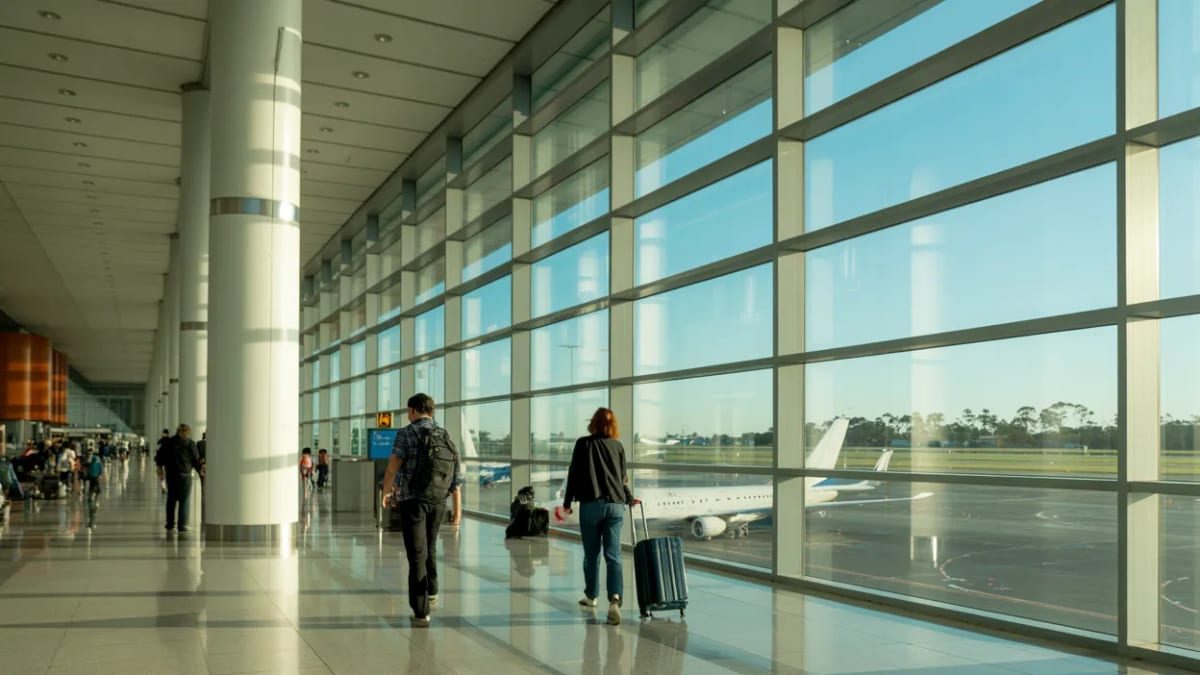
Image by Travel And Tour World
Fuel Shock Pushes Fares To Record Highs
Across Australia, published data and industry commentary indicate that fares on many domestic and international routes are sitting well above pre pandemic levels, with the latest round of global fuel price volatility adding to an already expensive market. The conflict centered on Iran and wider Middle East tensions has driven up oil and jet fuel benchmarks, and airlines operating from Australia are now paying significantly more to keep aircraft in the air.
Jet fuel is one of the single largest expenses for airlines, often accounting for a quarter or more of operating costs. When prices jump sharply, carriers have limited options: absorb the hit, hedge more aggressively, or pass some of the cost on to passengers through higher base fares, route wide price increases or fuel related surcharges folded into the ticket. In 2026, the balance has clearly tilted toward passing those increases through to travelers.
Reports from the Asia Pacific region describe fuel surcharges of hundreds of dollars per long haul ticket and widespread fare rises of 10 to 25 percent on some networks. Australian carriers are not immune to the same pressures, particularly on long distance services to Asia, North America and Europe that are heavily exposed to fuel prices and route disruptions.
Capacity, Competition And The “New Normal” For Prices
Higher fuel costs are landing on top of structural issues that were already keeping Australian fares elevated. Monitoring by the Australian Competition and Consumer Commission has highlighted that domestic capacity remains below pre pandemic peaks on many routes, while demand has largely recovered. With fewer seats chasing strong leisure and business travel, headline prices have remained stubbornly high.
The domestic market is still dominated by a small number of large players on trunk routes, which limits competitive pressure when costs rise. Regional and smaller airlines have struggled with thin margins and higher financing costs, reducing their ability to undercut the major brands or rapidly add new services. The result is a market where airlines can maintain higher average yields while selectively discounting only the slowest selling flights.
Industry analysis suggests that even when temporary fuel spikes ease, Australian travelers are unlikely to see a broad return to ultra cheap fares. Airlines have rebuilt balance sheets after the pandemic, investors are prioritizing profitability over market share, and operational costs from wages to airport charges remain higher than before 2020. Many analysts now describe the pricing environment as a reset rather than a short term shock.
Longer Flight Paths And Middle East Disruptions
The energy crisis linked to the Iran war is not only lifting fuel prices but also reshaping global flight patterns in ways that particularly affect Australian passengers. Airspace restrictions and safety driven rerouting around parts of the Middle East have forced some airlines connecting Australia with Europe and parts of Africa to operate longer track flights that burn more fuel per journey.
Those detours add time and cost, which flow back into ticket prices. Airlines that once used hubs in the Gulf or nearby regions to offer one stop connections are adjusting schedules, consolidating frequencies or raising fares as they adapt. Travelers booking from Australian cities to Europe are already encountering longer itineraries and higher prices on dates where aircraft and crew are stretched by the new routing realities.
The combination of direct fuel price inflation and indirect effects from route changes means that Australia, positioned far from major population centers, is among the markets most exposed to energy shocks. Long haul journeys that already required substantial fuel uplift are now even more expensive to operate, further cementing the shift toward higher baseline fares.
How The Fuel Crisis Filters Into Your Ticket
For individual travelers, the mechanics of the current airfare explosion can be difficult to see on a booking screen, but they are there. Some airlines explicitly list fuel surcharges as separate line items, while others fold them into the base fare. Either way, the net effect is that the total cost of travel climbs as fuel markets tighten.
Published coverage from aviation regulators, ticketing agencies and industry bodies shows that many carriers across Asia and Oceania have moved to introduce new surcharges, raise existing ones or apply broad fare increases since early March 2026. In practical terms, this can add tens of dollars to a short domestic sector and several hundred dollars to a return trip between Australia and Europe or North America, especially in peak seasons.
Other cost drivers are also quietly embedded in the final price. Airport fees, security charges, carbon related levies and the higher cost of borrowing for fleet investment all contribute to what passengers pay. When fuel spikes arrive on top of this stack, airlines gain little room to discount aggressively without undermining financial performance, reinforcing the persistence of the new price plateau.
Strategies For Australian Travelers In A High Fare Era
While travelers cannot control global fuel markets or airline hedging decisions, they can adapt their planning to reduce the impact of higher fares. Publicly available fare tracking data shows that prices on many Australian routes are highly sensitive to timing, with significant differences between peak holiday periods and shoulder seasons. Shifting departure dates by even a few days around school holidays, major sporting events or long weekends can sometimes trim hundreds of dollars from an international itinerary.
Flexibility with routes and stopovers is another tool. Indirect routings via alternate hubs in Asia or North America can occasionally price lower than traditional one stop options through the Middle East or Europe, particularly when specific carriers are aggressively managing fuel exposure on certain corridors. However, those savings must be weighed against longer travel times and potential disruption risks.
Domestic travelers are increasingly encouraged by consumer advocates and travel agents to set up fare alerts, book well ahead for key trips and consider regional airports or secondary routes where competition may be marginally stronger. For international journeys, monitoring promotional windows, using frequent flyer points strategically and being open to midweek departures remain among the most effective responses to Australia’s new normal of higher airfares.