

More news on this day
Austria is solidifying its status as a year-round destination, with new tourism data and travel trend reports indicating that nearly one-third of visitors are deliberately choosing off-season and shoulder-season trips to Vienna, Salzburg and lesser-known regions across the country.
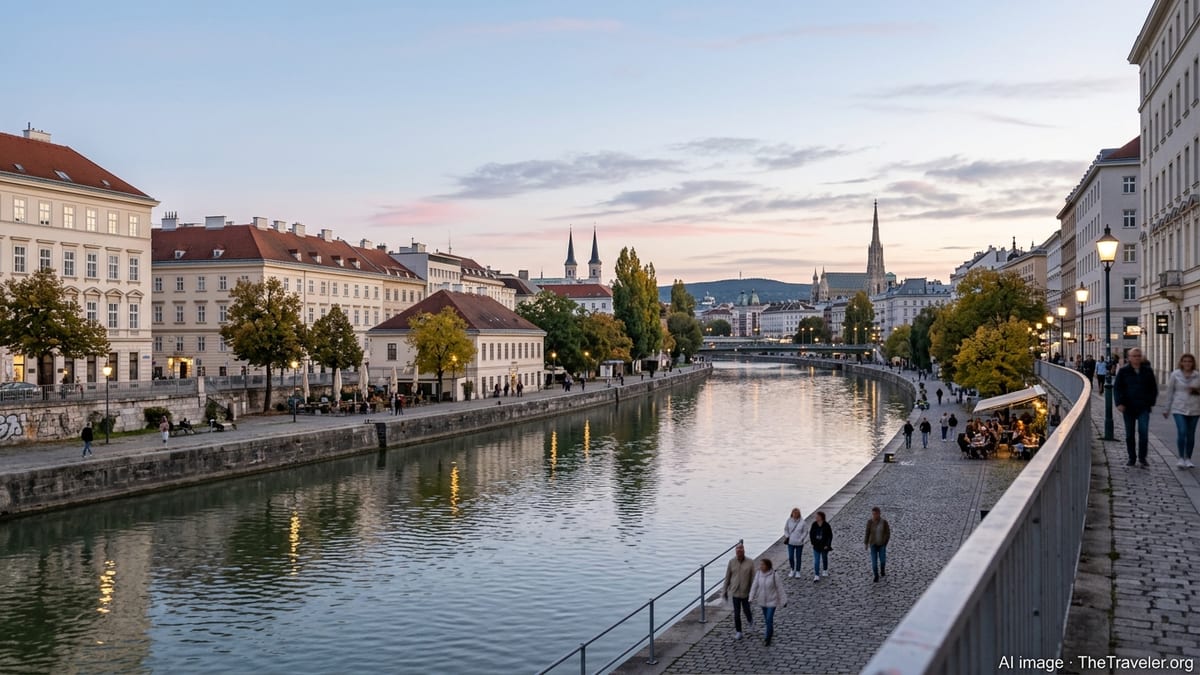
Off-Season Travel Moves Into the Mainstream
Across Europe, off-season and shoulder-season travel has shifted from a niche preference to a mainstream pattern, and Austria is among the clearest beneficiaries of this change. Industry trend reports for 2024 and 2025 describe a marked rise in travelers booking city breaks and cultural trips outside traditional summer and Christmas peaks, citing concerns about overtourism, extreme heat and higher prices in major capitals.
Travel analysis focused on European markets indicates that a substantial share of people now actively seek trips in spring and autumn, rather than the core July and August window. Studies highlighting behavior in these shoulder periods suggest that roughly one in three travelers is either avoiding peak travel altogether or building itineraries that explicitly target quieter months. Austria, with its compact cities, well-developed train network and strong cultural calendar, aligns closely with these new preferences.
Publicly available research on travel patterns also points to solo travelers and flexible remote workers as a key driver of off-season demand. These groups often choose to visit large European cities when crowds thin and museum queues shorten, making Vienna’s art institutions and Salzburg’s music heritage particularly attractive from October to April.
Record Overnights Underscore Austria’s Year-Round Appeal
Tourism statistics released in late 2024 and early 2025 show that Austria has surpassed its pre-pandemic records in total overnight stays, with both summer and winter seasons performing strongly. National data point to more than 150 million overnight stays in 2024, edging above the previous high set in 2019 and indicating a broad-based recovery that extends beyond peak holiday weeks.
Vienna has been at the center of this momentum. The city registered close to 19 million overnight stays in 2024, according to its own tourism reporting, making it the most successful year yet for urban tourism in the capital. Further figures released in 2025 show Vienna continuing to grow, with accommodation revenues reaching new highs as visitors combine cultural itineraries with meetings, congresses and extended stays.
Salzburg and key alpine regions mirror this pattern, though on a smaller scale. Tourism data for Salzburg show the state firmly holding its position as Austria’s second tourism heavyweight after Tyrol, with a roughly balanced split between summer and winter seasons. Reports from alpine destinations point to strong demand for early and late winter, as skiers and snowboarders seek reliable snow but aim to avoid the busiest holiday weeks.
Analysts note that the distribution of overnight stays across more months of the year is particularly visible in urban centers such as Vienna and Linz, where business travel, cultural festivals and conference activity help fill hotels in traditionally quieter periods like November and March.
Vienna and Salzburg Thrive Beyond Peak Season
Vienna’s visitor economy strategy has explicitly focused on qualitative, sustainable growth rather than simply maximizing numbers, and this approach appears to align well with emerging off-season trends. City documents outline goals to attract visitors who stay longer, explore beyond the historic core and value cultural experiences, all of which support a more even spread of tourism throughout the year.
Outside the hottest summer weeks, travelers are increasingly choosing Vienna for museum-focused trips, opera performances and neighborhood exploration. Cooler temperatures and lower hotel rates in late autumn and early spring make it easier to spend several days visiting institutions such as the Kunsthistorisches Museum, strolling through the Prater, or discovering local wine taverns without heavy crowds. Event calendars filled with design festivals, contemporary art fairs and classical concerts further strengthen the appeal of these months.
In Salzburg, known worldwide for its baroque skyline and musical heritage, demand remains strong in high season but is also growing in shoulder periods. Attractions connected to Mozart, the fortress and the film legacy of The Sound of Music now draw steady visitor flows in September, October and April. Tourism analysis and traveler feedback indicate that many visitors deliberately target these months to enjoy the old town, surrounding lakes and nearby alpine valleys with milder temperatures and shorter queues.
The expansion of off-season travel has also influenced day-trip patterns between Vienna, Salzburg and other historic towns such as Hallstatt and Innsbruck. While some locations continue to experience pressure from concentrated day visits in peak months, the broader availability of train connections and the promotion of multi-night stays are encouraging more travelers to distribute their time and spending across the calendar.
Alpine Regions Evolve Into Four-Season Destinations
Once seen primarily as winter playgrounds, Austria’s alpine regions have increasingly positioned themselves as four-season destinations. Tourism statistics for Tyrol show a near-even split between winter and summer overnight stays, with a slight edge for winter, reflecting both strong ski demand and growing summer interest in hiking, cycling and mountain wellness.
Regional strategies highlighted in tourism analyses emphasize expanding product offerings in shoulder months. Mountain resorts that historically closed for long stretches between winter and summer now promote early-season hiking, culinary events centered on alpine farms and late-autumn wellness packages. This approach not only smooths occupancy rates but also creates opportunities for local businesses that depend on seasonal employment.
Climate considerations are also pushing alpine destinations to broaden their appeal. With snow reliability increasingly variable at lower elevations, some valleys have invested more in non-snow-based activities, such as spa facilities, cultural festivals and cycling infrastructure. These investments make it easier for visitors to book off-season stays with confidence that there will be worthwhile activities even if conditions are less than ideal for skiing.
Reports from national tourism bodies describe coordinated campaigns aimed at nearby European markets, encouraging guests from Germany, the Netherlands and other neighboring countries to return for shorter, more frequent breaks throughout the year, rather than concentrating visits in a single peak holiday.
Traveler Priorities: Price, Climate and Authenticity
Surveys of European travelers conducted in 2024 and 2025 suggest that the growing popularity of off-season trips to Austria is closely linked to shifting priorities around value, comfort and authenticity. Respondents frequently cite lower prices for flights and hotels, milder temperatures and the ability to experience destinations at a slower pace as decisive factors in choosing spring or autumn travel dates.
Travel trend reports note that heatwaves in parts of southern Europe have nudged some visitors toward cooler central European destinations, particularly outside high summer. In this context, cities like Vienna and Salzburg, along with lake and mountain regions in Upper Austria, Styria and Carinthia, stand out as appealing alternatives that offer cultural depth, outdoor activities and comparatively moderate weather in shoulder seasons.
Authenticity has also become a key theme. Publicly available commentary from travel analysts points to a rising desire to see how cities function beyond the peak tourist period. In Austria, that might mean visiting Vienna’s coffeehouses when they are busy with locals, attending rehearsals or smaller concerts, or joining culinary tours that focus on seasonal produce in March or November.
Together, these trends have helped Austria transition from a destination associated mainly with winter sports and summer city breaks to one that increasingly attracts visitors in every month of the year, with nearly a third of travelers intentionally avoiding the rush in favor of off-season stays in Vienna, Salzburg and beyond.