

Austria is one of Europe’s easiest countries to navigate. Compact distances, a dense rail network, efficient buses and well-maintained roads make it simple to connect grand imperial cities with lakes, mountains and villages. Whether you prefer to sit back on a high-speed train, hop between valleys by bus or tour the country by car, understanding how Austrian transportation works will help you travel smoothly and keep your budget under control.
Understanding Austria’s Transportation Network
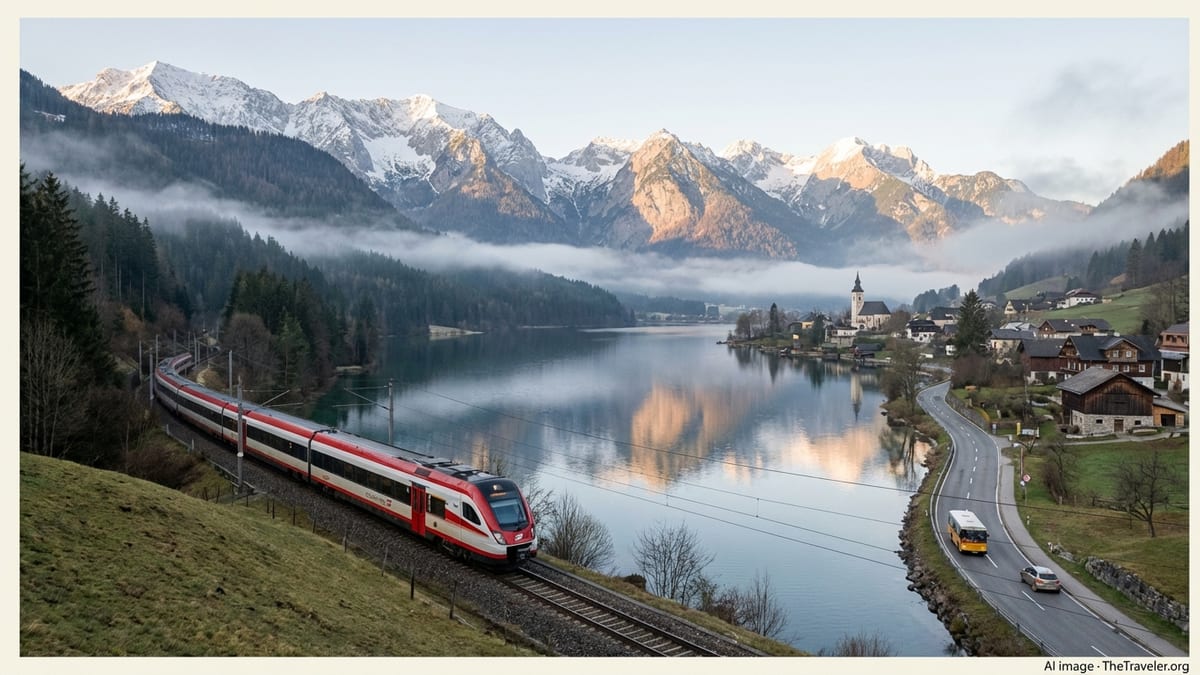
Austria’s transport system is built around its national railway, supported by regional buses, urban public transport and a modern motorway network. Trains form the backbone for most medium and long-distance journeys, with frequent connections between major hubs such as Vienna, Salzburg, Innsbruck, Graz and Linz. Feeder buses and local trains extend into Alpine regions, making even small resort towns accessible without a car.
The national rail operator coordinates timetables with regional partners, so transfers between trains and buses are generally straightforward. In many rural areas, station forecourts double as mini-hubs where local buses wait for arriving trains, especially on school and commuter routes. This integration means you can usually make a complete cross-country journey with just one or two changes, even when traveling to remote valleys.
Austria’s roads are equally well developed. Motorways and expressways criss-cross the country and connect seamlessly into neighboring Germany, Switzerland, Italy, Slovenia, Hungary, Slovakia and the Czech Republic. Outside the main corridors, regional highways and local roads wind through villages and pastures, often following river valleys or skirting mountain slopes. Driving is straightforward in summer but can require extra care from November to March when snow and ice are common in higher regions.
For most visitors, the best strategy is to rely on trains and buses for city-to-city and interregional journeys, then decide case by case whether a rental car adds value for specific excursions. In big cities, strong public transport networks make driving unnecessary and sometimes inconvenient because of parking rules and congestion.
Train Travel Across Austria
Traveling by train is usually the fastest and most comfortable way to get around Austria. High-speed Railjet services link Vienna with Salzburg, Innsbruck, Graz and Bregenz, and continue into neighboring countries. These trains provide reserved seating options, quiet zones, family areas, Wi-Fi on most routes, and a small bistro or trolley service. InterCity and regional trains fill in the gaps, serving medium towns, side valleys and cross-country routes where speed is less critical but frequency remains good.
Tickets can be bought online, via official mobile apps, at station ticket machines or staffed counters. Advance-purchase offers are often significantly cheaper than flexible tickets on popular long-distance routes, particularly between Vienna and Salzburg or Vienna and Innsbruck. When booking, you can usually choose between first and second class. Second class is perfectly adequate for most travelers, while first class adds more space and quieter carriages, and sometimes at-seat service on flagship trains.
Seat reservations are optional on many domestic routes but are highly recommended at busy times such as summer weekends, winter holidays and public holidays. Night trains operate on several international routes, often starting or passing through Vienna, Salzburg or Innsbruck. These services, widely marketed as night trains, offer couchettes and sleeping compartments that let you save a hotel night while crossing borders.
On board, luggage rules are generous. Large suitcases can usually be stored in racks near doors or between seat backs, with no formal weight checks. Bicycles are allowed on many regional and some long-distance trains, but space is limited and often requires a separate ticket or reservation. Pets can travel on most services, subject to rules about leashes, muzzles and supplementary fees for larger animals.
Tickets, Passes and Money-Saving Strategies
Austria offers a wide variety of ticketing options, from single city rides to nationwide passes. For city breaks, urban transport authorities sell time-based tickets such as 24-hour and 7-day passes that grant unlimited travel on metros, trams and buses within the core zone. In Vienna, for example, a 24-hour ticket and a seven-day ticket are common choices, and fare adjustments announced for 2026 favor digital versions purchased via official apps or online shops, which are slightly cheaper than paper tickets.
Visitors planning intensive sightseeing can combine transport with attraction discounts through tourist passes. In Vienna, the city card bundles public transport with reduced admission to museums and major sites, and can be extended with optional airport transfers or hop-on hop-off buses. For most travelers, these city cards pay off if you plan to visit several paid attractions in a short period, especially top museums and palaces where the discount is significant.
For regional and intercity travel, flexible day tickets and advance saver fares coexist. Rail passes for specific states or regions allow unlimited travel on regional trains and sometimes buses for a whole day or weekend, which is convenient for exploring lake districts or mountain valleys. Budget-conscious travelers should compare the total cost of individual point-to-point tickets with regional passes before committing, particularly in areas like the Salzkammergut or Tyrol where short hops can quickly add up.
On a national scale, Austria participates in cross-border passes and climate-oriented annual tickets that give residents broad travel rights on most public transport. While these are usually aimed at locals, short-term visitors can still benefit indirectly when traveling with Austrian friends or family who hold such passes, since only the accompanying traveler would need a separate ticket. Always check the precise conditions before assuming shared benefits.
Intercity and Local Buses
Although trains handle most longer journeys, buses remain essential, especially in mountainous regions and smaller towns. Regional bus networks cover villages that lie away from rail lines, connecting them to the nearest station or market town. Timetables typically focus on school days and commuting hours, so mid-day or late-evening services may be sparse in rural areas, particularly on weekends and public holidays.
Tickets for regional buses can often be purchased directly from the driver, at station ticket machines or via regional mobile apps. In many provinces, integrated transport associations coordinate fares so that the same ticket can be used on both trains and buses within a defined zone system. This simplifies transfers and lets you ride multiple modes within a time window on a single ticket, provided you stay inside the relevant zones.
Long-distance coaches operated by private companies supplement the rail network on certain domestic and cross-border corridors. These services can be cheaper than trains on some routes, especially when booked early or during promotions, but journey times are often longer and more vulnerable to traffic. Coaches tend to offer reclining seats, Wi-Fi and power outlets, so they can still be a comfortable option when schedules align.
In winter, special ski buses and seasonal routes carry visitors from valley towns to ski lifts and mountain resorts. Many ski passes include bus access between partner villages and slopes, or grant free rides on designated lines. During summer, hiking buses and shuttle services link trailheads and mountain huts, sometimes requiring reservations, especially in popular national parks where visitor numbers are controlled.
City Transport: Vienna and Beyond
Austria’s cities have efficient public transport that makes owning or renting a car unnecessary for most visitors. Vienna’s network of subway lines, trams, buses and suburban trains covers the metropolis thoroughly, supported by integrated tickets and passes. New fare structures taking effect from January 2026 slightly raise prices for most short-term tickets but keep the annual pass relatively affordable, particularly in digital form. Mobile apps such as WienMobil help plan journeys, show live departure times and allow in-app ticket purchases.
From Vienna International Airport, travelers can reach the city by several options. Suburban S-Bahn trains link the terminals to central stations in roughly 25 minutes at a modest fare level, using standard public transport tickets with a small airport supplement. Dedicated airport buses connect the airport with major plazas and transport hubs in about 30 to 45 minutes depending on traffic. A specialized express train provides a non-stop 16-minute ride between the airport and Wien Mitte station at a higher fare but with extra comfort and space for luggage.
Other major cities such as Salzburg, Graz, Linz and Innsbruck rely on combinations of buses, trams and suburban trains. Most sell day tickets valid for all modes within city limits and sometimes include neighboring towns. Ticket machines generally have English-language menus, and contactless payment is increasingly standard. As in Vienna, local transport apps show live updates during disruptions and offer route planning that incorporates temporary diversions or replacement buses.
In urban areas, cycling infrastructure is steadily improving. Bike lanes, traffic-calmed streets and riverfront paths make cycling a practical way to get around, particularly in Vienna, Graz and Innsbruck. Public bike-sharing systems operate in several cities, accessible via apps that also coordinate with public transport. Helmets are recommended but not legally required for adults, and lights are mandatory at night.
Driving in Austria: Rules, Vignettes and Mountain Roads
Driving in Austria is straightforward for experienced motorists, provided you understand local regulations. Motorways and expressways require a vignette, a prepaid toll for using the high-speed network. Digital vignettes can be purchased for different durations, such as ten days, several months or a full year, and are linked to your license plate. They are sold at fuel stations near borders, motorway rest areas and online through authorized vendors. Without a valid vignette on applicable roads, drivers risk on-the-spot fines during checks.
Beyond the vignette, some Alpine routes, long tunnels and scenic passes carry separate tolls charged at barriers or via license-plate recognition. These special toll sections are usually signposted well in advance, and fees can vary depending on vehicle type and sometimes season. If you are renting a car in Austria, ask the rental company whether the vehicle already includes a valid vignette and clarify who is responsible for any additional tolls.
Speed limits generally follow a predictable pattern, although they can vary in specific zones. On motorways the usual limit for cars is around 130 kilometers per hour in good conditions, while expressways are typically set slightly lower. Outside built-up areas, limits usually hover around 100 kilometers per hour, and inside towns and cities the default is 50 kilometers per hour unless signs indicate otherwise. Many residential streets and city centers operate at 30 kilometers per hour to improve safety for pedestrians and cyclists, especially near schools and tram stops.
Winter driving deserves particular attention. Snow and ice are common in much of the country between November and March, and winter tires are mandatory for cars during designated periods and whenever wintry conditions prevail. In steep or remote areas, carrying snow chains is strongly recommended and may be required on certain roads during heavy snowfall. Even with the best equipment, plan extra time for journeys, avoid aggressive driving and be prepared for sudden changes in weather in the Alps.
Renting a Car and Parking Practicalities
Car rental is widely available at airports, main train stations and city branches. To rent a car, most travelers need a valid driving license, a credit card in the main driver’s name and, depending on country of origin, an international driving permit. Age restrictions vary by company, with surcharges common for younger drivers. Booking ahead usually secures better rates and a wider choice of vehicles, especially around ski season, summer holidays and major events.
When comparing rental offers, look closely at mileage rules, insurance coverage and cross-border permissions. Many visitors plan loop itineraries that briefly cross into neighboring countries such as Germany, Italy or Slovenia. Some rental contracts allow this without extra fees, while others limit travel or require surcharges for specific countries. Clarify fuel policies and return conditions to avoid surprises, and inspect the car carefully at pick-up, documenting any existing damage with photos.
Parking in Austrian cities is tightly regulated. Central districts typically operate short-stay zones where you need to display a parking ticket or register your license plate via a mobile app. Time limits can be as short as one or two hours on weekdays, with different rules in the evening and on weekends. Park-and-ride facilities on the outskirts offer a cheaper, stress-free alternative: you can leave your car for the day and take public transport into the center using a day ticket or local pass.
In popular tourist towns and ski resorts, hotel parking may be limited or charged separately. Village centers sometimes restrict vehicle access entirely during high season to preserve a pedestrian-friendly atmosphere. In such cases, expect to leave your car at a designated lot on the edge of town and walk or take a shuttle bus to your accommodation. Always read signage carefully, as fines for improper parking or missing tickets are enforced.
Accessibility, Safety and Seasonal Considerations
Austria’s transport authorities have made steady progress in improving accessibility, although conditions still vary by region and mode. Newer train stations usually feature elevators, tactile paving and step-free platforms, and low-floor trams and buses are standard in major cities. On some older regional lines, access may still involve steps from platform to carriage, so travelers with mobility challenges should check route details and, when possible, notify operators in advance to arrange assistance.
Travel safety standards are generally high. Trains and buses are well maintained, and driver training is rigorous. Major hazards are more likely to come from weather than from infrastructure: dense fog in valleys, sudden storms in the Alps and slippery roads in winter. In mountain regions, occasional rockfall or avalanche risks can lead to temporary closures of roads or rail lines. Local authorities and operators typically respond quickly with detours and replacement buses, but schedules can be disrupted for several hours or longer.
Seasonality affects both capacity and operating patterns. In peak summer months and during the winter ski season, trains and buses to popular resorts can be crowded, especially on Friday evenings and weekend mornings. Reserving seats on long-distance trains and allowing extra time for transfers reduces stress. In low season, especially late autumn and early spring, some tourist-oriented buses, mountain railways and lake ferries operate on reduced timetables or pause entirely until demand returns.
Environmental considerations are increasingly central to Austrian transport policy. Authorities encourage public transport, cycling and walking through investments in new rail infrastructure, expanded urban tram lines and integrated ticketing systems. For travelers, this translates into real options to reduce car use without sacrificing convenience, particularly in cities and along main corridors where services are frequent and reliable.
The Takeaway
Austria offers one of Europe’s most traveler-friendly transport landscapes. High-quality trains provide fast, scenic links between cities and regions, while well-coordinated buses and local services extend deep into valleys and villages. Urban public transport in Vienna and other cities is dense, punctual and increasingly app-based, making it easy to explore without a car.
Driving remains valuable for tailored itineraries, remote side trips and flexible timekeeping, especially when exploring scattered lakeside villages, lesser-known hiking areas or small wine regions. Understanding vignettes, separate tolls and winter equipment rules is essential, as is planning for parking and potential weather-related challenges. With a little preparation, roads and rails can complement each other, giving you the best of both worlds.
For most visitors, the smartest approach is to rely on trains and city public transport for the bulk of the journey, adding buses and occasional rental cars only where they clearly enhance access or experience. By matching your transport choices to your route, season and comfort level, you can move smoothly through Austria’s mountains, plains and cities, spending less time worrying about logistics and more time enjoying the landscapes and culture.
FAQ
Q1: Do I need to rent a car to travel around Austria?
In most cases no. Trains and buses connect major cities, towns and many villages efficiently. A rental car is useful mainly for remote areas or highly flexible itineraries.
Q2: How early should I book train tickets in Austria?
For popular long-distance routes and peak travel dates, booking several weeks ahead often secures lower fares and seat reservations. For short regional trips, buying a flexible ticket on the day is usually fine.
Q3: Are Austrian trains and buses safe for solo travelers?
Yes. Austria has a strong safety record, and public transport is widely used by locals of all ages. Normal precautions with valuables still apply, particularly at busy stations and during night journeys.
Q4: What is the best way to get from Vienna Airport to the city center?
Budget travelers often choose the suburban S-Bahn train or airport buses, while those prioritizing speed and comfort may prefer the non-stop express train to Wien Mitte. All options are well signposted at the terminal.
Q5: Do I need a vignette if I only drive on local roads?
No. The vignette is required for motorways and certain expressways. If you stay exclusively on regional and local roads, you do not need one, though routes may be slower.
Q6: Are winter tires mandatory for driving in Austria?
Yes, during designated winter periods and whenever wintry conditions prevail, cars must be equipped with suitable winter tires. In mountainous areas, snow chains may also be advisable or occasionally required.
Q7: Can I use one ticket for both trains and buses in Austrian cities?
In most cities and many regions, integrated transport associations allow a single ticket or pass to cover multiple modes, including metro, tram, bus and local trains within defined zones.
Q8: How accessible is public transport for travelers with limited mobility?
Major stations and city networks increasingly offer step-free access, low-floor vehicles and assistance services. In rural areas and on older lines, access may still involve steps, so advance planning is important.
Q9: Is driving in the Alps difficult for visitors?
Driving is manageable for confident drivers who are comfortable with narrow roads, hairpin bends and changing weather. In winter, experience with snow conditions and appropriate equipment is essential.
Q10: Are there discounts for children on Austrian public transport?
Yes. Many operators offer reduced fares for children, and young children often travel free or at very low cost, especially on city networks. Exact age limits and conditions vary by region and provider.