

Austria remains one of Europe's most appealing destinations, with mountain scenery, refined cities, and a well-run public transport network. Recent inflation and policy changes, however, mean that many travelers planning a visit in 2026 are finding costs higher and more complex than they expected. Understanding typical prices for hotels, food, and transportation will help you set a realistic budget and decide where to splurge, where to save, and how long you can comfortably stay.
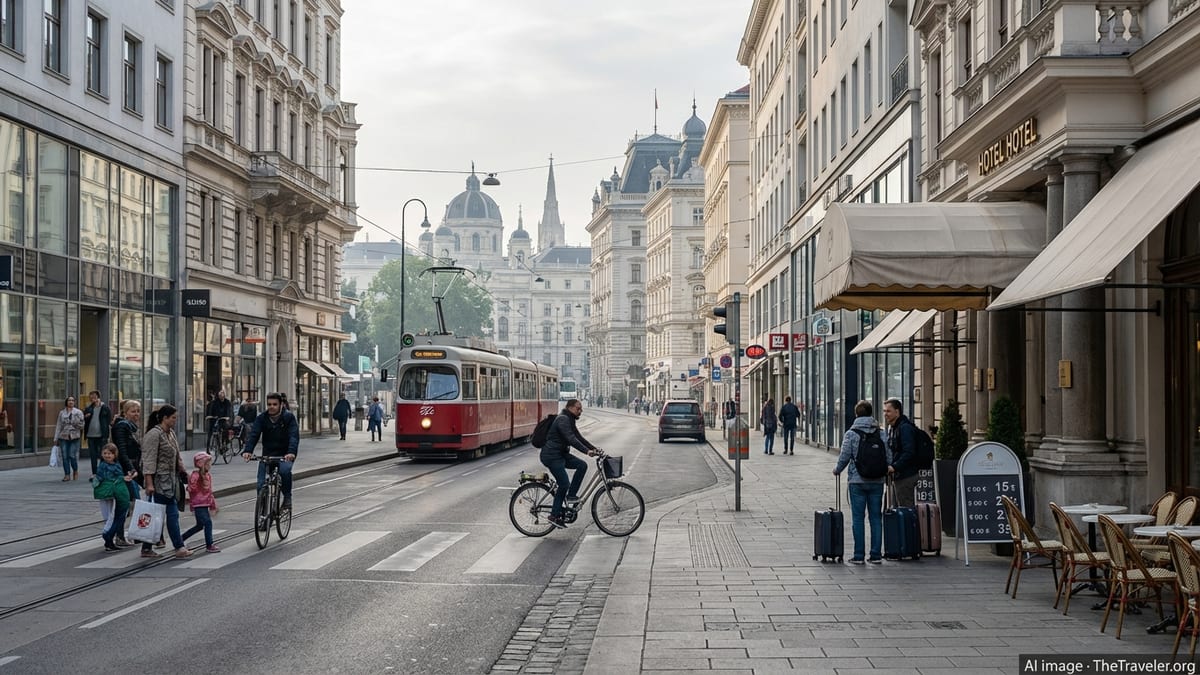
How Expensive Is Austria Compared With Other European Destinations
Austria today sits in the upper-middle range of European travel costs. It is generally cheaper than Switzerland and parts of Scandinavia, broadly comparable with Germany, and more expensive than many destinations in Central and Eastern Europe. Vienna, Salzburg, and popular alpine resorts command the highest prices, especially in peak seasons, while secondary cities and rural areas remain noticeably more affordable.
Travelers arriving in 2026 are encountering a different price landscape from just a few years ago. Inflation has pushed up everything from groceries to museum tickets, and the country has adjusted several flagship transport products to reflect higher operating costs. While Austria still offers excellent value when you factor in safety, cleanliness, and efficiency, it is no longer a budget backdoor into the Alps. Expect prices that feel similar to major cities in Germany or northern Italy, especially for accommodation and dining out.
The good news is that Austria's infrastructure remains robust. Trains, trams, and buses are timely and well integrated, and city centers are walkable. Well-designed transit passes can dramatically reduce your per-day costs if used strategically. Likewise, choosing the right neighborhood and season for your hotel stay often has more impact on your budget than shaving a few euros off individual meals.
Overall, independent travelers who make moderate choices can still enjoy Austria on a balanced budget. Couples aiming for mid-range comfort typically find that a daily spend somewhere in the medium bracket for Western Europe is enough, while backpackers can cut that significantly by accepting dorm beds, supermarket picnics, and regional buses instead of express trains.
Hotel and Accommodation Prices Across Austria
Accommodation will likely be your single largest expense in Austria, and prices vary sharply by city, season, and comfort level. In Vienna, recent hotel surveys for 2026 show a broad average for all hotels ranging from about 120 to 320 euros per night, with basic hostels and budget guesthouses sometimes dipping to around 50 to 140 euros outside the very center. Mid-range three-star properties frequently sit between roughly 140 and 200 euros, while comfortable four-star hotels in central districts often fall somewhere around 220 to 340 euros per night. At the top end, grand five-star and palace-style hotels in Vienna’s historic core start around 300 euros and can climb far higher during peak events.
Salzburg, Innsbruck, and major ski resorts in Tyrol and Vorarlberg show similar patterns, though small city size and limited supply can push rates up sharply on busy weekends. During popular music festivals in Salzburg, or in high ski season in resorts such as Kitzbühel and Sölden, prices for standard rooms can rise markedly compared with shoulder-season stays. Low season, typically November to March excluding Christmas and New Year holidays, often brings rate reductions that can be 30 to 50 percent below peak summer and winter levels in urban hotels, though alpine resorts may still be expensive when snow is reliable.
Travelers on modest budgets will find the best value by looking slightly beyond old town centers, where business hotels and locally run guesthouses may offer modern rooms at significantly lower prices while still being a short tram or bus ride from key sights. Apartments and short-term rentals exist, but in many cities they face restrictions, and prices are not always substantially lower than hotels once cleaning fees are factored in. In rural regions and small towns, family-run inns and farm stays can be surprisingly affordable, particularly if breakfast is included.
When comparing accommodation offers, pay attention to what is included in the nightly rate. In many Austrian cities, a local tourism tax is collected per person per night and may be added on top of the base price. Breakfast is commonly included at traditional pensions and some mid-range hotels, but urban design hotels and international chains increasingly charge extra. Parking can also be a meaningful cost if you are renting a car, particularly in Vienna and Salzburg where central parking is both limited and pricey.
Understanding Food and Drink Costs
Dining in Austria can be tailored to almost any budget, but restaurant meals in central tourist zones of Vienna, Salzburg, and Innsbruck are no longer cheap. Menus in mid-range restaurants in a city like Salzburg typically list hearty Austrian classics such as Wiener Schnitzel, roast pork, goulash, and fish dishes between roughly 12 and just under 20 euros for a main course. Soups and starters often fall in the 4 to 7 euro range, while desserts such as apple strudel or local specialties are frequently priced around 5 to 8 euros. A three-course meal in a mid-range restaurant for one person can easily reach 30 to 45 euros before drinks, especially in prime locations.
Move away from the busiest historic streets and prices drop. In residential districts of Salzburg, for example, many cafés and simple restaurants list schnitzel or fish dishes just above 12 euros, with generous portions and a more local crowd. Similar neighborhood options exist in Vienna’s outer districts, where working lunch menus can be good value. Coffeehouse culture remains central to Austrian life: a classic melange or cappuccino in a traditional café in Vienna or Salzburg often runs in the 4 to 5 euro range, with pastries priced similarly. Sitting for a long time with a single drink is widely accepted, but table service and ambience are reflected in the bill.
Grocery stores and bakeries are the most effective tools for trimming your food budget. A simple breakfast from a supermarket bakery counter, consisting of fresh rolls, yogurt, and fruit, can cost just a few euros. Ready-made sandwiches, salads, and hot deli items at larger supermarkets allow you to assemble a picnic for a fraction of restaurant prices. In alpine regions, mountain huts and slope-side restaurants charge a premium for location, but traditional dishes such as dumpling soups, cheese noodles, and pastries are often hearty enough to share if you are watching costs.
Alcohol adds up quickly. A beer in a casual bar or restaurant commonly falls in the 4 to 6 euro range for a standard draft, while wine by the glass can be similarly priced depending on quality and location. Tap water is safe to drink throughout Austria, and many restaurants will bring a carafe if you ask, though some venues default to bottled mineral water. Service is professional rather than effusive, and tipping is modest: rounding up the bill or adding 5 to 10 percent is standard when paying in cash or by card.
Transportation Costs Within Cities
Austria’s cities are well known for their reliable public transport networks, but visitors arriving in 2026 will notice that some flagship deals have become more expensive. In Vienna, the famed “one euro a day” annual pass has been phased out. From January 2026, the standard annual pass for the city’s buses, trams, and U-Bahn costs in the mid-400 euro range, roughly equivalent to 1.25 euros per day when averaged over a year. For visitors, the more relevant changes are to short-term tickets: a single ride now costs a little over 3 euros if bought from machines, with modest discounts for digital purchases. The classic 48-hour and 72-hour tourist tickets have been discontinued, reshaping how short stays are best planned.
Under the updated fare structure, the 24-hour Vienna ticket is priced around 10 euros on paper, with a lower digital fare, and the weekly ticket for seven consecutive days is about 29 euros in paper form or closer to 25 euros when bought digitally. This means that even for a three-day city break, many tour planners now recommend purchasing a weekly pass, which can work out cheaper and simpler than stacking multiple 24-hour tickets. Children, seniors, and some other groups may receive reductions, but the broad message for visitors is that you should review up-to-date prices before arrival and assume that public transport, while still good value, will no longer feel token-cheap.
Other Austrian cities typically follow a similar pattern of integrated tickets valid across buses, trams, and local trains, though without Vienna’s global profile. Daily or weekly passes in places like Salzburg, Graz, and Innsbruck tend to cost less than in the capital, reflecting smaller networks. In all cities, walking is a major cost saver, with compact historic centers that allow you to cluster sights and cut down on rides. Taxis and ride-hailing services remain expensive by global standards, and using them regularly will quickly inflate your daily budget.
For airport transfers, factor in dedicated express trains and local rail options. Vienna’s premium airport express charges more than the standard local train, which takes only a few minutes longer and costs significantly less. In Salzburg and Innsbruck, local buses link airports to city centers at modest fares. Travelers should watch for any airport surcharges in ticket machines and consider whether paying a bit extra for a direct airport bus or train will save both time and stress compared with navigating multiple connections.
Intercity Trains, Rail Passes, and Long-Distance Travel
Getting between Austrian cities and resort regions is straightforward, and rail remains the backbone of intercity travel. The national operator and its partners run fast Railjet and regional services linking Vienna with Salzburg, Innsbruck, Graz, Linz, and beyond. Ticket prices fluctuate depending on whether you buy discounted advance fares tied to a specific departure or more flexible standard fares. Advance online deals can be relatively affordable if you commit to a specific train and time, while last-minute, fully flexible tickets between major hubs can feel expensive, especially in peak periods or just before departure.
International passes are another option for travelers planning multiple rail days. A dedicated Austria pass within the main European rail-pass systems offers unlimited travel across the country for a fixed number of days within a month. In early 2026, indicative prices for a second-class Austria pass for adults start just under 200 US dollars for three days of travel in a month and rise as you add more days. First-class versions cost more. Whether this is worth it depends on how many long intercity journeys you plan and the flexibility you require. If you are only making one or two point-to-point trips, individual advance tickets purchased directly from train operators may be cheaper.
Austria has also become a key hub for the revival of night trains, marketed as a lower-carbon alternative to flying. However, financial pressures and subsidy changes in neighboring countries have reshaped some routes. From late 2025, for example, sleeper trains linking Paris with Vienna are being withdrawn due to reduced support from the French side, while other connections such as Vienna to Brussels or Amsterdam remain in operation. This evolving landscape means that if you are budgeting around the convenience and potential cost savings of overnight trains, you should double-check current timetables and prices as part of your planning.
Buses complement the rail network on selected routes, particularly to smaller towns and alpine valleys not directly served by fast trains. Long-distance coach operators often advertise lower headline prices than trains, but journey times are longer and comfort can vary. Rental cars provide maximum flexibility in mountainous regions, yet they introduce daily charges, insurance, fuel, and, in cities, parking costs that can quickly add up. For most itineraries that focus on cities and major resort towns, a combination of trains and local buses remains the cost-effective choice.
Budgeting for a Daily Travel Spend in Austria
Given these cost factors, what should you realistically budget per day in Austria in 2026? The answer varies with your travel style and the time of year, but some broad ranges can help. Backpackers willing to stay in hostel dorms, cook or picnic more often than they dine out, and rely heavily on public transport passes instead of taxis can often manage on a relatively low daily allowance, especially if they split costs with companions. Their biggest savings come from sharing accommodation and making use of supermarket food rather than restaurant meals.
Mid-range travelers, including many couples and small families, typically prioritize private rooms in three-star or four-star hotels, sit-down meals at least once a day, and a comfortable mix of cultural sights and occasional splurges. For this group, accommodation can easily represent half of the daily budget, especially in Vienna and Salzburg. Transportation, while efficient, is a smaller but still noticeable component, particularly if you string together several intercity train rides or purchase passes. Costs can rise quickly in alpine ski resorts, where lift passes, equipment rentals, and mountain dining add several layers to basic expenses.
Luxury travelers will find ample opportunities to spend more, from palace-style hotels and tasting menus to private transfers and guided excursions. In their case, total daily budgets can rival or exceed those in Switzerland, depending on choices. But even high-end travelers can benefit from understanding standard price ranges, as this helps differentiate between justified premiums and simple tourist markups. Knowing that a typical glass of wine or standard taxi ride falls within a certain range allows you to spot when you are being quoted an unusually high rate.
Regardless of your category, it is wise to build a small buffer into your daily budget. Inflation, currency movements between the euro and your home currency, and potential new surcharges for cultural institutions or local tourism initiatives can all nudge costs upward between the time you plan and the time you travel. Austria’s policy environment in recent years, seen in transport fare adjustments and culture-budget cuts in Vienna, underlines that public prices are not static. Staying flexible and allowing some margin in your planning will make these changes easier to absorb.
Money-Saving Strategies Without Sacrificing Too Much Comfort
Even with rising prices, there are many ways to keep your Austria trip affordable without significantly reducing comfort. One of the most powerful tools is seasonality. If your schedule is flexible, traveling in shoulder seasons such as late spring or early autumn can yield lower hotel rates and fewer crowds while still offering pleasant weather. Avoiding major festivals, holiday markets, and school vacation periods in your destination cities usually means better deals on both accommodation and transport. Rural stays just outside major resort towns can also be gentler on the wallet, particularly for self-drivers comfortable with short daily commutes.
Within cities, consider the trade-off between staying in the heart of the old town and booking in a well-connected outer neighborhood. A short daily tram or U-Bahn ride, using a weekly or 24-hour ticket, can cost far less than the premium for a hotel on a postcard-perfect square. Reading current information about ticket reforms, such as Vienna’s shift away from 48- and 72-hour passes in favor of different day-based options, helps you choose the most economical product for your stay length. For groups and families, calculate whether buying individual passes or family tickets is cheaper than pay-as-you-go single rides.
Food is another area where planning pays off. Many Austrian restaurants offer lunchtime specials or fixed-price menus that are better value than dinner. You might splurge on a memorable dinner every few days while relying on soups, bakery lunches, and supermarket salads the rest of the time. Taking advantage of hotel breakfasts, when included, can reduce your need for a separate midday meal. Water fountains and safe tap water make it easy to refill reusable bottles instead of buying drinks throughout the day.
Finally, be selective with paid attractions. Austria’s museums, palaces, and concert halls are outstanding but can be expensive, especially if each ticket is bought separately. City tourist cards and museum passes can offer good value if you plan to see several major sights in a short span, but they are not always automatically cheaper. Sketch out your must-see list, check individual admission prices, and compare the total with the cost of any pass you are considering. Sometimes simply choosing two or three highlights and supplementing them with free activities such as city parks, churches, and markets will give you a rich, lower-cost experience.
The Takeaway
Austria in 2026 is a polished, dependable, and highly rewarding destination, but travelers should no longer expect bargain-level prices, especially in flagship cities and alpine resorts. Hotels reflect strong demand, restaurant menus incorporate several years of inflation, and transport networks have updated fares and ticket products to maintain service quality. Against this backdrop, careful budgeting and informed choices make a significant difference to how far your money goes.
By understanding typical price ranges for accommodation, meals, local transit, and intercity travel, you can match your itinerary to your financial comfort zone rather than being surprised on the ground. Thoughtful decisions about neighborhoods, seasons, and transport passes will trim your costs without eroding the essence of what makes Austria special: walkable baroque streets, mountain panoramas, lakeside villages, and a cultural life that runs from grand opera to cozy coffeehouses.
With realistic expectations and a bit of planning, Austria need not feel out of reach. Whether you are sipping coffee in Vienna, listening to Mozart in Salzburg, or hiking in the Tyrolean Alps, you can structure your trip to fit a range of budgets while still enjoying the country’s distinctive mix of comfort, efficiency, and old-world charm.
FAQ
Q1. Is Austria still affordable for budget travelers in 2026?
Austria is no longer a rock-bottom budget destination, but careful choices make it manageable. Hostel beds, supermarket food, and regional public transport keep costs down, especially outside peak seasons and the most famous resorts.
Q2. How much should I budget per day for a mid-range trip to Austria?
Many mid-range travelers find that a daily budget in the moderate range for Western Europe is sufficient, with roughly half going to accommodation and the rest divided between food, local transport, and attractions, depending on city and season.
Q3. Have public transport prices increased recently in Vienna?
Yes. Vienna has raised its long-frozen public transport prices, ending the one-euro-a-day annual pass. Single tickets and day passes are also more expensive now, and some former 48- and 72-hour tourist tickets have been phased out.
Q4. Are rail passes worth it for traveling around Austria?
Rail passes can be good value if you plan several long train journeys within a short period and want flexibility. If you only take one or two intercity trips and can book specific trains in advance, point-to-point tickets often cost less.
Q5. How much does a typical restaurant meal cost in Austria?
In mid-range restaurants in popular cities, main courses commonly fall in the low to high teens in euros, and a full three-course meal can easily reach the 30 to 45 euro range per person before drinks.
Q6. When is the cheapest time to visit Austria?
Late autumn and parts of winter, excluding Christmas, New Year, and major ski periods, usually bring lower hotel rates, especially in cities. Shoulder seasons in spring and early autumn can also offer better value than peak summer.
Q7. Is it cheaper to stay outside city centers?
Often yes. Hotels and guesthouses outside the historic core, but close to public transport, tend to charge less for similar comfort. A short daily tram or U-Bahn ride can cost much less than the premium for a central address.
Q8. Are groceries and self-catering a good way to save money?
Absolutely. Supermarkets and bakeries offer fresh bread, snacks, and ready-made meals at a fraction of restaurant prices. Many travelers combine occasional sit-down meals with picnics or simple self-catered dishes to balance their budget.
Q9. How much should I tip in Austrian restaurants and cafés?
Tipping is appreciated but modest. Rounding up the bill or adding around 5 to 10 percent is typical when you are satisfied with the service. There is no expectation of large tips similar to those in North America.
Q10. Do I need to book hotels and trains far in advance to get good prices?
Advance booking helps, particularly in peak seasons and during major events. Hotels and discounted train fares tend to be cheaper and more available weeks or months ahead, while last-minute options in popular areas can be limited and expensive.