

Austria rewards first-time visitors with grand imperial cities, storybook alpine villages and a transport network that makes it easy to see both. This guide brings together practical information and on-the-ground context so you can plan a smooth, memorable first trip, whether you are drawn by Vienna’s coffeehouses, Salzburg’s baroque skyline or the high trails of the Tyrolean Alps.
Understanding Austria at a Glance
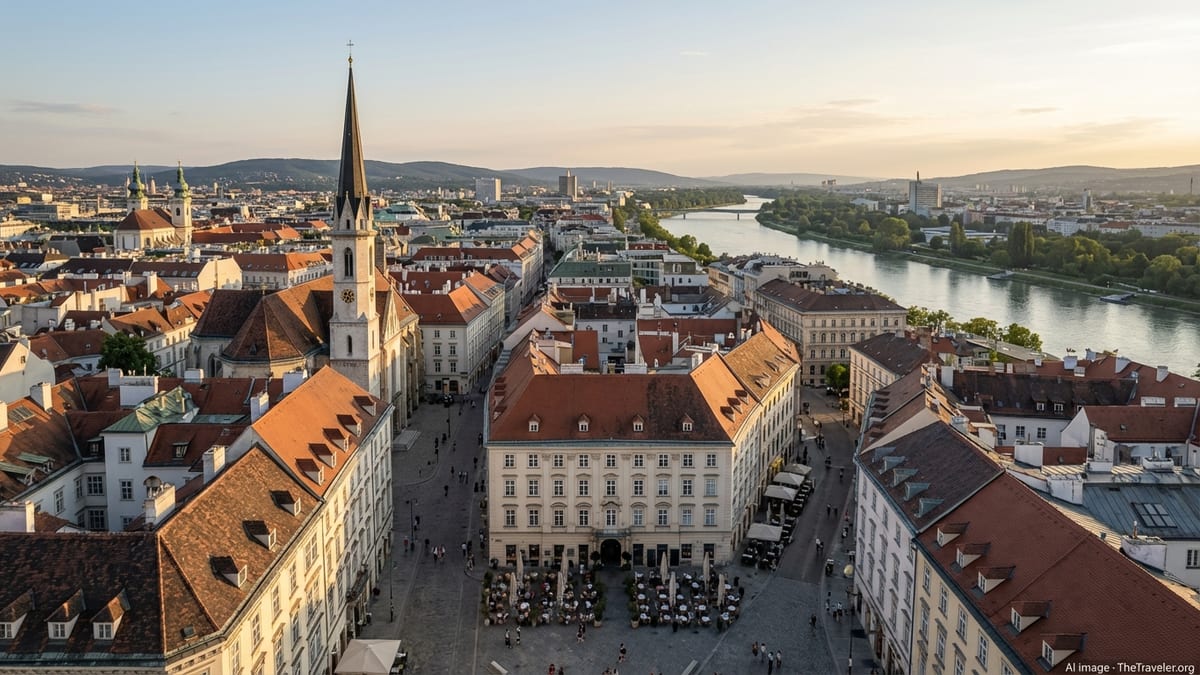
Austria is a compact, landlocked country in Central Europe bordered by Germany, Czechia, Slovakia, Hungary, Slovenia, Italy, Switzerland and Liechtenstein. It combines a powerful cultural legacy, shaped by the former Habsburg Empire, with easy access to alpine landscapes, lakes and vineyards. For a first visit, most travelers focus on Vienna and Salzburg, often adding a taste of the Alps or lakes within a week to ten days.
German is the official language, though English is widely spoken in cities, major tourist areas and on public transport. You will hear regional dialects in alpine valleys and small towns, but hotel staff, restaurant servers and ticket clerks usually switch to clear High German or English when needed. Learning a few basic phrases such as “Grüß Gott” as a greeting or “Danke” for thank you is appreciated and can make everyday encounters noticeably warmer.
Austria is part of the European Union and uses the euro as its currency. Card payments are common and contactless payment is widely accepted, but keeping some cash is still useful for small bakeries, rural guesthouses and mountain huts. Prices vary between regions: Vienna and popular alpine resorts cost more than provincial towns, yet Austria often feels slightly better value than some neighboring countries with similar standards.
For first-time visitors, the country’s reputation for orderliness is not a stereotype. Trains run to published timetables, queues are respected and rules for everything from quiet hours in residential buildings to separating recycling are taken seriously. This predictability can be a comfort for those new to Europe and makes independent travel straightforward.
When to Go and What to Expect in Each Season
Austria is a true year-round destination. The best time for a first visit depends on your priorities, but many travelers prefer the shoulder seasons of April to early June and September to October, when major cities enjoy mild weather and thinner crowds. Travel and leisure publications and the Austrian tourist office highlight these spring and autumn windows as ideal for urban sightseeing combined with day trips to the countryside.
Spring, roughly March to May, brings blooming parks in Vienna and Salzburg and gradually warmer temperatures, although alpine areas can stay snowy well into May at higher elevations. This is an excellent time for museum visits, classical concerts and lower-altitude hikes, with a chance of occasional rain. Mountain roads, ice caves or high passes may open only from late May depending on snow conditions, so it is worth checking local information for specific attractions.
Summer from June to August is high season, particularly in July and August. Lakes such as Wolfgangsee, Wörthersee and the Salzkammergut region become popular swimming and boating spots, and alpine meadows are at their greenest. Expect longer daylight, outdoor festivals and a lively café and beer garden scene. At the same time, Vienna and Salzburg can feel hot and crowded, and accommodation prices peak, so advance booking is essential for centrally located hotels and well-known resorts.
Autumn, from September into October, offers crisp air, colorful vineyards in regions like Wachau and quieter hiking trails. This period suits travelers who want a mixture of culture and moderate outdoor activity. Winter, roughly late November to March, transforms much of the country into a landscape of snow sports and Christmas markets. The weeks of Advent in December are especially atmospheric in Vienna, Salzburg and Innsbruck, while ski resorts in Tyrol, Salzburg province, Carinthia and Vorarlberg typically operate from mid-December through March, with glacier areas extending the season.
Key Destinations for First-Time Visitors
Vienna is the natural starting point for many itineraries thanks to its busy international airport and rail links. The city combines imperial architecture, from Schönbrunn Palace to the Hofburg complex, with a deep musical heritage associated with composers such as Mozart, Beethoven and Strauss. For a first visit, plan at least three full days to take in the historic Innere Stadt, the Ringstrasse museums, a traditional coffeehouse and perhaps an evening at the opera or a classical concert.
Salzburg, about two and a half hours from Vienna by frequent rail services, is smaller and more compact, set against a backdrop of fortress-topped cliffs and alpine foothills. Its baroque Old Town, birthplace of Mozart and filming location for The Sound of Music, can feel crowded in peak summer, but early mornings and evenings often reveal a more relaxed side. Two full days allow enough time to explore the fortress, cathedral, Getreidegasse and a nearby viewpoint such as the Untersberg or a lake in the Salzkammergut.
Many first-time visitors want at least a short taste of the Alps. Innsbruck, framed by steep mountain walls, works well for those who like cities but want immediate access to lifts and trails. From the compact Old Town you can ride a funicular and cable car system up to high viewpoints in under an hour. Alternatively, resort towns like Kitzbühel, Zell am See and St. Anton appeal to skiers in winter and hikers or cyclists in summer, though smaller villages can feel very quiet in the low seasons between winter and summer operations.
For lakes and postcard villages, the Salzkammergut region east of Salzburg is a classic choice. The village of Hallstatt in particular has become famous worldwide, attracting heavy day-trip crowds in peak months. To enjoy the beauty of the region with a bit more breathing room, consider basing yourself in less publicized nearby towns around lakes such as Wolfgangsee or Attersee and visiting Hallstatt early in the day or later in the afternoon.
Getting Around: Transport and Practical Logistics
One of Austria’s advantages for first-time visitors is its integrated public transport system. Trains connect major cities and many regional centers with reliable, frequent services. Austrian Federal Railways and private operators run modern intercity and regional trains, and most stations in larger towns have clear bilingual signage. Booking ahead can secure discounted fares on long-distance routes, while regional tickets or day passes may be more convenient for flexible travel within one area.
In Vienna, the U-Bahn metro, trams and buses run under a unified ticketing system managed by the city’s transport authority. Services typically start early in the morning and run until around 1 a.m., with continuous night service on weekends and nights before public holidays on core lines. Similar integrated systems exist in cities such as Salzburg, Graz and Linz, though networks are smaller. In many rural areas, buses supplement the rail network, and timetables are often coordinated to allow same-platform or short transfers.
For visitors planning extensive travel across the country by public transport, Austria has introduced a KlimaTicket, a nationwide pass valid on most trains, buses and local transit run by participating companies. The annual version is designed for residents, but its existence reflects how thoroughly interconnected the transport network has become. For shorter trips, look into regional rail passes or partner offers between railways and local tourism boards, which sometimes include cable cars or museum entries.
Driving is an option if you want to explore remote valleys or smaller lakes on your own schedule, but it comes with responsibilities. Highways require a digital or sticker vignette, winter tires are mandatory in defined winter periods, and parking in city centers is regulated by zones and meters. Many travelers choose a hybrid approach, using trains between cities and perhaps renting a car for a few days in an alpine region where public transport is less frequent. In urban areas, walking and public transport are generally easier than driving.
Money, Costs and Accommodation
Austria uses the euro, and prices for visitors are generally in line with neighboring Germany or northern Italy. Food, transport and attraction tickets can feel expensive compared with some parts of Central and Eastern Europe, but the overall standard of infrastructure, cleanliness and safety is high. Daily budgets vary widely, but first-time visitors can expect mid-range city hotels to be significantly cheaper outside prime summer and Christmas periods.
ATMs are common, and major credit cards are accepted at hotels, larger restaurants and chain stores. Smaller cafés, family guesthouses and rural establishments may prefer debit cards or cash, so carrying a modest amount of euros is wise. Tipping is customary but restrained: rounding up the bill or adding roughly five to ten percent in restaurants and cafés is common. In bars and taxis, rounding to a convenient figure is usual.
Accommodation ranges from grand city hotels and design properties to traditional alpine guesthouses and farm stays. For a first trip, staying within or near the historic centers of Vienna and Salzburg saves time and allows you to experience evenings on foot. In alpine regions, locations close to a lift station, lake shore or trailhead can be worth a small premium. Many mountain towns offer guest cards when you stay several nights, granting discounted or free use of local lifts and buses, especially in summer.
Booking patterns are strongly seasonal. July, August, the Christmas to New Year period and school ski holidays in February are the busiest and most expensive times, when it pays to reserve early. Shoulder seasons often bring promotional rates and packages. Breakfast is frequently included in room rates and can be generous, with breads, cheeses, cold cuts, eggs and fruit, making it easier to keep lunch simple and manage daily costs.
Cultural Etiquette, Food and Local Experiences
Austrians place a high value on courtesy, punctuality and privacy. Simple greetings such as “Guten Morgen” when entering a small shop, or a quiet “Grüß Gott” on hiking trails in rural areas, help set a friendly tone. In restaurants, it is normal to be shown to a table rather than seating yourself in the more formal sections, and waiting staff usually expect you to request the bill when you are ready to leave rather than bringing it proactively.
Dress codes are generally relaxed, though city residents tend to be neat and understated. Smart-casual attire is appropriate for most restaurants and cultural venues, while more formal clothing is welcome at opera houses and high-profile concert halls. In churches and monasteries, shoulders and knees should be covered as a sign of respect, and hushed voices are appreciated even when tourists are numerous.
Food is a highlight of many first visits. Classic dishes include Wiener Schnitzel, a breaded and fried veal or pork cutlet, Tafelspitz boiled beef served with horseradish, and hearty alpine fare such as Käsespätzle, a type of cheese noodle. Desserts and cakes are equally important, with Sachertorte, Apfelstrudel and creamy pastries filling the windows of traditional coffeehouses. Portions can be generous, so sharing dishes or ordering a main course and dessert between two people is socially acceptable.
Local experiences extend beyond what appears in guidebooks. In Vienna, lingering over coffee and newspapers in a historic café, attending a small chamber music performance or exploring less-trafficked districts along the Danube Canal can be as rewarding as visiting headline monuments. In alpine areas, joining an easy guided hike, visiting a local dairy or mountain hut, or attending a village festival will often give a deeper sense of place than a quick photo stop at a viewpoint.
Safety, Health and Responsible Travel
Austria is widely regarded as a safe country for travelers, with relatively low levels of violent crime. Petty theft such as pickpocketing can occur in crowded transport hubs and popular tourist sites, particularly in Vienna’s main train stations and on busy intercity routes, so the usual precautions apply. Keep valuables close, avoid leaving bags unattended, and be cautious of distractions or unsolicited help around ticket machines and ATMs.
Health care standards are high, and large cities have modern hospitals and clinics. For visitors from abroad, comprehensive travel insurance that covers medical care and emergency evacuation is strongly recommended. Pharmacies are well stocked, and staff often speak at least basic English. Tap water is generally safe to drink, often sourced from protected alpine regions, which can help reduce plastic waste from bottled water.
Austria’s landscapes are a major draw, and responsible travel is increasingly emphasized. Marked hiking trails are usually well maintained, and visitors are expected to stay on signed paths, close gates behind them and respect grazing livestock. Weather in the mountains can change quickly even in summer, so checking local forecasts, carrying appropriate clothing and not overestimating your fitness or experience are part of traveling safely.
Environmental awareness also extends to transport. The country’s investment in rail and integrated public transit, as well as products like the KlimaTicket for residents, reflects a policy focus on reducing car dependency. As a visitor, choosing trains and buses where practical, refilling a reusable bottle from public fountains, and supporting accommodation providers that demonstrate sustainable practices are simple ways to align your trip with local priorities.
The Takeaway
For a first-time visitor, Austria offers an accessible blend of culture, scenery and comfort. Distances are short, public transport is efficient, and language barriers are relatively low, all of which help turn travel days into part of the pleasure rather than an obstacle. Cities such as Vienna and Salzburg deliver a rich mix of architecture, music and café culture, while the Alps and lake regions add another dimension of outdoor possibility.
Thoughtful timing, realistic pacing and a willingness to engage with local customs can transform a good trip into a great one. Planning for shoulder seasons, allowing at least a few days in each major stop and leaving space for unplanned discoveries will help you see beyond the postcard views. With a bit of preparation, Austria’s blend of imperial history, everyday rituals and mountain landscapes can make a first visit feel both manageable and deeply memorable.
FAQ
Q1. Do I need a visa to visit Austria?
Visa requirements depend on your nationality and length of stay. Many travelers from North America, parts of Asia and other European Union countries can enter visa-free for short tourism visits, but you should always confirm current rules with an official source before booking.
Q2. What is the best time of year for a first trip to Austria?
For a mix of cities and light outdoor activities, April to early June and September to October usually offer comfortable temperatures, fewer crowds and good transport schedules, making them excellent times for a first visit.
Q3. Is Austria expensive compared with other European countries?
Austria sits in the mid to upper range for costs in Europe. It is generally comparable to Germany and slightly cheaper than some parts of Switzerland, with prices varying by city, season and travel style.
Q4. How many days should I plan for a first-time itinerary?
A week is usually enough for Vienna and Salzburg with a short day trip, while 10 to 12 days allow time to add an alpine region or lake area at a relaxed pace.
Q5. Is it better to travel by train or rent a car?
For most first-time visitors, trains and public transport are the easiest choice between major destinations because they are frequent, comfortable and centrally located. Renting a car can be useful in remote valleys or for flexible touring once you reach a region.
Q6. Can I drink tap water in Austria?
Yes, tap water is generally safe to drink across Austria and is often of very high quality, especially in regions supplied by protected alpine sources.
Q7. Do people in Austria speak English?
English is widely understood in cities, tourist areas and on public transport. In smaller towns and rural areas some people may speak less English, but basic communication is still usually possible.
Q8. What should I pack for a trip that includes both cities and mountains?
Pack comfortable walking shoes, layers for changing temperatures, a light waterproof jacket, and slightly smarter clothing for evenings in cities. In mountain areas, sturdy footwear and a warm layer are useful even in summer.
Q9. Are credit cards widely accepted?
Major credit and debit cards are accepted in most hotels, larger restaurants and shops. Smaller establishments may prefer cash or local debit cards, so carrying some euros is helpful.
Q10. Is Austria safe for solo travelers?
Austria is considered one of the safer countries in Europe for solo travelers, including solo women, provided you take normal precautions such as staying aware of your surroundings and securing valuables in busy areas.