

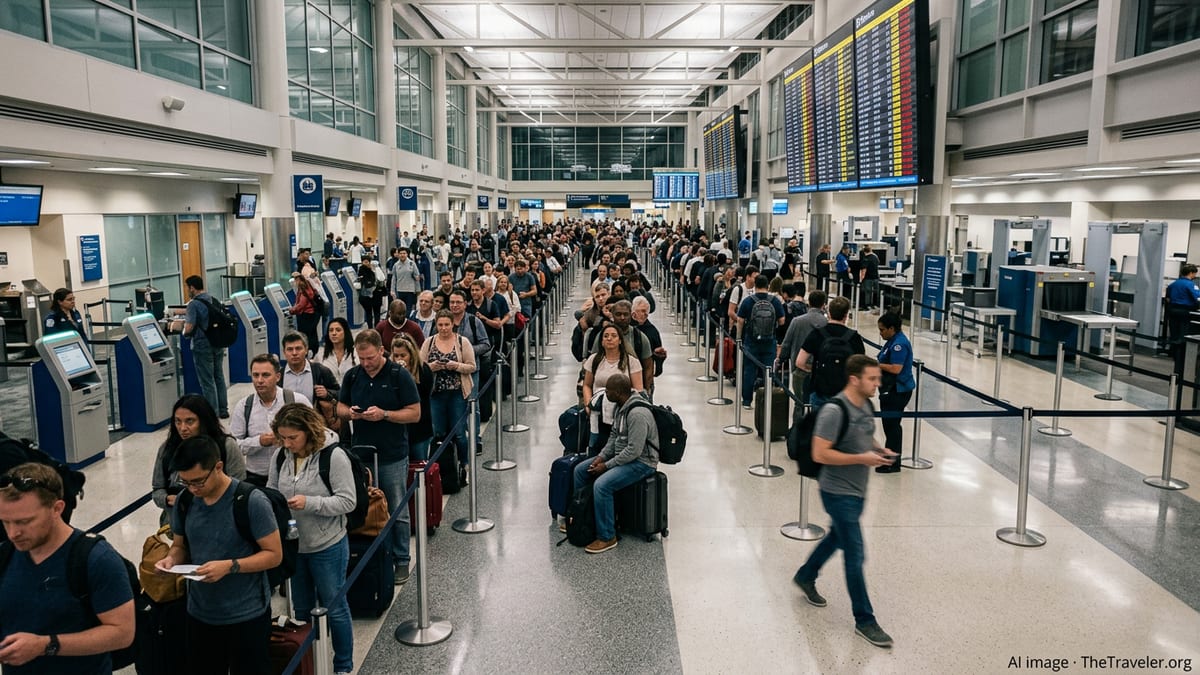
DFW-bound flights delayed again after FAA issues ground stop
Arrivals into Dallas-Fort Worth faced renewed disruptions as the FAA issued a ground stop and delay program, extending ripple effects across U.S. airline networks and connections.

Jolyon Zivkov is a journalist covering travel, culture, and global trends. His writing focuses on the evolving character of cities, societies, and destinations worldwide.
Arrivals into Dallas-Fort Worth faced renewed disruptions as the FAA issued a ground stop and delay program, extending ripple effects across U.S. airline networks and connections.
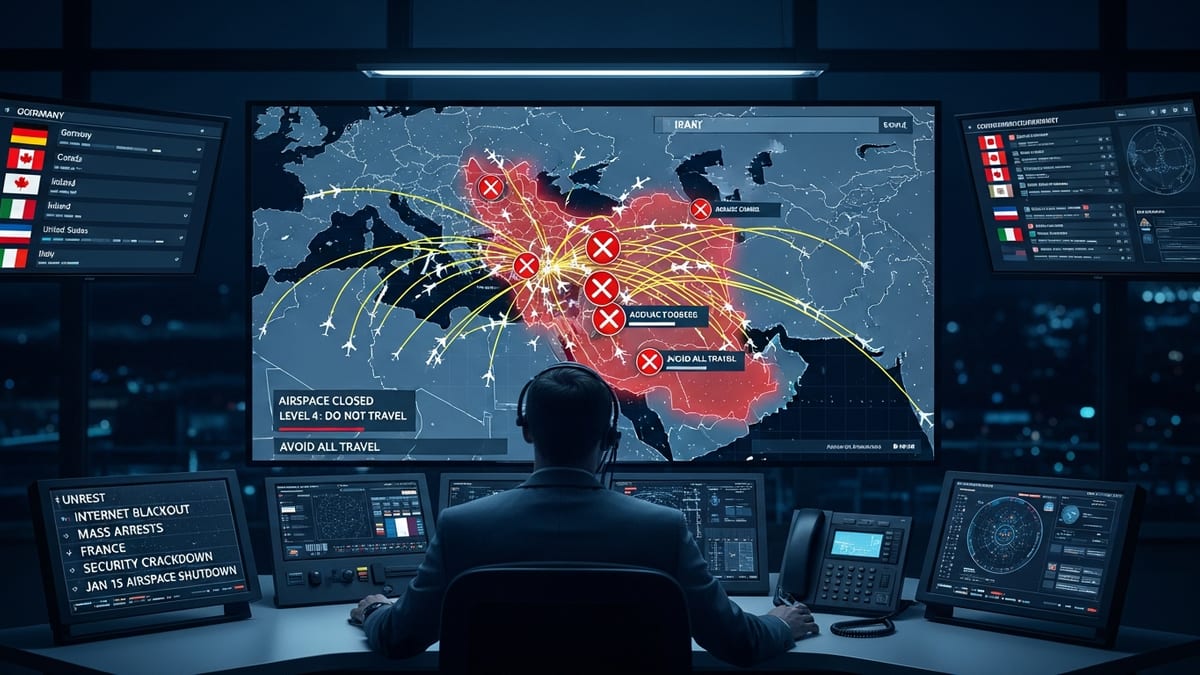
Reports show ongoing Boston Logan delays tied to FAA traffic management programs, runway and taxiway construction, and ripple effects from Northeast air traffic control disruptions.
A severed backup fiber line and a related equipment failure at a Philadelphia air traffic facility rippled through Newark, JFK, LaGuardia and PHL with cancellations and long delays.
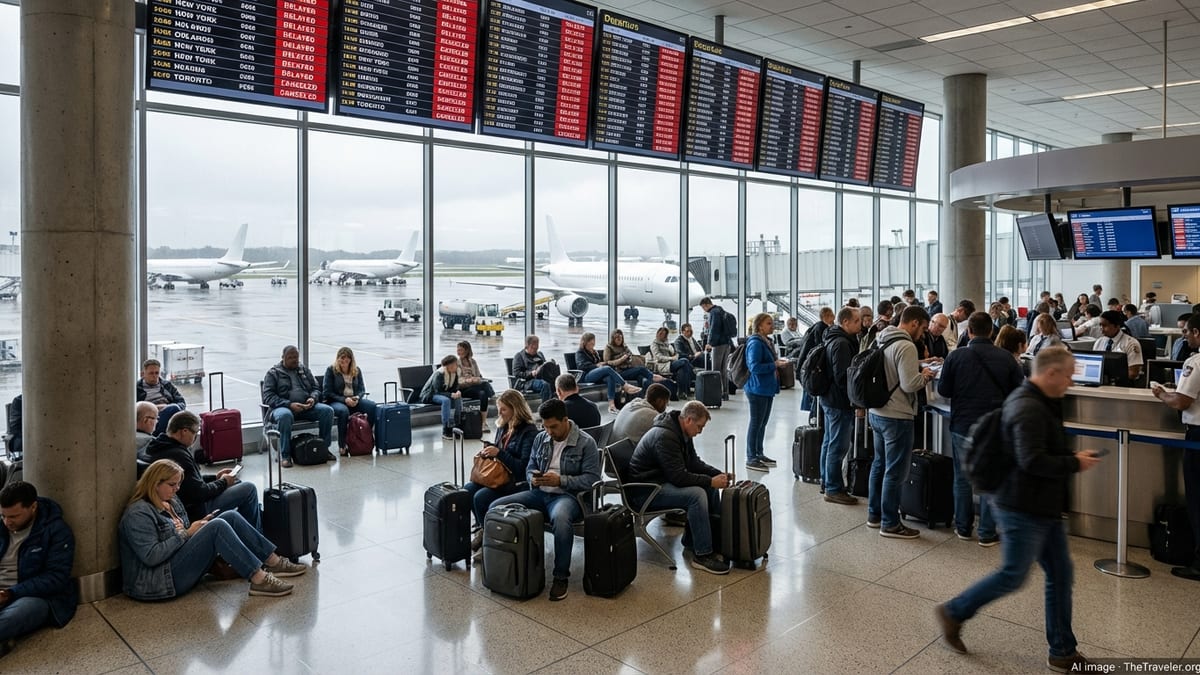
FAA traffic-management measures, including a ground stop and delay program, again slowed flights headed to Dallas-Fort Worth, with thunderstorms driving long gate-hold delays across the region.
A communications failure at an FAA Philadelphia facility disrupted Northeast airspace, triggering ground stops and spillover delays nationwide, including more than 400 delayed flights at SFO.
An air traffic control communications failure prompted ground stops across the Northeast, snarling schedules at Newark, Philadelphia, JFK and LaGuardia as airlines worked through lingering delays.
Flights at Philadelphia International Airport resumed after a telecom-related equipment outage triggered an FAA ground stop, leading to widespread delays and cancellations across the Northeast corridor.
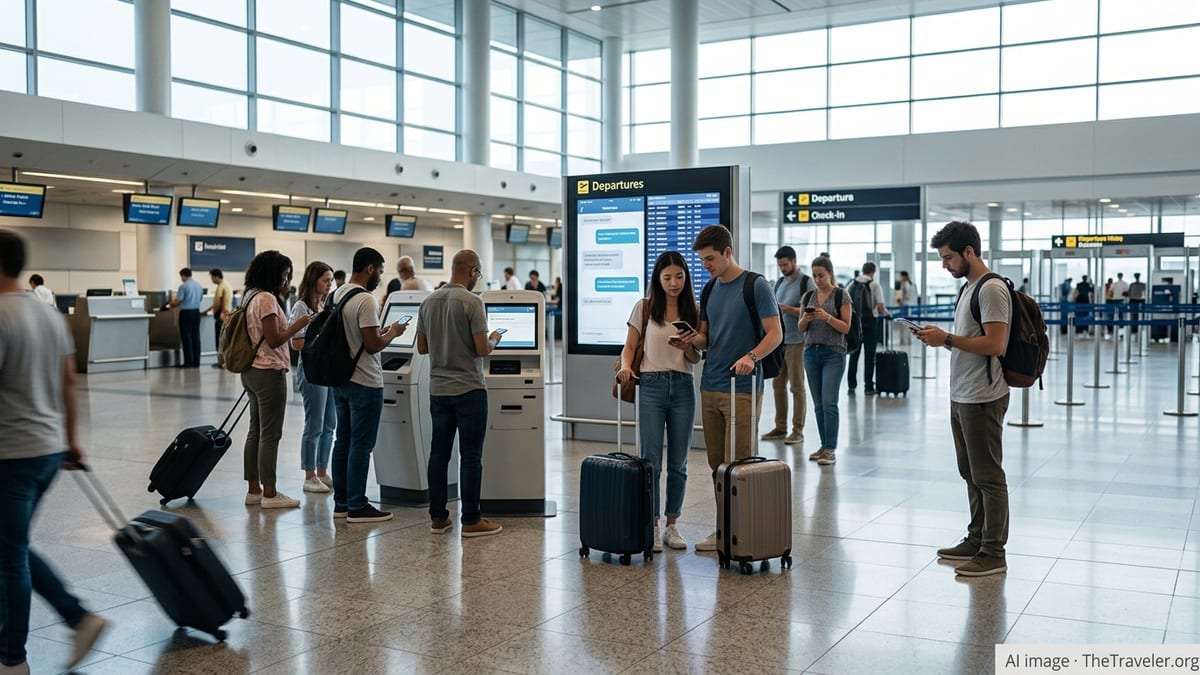
A new FAA decision-support system is being tested at Reagan National, Dulles, and BWI, aiming to spot traffic conflicts earlier and speed recovery from weather disruptions.
A cut Verizon fiber line and a separate circuit failure disrupted FAA communications, prompting ground stops and hundreds of cancellations across Newark, New York-area airports, and Philadelphia.
A cut backup fiber line and a separate communications failure snarled air traffic around New York and Philadelphia, prompting ground stops, cancellations, and delays that rippled nationwide.
A telecommunications failure and a severed backup fiber line triggered ground stops and widespread delays across the Northeast corridor, snarling schedules at major hubs from Newark to Boston.
The FAA has begun initial use of an AI-supported system designed to spot schedule and weather conflicts earlier, aiming to reduce ripple-effect delays across busy U.S. airspace.
Fresh outages and staffing strains in the UK and US are renewing questions about resilience, leadership and accountability as airlines and passengers absorb the costs of delays.
The FAA has begun rolling out a new AI-supported system designed to spot airspace bottlenecks earlier, improve rerouting decisions, and reduce delays across the national network.
An air traffic control communications failure in the Northeast triggered ground stops and ripple effects nationwide, leaving San Francisco International Airport with more than 400 delayed flights.