


Flight Disruptions Now Carry $34 Billion Annual Price Tag
New analysis shows global flight disruptions costing around $34 billion a year in 2026, straining airline finances, airports, and passenger protection systems.

William writes about travel from the ground up. His work focuses on remote routes, working ports, border crossings, ferry lines, and the landscapes that shape how people move across regions.
New analysis shows global flight disruptions costing around $34 billion a year in 2026, straining airline finances, airports, and passenger protection systems.
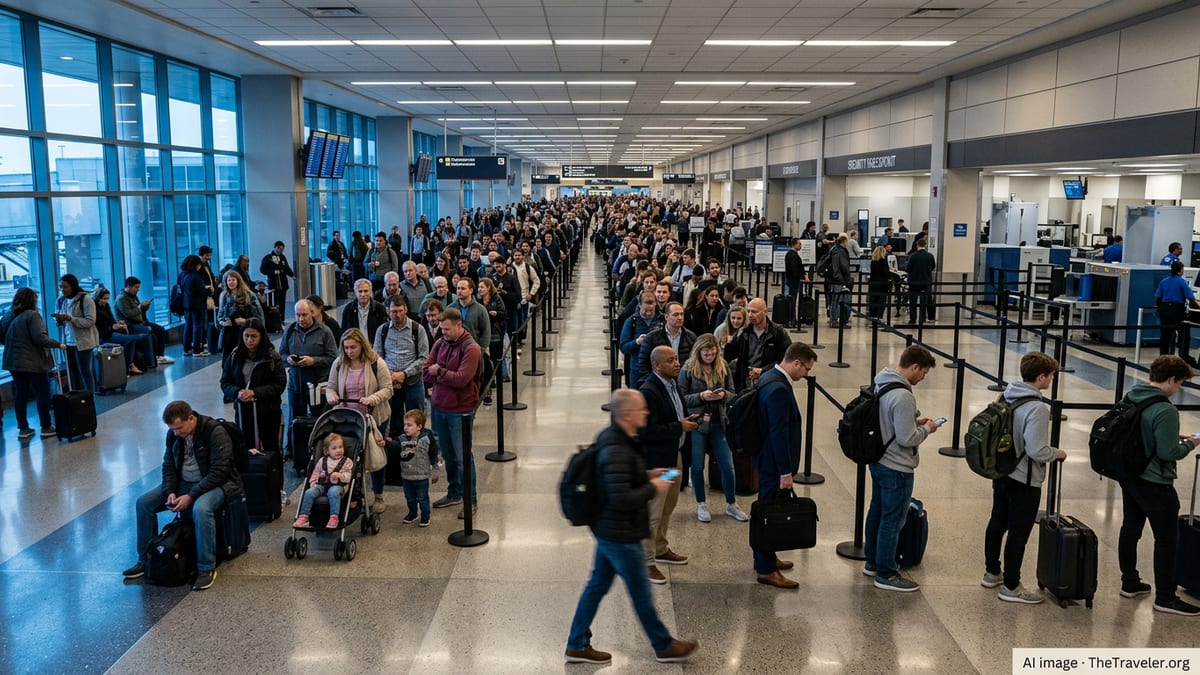
A new strike ballot among special assistance staff at London Stansted this April is raising concerns about fresh flight delays at one of the UK’s busiest airports.
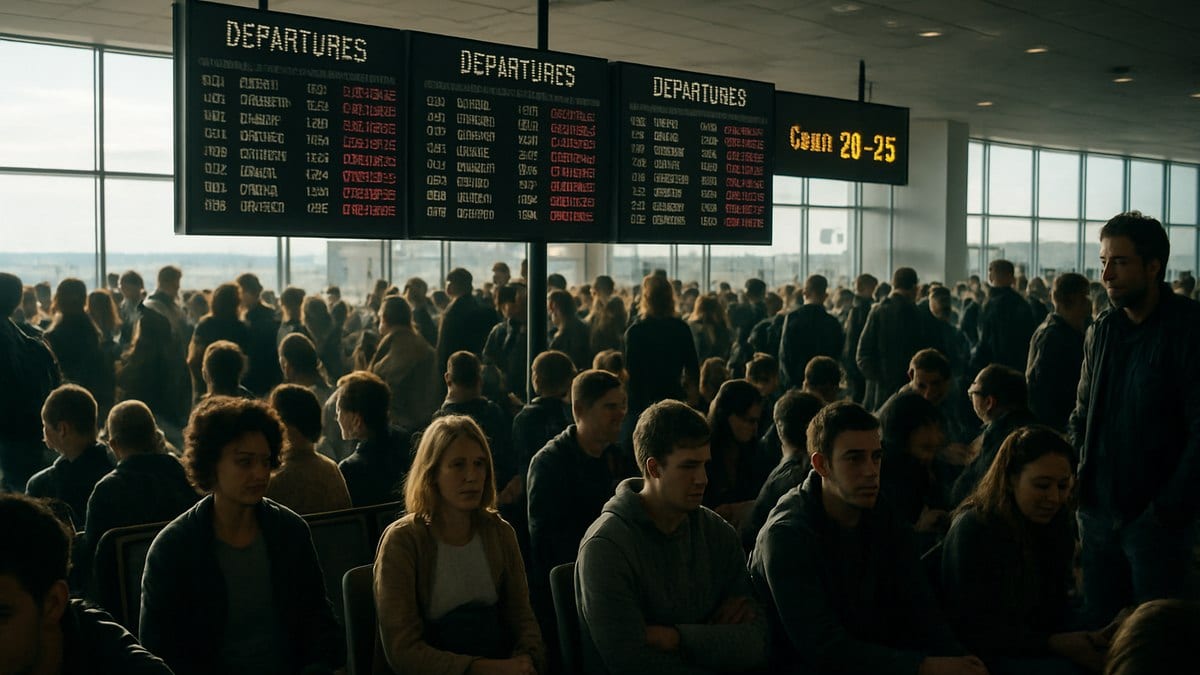
Conflicts, airspace closures and airline schedule cuts are disrupting hundreds of flights across Asia and Gulf hubs in April 2026, straining global travel plans.
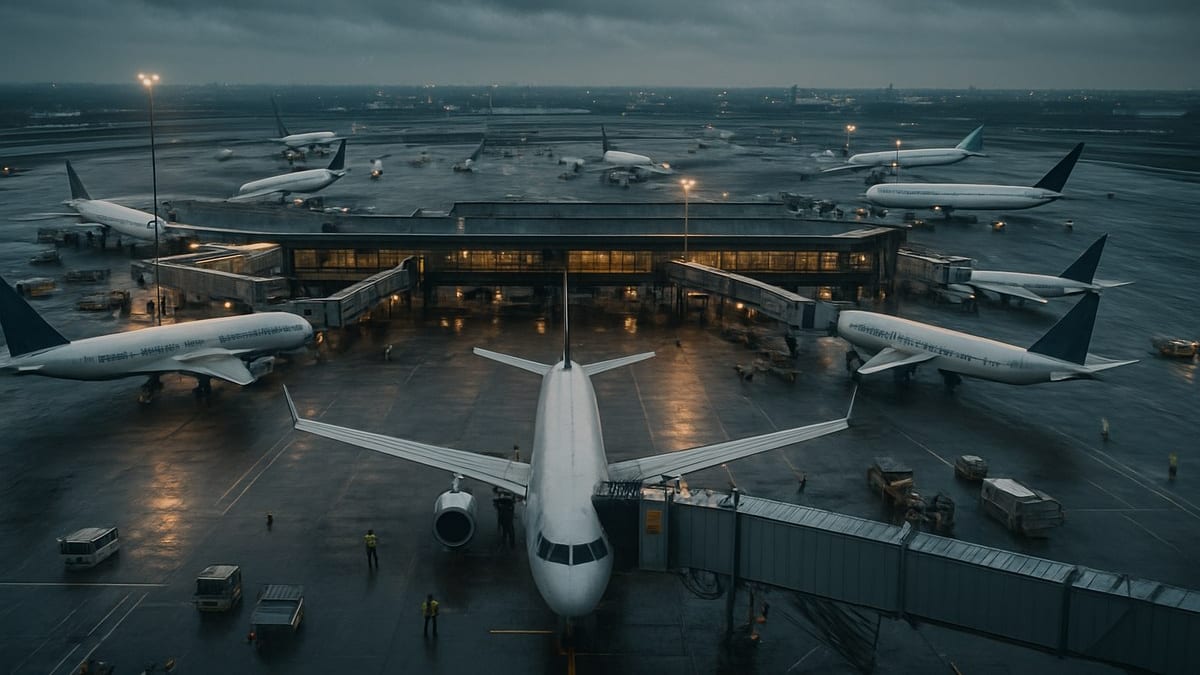
A cascade of delays and cancellations across regions in early 2026 reveals how staffing gaps, tight capacity and geopolitical shocks are straining aviation systems.

A four‑hour air traffic control walkout in Italy on April 10 has triggered widespread flight cancellations, delays and knock‑on disruption across European routes.
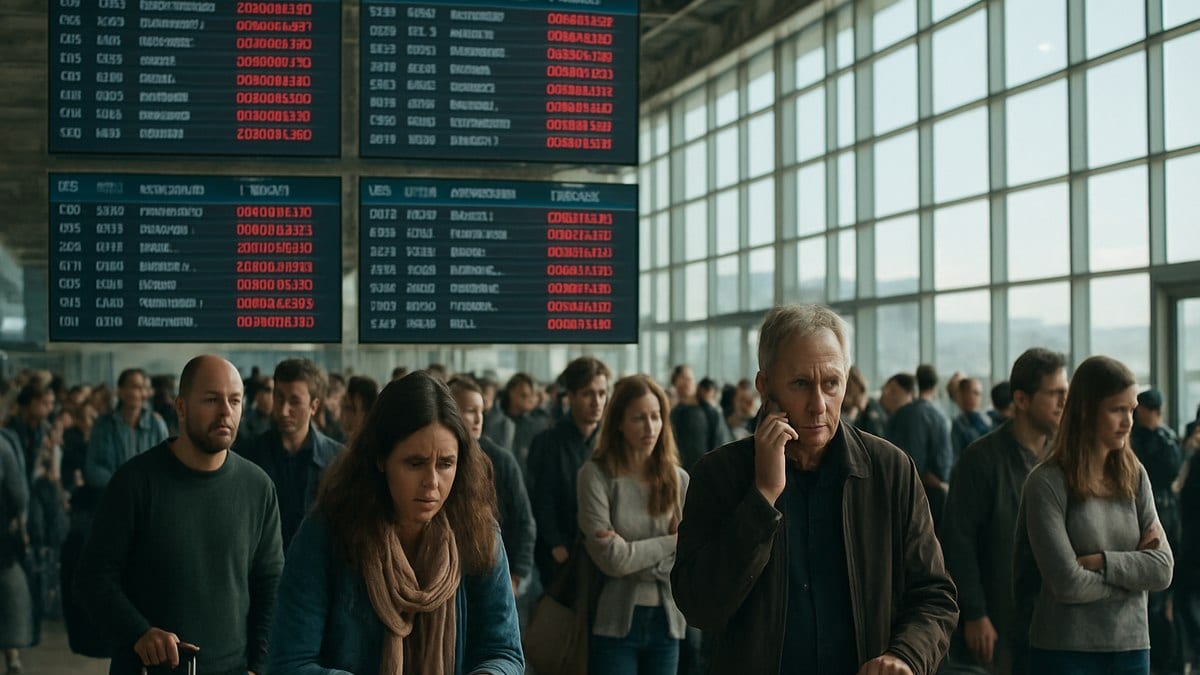
A wave of severe disruptions in early 2026 is exposing how weather, wars, staffing shortages and aging fleets have fused into a costly systemic aviation crisis.
Mounting delays, cancellations and infrastructure strain in 2026 are exposing a $34 billion vulnerability in the global aviation system, from staffing to aging tech.
A convergence of storms, airspace bottlenecks and staffing issues has triggered widespread flight disruptions across Europe in April 2026, stranding hundreds of travelers.
Extended airspace shutdowns linked to the Iran–Israel war are forcing Middle East hubs to cut schedules, reroute traffic and absorb soaring operational costs.
Weeks of airspace closures and rerouted corridors are straining major Middle East hubs in 2026, with passengers and airlines facing longer journeys and fragile schedules.
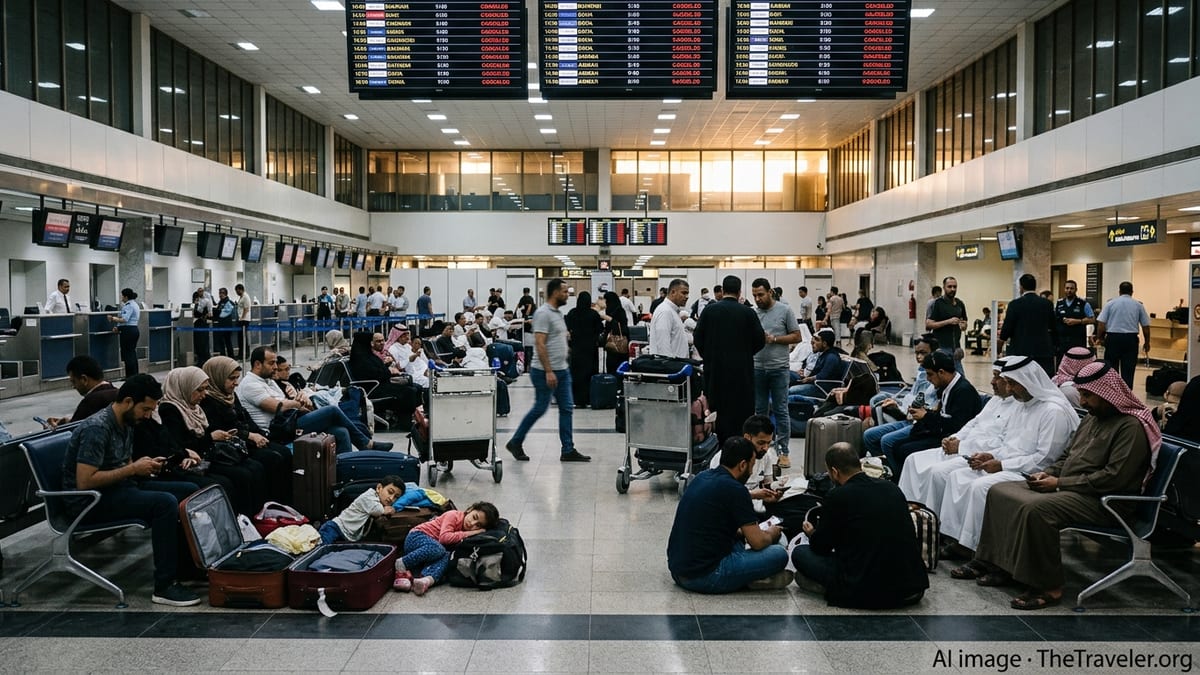
Conflict-driven airspace closures and missile threats are forcing Middle East hub airports and airlines to slash schedules, reroute traffic, and rethink their global network role.
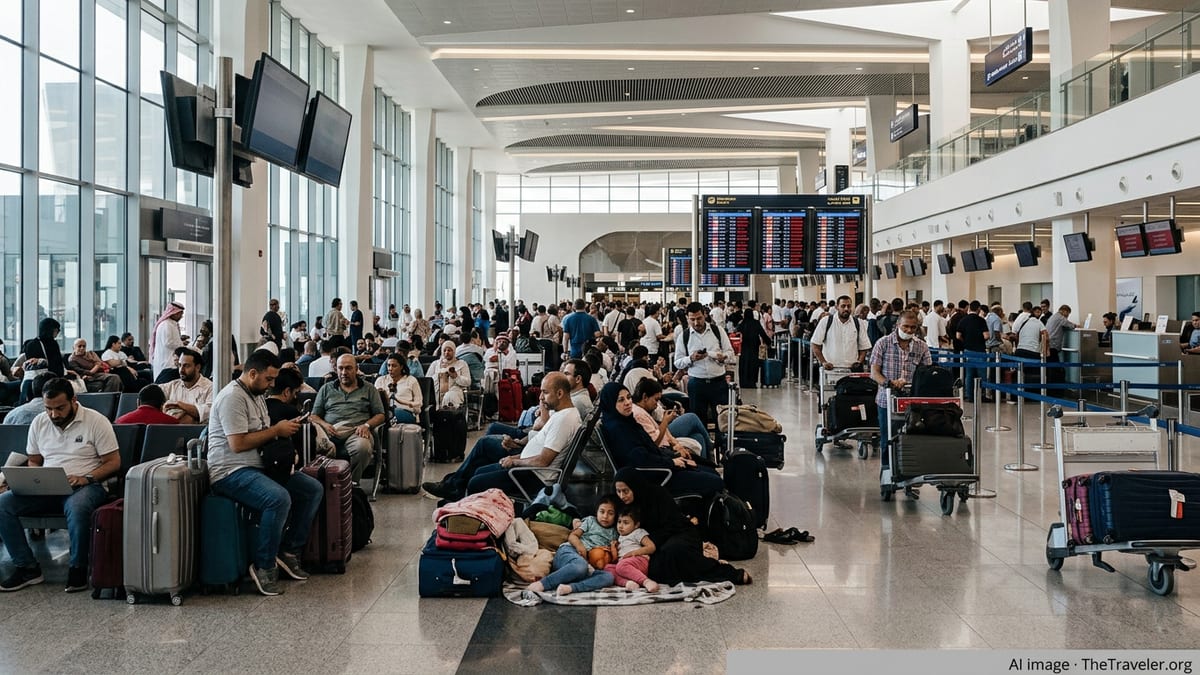
Bahrain has begun restoring flights after reopening its airspace following weeks of conflict-related closure, but routes and frequencies remain limited and subject to change.
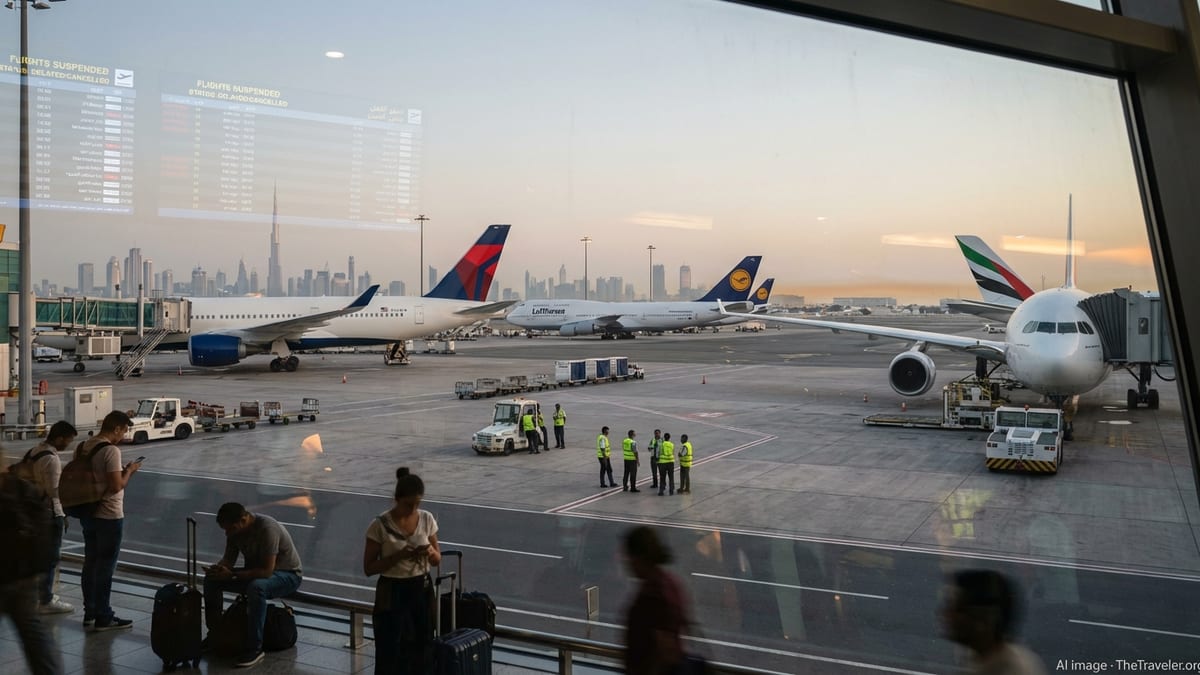
Airspace closures and rerouted corridors across the Middle East are forcing wide‑scale cancellations, longer journeys and higher fares for travelers in the US, Europe and Asia.

China has quietly reserved a large offshore airspace for 40 days. Here is what is known so far and how it could affect international flight plans.
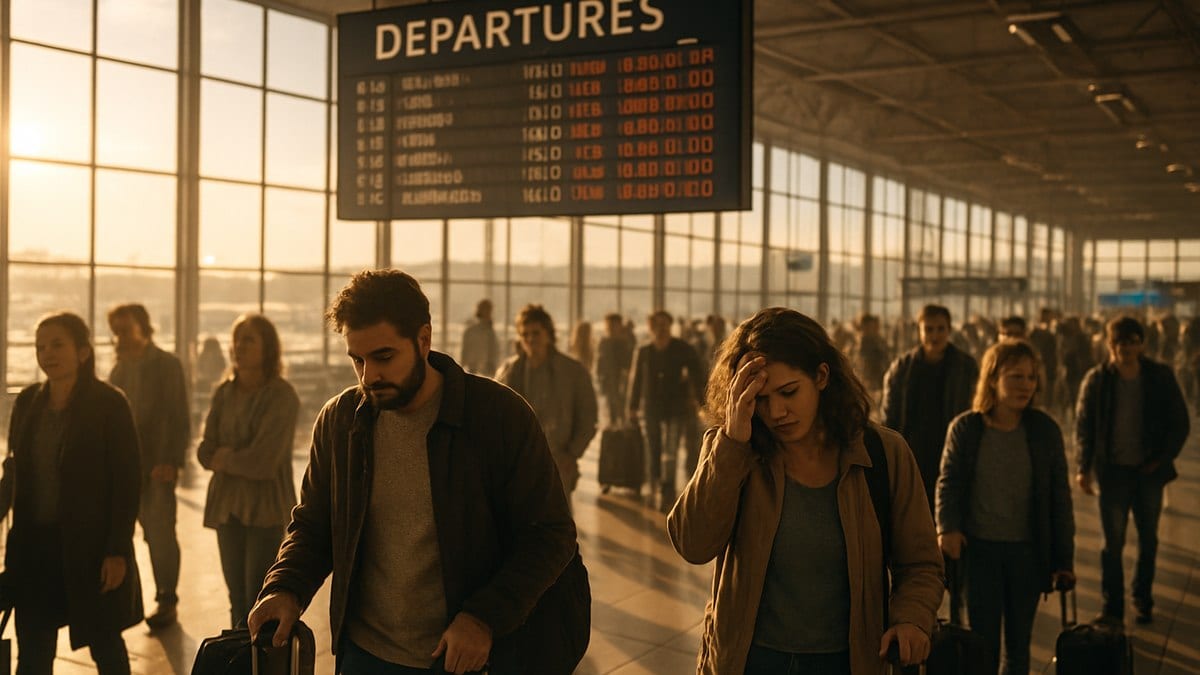
Spring storms, staffing strains and federal uncertainty are converging at Philadelphia International Airport, creating a choppy start to the busy 2026 travel season.