
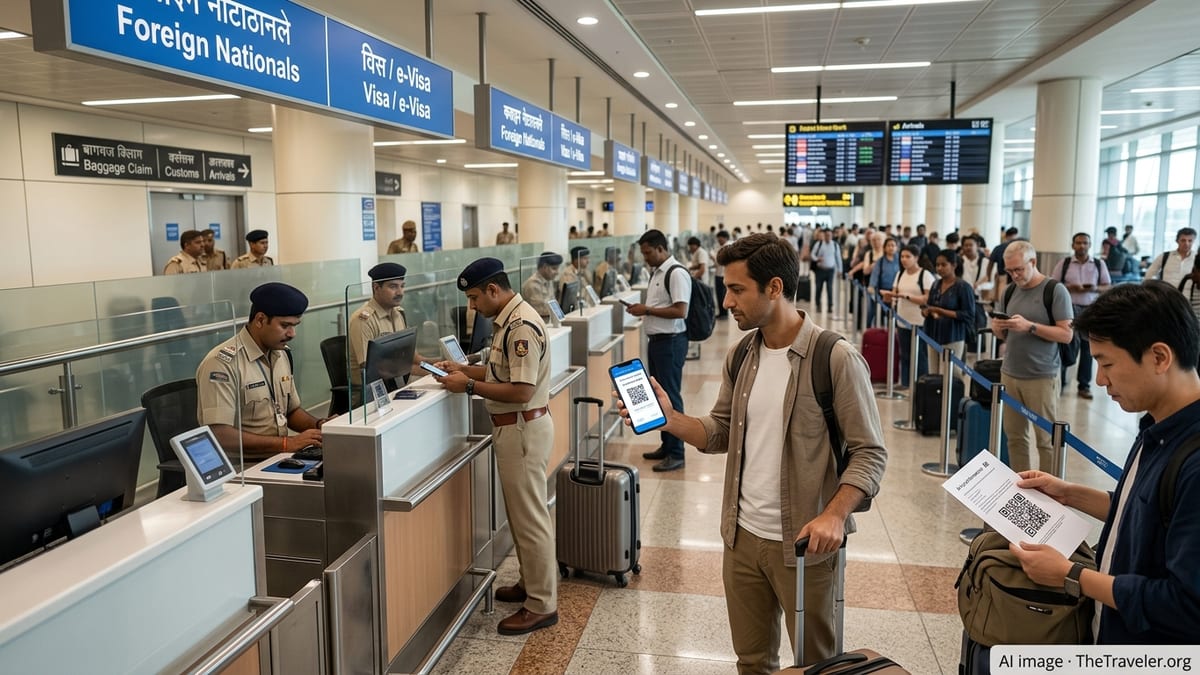
India’s New E-Arrival Card: Key Rules From April 1
From April 1, foreign flyers to India must treat the e-Arrival Card as a core pre-travel step. Here is how the new requirement really works.

William R Martin writes about travel from the ground up. His work focuses on remote routes, working ports, border crossings, ferry lines, and the landscapes that shape how people move across regions.
From April 1, foreign flyers to India must treat the e-Arrival Card as a core pre-travel step. Here is how the new requirement really works.
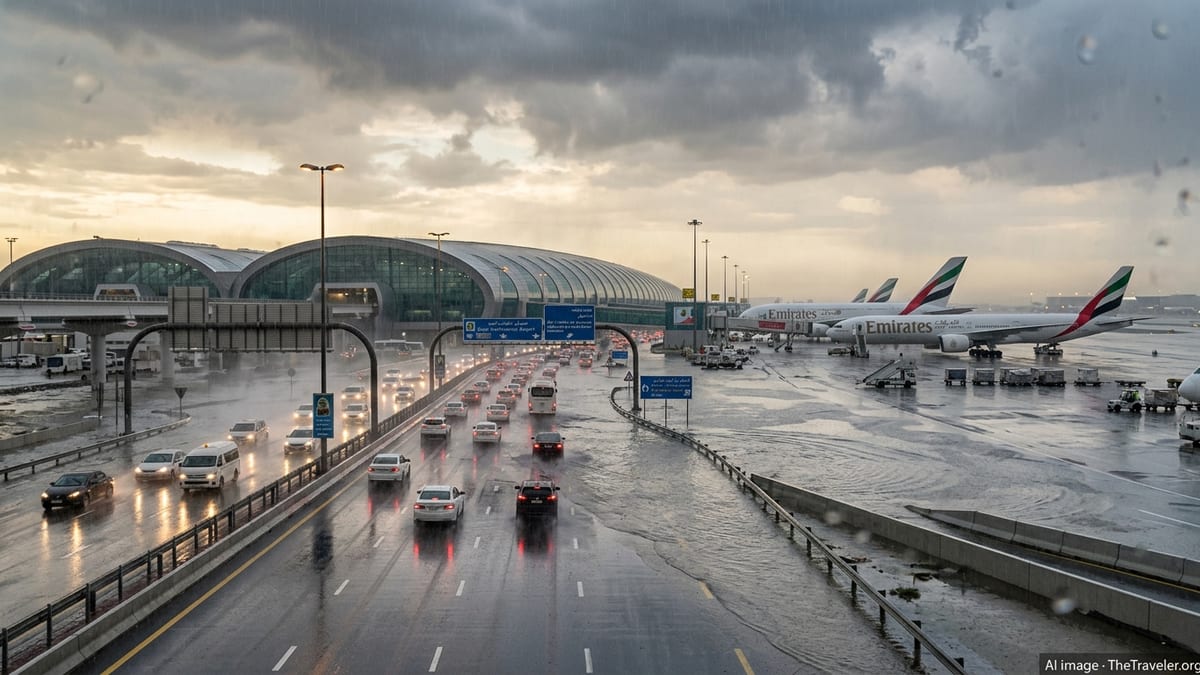
Emirates is adapting its Dubai schedule as forecasters warn of another round of intense rain and thunderstorms. Here is how passengers can prepare for smoother journeys.

African nations are stepping up rural tourism plans, looking to China’s village-based model to drive jobs, cultural revival and wider regional development.
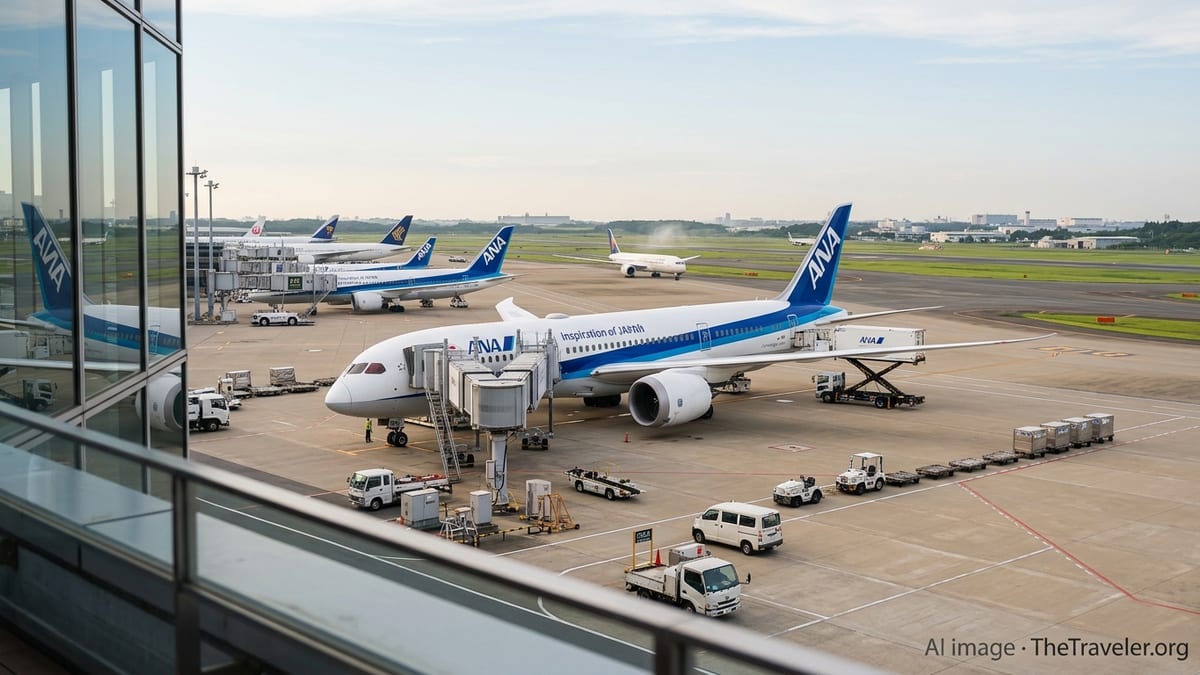
All Nippon Airways is reshaping its long-haul network with new Boeing 787-9 jets, adding capacity from South Korea, Taiwan and the US to lift Japan’s tourism sector.

New border rules and iwi investment are reshaping visitor flows into New Zealand, with airlines and Rotorua hospitality preparing for a fresh wave of high‑value tourists.

A fresh analysis of work, money, health and family pressures reveals surprising stress hot spots across the U.S., reshaping assumptions about where life feels most intense.

Myanmar’s evolving e-visa system is shaping how travelers access its temples, cities and landscapes in 2026. Here is what published information currently shows.
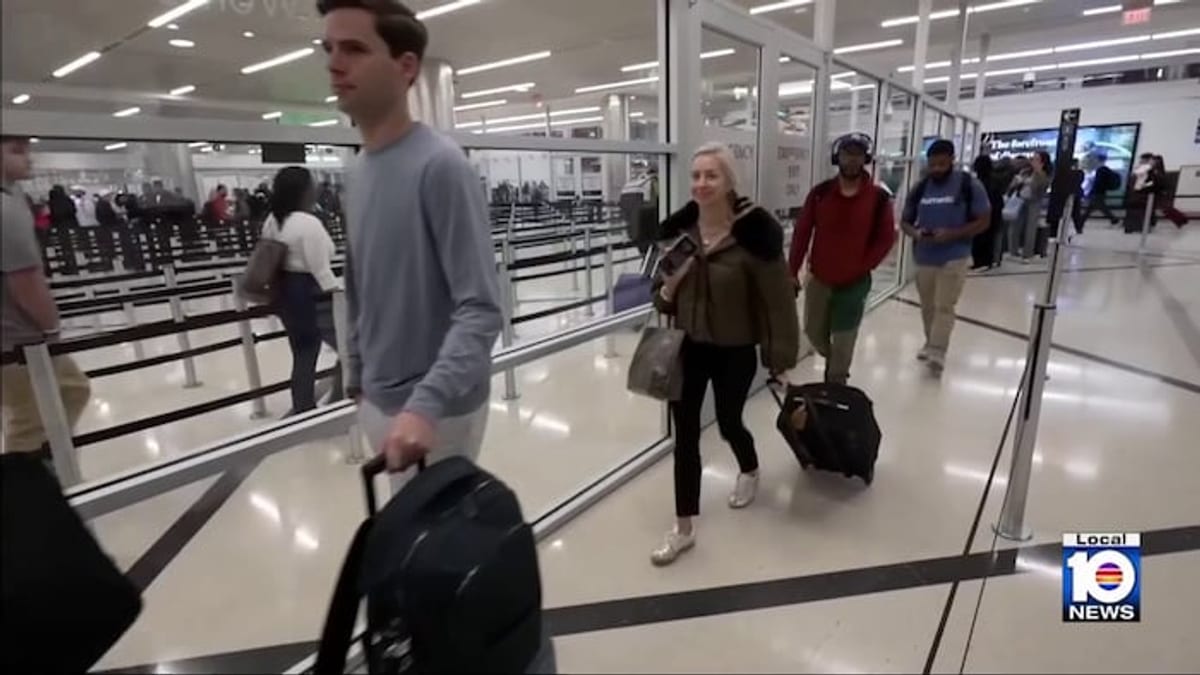
After days of heavy spring break congestion, security lines at Fort Lauderdale–Hollywood International Airport are shortening, offering smoother check‑in and screening for late‑March travelers.

House Republicans have rejected a bipartisan Senate plan to fund most of Homeland Security, prolonging a partial shutdown that is disrupting travel and federal services.
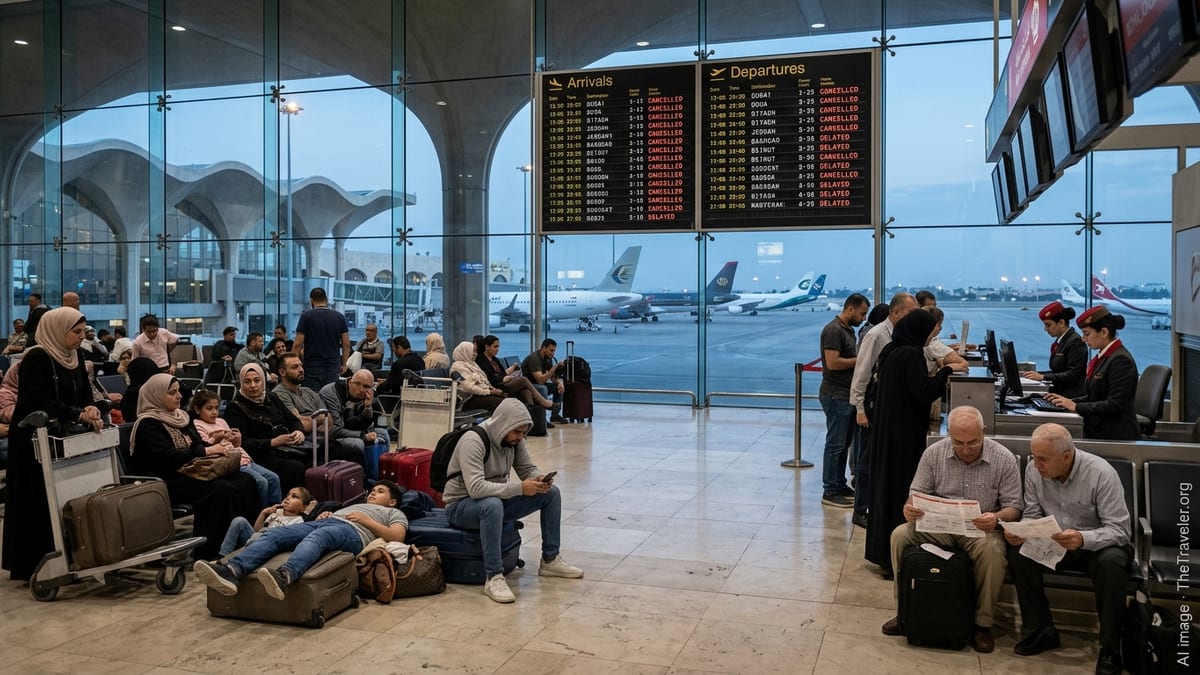
A fresh wave of cancellations at Amman’s Queen Alia International Airport strands travelers as regional airspace restrictions ripple across Bahrain, Iraq, Syria, Lebanon, the UAE and Egypt.
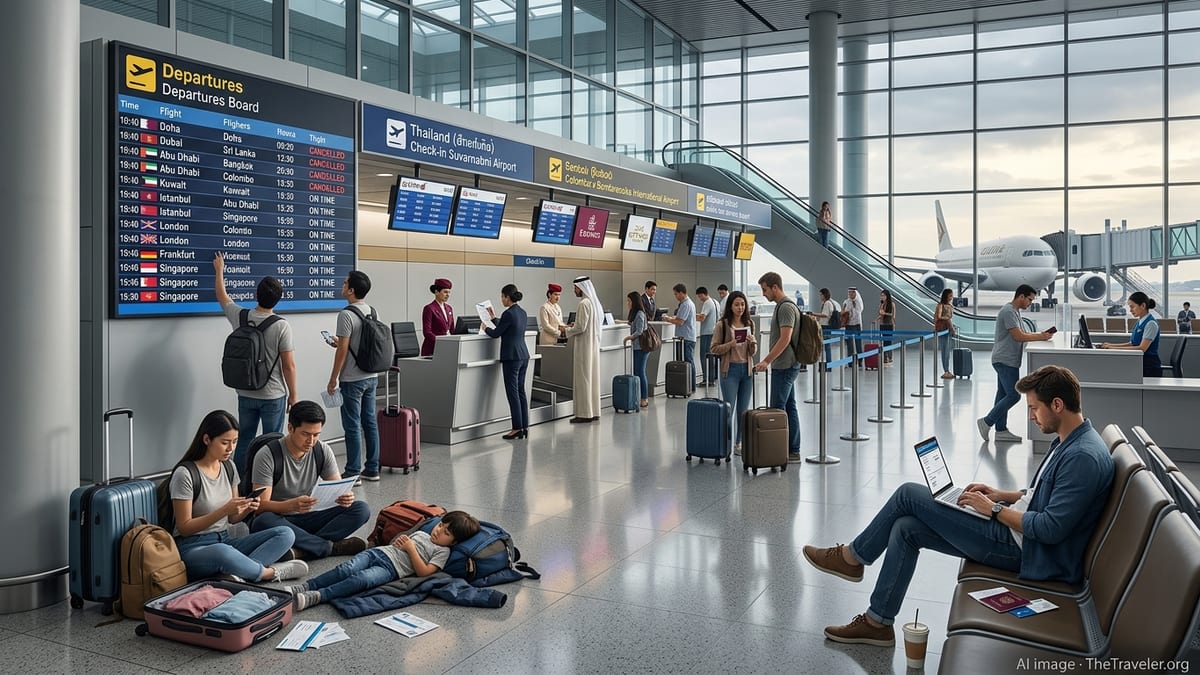
Disruptions linked to Middle East airspace closures and regional incidents are leaving passengers stranded at Bangkok’s Suvarnabhumi and Colombo’s Bandaranaike airports, with rebooking and visa worries mounting.
Hundreds of travelers in Thailand and Sri Lanka face unexpected flight cancellations, long waits and fragmented rerouting options as regional airspace disruption continues.