

More news on this day
Travelers across Colombia and the United States are facing fresh disruption as a wave of cancellations involving Avianca and Delta affects routes through Bogotá, Medellín, Cali, Cartagena, Atlanta and other major hubs, according to flight tracking data and recent operational reports.
Get the latest news straight to your inbox!
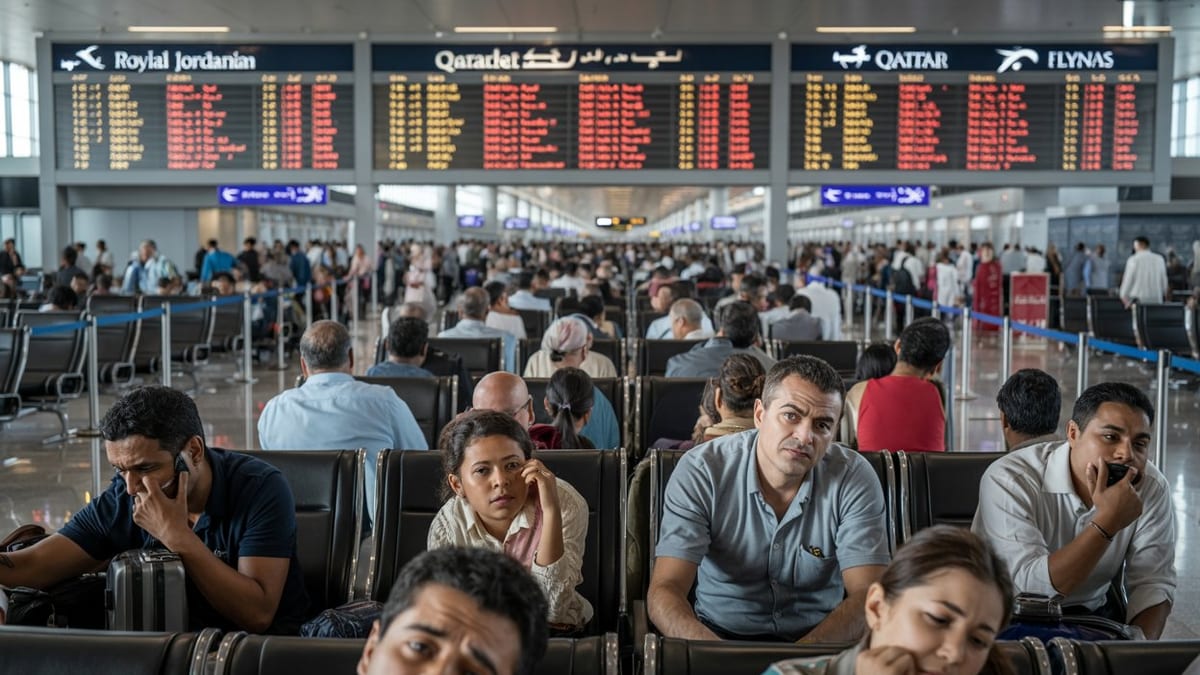
Wave of Cancellations Hits Key Colombian Hubs
Published coverage from late February 2026 indicates that more than a dozen flights to and from Colombia were cancelled in a single disruption cycle, primarily involving Avianca and partner or codeshare operations with major international carriers. The affected routes included links from Bogotá and Medellín to international gateways such as New York JFK, Newark, Madrid and Washington Dulles, along with high-demand domestic corridors serving Cartagena and other coastal cities.
While those earlier reports highlighted United and JetBlue among the airlines adjusting schedules, updated flight-tracking and airport information now point to Avianca and Delta at the center of the latest disruption pattern. The impact is being felt most acutely at Bogotá’s El Dorado International Airport, Medellín’s José María Córdova International Airport, Cali’s Alfonso Bonilla Aragón International Airport and Cartagena’s Rafael Núñez International Airport, which together handle a large share of Colombia’s domestic and international traffic.
Across these hubs, cancellations and delays are rippling through both point-to-point services and connecting itineraries. Passengers connecting onward to North America and Europe through Bogotá are especially vulnerable when a domestic leg into the capital is cancelled, as missed connections can cascade into long rebookings or overnight stays.
Publicly available airport operations summaries show that Colombia’s main gateways have been managing a mix of routine congestion, weather-related constraints and aircraft rotation challenges. Within that broader picture, the current pocket of Avianca and Delta cancellations adds a fresh layer of complexity at the tail end of the busy first-quarter travel period.
Domestic Routes to Cartagena and Medellín Under Strain
Domestic flights linking Bogotá, Medellín, Cali and Cartagena are among Colombia’s most heavily trafficked corridors, and they are especially exposed when a carrier trims frequencies or cancels rotations at short notice. Cartagena, in particular, has experienced pressure on capacity as several flights connecting coastal tourism markets with interior cities have been adjusted or removed from schedules in recent weeks.
Operational data for Avianca show frequent rotations between Bogotá, Medellín and Cartagena, underscoring how even a relatively small cluster of cancellations can affect hundreds of travelers. A single removed departure on a Bogotá to Cartagena run, for example, can disrupt not only point-to-point passengers but also those booked onward to international destinations from the Caribbean coast.
Similar vulnerabilities exist on Medellín to Cartagena and Medellín to Bogotá services, which act as essential feeders for long-haul flights. When a Medellín departure is cancelled, travelers bound for the United States or Europe may find themselves forced to reroute via alternative Colombian airports, often at inconvenient hours and with limited seat availability.
In Cali, where schedules are typically less dense than in Bogotá and Medellín, any Avianca or partner cancellation can quickly eliminate multiple reasonable options for same-day rebooking. This dynamic magnifies the impact of what might appear on paper as a modest number of cancelled flights, turning a short disruption into a day-long ordeal for affected passengers.
Delta Links Between Cartagena, Bogotá and Atlanta Affected
Delta’s footprint in Colombia centers on strategic links that feed its U.S. network, including service between Cartagena and Atlanta and a variety of codeshare and joint operations that connect domestic Colombian flights to its long-haul services. Publicly available schedule histories and passenger reports over recent months highlight periodic disruptions on Cartagena to Atlanta flights, where cancellations or extended delays can leave travelers with limited same-day alternatives.
Operational listings also show Delta-coded services on routes such as Cartagena to Bogotá and Bogotá to Cartagena, often operated in cooperation with local partners. When cancellations hit these sectors, they do not just affect domestic connectivity but also sever a key bridge between Colombia’s Caribbean coast and Delta’s primary hub in the United States.
Because Atlanta functions as a central gateway for connections across the U.S. South, Midwest and transcontinental routes, any disruption on the Colombia to Atlanta axis has an outsized effect. Passengers may lose onward connections to U.S. cities that are not easily reachable via alternative hubs, forcing overnight stays or complex rebookings through other carriers in Miami, Houston, New York or Panama City.
For travelers originating in the United States, a cancelled Atlanta to Cartagena or Atlanta to Bogotá flight can also mean that carefully timed itineraries to reach Colombian destinations such as Medellín or Cali become unworkable, particularly when domestic connections are already constrained by Avianca’s own schedule adjustments.
Knock-On Effects for International Connections
The current wave of Avianca and Delta cancellations comes against a backdrop of already tight international capacity to and from Colombia. Previous disruption reports from February 2026 referenced cancellations on routes connecting Bogotá to New York JFK, Newark, Madrid and Washington Dulles, corridors that are crucial for both business and leisure travelers.
In practical terms, a cancelled domestic leg from Cartagena, Cali or Medellín into Bogotá can cause a passenger to miss an overnight departure to Europe or a daytime flight to the northeastern United States. With many of these long-haul flights operating once daily, or on limited weekly frequencies, rebooking often involves significant schedule changes and potential additional costs for accommodation and ground transport.
Travel forums and consumer discussions over the past year have also documented broader frustration with irregular operations involving Avianca and partner carriers, including missed connections, perceived shortcomings in customer service and disputes over compensation. These accounts suggest that when disruptions occur, passengers may face a slow or complicated path to resolution, especially when multiple airlines share responsibility for a single itinerary.
For international visitors to Colombia, particularly those combining multiple domestic stops with a long-haul return ticket, the overlap of Avianca and Delta cancellations increases the risk that a single schedule change will cascade through an entire trip. This is especially true for travelers relying on tightly timed connections through Bogotá or Cartagena to reach flights bound for the United States and Europe.
What Travelers Can Do Now
Given the pattern of cancellations affecting Avianca and Delta in Colombia, travelers with upcoming itineraries involving Bogotá, Medellín, Cali, Cartagena or Atlanta may wish to monitor their bookings more closely than usual. Airline apps, airport departure boards and third-party flight tracking services can provide early signals of schedule changes before passengers leave for the airport.
Publicly available guidance on airline disruption policies indicates that affected travelers may have options ranging from free rebooking to refunds or, in some cases, hotel and meal support, depending on the cause of the cancellation and the jurisdiction involved. Passengers connecting between Avianca and Delta should pay particular attention to whether their journey is on a single ticket, which generally offers stronger protection, or on separate bookings that may limit assistance.
Some experienced travelers also recommend building longer connection times into itineraries involving multiple Colombian airports and international segments, especially during peak periods or transitional seasons when weather and congestion are more likely to converge. Allowing additional time between domestic and long-haul flights can reduce the risk that a short delay or last-minute cancellation will result in a missed onward connection.
As Colombia’s air travel market continues to grow, the interplay between local carriers such as Avianca and global partners like Delta will remain central to the country’s connectivity with the rest of the world. For now, the latest cluster of cancellations serves as a reminder that even in mature markets, operational hiccups can quickly reverberate across entire networks, leaving travelers to navigate an increasingly complex web of routes and rebooking options.