

More news on this day
Travelers moving between Colombia and the United States are facing significant disruption after more than a dozen flights operated by Avianca and Delta were cancelled, affecting connections through Bogotá, Medellín, Cali, Cartagena, Atlanta, and other key hubs.
Get the latest news straight to your inbox!
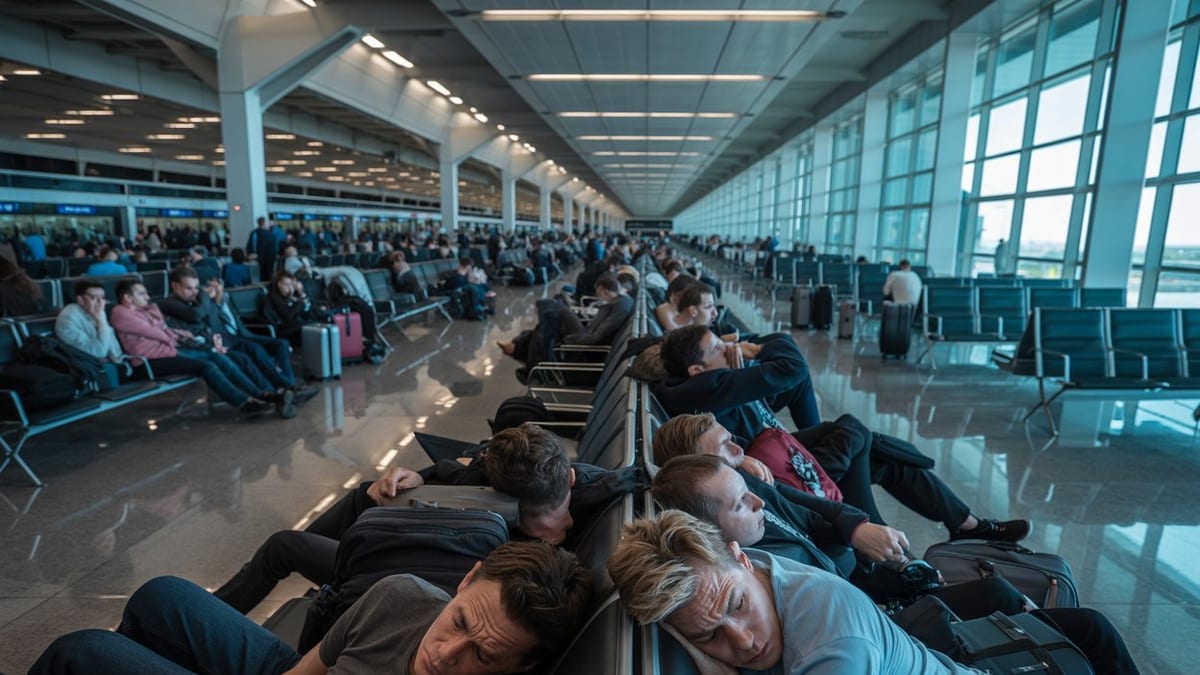
Image by Travel And Tour World
Wave of Cancellations Hits Key Colombia–US Routes
Publicly available flight-tracking data and local media coverage show that a cluster of Avianca and Delta services linking Colombia with the United States has been cancelled over a short window, concentrating disruption on routes connecting Bogotá, Medellín, Cali, Cartagena, and Atlanta. While flight schedules fluctuate daily, the most recent cancellations represent a noticeable spike on some of the region’s busiest corridors.
The affected operations include multiple Avianca departures within Colombia and on international legs, as well as Delta services between Atlanta and Colombian gateways. Bogotá’s El Dorado International Airport, the country’s main long-haul hub, has seen several flights scrubbed or heavily revised, with knock-on effects for passengers relying on domestic connections from Medellín’s José María Córdova International Airport, Cali, and Cartagena.
Reports indicate that many travellers discovered cancellations or major schedule changes only hours before departure, or upon checking airline apps and airport displays. In several cases, outbound flights were cancelled after passengers had already begun their journeys from secondary cities, forcing unexpected overnight stays and complex rebookings.
Although the number of cancelled services remains a small fraction of the total daily schedule between Colombia and the United States, the concentration of issues on a handful of high-demand routes has amplified the impact, particularly for travelers with tight connections or onward long-haul itineraries.
Operational Strains, Weather, and Network Complexity
The current wave of cancellations appears to reflect a combination of factors that have challenged airline reliability across the Americas. Recent coverage of Delta’s operations points to weather-related constraints and staffing ripple effects around Atlanta, the airline’s primary hub, which can quickly cascade across its network and affect international services.
For Avianca, which operates the largest network in and out of Colombia, the disruption is emerging against a backdrop of dense domestic schedules, aircraft utilization pressures, and a continuing post-pandemic recovery in passenger demand. Industry analysts note that highly optimized aircraft rotations can leave little slack when unexpected maintenance, crew availability issues, or airspace restrictions arise.
Because many Colombia–US itineraries rely on connections at one or more hubs, the cancellation of a single Bogotá–Atlanta or Cartagena–Atlanta flight can disrupt multiple journeys simultaneously. Travelers starting from secondary Colombian cities often depend on a first domestic leg to Bogotá or Medellín before heading north; if any link in this chain fails, same-day alternatives can be extremely limited, especially during peak travel periods.
In parallel, air traffic control constraints and occasional severe weather across North and South America have created additional challenges. Even when aircraft and crews are technically available, network-wide recovery from earlier disruptions can take several days, prolonging irregular operations for passengers.
Airports in Bogotá, Medellín, Cali, Cartagena, and Atlanta Under Pressure
Airports across Colombia are bearing the brunt of the latest schedule volatility. Bogotá’s El Dorado, already one of Latin America’s busiest hubs, has seen lines at check-in counters and customer service desks grow as passengers seek rebooking options and compensation. Medellín’s José María Córdova International Airport, which serves as a key gateway for both domestic and international traffic, has reported crowding around airline counters whenever cancellations are posted.
In Cali and Cartagena, where many trips are leisure-focused, sudden cancellations have proved particularly disruptive for travelers with fixed cruise departures, resort stays, or tour itineraries. Some reports describe passengers scrambling to secure last-minute seats on competing airlines or re-routing through alternative hubs such as Miami or New York when Atlanta connections fell through.
On the US side, Atlanta’s Hartsfield–Jackson International Airport continues to experience periodic waves of schedule changes that affect domestic and international flights alike. When Colombia-bound services are cancelled, aircraft and crew positioning challenges can delay the restoration of normal schedules, leaving a backlog of stranded travelers on both sides of the route.
The interplay between these hubs highlights how closely tied operations have become. A localized thunderstorm or staffing issue in Atlanta, for example, can trigger cancellations that reverberate through Bogotá, Medellín, Cali, and Cartagena within hours, underscoring the fragility of long, multi-leg itineraries.
Passenger Rights and What Travelers Can Expect
Consumer advocates note that passenger protections differ between Colombia and the United States, creating a complex environment for travellers affected by cross-border cancellations. Colombian regulations generally require airlines to offer rebooking and, in some cases, vouchers or assistance, depending on the cause and length of the disruption. In the United States, federal rules focus primarily on refunds when a flight is cancelled and the passenger chooses not to travel.
According to publicly available guidance from regulators and airline policy documents, travellers whose flights are cancelled are typically entitled to a refund of the unused portion of their ticket if they decide not to accept an alternative itinerary. However, compensation for hotels, meals, and incidental costs often depends on whether the disruption is classified as within the airline’s control or due to external factors such as severe weather or airspace restrictions.
Because many Avianca and Delta itineraries are sold through partner airlines or travel agencies, some passengers are discovering that they need to coordinate with multiple entities to secure refunds or rebooking. Travel industry reports suggest that travelers who booked via third-party platforms may face longer processing times and more complex documentation requirements.
Specialists routinely advise that passengers document all expenses and keep screenshots of schedules and cancellation notices to support any later claims. They also emphasize the importance of checking travel insurance policies, which may offer broader coverage for hotel stays and missed connections than airline policies alone.
Planning Ahead for Upcoming Trips Between Colombia and the US
For travelers with upcoming journeys between Colombia and the United States, the recent disruptions serve as a reminder to build more flexibility into itineraries. Industry guidance commonly recommends avoiding tight connections through major hubs, particularly during seasons when storms or operational strains are more likely.
Travelers are also being encouraged by consumer groups and travel advisers to monitor flight status frequently in the days and hours leading up to departure, using official airline apps and airport information. Early awareness of schedule changes can make a significant difference in securing alternative flights or adjusting ground arrangements before options become scarce.
Some analysts expect that as airlines continue to adjust capacity and crew planning for 2026 travel demand, reliability on routes linking Bogotá, Medellín, Cali, Cartagena, and Atlanta should gradually improve. Nevertheless, they caution that the combination of tight schedules, variable weather, and strong demand means occasional clusters of cancellations are likely to remain a feature of the market.
For now, passengers affected by the latest round of Avianca and Delta cancellations are navigating a patchwork of rebookings, refunds, and extended layovers, illustrating how quickly disruptions on a handful of flights can ripple through one of Latin America’s most important air corridors.