

Milwaukee rewards curious travelers with lakefront beauty, neighborhood beer halls, world-class festivals, and a quietly confident Midwestern vibe. It is also a city where the details matter. From strict winter parking rules to surprisingly early closing times, a few common missteps can turn an otherwise smooth visit into a frustrating one. With a bit of advance knowledge, you can sidestep the typical visitor pitfalls and experience Milwaukee at its best, in any season.
Underestimating Milwaukee’s Seasons and Lakefront Weather
Milwaukee’s location on the western shore of Lake Michigan shapes daily life more than many visitors expect. Summer afternoons along the lakefront can feel gloriously warm, only for temperatures to drop sharply once the sun dips or the wind shifts off the water. In winter, the so-called lake effect can intensify snowfall and wind chill. Travelers who pack only for the forecast high often find themselves shivering on the RiverWalk or at a Brewers game when conditions change quickly.
The key mistake is treating Milwaukee like a generic Midwestern city rather than a Great Lakes port. Even in June and July, bring a light jacket or fleece for evenings, especially if you plan to be near the lakefront, out on a patio, or taking in a festival. In shoulder seasons such as April, May, September, and October, layering is essential. You may start the day in a warm sweater, peel down to a T-shirt by afternoon, and need that extra layer again by sunset.
Winter and early spring require a different level of preparation. Streets can be slushy or icy long after a storm ends, and wind off the lake can make temperatures feel much colder than the thermometer suggests. Waterproof shoes with good traction, a windproof coat, hat, and gloves are not overkill if you expect to walk between neighborhoods or wait outdoors for transit. Visitors who underestimate the elements often end up cutting outings short or relying on expensive last-minute rideshares.
Finally, do not forget sun and water safety on bright summer days. The lakefront, rooftop bars, and beer gardens are all more enjoyable with sunglasses and sunscreen. The combination of reflected light off the lake and time spent outdoors at festivals can lead to surprise sunburns, even when temperatures feel moderate.
Getting Tripped Up by Parking Rules and Winter Restrictions
Parking is one of the biggest sources of visitor frustration in Milwaukee, particularly in winter. The city has a mix of year-round night parking rules, seasonal winter regulations, and special restrictions that can change when snow emergencies are declared. Visitors who assume they can simply leave a car on the street overnight often wake up to an unwelcome orange envelope or, in some cases, no car at all.
Most streets in Milwaukee prohibit parking between 2 a.m. and 6 a.m. unless you have an overnight parking permit or temporary permission arranged in advance. On many residential streets, alternate side parking is required overnight, meaning you must park on the even-numbered side of the street on even calendar days and the odd-numbered side on odd days. During declared snow emergencies, hours and restrictions can tighten so plows can clear both sides of the street efficiently. Violations can lead to tickets, and repeat offenders or those with multiple unpaid tickets now risk towing and substantial fees.
For visitors, the best way to avoid trouble is to treat every curb as if it has rules, even if they are not obvious at first glance. Read posted signs carefully, look for any seasonal or snow-emergency notices, and double-check which side of the street you are using if you are parking overnight. In winter, it is wise to opt for hotel garages or commercial lots when possible, even if they cost a bit more. The peace of mind is worth it compared with dealing with a ticket or an unexpected tow on a short trip.
If you plan to rent a car, ask your accommodation in advance about their parking options and what to do during snow events. Some neighborhoods also have private lots or structured parking that can be reserved. Visitors who rely on street parking without understanding local rules are far more likely to find a surprise fine on their windshield, which is one of the easiest avoidable frustrations in Milwaukee.
Misjudging Distances and Relying Poorly on Transportation
Milwaukee’s compact downtown can give the impression that everything is walkable, and in many ways it is. The RiverWalk, Third Ward, and lakefront are comfortably navigable on foot for most visitors. The pitfall is assuming that all of Milwaukee’s highlights are clustered in the same way. Breweries, neighborhood restaurants, and cultural sites are spread across areas such as Bay View, Riverwest, the East Side, and the Menomonee Valley, which can be a longer trek than they appear on a map.
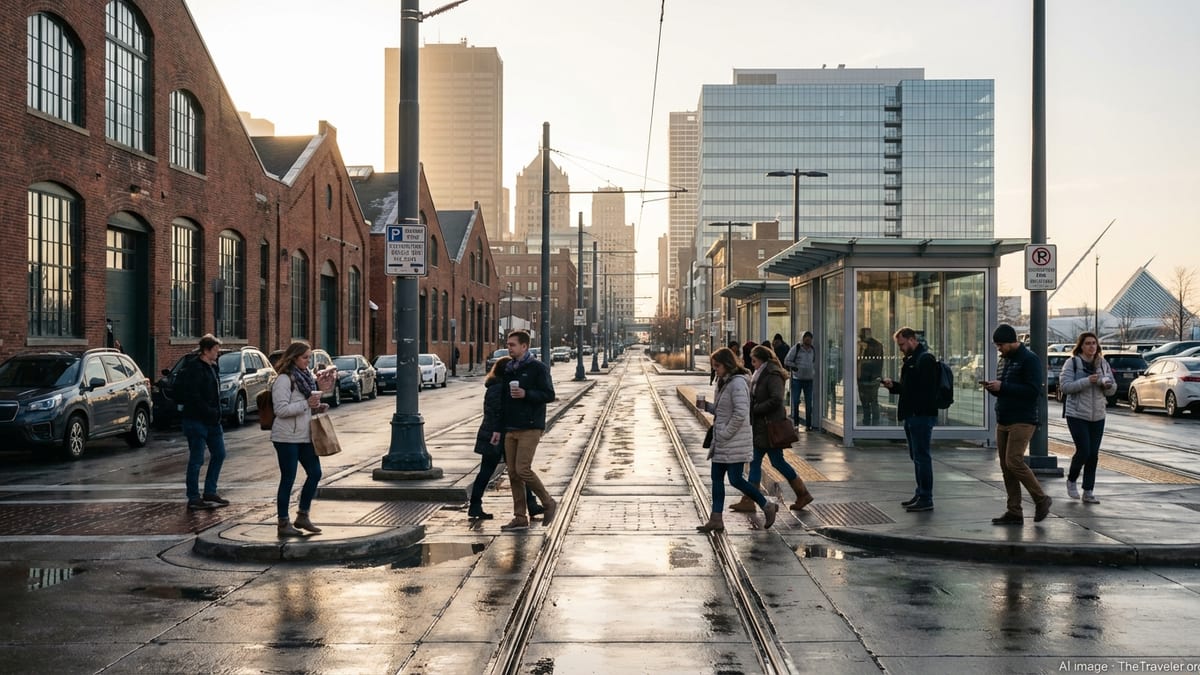
Public transit exists but is not as extensive as in larger cities. The Hop streetcar runs on a fixed route through downtown and the Historic Third Ward, and local buses connect many neighborhoods, but service can be infrequent at night or on weekends. Visitors who plan ambitious cross-city itineraries without checking schedules may find themselves waiting longer than expected or resorting to last-minute rideshares. In winter, those waits at exposed stops can feel especially long.
To avoid frustration, plan transportation at the same time you plan activities. Group attractions by neighborhood: spend a day downtown and in the Third Ward, another in Bay View or the East Side, and another around the lakefront and museum campus. Factor in the time and cost of getting to American Family Field, the zoo, or suburban destinations. If you are counting on The Hop, confirm that it serves the areas you want and note any limited operating hours or temporary service disruptions.
Rideshare and taxis are plentiful around major hotels, festivals, and nightlife corridors, but can spike in price after large events such as games or concerts. Visitors who are comfortable biking can also use trails such as the Oak Leaf Trail or Hank Aaron State Trail to link neighborhoods in good weather. The key is to avoid assuming that you can seamlessly hop from one side of the city to another on foot or by transit without a bit of advance thought.
Visiting at the Wrong Time or Overlooking Local Events
Milwaukee’s calendar is packed, especially in summer. The city hosts one of the country’s largest music festivals, Summerfest, along with ethnic festivals, neighborhood street fairs, and major sporting events. These can be the highlight of a visit, but they also bring crowds, higher prices, and limited availability if you arrive unprepared. A frequent pitfall is booking travel without checking what is happening in town, then facing sold-out hotels or packed restaurants.
Summerfest alone can transform the city for days. It draws major crowds to the lakefront festival grounds, fills hotel rooms weeks in advance, and leads to heavier traffic and longer waits across downtown and the Historic Third Ward. Many visitors love the energy, but others find that their quiet weekend of museum-going or brewery hopping is disrupted by congestion and noise. Similarly, ethnic festivals and large conventions can have a noticeable impact on prices and availability.
If you are flexible on timing, decide whether you want to lean into or avoid the festival atmosphere. Those who plan to attend a major event should book accommodation early, consider using shuttles or rides instead of driving, and build in extra time to navigate crowds. If you prefer a calmer experience, consider shoulder-season visits in late spring or early fall, or check the city’s events calendar before committing to dates. Even in winter, big sports weekends can fill hotels near the arena and stadium.
Another subtle timing mistake is ignoring Milwaukee’s weekly rhythm. Many local attractions and restaurants are closed on Mondays, and some keep limited hours early in the week. Plan museum visits and special meals later in the week or over the weekend whenever possible. Confirm hours for specific sites, particularly smaller galleries, breweries, and neighborhood cafes, so you do not arrive to locked doors.
Overlooking Neighborhood Nuance and Lakefront Orientation
Milwaukee is a city of distinct neighborhoods, each with its own character, dining scene, and pace. Visitors who treat the city as a single downtown core often miss what makes it special. The Historic Third Ward offers boutiques, galleries, and repurposed warehouses. Bay View has a strong local bar and restaurant culture with a creative, slightly bohemian feel. The East Side blends historic mansions, student life, and stretches of the Milwaukee River, while Riverwest leans more eclectic and community-focused.
A common pitfall is failing to understand how these neighborhoods relate to one another and to the lake. Locals orient themselves by Lake Michigan, with “east” effectively meaning lakeward. Visitors sometimes become turned around, especially on cloudy days when the water is less visible. Spending a few minutes with a map before you head out, noting where the lake and river lie in relation to main streets, will make it much easier to navigate on foot or by car.
Respect for neighborhoods also matters. Some areas are primarily residential, with families, long-term residents, and older housing stock. Late-night noise from vacation rentals or bar-hopping groups can be a sore point. When you stay in or pass through these districts, be conscious of noise, parking, and private property. Milwaukee is generally welcoming, but like any city, it appreciates visitors who blend in rather than overwhelm local routines.
Finally, do not overlook the lakefront itself. Some visitors focus entirely on breweries and indoor attractions and never spend time on the paved paths and parks that line the water. Even a short stroll along the lakefront, a stop at a beach in summer, or a walk near the art museum’s striking architecture will give you a fuller sense of the city. Missing the lake is one of the most regretted oversights for first-time visitors.
Mismanaging Food, Drink, and Nightlife Expectations
Milwaukee’s food and drink culture is one of its major draws, but it does not always align with big-city expectations. This is a place where classic taverns, fish fries, and neighborhood corner bars coexist with creative restaurants and cocktail lounges. The main pitfalls are assuming everything is open late, overlooking reservations, and misunderstanding how seriously the city takes responsible alcohol service.
Compared with some larger cities, Milwaukee’s kitchens and bars often close earlier, especially outside downtown and the busiest weekends. A neighborhood restaurant might stop seating well before 10 p.m., and some bars will be quiet or closed earlier in the week. Visitors who wait until late evening to think about dinner can find options limited, particularly in winter or in residential neighborhoods. Check hours in advance and make reservations at popular spots, especially for Friday fish fry, weekend brunch, and well-known supper clubs or breweries.
Milwaukee’s long brewing heritage means you will have many chances to sample local beer. While enjoying that tradition is part of the experience, local enforcement of drunk driving and public safety laws is firm. Relying on driving after a night of beer sampling is a serious mistake. Plan for rideshares, taxis, or walking routes before you start drinking. During major festivals and events, shuttles and special transit options are often available; taking advantage of them is easier than navigating post-event traffic and checkpoints behind the wheel.
Another avoidable misstep is assuming every meal has to be a blockbuster. Some of Milwaukee’s most satisfying experiences are simple: a burger at a neighborhood bar, frozen custard at a local stand, or a casual lunch at a market. Balancing marquee reservations with unstructured time to explore low-key spots will leave you with a more representative taste of the city and a less stressful schedule.
Ignoring Safety, Common Sense, and Local Regulations
Milwaukee is broadly similar to other mid-sized American cities when it comes to safety. Most visitors experience no problems, especially when they focus on well-traveled areas and use common sense. Issues tend to arise when people ignore their surroundings, leave valuables visible in cars, or wander alone late at night in unfamiliar districts. Theft from vehicles and occasional opportunistic crime are more likely when visitors assume they can be as casual as they might be at a resort or small town.
Basic precautions go a long way. Keep bags zipped and phones secure when you are in busy festival grounds, transit stops, or crowded nightlife areas. Avoid leaving luggage or electronics in parked cars, especially in plain view. At night, stick to well-lit streets and stay with companions when moving between bars, hotels, and transit stops. If a block feels unusually empty or uncomfortable, choose a different route or call a rideshare instead of trying to “push through.”
Visitors should also pay attention to local rules that affect day-to-day comfort and cost. Smoking and vaping restrictions apply in many indoor public places, including bars and restaurants. Open container laws mean that carrying alcoholic drinks in public spaces is typically not allowed outside of designated areas or events. Noise regulations are enforced in residential neighborhoods, and short-term rental hosts may have specific house rules that align with city ordinances. Treating Milwaukee like a lawless party zone is a quick way to irritate neighbors and encounter enforcement.
Finally, weather-related safety deserves respect, especially in winter. When the city declares a snow emergency, it is not just a formality. Streets can become slick quickly, visibility may drop, and plows need room to operate. Driving more slowly, allowing extra travel time, and giving trucks plenty of space are not just polite; they help keep everyone on the road safer, residents and visitors alike.
The Takeaway
Milwaukee is a city that rewards preparation. Its strengths are obvious once you arrive: a lively lakefront, a deep brewing tradition, distinctive neighborhoods, and a roster of festivals that rivals many larger cities. The potential pitfalls, from parking tickets to weather surprises, are manageable when you know what to expect. Most revolve around reading the fine print on signs, respecting the seasons, and giving yourself a bit of extra time to move between neighborhoods.
If you pack thoughtfully for the weather, plan transportation as carefully as you plan what to see, and stay alert to local rules, you will avoid the frustrations that catch many first-time visitors off guard. In their place, you will have more time for lakefront walks, museum visits, brewery tours, and evenings in neighborhood bars that feel welcoming rather than chaotic. With a little foresight, your trip to Milwaukee can be defined by what you discover, not by what went wrong.
FAQ
Q1. Is Milwaukee safe for tourists?
Milwaukee is generally safe for visitors who use common sense: stay in well-traveled areas, avoid flashing valuables, and use rides or taxis late at night in unfamiliar neighborhoods.
Q2. Do I really need to worry about winter parking rules as a visitor?
Yes. Milwaukee enforces night and winter parking regulations, and tickets or towing can be costly. Always read posted signs and consider using hotel garages or paid lots.
Q3. When is the best time of year to visit Milwaukee?
Late spring through early fall offers the most outdoor activities and festivals. For fewer crowds and milder weather, consider May, early June, September, or early October.
Q4. Do I need a car to get around Milwaukee?
You can explore downtown and the Historic Third Ward on foot or with the streetcar, but a car or rideshares help if you want to visit multiple neighborhoods or attractions spread across the city.
Q5. How cold does it really get in winter?
Temperatures often drop below freezing, and wind off Lake Michigan can make it feel significantly colder. Ice and snow are common, so warm, waterproof clothing and good footwear are important.
Q6. Are restaurants and bars open late?
Some downtown spots stay open late, especially on weekends, but many neighborhood restaurants close earlier than big-city visitors expect. Always check hours and consider reservations for popular places.
Q7. What should I know about festivals like Summerfest?
Festivals bring great music and atmosphere but also big crowds, higher demand for hotels, and busier roads. Book early, plan transportation ahead, and allow extra time to get around.
Q8. Is it easy to walk between Milwaukee’s main sights?
Downtown, the RiverWalk, and the Third Ward are pleasantly walkable, but destinations like Bay View, the East Side, or American Family Field are farther and usually require transit, rideshares, or driving.
Q9. Can I use rideshare services easily in Milwaukee?
Yes. Rideshare services operate widely in Milwaukee, especially around downtown, major hotels, and event venues, though prices may rise after big games or concerts.
Q10. What is one mistake first-time visitors most often make?
Many underestimate local rules and conditions, particularly parking regulations and fast-changing weather. Taking a few minutes to check signs, forecasts, and transit options prevents most problems.