

Rochester, New York rewards curious travelers with photogenic waterfalls, lakefront sunsets, and a serious arts and food scene. It also sits on the edge of Lake Ontario, has real winters, a spread-out layout, and a downtown that is still evolving. Visitors who arrive without doing a bit of homework often waste time, blow their budget, or miss what makes the city distinctive. With a little planning, you can avoid the most common mistakes and experience Rochester at its best.
Misjudging Rochester’s Weather and When to Visit
Rochester’s climate surprises many first-time visitors. The city has a humid continental climate shaped by Lake Ontario, with cold, changeable winters and comfortably warm summers. Snowfall is often heavy, and lake effect storms can drop significant snow over short periods, especially from late November through March. Even within the metro area, conditions can vary markedly, so a sunny forecast for the suburbs does not always mean dry sidewalks downtown.
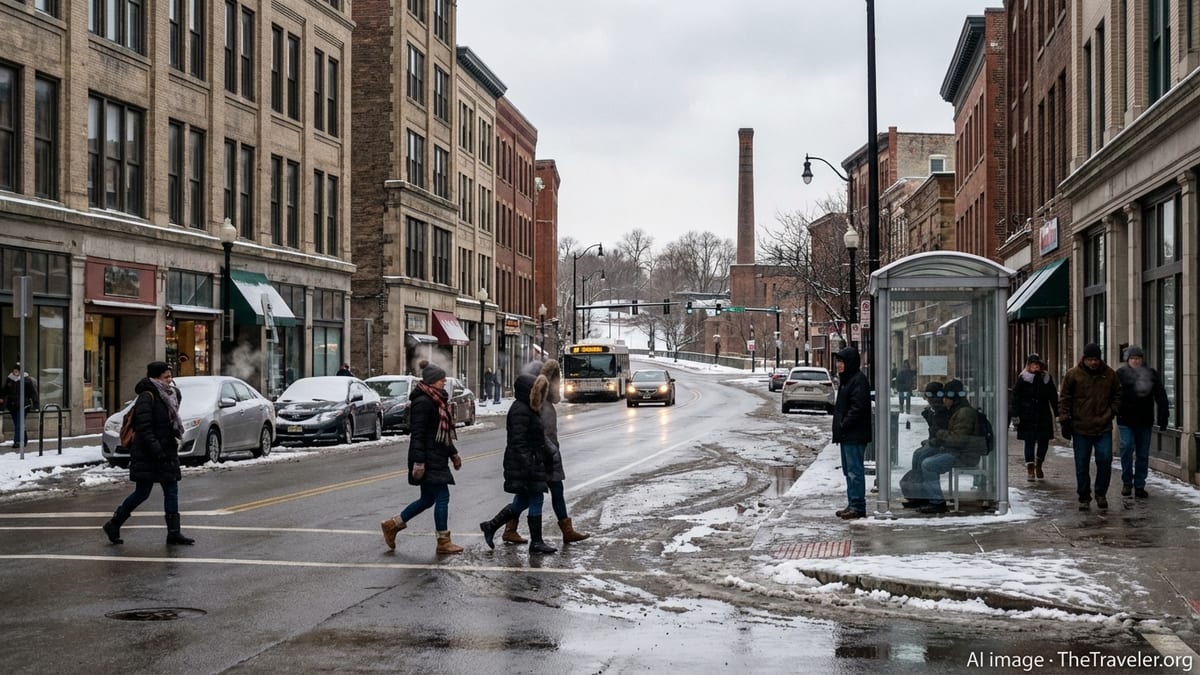
The biggest mistake is underestimating winter. From about Christmas into early March, snow cover is common and cloudy days dominate, even if there are frequent thaws. Travelers who arrive in light sneakers, thin coats, or without gloves and hats quickly discover that walking between attractions or waiting for a bus feels much longer than it looks on a map. If you visit between late fall and early spring, pack layers, waterproof footwear with traction, and a wind-resistant outer shell.
Timing your trip can make a major difference. Late spring and early fall are often the most comfortable seasons for urban exploring, with milder temperatures and fewer weather-related disruptions. Summer brings festivals, outdoor events, and chances to enjoy the waterfront, but also higher humidity and occasional intense thunderstorms. Winter has its charm for those who love snow, but you should build extra buffer time into your plans for slower traffic and flight disruptions.
Do not rely solely on a single forecast you checked days before arriving. Conditions off Lake Ontario can shift quickly. During your stay, monitor local weather updates and be willing to adjust your daily plan, moving more walking-heavy activities to clearer days and using stormy periods for museums, galleries, and indoor attractions.
Ignoring Winter Parking, Driving and Transit Realities
Rochester is a car-friendly city by design, and visitors often rent a vehicle to explore beyond downtown. Yet driving and parking, particularly in winter, come with rules and quirks that can catch newcomers off guard. The city enforces a 24-hour limit on leaving a vehicle in the same street spot, and during the snowy season there are alternate-side parking rules and special snow clearance plans. When snow emergencies or plowing days are announced, restrictions tighten and tickets or towing become more likely, especially on posted routes.
Before you park on a residential street, read every sign carefully and look for temporary winter notices. Give yourself extra time after significant snowfalls to find a legal spot, and avoid blocking driveways or piling snow around your tires. If your lodging offers off-street parking, take advantage of it. Many out-of-town drivers underestimate how strictly winter parking regulations are enforced, particularly overnight when plows are working.
Driving in and around Rochester during storms demands patience. Snow and ice can quickly make key routes such as the Inner Loop, I‑590, and roads near the lake slick and congested. Stopping distances lengthen, and black ice can form when the pavement looks merely wet. Visitors who tailgate, speed, or brake abruptly often end up in minor collisions or slide-offs. Slow down, leave generous following distance, and favor main arterial roads that are plowed more frequently over narrow side streets or hilly neighborhood shortcuts.
Public transit is a viable option, especially within Monroe County. The Regional Transit Service runs buses, and during winter it encourages riders to plan trips in advance, dress warmly, and wait at safe, cleared locations if snow buries bus stops. If you are not comfortable driving in snow, consider relying on buses, taxis, or rideshares on the worst days rather than pushing through a storm behind the wheel.
Staying Only Downtown and Missing the Neighborhoods
Another frequent misstep is treating Rochester like a compact, single-core city where everything of interest is clustered downtown. In reality, many of the region’s most appealing experiences sit in surrounding neighborhoods or nearby communities. Travelers who confine themselves to a small radius around a downtown hotel might leave thinking Rochester is mostly offices, empty streets after business hours, and a waterfall glimpsed from a bridge.
To understand the city’s character, you need to venture into its districts. The Neighborhood of the Arts showcases murals, galleries, and the Memorial Art Gallery. Park Avenue has tree-lined streets, cafes, and independent shops that come alive in the warmer months. The South Wedge offers a creative mix of restaurants and small businesses, while Charlotte and the lakefront provide a direct connection to Lake Ontario when conditions are favorable. Each area has a distinct feel and is best appreciated on foot once you arrive there.
This geographic spread can catch visitors by surprise. Places that seem close on a map may not be connected by straightforward transit links, and walking between popular clusters can be longer or less pleasant than expected, especially in winter. Planning your days by neighborhood rather than by individual sights helps reduce backtracking and ride costs. For example, pair museum visits with a stroll through nearby residential blocks or a meal at a local spot in the same district, rather than zigzagging across town multiple times.
Do not hesitate to ask locals, hotel staff, or visitor center employees for neighborhood-specific recommendations. Many of Rochester’s best coffee shops, bakeries, and bars are not heavily marketed to tourists but are beloved by residents. Skipping these districts in favor of a quick downtown-only loop is one of the easiest ways to shortchange your visit.
Underestimating Safety Basics and Nighttime Practicalities
Rochester is neither unusually dangerous nor uniformly quiet. It is a mid-sized city with pockets of economic challenge, ongoing revitalization projects, and areas that feel very different from block to block, particularly after dark. Visitors sometimes make two opposite mistakes: assuming the entire city is unsafe and avoiding exploration altogether, or treating every area like a small-town main street and wandering around late at night without basic precautions.
Reasonable situational awareness goes a long way. At night, stick to well-lit streets and main corridors, and be especially mindful if you are walking near bars or entertainment venues around closing time. Avoid staring at your phone while walking, and keep valuables out of sight. If something feels off, trust your instincts and change direction or call a rideshare rather than pushing on out of stubbornness.
Around the University of Rochester and other campuses, local public safety offices encourage people to use tracking apps, walk with others when possible, and make use of safe ride services at night. Even if you are not affiliated with a university, these guidelines are sound: let someone know where you are going, carry a charged phone, and have a plan for getting back to your accommodation after evening events, especially in bad weather when sidewalks may be icy and streets quieter.
Another common oversight is assuming everything will be open late. Many independent restaurants, cafes, and shops close earlier than visitors from larger cities expect, particularly outside summer and festival weekends. If you head out for a late dinner or drinks without checking hours, you may find limited options. Confirm closing times, book reservations when possible, and avoid walking long distances at night only to discover that your chosen spot has already shut its doors.
Planning Poorly for Culture, Food, and Seasonal Events
Rochester’s cultural scene is richer than its modest national profile suggests, with festivals, concerts, and exhibitions scheduled across the year. A frequent visitor mistake is arriving without checking what is happening during their dates, only to realize after the fact that they missed a major event or spent hours in lines they could have avoided with minimal planning.
Indoor attractions such as museums, science centers, and art spaces can be busy on weekends, school breaks, and rainy or snowy days when locals head inside en masse. Booking timed entry when available and arriving near opening time reduces bottlenecks and gives you more room to explore. Some specialty exhibits, performances, and seasonal activities sell out in advance, especially during peak summer weekends or around major holidays.
On the food front, visitors sometimes assume that any mid-sized northeastern city will have unlimited late-night options and easy walk-in seating. In practice, Rochester’s most popular restaurants can fill quickly on Friday and Saturday evenings, and some of the most interesting places have smaller dining rooms. Without reservations, you may end up in lengthy waits or settling for a less memorable meal. When you identify a place you want to try, consider booking at least a day or two ahead, particularly during busy travel periods.
Seasonality also shapes what is available. Outdoor dining, patios, and certain food trucks may operate only in warmer months, while some lakefront businesses reduce hours outside of peak season. Conversely, winter brings its own style of comfort food and events that are best appreciated in the cold. Rather than expecting a uniform experience year-round, research what is typical for the month you plan to visit, and time your culinary and cultural plans accordingly.
Misreading the City’s Layout and Transportation Options
On a map, Rochester looks straightforward: highways wrap around the city, and many major streets form clean grids. In practice, visitors often underestimate driving times, walking distances, and the importance of choosing the right mode of transport for each outing. This is not a place where you can always sprint between museums or neighborhoods on foot in ten minutes, especially in poor weather.
The downtown core, river corridor, and some close-in neighborhoods are walkable, but distances between clusters can be longer than they appear. What looks like a quick stroll along a direct route may involve crossing wide arterial roads or navigating underpasses that feel less pedestrian-friendly. In winter, snowbanks can temporarily narrow sidewalks or hide curbs, making walking slower and more tiring, particularly for travelers pushing strollers or carrying luggage.
Visitors also sometimes misunderstand the scope of the bus network. The Regional Transit Service provides solid coverage across Monroe County, but schedules and frequency vary by route and time of day. Some lines run less often on evenings or weekends, so assuming you can simply show up and catch a bus every few minutes can leave you waiting in the cold. Using a trip-planning tool or transit app before you head out helps you align your plans with actual service patterns and avoid long gaps.
If you are relying on rideshares or taxis, be aware that demand can spike after events, concerts, or during snowstorms, creating longer waits or higher prices. Building flexibility into your schedule, and occasionally planning your day around a cluster of sights within a single neighborhood rather than sprinting across the metro area, can make your experience more relaxed and efficient.
Overlooking Lake Ontario and Outdoor Realities
Because Rochester is well inland from the Atlantic, some visitors underestimate the scale and influence of Lake Ontario. The lake behaves more like an inland sea than a small lake, shaping local weather and creating microclimates that affect everything from fog and wind to sudden snow squalls. On clear summer days it is a highlight, with beaches, parks, and sunset views. On cold, windy days it can feel raw and unforgiving, even when the rest of the city seems fairly calm.
Travelers sometimes head to the lakefront or riverside parks without checking conditions, only to find strong winds, chilly spray, or trails that are slick with ice or mud. Proper footwear and layers matter here as much as in the city center. In winter, assume that any lakeside or riverside path may be icier than inland streets and plan conservatively if you have mobility concerns or are traveling with young children.
During warmer months, another mistake is treating the waterfront like a typical beach resort environment. While there are designated swimming areas in season, there can also be currents, fluctuating water quality advisories, and variable lifeguard coverage depending on location and date. Always look for posted notices about swimming, follow local guidance, and keep a close eye on children near the water, especially when waves are high.
The region’s extensive network of parks, trails, and gorge viewpoints is a major asset, but it requires respectful and realistic use. Paths can be steep, uneven, or muddy, and a short distance on the map may involve significant elevation change. Give yourself extra time for hikes, carry water, and avoid stepping off marked trails or scrambling too close to cliff edges or waterfalls in pursuit of a better photograph.
The Takeaway
Rochester rewards visitors who show it a bit of respect and curiosity. Many of the most frustrating experiences come from a handful of avoidable missteps: underestimating lake-influenced weather, ignoring winter parking and driving rules, confining yourself to a small downtown bubble, or assuming that big-city late-night habits and transit patterns automatically apply.
With realistic expectations, a flexible plan, and some attention to local conditions, you can discover a city that mixes industrial history with ambitious public projects, a serious arts and festival calendar, and neighborhoods that feel lived-in rather than staged. Whether you arrive for a long weekend or an extended stay, thinking ahead about climate, logistics, and safety will free you to focus on what matters most: climbing up to a waterfall overlook, lingering over a memorable meal, or catching a performance that leaves you pleasantly surprised by what this corner of upstate New York has to offer.
FAQ
Q1. Is Rochester safe for solo travelers?
Rochester is generally manageable for solo travelers who use common-sense precautions, stay aware of their surroundings, and favor well-lit, busier areas at night.
Q2. Do I need a car to get around Rochester?
A car is helpful for exploring beyond central neighborhoods, but you can combine buses, rideshares, and walking if you plan your routes and focus on a few areas per day.
Q3. What is the best time of year to visit Rochester?
Late spring and early fall often provide the most comfortable mix of mild temperatures, outdoor activities, and cultural events without the extremes of summer heat or winter snow.
Q4. How bad is winter weather in Rochester for visitors?
Winters can be cold, snowy, and changeable, but with proper clothing, flexible plans, and care when driving or walking, most visitors manage without major issues.
Q5. Are there areas of Rochester tourists should avoid?
Like any city, Rochester has blocks that feel less comfortable, especially late at night. Ask locals for up-to-date guidance and stick to main streets and active areas after dark.
Q6. Is public transportation reliable in Rochester?
The bus system is dependable on core routes, but frequency varies by time and day. Checking schedules in advance helps you avoid long waits, especially in winter.
Q7. Can I visit Rochester without planning much in advance?
You can, but you may miss events or face full restaurants and busy attractions. Light planning for key meals, activities, and transit makes the trip smoother.
Q8. What should I pack for a winter trip to Rochester?
Bring a warm coat, insulating layers, waterproof boots with traction, gloves, a hat, and any gear you prefer for walking on snow and ice.
Q9. Is downtown Rochester walkable?
Downtown and some nearby districts are walkable, but distances between clusters can be longer than they appear. Plan by neighborhood and account for weather.
Q10. How many days do I need to see Rochester properly?
A long weekend allows you to sample key museums, neighborhoods, and the waterfront. Four or five days provide a more relaxed pace and time for nearby parks and side trips.