

Spain is one of Europe’s most rewarding destinations, but it is also a place where small money mistakes can quietly drain your budget. From confusing card fees and aggressive ATM prompts to tourist traps around taxis and restaurant bills, it is easy to overpay without realizing it until you are back home. With a little preparation and an understanding of how payments really work in Spain in 2026, you can keep costs under control and focus on tapas, trains and tiled plazas instead of surprise charges.
Understanding How People Really Pay in Spain Today
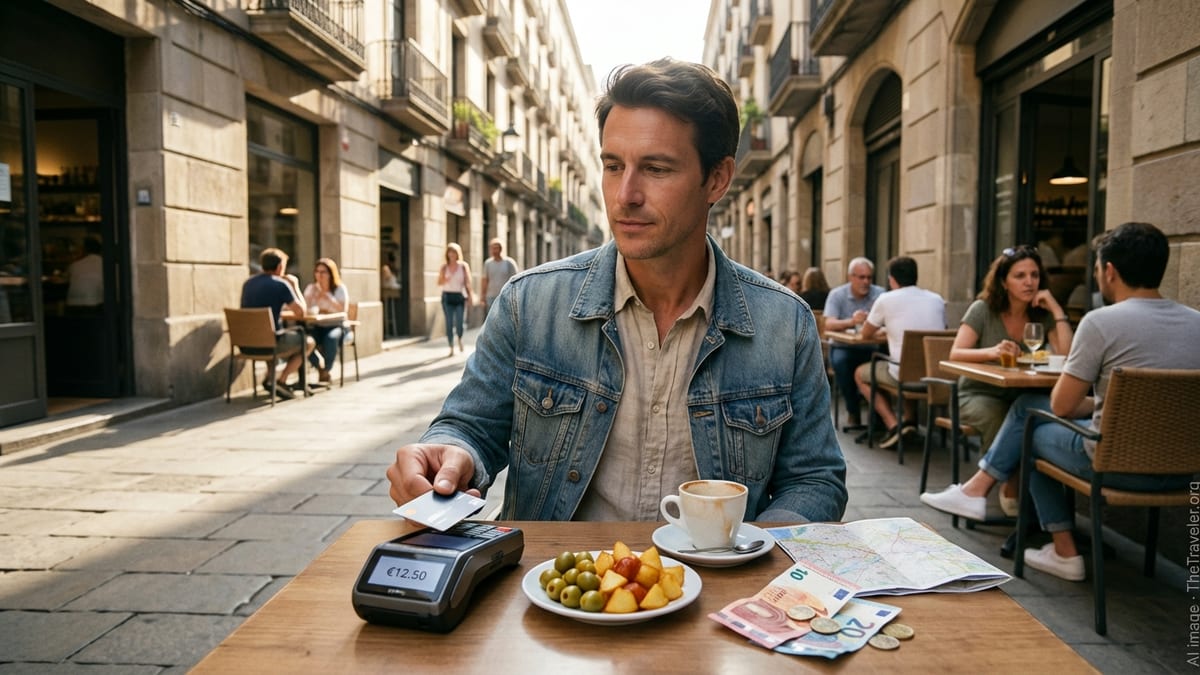
Spain has embraced contactless cards and mobile payments, but cash has not disappeared. In big cities like Madrid, Barcelona, Valencia and Seville, you can usually tap a card for everything from a metro ticket to a museum entry. In smaller towns, traditional markets and older bars, cash is still common and sometimes preferred. Travelers who assume they can live entirely on plastic, or entirely on cash, often end up paying unnecessary fees or getting stuck in awkward situations at the register.
Most Spaniards use debit cards from local banks combined with modest amounts of cash. Credit cards are widely accepted at hotels, chain stores, transport operators and midrange or higher restaurants. Some budget spots may still set a minimum spend for cards, especially for low value coffees or snacks. Planning for a mixed approach similar to locals is the best way to avoid last minute ATM runs or overpaying at currency exchange desks.
Another important point is that Spain is on the euro, and menu prices almost always include tax. This transparency makes it easier to keep track of what you are spending, but it also means that when something feels expensive, it often is. Money mistakes rarely come from hidden sales taxes. Instead, they come from how you choose to pay and which services you accept around that payment, such as bad exchange rates, needless surcharges or overpriced add ons.
The smartest strategy is to bring at least one no foreign transaction fee credit card for purchases, a low fee debit card for ATMs, and a small starting amount of euros for first expenses. From there you can adapt to local norms, using cards when they are accepted and reserving cash for places where it makes life easier.
Avoiding Card Fees and Dynamic Currency Conversion
One of the most expensive and least understood money mistakes in Spain is paying in your home currency instead of euros when using a card. Many payment terminals and ATMs now offer what looks like a helpful choice to see the amount in dollars or pounds. Behind this is a service known as dynamic currency conversion, where the local provider converts the transaction at a poor rate and adds a markup. That markup can subtly cost several percent on every purchase, and your own bank may still add its own foreign transaction fee on top.
To avoid this, always insist on being charged in euros. When a card terminal asks whether to pay in EUR or your home currency, choose EUR. If the screen is not clear, take a second to read it carefully before tapping your card. You can politely say “En euros, por favor” so staff know your preference. If a receipt shows your home currency with a separate exchange rate line instead of a straightforward euro amount, you have likely been put through dynamic currency conversion and are paying more than necessary.
Choosing the right card also matters. Many general purpose credit cards in the United States and other non euro countries still charge foreign transaction fees of around 1 to 3 percent on every purchase abroad. Over the course of a week or two in Spain, those fees can add up to the cost of a nice dinner or a high speed train ticket. Well before you leave, check the terms of your existing cards and try to travel with at least one card that explicitly has no foreign transaction fee.
A separate but related mistake is using credit cards for cash advances at ATMs. Cash withdrawals on a credit line often trigger both a one time cash advance fee and immediate interest, sometimes at high rates, even if you pay the balance in full later. It is usually much cheaper to use a bank debit card for cash and reserve credit cards for purchases only. Think of your debit card as your cash tool and your no fee credit card as your main tap and pay option for daily spending.
Using ATMs and Exchanging Money Without Overpaying
ATMs in Spain are generally safe and reliable, but not all machines are equal from a cost perspective. In the main tourist zones you will see brightly branded independent ATMs promising fast cash and multi currency withdrawals. These operators often charge higher withdrawal fees and aggressively steer you toward dynamic currency conversion on screen, which layers an extra exchange markup on your withdrawal. It is technically convenient, but rarely good value.
Whenever possible, favor ATMs that belong to major Spanish banks rather than independent machines. Names you will see frequently include Santander, CaixaBank, BBVA, Sabadell and others. Even these bank ATMs may charge a fee to foreign cards, especially non European ones, but the combination of fee and exchange rate is usually better than what independent tourist machines offer. The screen should show any fixed fee before you confirm the transaction, and you are free to cancel and try another machine if it looks too expensive.
Another practical way to save is to withdraw larger sums less frequently. Since most ATM fees in Spain are charged per transaction rather than as a percentage, taking out 200 euros once is usually cheaper than four separate withdrawals of 50 euros. Balance this with safety considerations: do not carry more cash than you are comfortable with, and split money between wallets or travelers in your group when moving around busy areas.
Exchanging physical foreign cash at airport kiosks or tourist exchanges remains one of the costliest ways to obtain euros. The signs may advertise “no commission,” but this often hides a poor exchange rate that can be several percent worse than what your bank would use for a card transaction or ATM withdrawal. If you arrive without euros, using an ATM in the arrivals hall of a major bank is generally the least bad option. For future trips, consider ordering a modest amount of euros from your bank at home so you have enough for transport and your first meal without rushing into a poor exchange at the first desk you see.
Managing Cash Wisely and Understanding Local Rules
While cards are easy, there are still solid reasons to carry some cash in Spain. Small neighborhood cafés, traditional markets, local fiestas and some rural accommodations may be cash only or prefer notes and coins. Having a backup stash of euros keeps you from being forced into high fee ATM withdrawals at inconvenient times. It also helps in situations where card terminals are temporarily offline, such as at smaller train stations or during local system outages.
Travellers should be aware that Spain, as part of the Schengen area, can ask non European visitors to prove they have sufficient funds for their stay when entering. The required amount is calculated per day and varies slightly over time and by regulation. Most tourists are never asked to show this proof, but if you are, immigration officials may accept a mix of cash, recent bank statements or credit card limits. This is not a fee, but a basic requirement designed to ensure visitors can support themselves.
You may also encounter occasional hesitation over damaged or ink stained euro banknotes. Across parts of Europe there have been reports of shops and restaurants refusing notes that appear to have been marked by anti theft systems in ATMs, especially on 50 euro bills. Although such notes can still be legal tender in principle, retailers are allowed to decline them if they look suspicious or heavily damaged. Inspect cash as you receive it and, where possible, ask banks to exchange any questionable bills so you are not stuck trying to spend them.
Another common mistake is treating cash withdrawals like free money compared to card payments. In reality, between ATM fees and possible foreign usage charges from your home bank, withdrawing cash can be more expensive than paying directly by card at the point of sale. Aim to use cash strategically where it truly adds convenience or is the only option, rather than defaulting to cash for everything. This balanced approach reduces both physical risk and banking costs.
Taxis, Transport and Hidden Travel Surcharges
Transport costs in Spain are generally fair by Western European standards, but certain misunderstandings can lead to overpaying. The most obvious trouble spot is taxis from airports and major train stations. Official taxis operate with clear starting fares, per kilometre rates and supplements that city authorities update periodically. In Barcelona, for example, recent changes set a minimum fare from the airport and adjusted supplements for destinations like the cruise port or trade fair grounds. In Madrid, there is a long standing flat rate for trips between the main airport and the central zone.
Problems usually arise when visitors accept rides from unofficial drivers, fail to insist on the meter, or are not aware that certain supplements, such as airport surcharges or late night fees, are legitimate within limits. To protect yourself, use only clearly marked official taxis from designated ranks, or reputable ride hailing apps where available. When you get in, confirm that the meter is on and visible. If a driver offers a vague fixed price without running the meter, especially around airports or cruise terminals, it is safer to decline and choose another taxi.
Airport transfer kiosks and private shuttle desks inside arrival halls can also be pricey compared with public transport or pre booked online transfers. The mistake many travelers make is paying for the first offer after a long flight instead of comparing options. In many Spanish cities the airport is connected to the center by frequent trains, metro lines or dedicated airport buses that run at a fraction of the cost of a private car. Taxis and ride shares still make sense with heavy luggage or late arrivals, but do a quick check of standard fares and public options in advance so you can recognize an inflated quote when you hear it.
Within cities, another subtle money leak comes from not understanding integrated transport passes. Many regions offer day or multi day cards that cover metro, buses and sometimes commuter trains. Buying single tickets each time often ends up more expensive over several days of sightseeing. Before you arrive, look up the transport authority for each city you plan to visit and check whether a tourist travel card suits your itinerary. Just make sure you validate any paper or magnetic tickets properly, since fines for riding without validation can be steep and are rarely waived for confused visitors.
Restaurant Bills, Tipping and Tourist Pricing
Eating out is one of the joys of Spain, and it is also an area where unclear expectations about tipping and service charges can lead to overspending. The good news is that Spanish menus almost always include value added tax in the prices you see. Unlike in some other countries, you do not need to mentally add an extra percentage for tax when you look at a menu. Service charges are uncommon in ordinary bars and restaurants. If you do see wording like “servicio incluido,” it means a service charge has already been built into the price, and any extra tip is completely optional.
Standard tipping expectations are lower than in North America. Locals typically round up the bill or leave a few coins for casual meals and coffees, and perhaps 5 to 10 percent for particularly good service at a sit down dinner. Leaving 20 percent on every restaurant bill is not required and can significantly inflate your food budget over the course of a stay. If you pay by card and the terminal offers a tipping option, choose the amount that matches local custom rather than the higher defaults you might be used to at home.
Another potential trap involves so called tourist menus or fixed price offers posted outside venues in high traffic areas. While some are genuinely good deals, others lure you in with an attractive price then add costly drinks, bread or extras that were not clearly marked. Always read the fine print on menu boards and ask if items like bread and olives are complimentary or charged separately. If you are handed a menu with prices that do not match what was posted outside, do not hesitate to ask for clarification before ordering.
Be wary of restaurants that do not display prices at all or push unsolicited extras. Genuine tapas bars and traditional restaurants may add a small charge for items brought to the table, but it should be proportionate and visible on the bill. Before paying, always take a moment to review your check. If a charge seems off, politely question it. Most mistakes are simple errors and will be corrected without fuss when noticed on the spot.
Preventing Theft and Fraud Related Losses
Financial mistakes are not limited to fees and surcharges. Spain is generally safe, but busy cities like Barcelona and Madrid have well known issues with pickpocketing around major tourist sites and public transport. Losing a wallet with multiple cards and cash can derail both your budget and your itinerary. The most effective way to minimize risk is to carry only what you need each day and leave spare cards, passports and excess cash locked in your accommodation safe.
Use crossbody bags or money belts that close securely, and keep them in front of you in crowded places such as metro lines, popular plazas and event areas. Be cautious of anyone creating a distraction, bumping into you repeatedly, or insisting on unsolicited help with luggage or ticket machines. These are classic setups for pickpocket teams. On terraces and in cafes, do not leave phones or wallets loose on tables by the street edge where a passing thief can grab them and disappear into the crowd.
Digital security matters too. Avoid doing sensitive banking on unsecured public Wi Fi networks, which can be vulnerable to data interception. If you need to check accounts or move money, using a trusted mobile data connection or a reputable virtual private network is safer. Also watch for skimming devices at unattended gas station pumps or out of the way ATMs, though these are less common at well monitored bank branches in city centers.
In case something does go wrong, having a backup plan can limit the damage. Before departing, set up alerts on your bank cards so you receive notifications of transactions. Make note of international contact numbers for your card issuers and store them separately from your wallet. If a card is lost or stolen, report it immediately so the bank can block further use. Many institutions can issue virtual cards or expedited replacements, allowing you to continue your trip with minimal interruption.
The Takeaway
Traveling in Spain does not have to mean resigning yourself to a series of expensive surprises. Most costly mistakes stem from a handful of avoidable habits: accepting bad exchange rates, using the wrong cards for the wrong purposes, jumping into overpriced taxis or shuttles without checking standard fares, and over tipping or failing to read menus and bills carefully. By slowing down at payment screens, prioritizing euros over home currency conversions and understanding how locals typically handle everyday transactions, you can keep unnecessary losses to a minimum.
A bit of advance preparation goes a long way. Bring at least one no foreign transaction fee credit card, a low fee debit card, and a modest amount of starter cash. Learn basic phrases for paying in euros and asking about charges. Familiarize yourself with official taxi practices and public transport passes in the cities you plan to visit. Above all, stay alert but not anxious: Spain is built for lingering over coffee, roaming old streets and sharing plates late into the evening, not for worrying about your wallet. With sound money habits in place, the financial side of your trip can fade into the background where it belongs.
FAQ
Q1. Do I need to carry a lot of cash in Spain, or can I rely on cards?
Cards are widely accepted in Spanish cities for hotels, restaurants and transport, but it is wise to have some cash for small purchases, markets and rural areas. A mixed approach similar to locals, with a primary card and a modest amount of euros, works best.
Q2. Is it better to pay in euros or in my home currency when using my card?
It is usually better to pay in euros. Choosing your home currency often triggers dynamic currency conversion, which applies a poor exchange rate and can quietly add several percent to each transaction.
Q3. Are independent ATMs in tourist areas safe to use?
Most independent ATMs function correctly, but they often charge higher fees and push expensive currency conversion options. When possible, use ATMs belonging to major Spanish banks and decline any offers to convert the withdrawal into your home currency.
Q4. How much should I tip in Spanish restaurants and bars?
Tipping is more modest than in North America. Rounding up the bill or leaving small change is common for casual meals, while around 5 to 10 percent is generous for good service at sit down restaurants. Large automatic tips are not expected.
Q5. How can I avoid being overcharged by taxis in Spain?
Use official taxis from marked ranks or reputable apps, check that the meter is running, and be aware of standard airport fares and supplements. Be cautious of unlicensed drivers or offers of vague fixed prices without using the meter.
Q6. Is using a credit card for ATM withdrawals in Spain a good idea?
Using a credit card at an ATM usually counts as a cash advance, triggering extra fees and immediate interest. It is generally cheaper to withdraw cash with a debit card and reserve credit cards for purchases only.
Q7. Are there foreign transaction fees on card purchases in Spain?
Many cards from outside the eurozone charge foreign transaction fees for purchases abroad. Check your card terms before traveling and, if possible, bring a card that explicitly has no foreign transaction fees.
Q8. What should I do if a restaurant bill looks higher than expected?
Review the itemized bill and ask politely about any unfamiliar charges, such as unexpected supplements or items you did not order. Many discrepancies are simple errors and can be corrected immediately when raised calmly.
Q9. How can I protect myself from pickpocketing related money losses?
Carry only what you need each day, keep bags closed and in front of you in crowded areas, and use hotel safes for spare cards and documents. Stay alert to distractions and unsolicited help, which are common pickpocket tactics.
Q10. Will Spanish immigration ask me to prove I have enough money for my trip?
Officials can ask non European visitors to show they have sufficient funds, though many travelers are never questioned. Proof can include a mix of cash, bank statements or credit card limits, so it is sensible to have some documentation available just in case.