

More news on this day
A new hospitality platform branded AYARA has outlined plans to develop 50 dedicated business hotels across Saudi Arabia by 2029, signaling another significant push to expand the kingdom’s midscale accommodation offering for corporate travelers and domestic guests.
Get the latest news straight to your inbox!
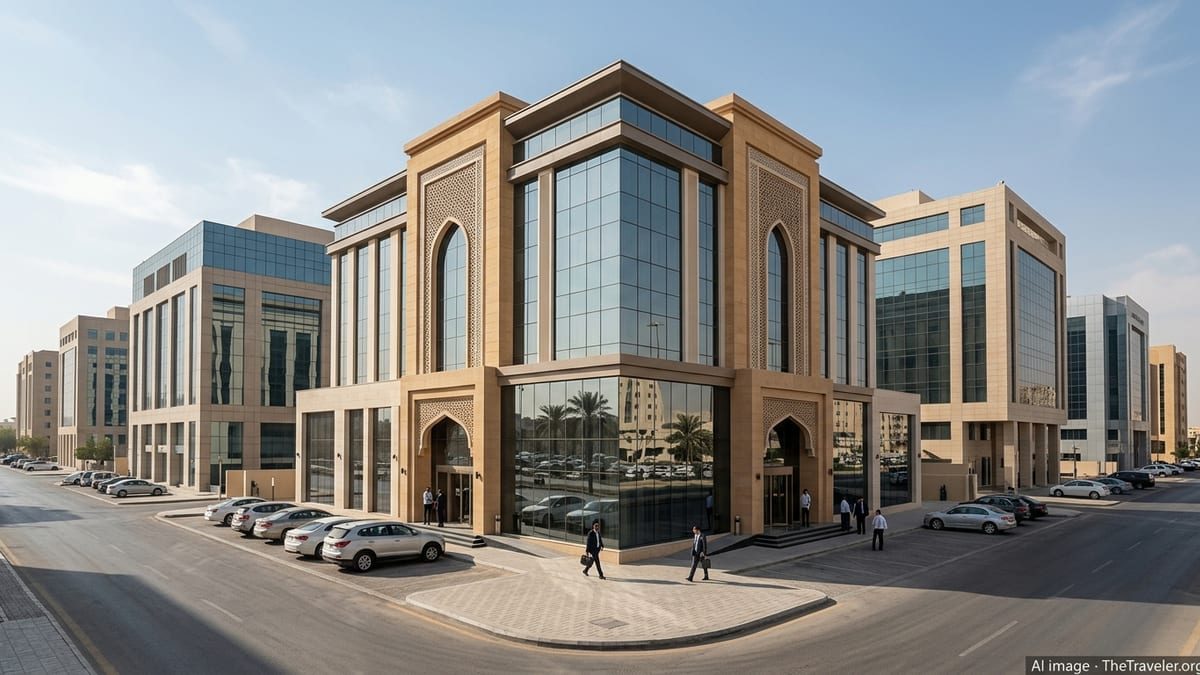
A New Player in Saudi Arabia’s Expanding Hotel Market
The AYARA platform is emerging at a time when Saudi Arabia’s hospitality sector is undergoing rapid transformation, backed by large-scale government investment and a growing pipeline of international and homegrown brands. Publicly available information on Saudi hotel development shows a strong focus on both luxury and upper-upscale assets in giga-projects such as NEOM, the Red Sea destination and Soudah Peaks, alongside a deepening midmarket segment in major cities.
Within this context, AYARA’s plan to deliver 50 business-focused hotels by 2029 is positioned as a response to the increasing need for reliable, standardized accommodation for corporate travelers, project teams and small and medium-sized enterprises. Development reports on the kingdom’s pipeline indicate that business travel demand is set to rise steadily as sectors such as finance, technology, manufacturing and professional services expand.
The initiative aligns closely with Vision 2030, which calls for the diversification of the Saudi economy away from hydrocarbons and the creation of a more vibrant private sector. Hotel development has been identified as a key enabler for both tourism and business activity, and platforms like AYARA are being designed to plug gaps in the market between high-end resorts and budget offerings.
Analysts following Saudi Arabia’s hospitality pipeline note that midscale and upper-midscale properties in commercially active districts often achieve high occupancy once basic connectivity, transport links and amenity standards are in place. AYARA’s emphasis on business hotels suggests a strategy that aims to capture this demand while complementing luxury-led projects elsewhere in the country.
Focus on Business Travel, Secondary Cities and Transport Hubs
Plans for AYARA emphasize a network of standardized business hotels located in core commercial districts of Riyadh, Jeddah and Dammam, as well as in emerging secondary cities and industrial hubs. Market overviews of Saudi real estate and hospitality show growing corporate activity in locations such as Al Khobar, Jubail, Yanbu and key logistics corridors, where infrastructure and industrial investment are drawing long-stay business travelers.
The platform’s development strategy is expected to prioritize proximity to key demand generators, including financial districts, free zones, technology parks, industrial clusters and major transport nodes such as airports and new railway stations. As Saudi Arabia continues to expand its aviation and rail networks, business hotels positioned near multimodal hubs are anticipated to play an important role in accommodating transit passengers, conference attendees and regional corporate teams.
AYARA-branded properties are projected to concentrate on essential services for business guests rather than resort-style amenities. Industry benchmarks for similar hotel platforms suggest a product mix that typically includes compact but well-designed rooms, efficient workspaces, fast connectivity, a limited but high-quality food and beverage offer, and flexible meeting areas that can serve both local SMEs and visiting delegations.
By spreading 50 hotels across the kingdom, the platform could also support the government’s goal of encouraging more domestic travel for business, training and events. This dispersal strategy is consistent with wider policy priorities to distribute economic opportunity beyond the largest cities and to improve hospitality infrastructure in fast-growing regional centers.
Supporting Vision 2030 Hospitality and Tourism Targets
Saudi Arabia’s tourism strategy aims to attract tens of millions of international visitors annually by the end of the decade, while also boosting domestic travel and short business stays. Research on the kingdom’s hotel pipeline indicates that thousands of new keys are under development to meet these goals, spanning segments from luxury beach resorts to religious tourism hotels in Makkah and Madinah.
AYARA’s business hotel rollout is expected to complement these efforts by ensuring that the supporting accommodation needed for conferences, trade fairs, corporate expansions and government projects is in place. As large-scale events and sector-specific summits become more frequent, a reliable midscale hotel network can help cities accommodate visiting professionals without overwhelming existing inventory.
Economic studies of the Gulf hospitality industry highlight the employment impact of new hotel platforms, particularly in operations, facilities management, food and beverage and digital guest services. A multi-property network such as AYARA’s planned 50 hotels is likely to create a substantial number of direct and indirect jobs, in line with national objectives to develop local talent in tourism and hospitality.
The initiative also dovetails with broader efforts to promote domestic brands alongside international operators. While many global hotel groups continue to expand their presence in Saudi Arabia, platforms like AYARA can introduce locally tailored concepts that reflect national business culture, weekday travel patterns and regional guest expectations.
Design, Technology and Sustainability Priorities
Publicly available information on new Saudi hotel concepts indicates a consistent focus on technology-driven guest experiences and energy-efficient design. AYARA is expected to follow this trend, drawing on contemporary hospitality standards for digital check-in, smart room controls, integrated payments and cloud-based property management systems that support multi-hotel portfolios.
Industry commentary on Saudi Arabia’s emerging hotel stock suggests that modern business properties increasingly incorporate flexible, informal working zones in lobbies and public areas, reflecting the rise of hybrid work and short on-site meetings. AYARA’s hotels are anticipated to echo this layout, with open-plan spaces that allow for casual collaboration, quick meetings and laptop work without requiring formal conference room bookings.
Sustainability has become another core consideration in the design of new-build hotels in the kingdom, particularly as regulations and investor expectations gradually tighten around resource efficiency. Market reports describe growing attention to water-saving fixtures, optimized cooling systems suited to the local climate, and building envelopes designed to reduce energy consumption while maintaining guest comfort.
For AYARA, embedding these principles from the outset could improve long-term operating margins and appeal to global corporate clients that factor environmental performance into their travel procurement policies. Standardized design guidelines across 50 properties may also help the platform scale sustainable solutions more efficiently than isolated one-off developments.
Implications for Investors and Corporate Travel Buyers
The launch and expansion of the AYARA platform is expected to be closely watched by regional real estate investors, institutional funds and family offices seeking exposure to Saudi Arabia’s non-luxury hospitality segment. Market intelligence on the kingdom’s hotel performance shows that well-located business hotels can deliver relatively stable occupancy through a combination of domestic corporate demand, government-related travel and intra-GCC visitors.
For investors, a unified platform of 50 properties offers potential benefits in terms of brand recognition, centralized procurement, technology integration and shared sales and marketing resources. These efficiencies can be particularly important in markets where operating costs, staffing needs and regulatory requirements are evolving quickly as the tourism sector scales up.
Corporate travel buyers and global travel management companies are also likely to track AYARA’s rollout timeline and geographic coverage. A consistent business-hotel offering across multiple Saudi cities could simplify travel policy design and negotiated rate agreements for multinational firms and regional champions expanding their footprint in the kingdom.
As Saudi Arabia continues to position itself as a regional headquarters hub and a destination for major conferences and exhibitions, the planned AYARA business hotel network adds another layer to a rapidly diversifying hospitality landscape. Its progress toward the 2029 target will offer a barometer of both business-travel demand and investor confidence in the kingdom’s broader economic transformation.