

More news on this day
Azamara Cruises is partnering with Texas-based Milam & Greene Whiskey on a new Bourbon Experiment at Sea, an exclusive program that combines in-transit barrel maturation with curated tastings, signaling how small-ship cruising is increasingly using distinctive culinary and beverage collaborations to stand out in a competitive global market.
Get the latest news straight to your inbox!
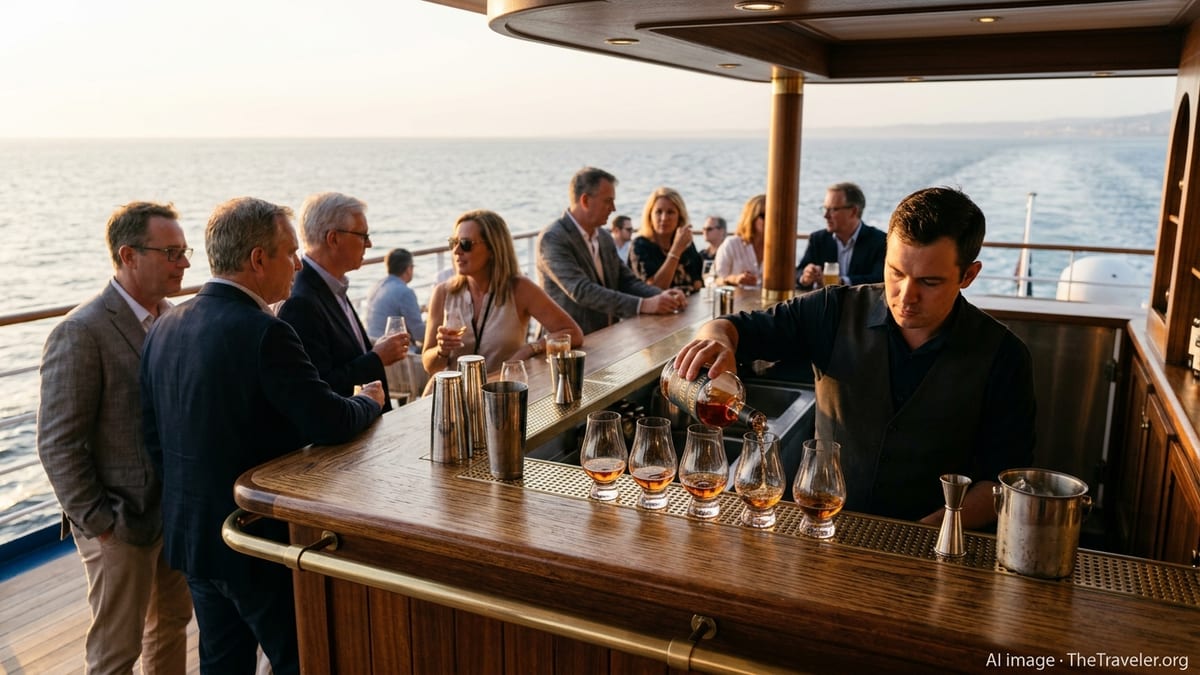
A Craft Bourbon Lab Sailing the High Seas
According to information shared by the brands, the Bourbon Experiment at Sea centers on select Milam & Greene bourbon barrels placed aboard an Azamara vessel, allowing the whiskey to mature further while the ship moves between climates and sea conditions. The constant motion, temperature shifts, and maritime environment are expected to subtly influence the spirit’s flavor profile, creating a small run of bottles that are distinct to the voyage itself.
Milam & Greene has previously emphasized experimental aging, including climate-focused trials that compare how identical distillate develops in different environments. Extending that philosophy to a cruise ship turns each sailing into a moving maturation lab, aligning with the whiskey maker’s interest in exploring how place and conditions shape taste. For Azamara, the project offers a tangible way to link its destination-focused itineraries with a crafted product that evolves alongside the journey.
The cruise line has already been expanding its culinary and beverage programming through initiatives that highlight regional food, wine, and beer on itineraries around the world. By introducing a limited bourbon expression tied directly to conditions at sea, the company adds another layer of storytelling to its voyages, appealing to travelers who increasingly look for one-of-a-kind experiences rather than standard bar selections.
Details emerging on the partnership suggest that participation will be limited, with tastings and potential bottle offerings designed for a relatively small number of guests. That scarcity is likely to strengthen the sense of exclusivity around the program and support Azamara’s broader positioning in the upper premium segment of the cruise market.
Elevating Onboard Tastings Into Educational Experiences
Reports indicate that the Bourbon Experiment at Sea is intended to go beyond simple sampling by building in guided tasting sessions and educational components. Guests are expected to be walked through how the spirit was produced, what makes the at-sea maturation unique, and how to identify differences between the ocean-influenced whiskey and standard Milam & Greene bottlings.
This format mirrors a wider shift across the cruise industry, where tastings have evolved from casual bar events into structured experiences that resemble land-based masterclasses. Lines from the premium through luxury segments are regularly adding programs focused on single-barrel whiskeys, estate wines, and craft cocktails. The Azamara and Milam & Greene collaboration slots neatly into that trend, offering a narrative that links production methods, geography, and sensory discovery.
For travelers, the appeal lies in engaging more deeply with what is in their glass. Instead of encountering a generic bourbon lineup, guests can explore how time at sea might soften tannins, change aromatic intensity, or emphasize particular flavor notes such as caramel, baking spice, or coastal salinity. The educational element also fits with Azamara’s broader focus on enrichment, which includes destination talks, local food demonstrations, and regionally inspired menus on many itineraries.
Observers note that such initiatives can have a halo effect for both partners. Milam & Greene gains exposure to an international audience of cruise guests, while Azamara benefits from association with a specialist producer whose reputation rests on experimentation and craft credentials, features that resonate strongly with today’s spirits enthusiasts.
Strengthening Azamara’s Destination-Led Brand Strategy
Publicly available information on Azamara’s recent programming shows a clear move toward deeper immersion through food and drink, with the line investing in destination-focused menus, specialty food and wine voyages, and expanded bar concepts that reference the regions visited. Industry coverage of the company’s Destination Immersion Elevated platform highlights new culinary partnerships, daily destination dishes, and an increased emphasis on local beverages across 2025 and 2026 sailings.
The Bourbon Experiment at Sea fits this strategy by tying a signature onboard experience to the physical act of travel itself. Rather than simply serving a branded spirit, the line is attaching a story of movement and environment to the bourbon, effectively turning the ship into an ingredient in the maturation process. This approach mirrors broader trends in experiential tourism, where travelers are invited to see journeys as part of a product’s backstory.
At the same time, the program complements Azamara’s small-ship positioning. With fewer passengers than many mainstream cruise vessels, the line can support more intimate events, including tastings that prioritize interaction, questions, and slower-paced education. The Milam & Greene collaboration appears designed to leverage that scale advantage, reinforcing the idea that a voyage with the brand offers more time and space to explore niche interests such as craft whiskey.
For ports of call, the growing focus on culinary and beverage storytelling may also help tie onshore and onboard experiences together. Travelers who sample regional cuisine during shore excursions can return to the ship for structured tastings, creating a feedback loop between the destinations visited and the culture expressed in the vessel’s restaurants and bars.
Competitive Pressure in Cruise Beverage Innovation
The decision to spotlight an experimental bourbon program also reflects intensifying competition around drinks on the high seas. In recent years, major cruise companies have moved to expand wine lists, introduce single-barrel partnerships, and design signature cocktails tailored to specific regions or itineraries. Industry reports describe an arms race of sorts, in which bespoke spirits, private-label wines, and curated tasting flights are used to differentiate brands and justify premium pricing.
Azamara’s partnership with Milam & Greene aligns with this environment by providing a narrative that is difficult to replicate quickly. While other lines can commission cask selections or limited editions, building a program that ties barrels to particular sailings and engages a niche craft producer positions the experience as something more than another label on a bar shelf. It also taps into consumers’ growing appetite for provenance and transparency in spirits.
Analysts following cruise trends note that beverage programs now play a significant role in guest satisfaction and repeat bookings, particularly among travelers who see food and drink as central to their vacation. Offering a distinctive whiskey story at sea can support Azamara’s efforts to attract guests who might otherwise gravitate toward land-based culinary travel, wine regions, or whiskey trails.
As more lines experiment with collaborations, the success of initiatives like the Bourbon Experiment at Sea is likely to be measured not only in onboard sales, but also in brand perception and word-of-mouth. If guests view the program as memorable and well executed, it could strengthen Azamara’s profile in a crowded market and encourage further specialty partnerships across other beverage categories.
Implications for Future Cruise Tourism Experiences
The Azamara and Milam & Greene collaboration points to how cruise tourism may continue to evolve over the next several years. Rather than relying solely on large-scale entertainment and standardized dining, cruise brands are increasingly investing in small-batch, story-driven experiences that appeal to travelers seeking authenticity and depth.
Industry observers suggest that similar projects could emerge around other craft categories, from regional gins and rums to specialty coffee and chocolate. For smaller lines, these partnerships offer a way to spotlight their intimacy and flexibility, enabling them to prototype limited-run experiences that would be harder to execute on large ships with several thousand guests.
For travelers, programs like the Bourbon Experiment at Sea underscore how a voyage can now function as both transportation and tasting room. Guests may leave not only with photographs and port memories, but also with a nuanced understanding of how a favorite spirit was shaped by the journey itself. As immersive culinary and beverage offerings become more prevalent, they are likely to remain an important differentiator for companies competing in the expanding market for experiential travel.
While the full rollout and long-term impact of the Milam & Greene partnership remain to be seen, the initiative illustrates how cruise lines are using targeted, craft-focused collaborations to elevate their onboard experience and align more closely with evolving traveler expectations around taste, storytelling, and authenticity.