

More news on this day
Azamara is moving deeper into the world of high-end spirits with a new bourbon-themed experiment at sea, signaling how small-ship cruise lines are using craft beverages to differentiate their luxury experience and appeal to increasingly spirits-savvy travelers.
Get the latest news straight to your inbox!
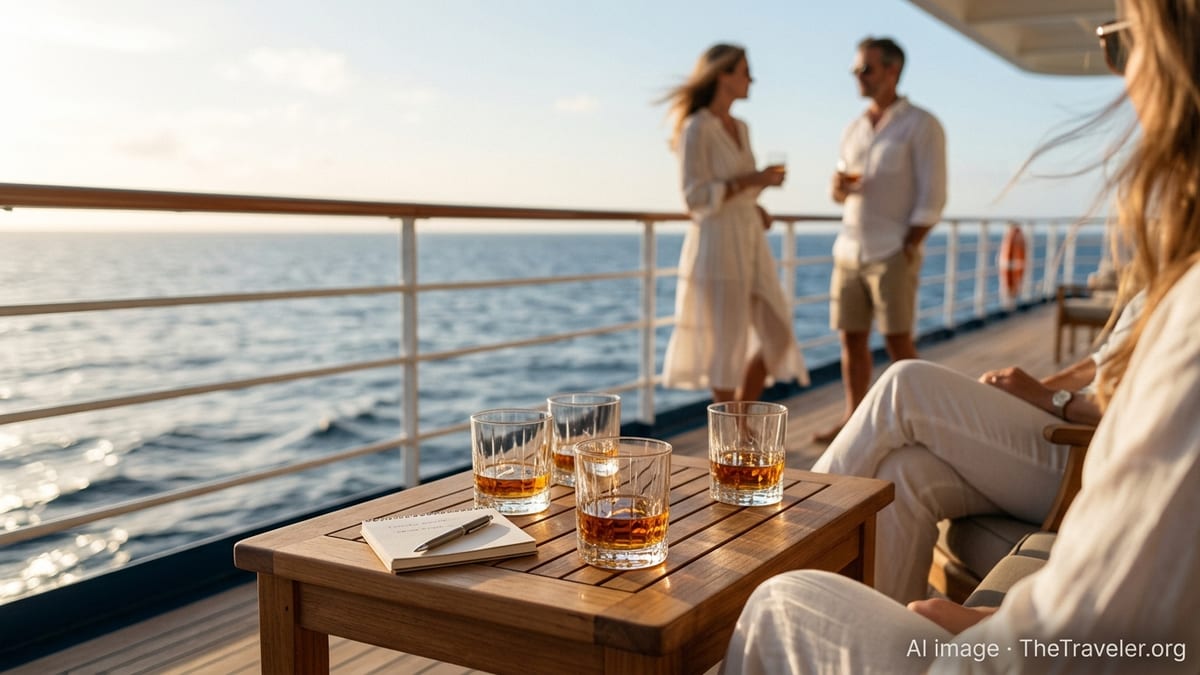
Bourbon Culture Meets Boutique Cruising
The latest initiative from Azamara aligns with a wider cruise industry trend in which premium lines are investing in more curated beverage offerings to complement upscale dining and destination-led itineraries. Publicly available information on Azamara’s beverage program already highlights an emphasis on recognizable international brands and classic cocktails, and the new bourbon experiment is positioned as an elevated layer on top of that core offering.
Instead of focusing solely on mass-market labels, the program brings in small-batch and specialty bourbons for guided tastings, cocktail demonstrations and limited-availability pours in select onboard bars. Industry coverage of beverage trends at sea indicates that cruise guests are showing stronger interest in provenance, production methods and tasting notes, creating demand for programming that feels closer to a craft bar than a traditional cruise lounge.
In this context, Azamara’s move reads as an attempt to deepen its boutique identity. The line operates a small fleet of mid-sized ships and has built its brand around longer port stays and immersive itineraries; adding a niche bourbon concept offers another talking point for travelers who want intimate, story-driven experiences on board as well as ashore.
Although full technical details of the program have not been widely published, the framing of the initiative emphasizes experimentation and education rather than high-volume sales, suggesting that the bourbon component is being used to reinforce a sense of discovery central to Azamara’s positioning.
An Experiment in Aging and Environment at Sea
The idea of using the motion and maritime climate of the open ocean as a variable in bourbon maturation has been gaining visibility in the spirits world for more than a decade. Well-known brands have sent barrels on extended sea voyages, citing the constant agitation, temperature shifts and exposure to salty air as factors that can intensify flavor development beyond what occurs in a static warehouse on land.
Reports on these sea-aging projects describe how the barrels are stored aboard working vessels or container ships, with the whiskey in near-constant movement for months at a time. Advocates claim this can yield deeper color, richer caramel and vanilla notes and a subtle maritime character, while critics question how much of the flavor is attributable to ocean conditions versus marketing.
Azamara’s new initiative appears to draw inspiration from these high-profile experiments, translating the concept into a guest-facing feature. Rather than transforming its ships into full-scale aging warehouses, the line is treating the maritime environment as an experiential backdrop: guests learn about how factors such as temperature swings, barrel char and motion can affect whiskey, often with side-by-side tastings that compare different aging approaches.
By presenting the project as an experiment rather than a finished product line, Azamara leaves room for iteration. Feedback from guests, along with data from spirits partners, can inform how future sailings refine the mix of educational content, specialty bottlings and limited-run cocktails linked to the bourbon-at-sea theme.
Guest Experience: From Tasting Rooms to Story-Driven Cocktails
For travelers, the most visible aspect of Azamara’s bourbon experiment is likely to be in dedicated tastings and cocktail experiences. Cruise and hospitality coverage suggests that premium lines are increasingly carving out intimate spaces that feel more like land-based tasting rooms or speakeasies, with smaller groups, guided pours and narrative-driven menus.
On board, that can translate into structured sessions where guests explore different mash bills, proofs and aging regimes, moving from lighter, corn-forward expressions to spicier, rye-heavy styles. The program is expected to showcase how sea conditions might influence aroma and finish, with staff or guest educators walking participants through sensory notes such as oak, toffee, citrus or brine.
The bar program can then extend these themes into signature cocktails that play on the maritime setting. Classic recipes such as the Old Fashioned or Manhattan may be adapted using featured bourbons, house syrups or bitters that reference ports of call. For a cruise line known for destination immersion, tying cocktails to specific regions visited on a voyage reinforces a sense of narrative continuity between shore excursions and evenings on deck.
Because Azamara’s ships carry fewer passengers than mainstream megaships, the bourbon experiment can be offered in a more tailored way, allowing bartenders and beverage teams to adjust to guest interest on individual sailings. This smaller scale can help the program feel exclusive without being inaccessible, a balance that resonates with travelers seeking understated luxury rather than ostentatious displays.
Positioning Within a Competitive Luxury Landscape
The introduction of a bourbon-focused initiative comes as premium and luxury cruise brands compete to differentiate their onboard product beyond suite size and itinerary design. Other lines have invested in extensive wine cellars, chef-partnered restaurants or dedicated gin and cocktail labs, turning beverage programs into central components of the brand story.
Industry analysis indicates that high-spending travelers are placing greater value on specialist programming and access to experiences that feel difficult to replicate on land. Rare spirits lists, curated flights and behind-the-scenes talks with distillers or brand representatives are increasingly seen as signifiers of modern luxury, particularly among guests who already travel widely and dine at top restaurants at home.
Azamara’s bourbon experiment positions the line in that competitive set, offering something that is both recognizable and niche. Bourbon has strong name recognition in key source markets such as North America and Europe, yet the idea of engaging with it in the middle of the ocean, framed as a living experiment, adds a layer of novelty that can stand out in marketing materials and travel trade communications.
At the same time, the initiative is relatively modular, allowing Azamara to expand, contract or reconfigure the program as guest demand evolves or as new partnerships with distilleries emerge. That flexibility is valuable at a time when cruise lines are cautiously investing in enhancements that can be scaled across fleets without requiring major structural changes to ships.
Signals for the Future of Onboard Craft Spirits
Azamara’s move into bourbon experimentation at sea highlights the broader direction of travel for onboard beverage programs: more emphasis on education, storytelling and small-batch products, and less reliance on generic drink lists. As consumers develop more sophisticated palates and show interest in where and how their drinks are made, cruise lines are responding with experiences that mirror the craft-focused bars and tasting rooms found in major cities.
For ports that are already marketing themselves around food and drink tourism, there may be opportunities to connect shore-side distillery visits or cocktail tours with the onboard bourbon narrative. This could see itineraries that link local producers with themed sailings, deepening the sense of place that Azamara and similar lines are keen to promote.
How successful the bourbon experiment proves to be will depend on guest reception, the quality and distinctiveness of the spirits involved and the line’s ability to refresh the concept over time. If it resonates, it could encourage further investment in sea-influenced aging projects, limited-edition bottlings tied to specific voyages or cross-promotions with retailers and bars on land.
For now, the initiative underscores how the definition of luxury at sea is shifting. Beyond suites and service levels, travelers are increasingly judging cruise experiences by the depth and character of what is in their glass, and Azamara’s latest project suggests that bourbon is poised to play a leading role in that evolving story.