

More news on this day
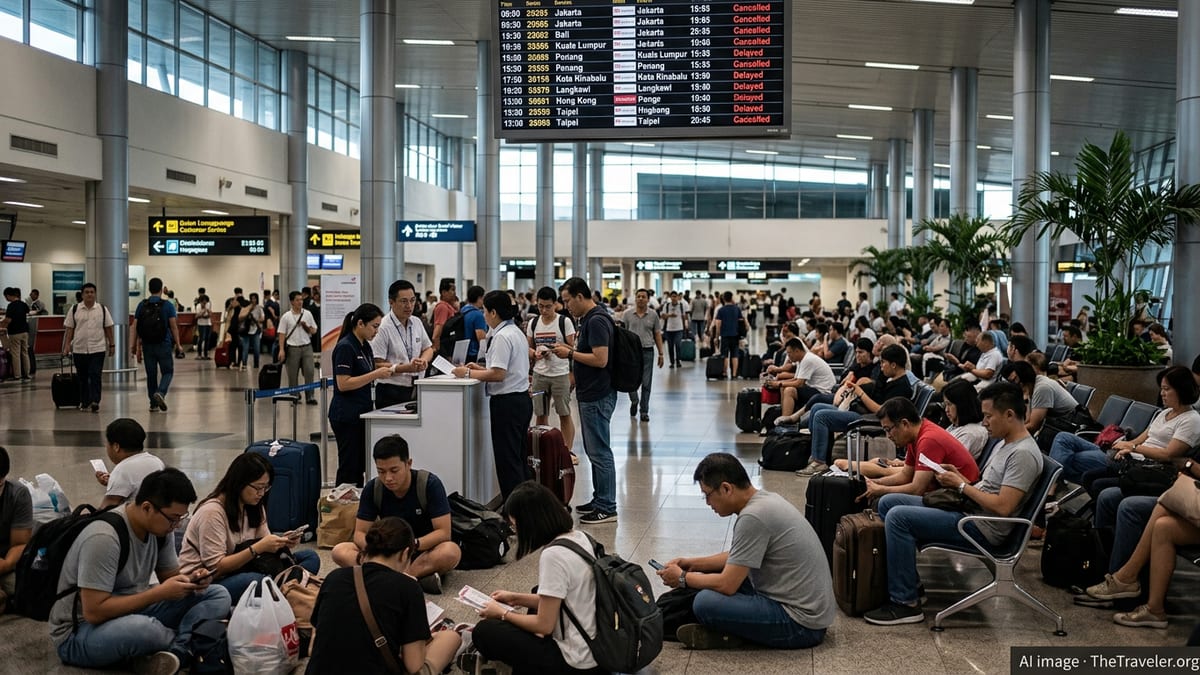
Air links between the Azores, mainland Portugal and the United States experienced fresh disruption this week as six delays and four cancellations at Lajes Air Base International affected SATA Air Açores, Azores Airlines and TAP Air Portugal services, stranding and rerouting passengers across Ponta Delgada, Flores, Porto, Lisbon and Boston.
Get the latest news straight to your inbox!
Operational Strain at a Key Atlantic Gateway
Lajes Air Base International on Terceira Island functions as a critical hinge in the air corridor connecting the Azores with Lisbon, Porto and Boston. The latest wave of delays and cancellations has highlighted how quickly disruption at this single airport can reverberate through the wider network. Publicly available flight tracking data and schedule changes show a clustering of irregular operations over recent days, with regional SATA Air Açores flights and longer-haul Azores Airlines and TAP Air Portugal services among those affected.
The six reported delays at Lajes mostly involve inter-island links to and from Ponta Delgada and Flores, as well as feeder flights that position passengers onto transatlantic services. The four cancellations include at least one rotation that would typically connect Terceira with mainland hubs, reducing options for travelers needing to reach Lisbon or Porto in time for onward connections. Passengers on both sides of the Atlantic have reported missed links and extended layovers as airlines attempt to re-accommodate travelers on limited alternative services.
While individual delay durations vary, route-level performance data for recent weeks indicate that some SATA Air Açores services linking Flores and Ponta Delgada have been averaging close to an hour in arrival delays, underscoring the fragility of tight island connections when a disruption occurs at Lajes. This pattern has been compounded in early April by seasonal weather and operational constraints typical for the mid-Atlantic spring shoulder period.
Impact on Ponta Delgada and Flores Feeder Traffic
Ponta Delgada, the largest air hub in the Azores, depends heavily on reliable feeder traffic from smaller islands such as Flores to sustain both local travel and international connectivity. Recent on-time performance statistics for flights on the Flores to Ponta Delgada route show recurring delays, reflecting a combination of meteorological challenges, tight aircraft rotations and limited spare capacity within the SATA Air Açores fleet.
When schedules at Lajes slip, the knock-on effect is particularly acute for passengers originating in Flores who must transit through Ponta Delgada to reach Lisbon, Porto or Boston. A delayed or canceled sector can quickly cascade into missed long-haul flights, forcing rebookings onto later departures that may not operate daily. In a network where some island routes see only a handful of frequencies per week, a single cancellation can effectively push a trip back by days rather than hours.
Travel commentary and recent user reports highlight that March and April often bring heavier fog and unsettled conditions to the western Azores, which can increase the risk of extended delays, especially at smaller airfields. When those delays intersect with Lajes disruptions, passengers from Flores and other outlying islands can find themselves with few immediate alternatives beyond overnight stays and complete itinerary reshuffles via Ponta Delgada.
Mainland Portugal Connections from Lisbon and Porto
The latest irregular operations at Lajes have also affected travelers using Lisbon and Porto as gateways. TAP Air Portugal and Azores Airlines rely on coordinated schedules so that mainland departures dovetail with arrivals into Ponta Delgada and Terceira, enabling same-day connections to the United States and other European destinations. When flights into or out of Lajes are delayed or canceled, those carefully constructed itineraries can unravel.
Recently published schedule adjustments show wider capacity changes on some Lisbon to North America routes, including temporary suspensions on selected Lisbon to Boston services. Although those broader changes are driven by network planning considerations rather than the Lajes disruptions alone, they reduce the pool of available seats for rebooking when irregular operations occur in the Azores.
In Porto, where Azores Airlines has marketed seasonal nonstop links to Ponta Delgada and onward connections to North America, passengers already have fewer daily options than at Lisbon. A canceled or heavily delayed Azores sector from Lajes can mean that Porto-origin travelers miss the only viable same-day connection, leading to overnight stays and additional costs. Consumer discussions and previous seasons’ statistics point to a pattern of occasional cancellations on SATA and TAP regional services, which regulators in Portugal have been monitoring in the context of European Union air passenger rights rules.
Boston Links Exposed as Transatlantic Pressure Point
Boston Logan International Airport remains a strategic long-haul destination for both TAP Air Portugal and the Azores-based group that includes SATA Air Açores and Azores Airlines. Azores Airlines maintains year-round nonstops from Boston to Ponta Delgada and Terceira, while TAP serves Boston from Lisbon, with additional capacity changes tied to seasonal demand and broader fleet deployment decisions.
Current pricing and route listings indicate that nonstops between Terceira’s Lajes airport and Boston are operating on a limited schedule, leaving little slack when disruptions occur in the Azores. When a Lajes flight feeding a Boston departure is delayed or canceled, airlines must either reroute passengers via Ponta Delgada or Lisbon or shift them to later dates, as same-day alternatives are often unavailable. For US-based travelers planning island-hopping holidays, the result can be lost hotel nights and compressed itineraries across multiple islands.
In the short term, the six delays and four cancellations at Lajes have underscored the vulnerability of Boston-bound passengers to events at a relatively small Atlantic outpost. In the medium term, ongoing debates around the future ownership structure of TAP Air Portugal and the fleet modernization plans of the Azores Airlines group may determine whether additional aircraft and frequencies are assigned to transatlantic routes, potentially improving resilience when operations at Lajes are disrupted.
Persistent Reliability Concerns and Passenger Advice
Aggregated operational reports for recent seasons point to a recurring pattern of irregular operations involving SATA Air Açores, Azores Airlines and TAP regional services in the Azores, with higher-than-average cancellation rates on some routes and frequent short to medium-length delays. These issues have been linked in public discussions to challenging meteorological conditions, aging regional fleets and the logistical complexity of serving nine inhabited islands with a small number of aircraft.
Travel forums and consumer advocacy commentary frequently advise passengers connecting through Lajes, Ponta Delgada or Flores to build generous buffers into their itineraries, particularly in late winter and early spring. Recommendations commonly include avoiding minimum connection times, scheduling at least one extra day before time-critical events in mainland Portugal or the United States, and securing flexible accommodation and car rental bookings that can be adjusted without substantial penalties.
For the airlines involved, the latest disruptions at Lajes add to pressure to improve communication, digital tools and contingency planning. Publicly available correspondence and previous complaint cases show that travelers often struggle to obtain timely information about rebooking options, compensation rights and baggage handling during irregular operations. As Azores tourism continues to grow, industry observers note that the ability of SATA Air Açores, Azores Airlines and TAP Air Portugal to deliver more reliable and predictable service through Lajes and other island gateways will remain a central test of the region’s connectivity to both mainland Europe and North America.