

More news on this day
Passengers across the UK, Turkey, Austria, the United Arab Emirates and other regions faced extensive disruption on April 5, 2026, as British Airways and Pegasus Airlines jointly cancelled 25 flights and delayed 134 more, causing missed connections and overnight stays from London Heathrow to Istanbul Sabiha Gökçen, Vienna, Dubai and secondary hubs.
Get the latest news straight to your inbox!
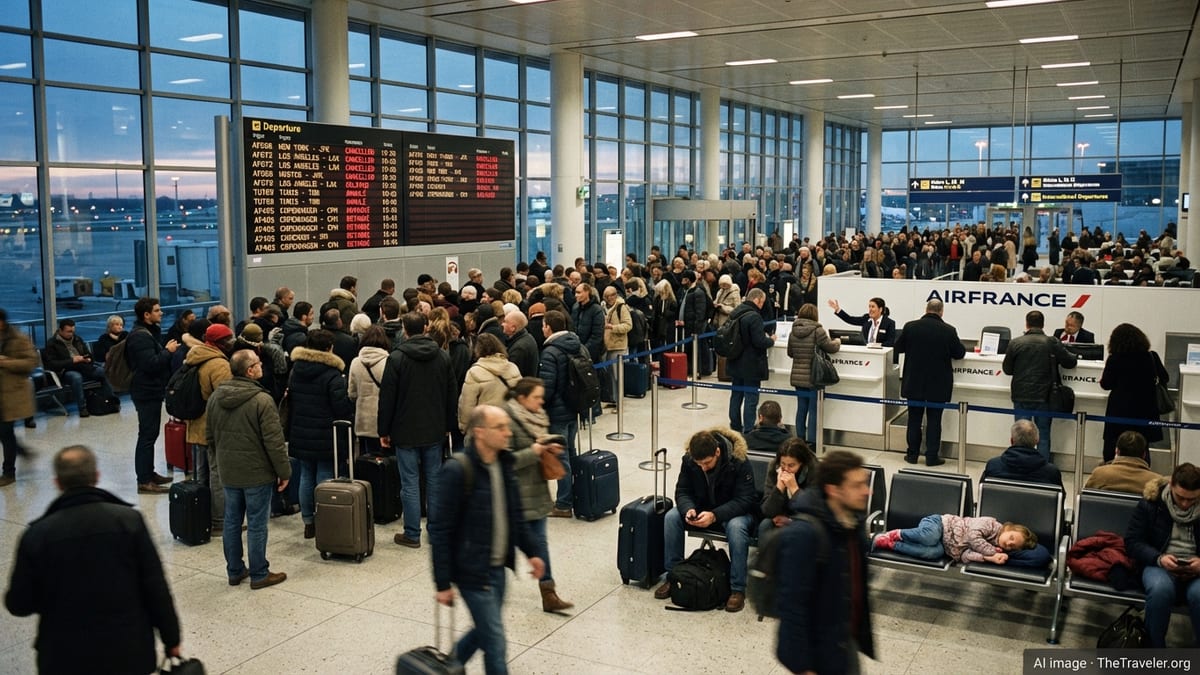
Network Disruptions Hit Key Hubs on a Busy Travel Weekend
Operational data compiled from flight-tracking platforms and airport information boards indicates that the combined cancellations and delays affected both short haul and medium haul sectors, with the largest concentrations at London Heathrow, Istanbul Sabiha Gökçen and Vienna International Airport. Passengers reported long queues at check in and rebooking counters as schedules were repeatedly revised throughout the day.
Publicly available information points to British Airways cutting several European services from Heathrow, including rotations that normally feed onward connections into Central and Eastern Europe. At the same time, Pegasus Airlines scaled back departures from Sabiha Gökçen and pushed back departure times by several hours on numerous routes into Austria, the Gulf and wider Europe.
Vienna emerged as a particular pressure point because it serves as both an origin and destination market and a key transfer node for regional itineraries. Local travelers returning from Easter trips, along with business passengers heading into Central Europe, were among those affected by cancellations and heavily delayed arrivals from London and Istanbul.
In the Gulf, disruption was felt at Dubai and other regional airports where British Airways and Pegasus services feed into broader long haul networks operated by partner and competitor airlines. Delayed inbound flights triggered missed onward departures and forced some passengers into unplanned overnight stops or complex rerouted itineraries.
Passengers Stranded and Rebooked Across Multiple Countries
As the disruption unfolded, travelers in the UK, Turkey, Austria and the UAE found themselves stranded at departure gates or in transit areas while they awaited updated flight information. Airport departure boards across the affected hubs showed rolling delays of one to three hours on many British Airways and Pegasus services, with some sectors withdrawn entirely from the operating schedule.
Reports indicate that passengers at Heathrow were offered rebooking on later British Airways departures where seats were available, but the combination of school holidays and weekend demand meant that some itineraries could only be shifted by a full day. Similar patterns were visible at Sabiha Gökçen, where capacity constraints and a busy peak schedule limited the number of alternative options.
In Vienna, local coverage highlights that travelers arriving from London and Istanbul faced tight or missed connections onto rail and regional flights, adding further cost and complexity to journeys. Some passengers were required to arrange last minute hotel accommodation or pay to modify nonrefundable onward tickets, particularly where journeys extended beyond the airline networks into domestic transport systems.
At Dubai and other Gulf gateways, delays to British Airways and Pegasus services disrupted onward links on competing carriers, creating a cascading effect across airline alliances and codeshare agreements. Travelers connecting to South and Southeast Asia, Africa and Australasia reported extended layovers and last minute gate changes as schedules were rebalanced.
Operational Pressures and Knock On Effects for Airlines
While precise causes for each cancellation and delay vary by route, operational feeds suggest a combination of crew and aircraft rotation challenges, air traffic flow restrictions and previous days weather patterns feeding into the April 5 program. For both British Airways and Pegasus, the need to reposition aircraft and crew across multi base networks appears to have contributed to punctuality pressures.
Industry analysts note that Heathrow operates near capacity for much of the day, leaving limited room to absorb irregular operations without wider schedule adjustments. When multiple flights fall outside their planned departure slots, congestion can intensify and delay recovery becomes slower, particularly during holiday periods when spare seats are scarce.
At Sabiha Gökçen, Pegasus has been expanding its network and frequencies, supported by new infrastructure, but the airport remains a highly utilized low cost hub. Any period of disruption can quickly translate into aircraft queues, gate shortages and extended turnaround times that filter through the day s timetable and into subsequent rotations across Europe and the Middle East.
Vienna s role as a connecting point between Western Europe, the Balkans and the Middle East meant that cancellations and delays there affected a wider pool of airlines and rail operators. Missed intermodal connections, such as pre booked long distance trains or buses, compounded the operational challenges faced by carriers trying to recover schedules before the start of the working week.
Regulatory Rights and Practical Steps for Affected Travelers
The latest wave of disruption has renewed attention on passenger rights under UK and European Union regulations. Public guidance from consumer organizations explains that under UK261 and EU261 rules, travelers departing from UK and EU airports or flying on UK and EU carriers may in some cases be entitled to assistance and financial compensation, depending on the length of the delay, the flight distance and the reason behind the operational issue.
Where the cause of disruption falls within an airline s control, such as certain operational or staffing problems, regulations can require carriers to provide meals, refreshments, hotel accommodation where necessary and rerouting at the earliest opportunity. Monetary compensation may also apply for long delays or cancellations, although it does not cover situations deemed to be the result of extraordinary circumstances such as severe weather or widespread air traffic control restrictions.
Travel advisors recommend that affected passengers retain boarding passes, booking confirmations and any written notices detailing the cause of delay or cancellation, as these documents can assist with subsequent claims. Screenshots of flight status pages and photographs of departure boards are often cited as helpful supporting evidence when submitting requests for reimbursement or compensation.
Beyond statutory rights, many travelers rely on comprehensive travel insurance policies that can cover additional expenses such as lost prepaid accommodation, missed excursions or nonrefundable onward tickets. Policy terms differ widely, so passengers are encouraged to review coverage conditions, including any requirements to obtain written confirmation of disruption from airlines or airports.
What This Means for Spring and Summer Air Travel
The events of April 5 arrive amid a broader pattern of busy skies, tight capacity and rising demand on routes linking the UK, Turkey, Central Europe and the Gulf. Airline schedule data for the upcoming spring and summer period show dense timetables at major hubs, which can magnify the impact of any localized technical or operational issue on a given day.
Analysts suggest that passengers planning international trips through Heathrow, Sabiha Gökçen, Vienna and Gulf hubs in the coming months may benefit from allowing longer connection times, especially when itineraries involve multiple carriers or separate tickets. Booking earlier departures in the day, where possible, can also provide more options if disruption strikes.
Consumer advocates further underline the value of keeping airline apps and airport notifications activated so that gate changes and revised timings reach passengers quickly. Prompt awareness of a cancellation or long delay can make the difference between securing an early rebooking or having to wait for the next day s flights when seat availability tightens.
For British Airways and Pegasus, the latest round of cancellations and delays will add pressure to maintain reliability as peak travel season approaches. How quickly they recover from incidents such as the April 5 disruption and how effectively they communicate with affected passengers are likely to remain key points of scrutiny for travelers choosing between competing carriers on crowded European and Middle Eastern routes.